









How to Upgrade Your RV to Lithium Power: A Practical Guide from Quartzsite 2026

The 2026 Quartzsite RV Show made one trend clear: lithium is no longer a niche upgrade. For many RV families, it is becoming a practical solution for longer off-grid travel and simplified power management.
For additional background on what Power Queen demonstrated at the show, see the press release published on Yahoo Finance .
What mattered most, though, were the practical questions RV owners raised: how to reduce generator dependence, increase usable capacity, and upgrade without rebuilding an entire electrical system.
Reliable power is no longer just a technical discussion. It’s part of how people plan their time on the road.
What RV Owners Are Trying to Solve
Across conversations at Quartzsite, three recurring concerns stood out:
- Replacing lead-acid batteries without structural changes
- Reducing generator runtime
- Extending off-grid autonomy
The priority isn’t maximum specifications — it’s stability and simplicity.
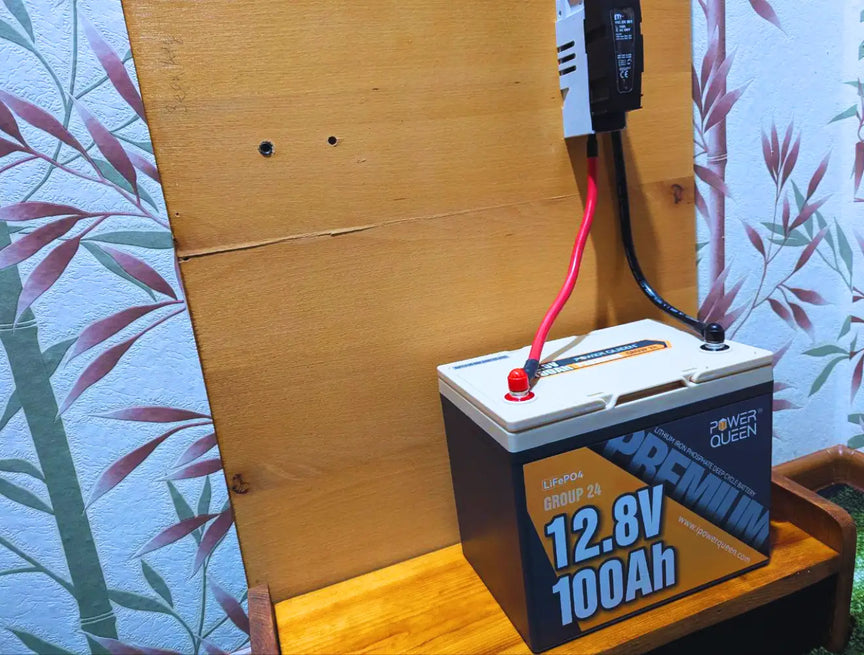
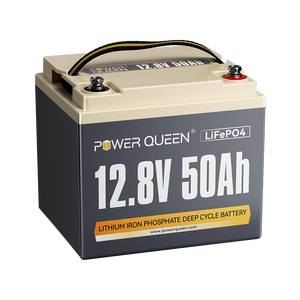
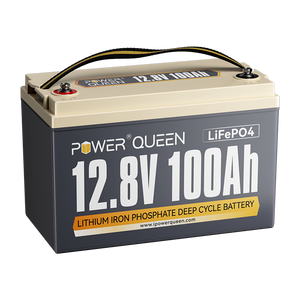
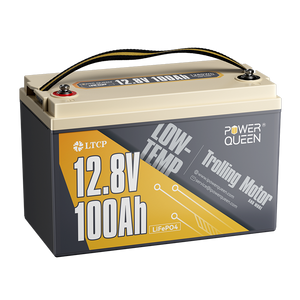
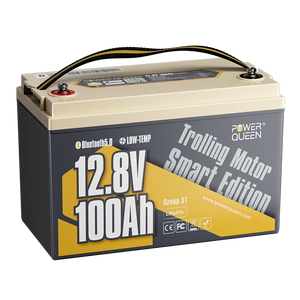
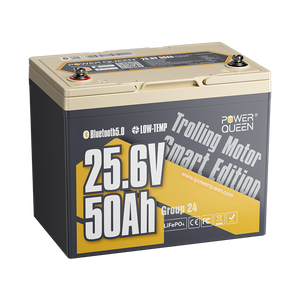
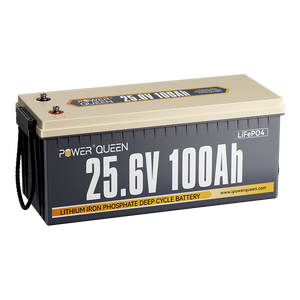
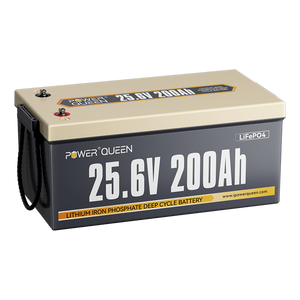
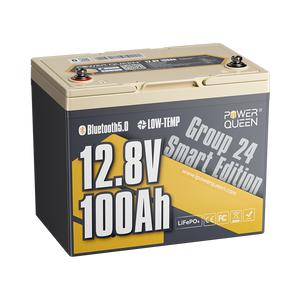
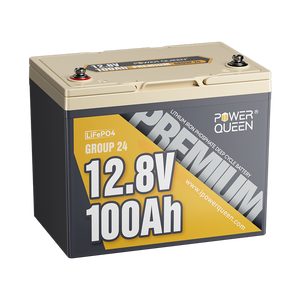
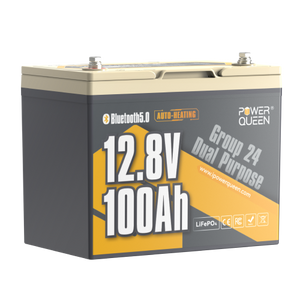
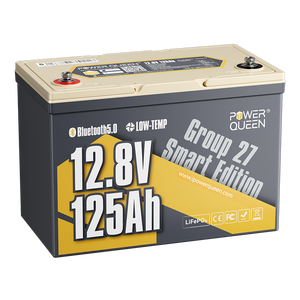
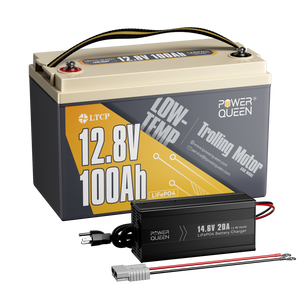
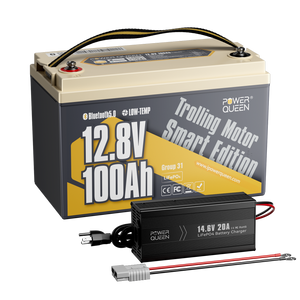
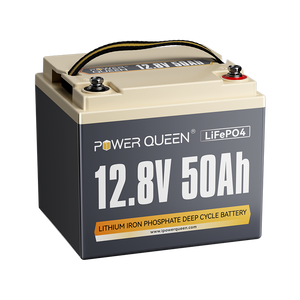
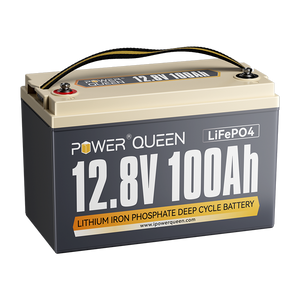
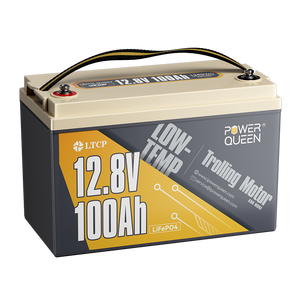
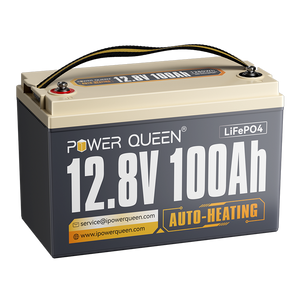
For RV users evaluating upgrade paths, a structured lineup such as the RV Lithium Battery Series allows capacity selection based on actual travel habits rather than guesswork.

Why Lithium Is Gradually Replacing Lead-Acid
Lead-acid systems still work, but modern RV usage patterns expose their limits.
Common Lead-Acid Constraints
- Roughly 50% usable capacity
- Heavy multi-battery wiring
- Shorter cycle life
- Ongoing maintenance
Lithium Advantages
- Higher usable energy
- Longer lifespan
- Stable voltage output
- Reduced overall system weight
- Minimal maintenance
For extended trips or full-time travel, these differences affect daily convenience more than raw performance numbers.
For a detailed comparison of performance, lifespan, and cost differences, see AGM vs Lithium RV Batteries: Which Is Better?

Matching Capacity to Travel Style
Battery size should reflect actual usage, not marketing claims.
| Travel Style | Suggested Capacity | Typical Usage |
|---|---|---|
| Weekend Trips | 100–125Ah | Lights, fridge, devices |
| Extended Travel | 200Ah | Moderate daily consumption |
| Long-Term Off-Grid | 300Ah+ | Higher-demand appliances |
Planning capacity this way allows gradual upgrades and future expansion.
For many RV owners, aligning battery capacity with actual daily consumption is often the first step toward a more predictable and cost-efficient upgrade.
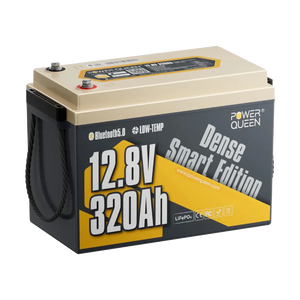
High-Capacity Example: When 300Ah Makes Sense
For families prioritizing extended autonomy, high-capacity single-battery configurations are increasingly common.
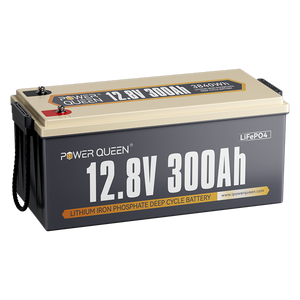
A Power Queen 12V 300Ah LiFePO4 battery, for example, can provide:
- 3,840Wh usable energy
- Stable 2,560W output
- Compatibility with large standard RV compartments
- Reduced reliance on multi-battery lead-acid setups


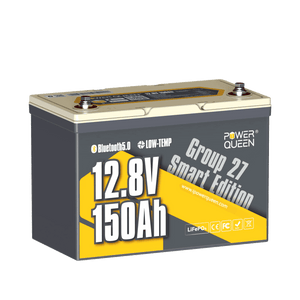
If you're unsure about sizing before selecting a replacement, refer to the RV Battery Size Chart Guide: Group 24 vs 27 vs 31.
It’s not necessary for every traveler, but for long-duration or solar-integrated systems, this capacity level simplifies wiring and reduces generator use.
The key is not choosing the largest option available, but selecting a capacity that realistically supports your travel rhythm and appliance demand.
What to Review Before Switching to Lithium
Upgrading is often simpler than expected, but a few checks help avoid complications.
If you're looking for a more detailed walkthrough, our How to Convert RV Batteries to Lithium (Step-by-Step Upgrade Guide) outlines the full upgrade process.
Charging System
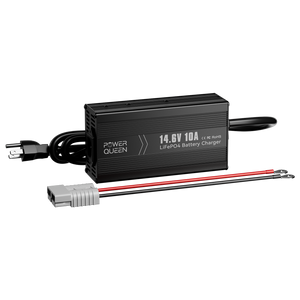
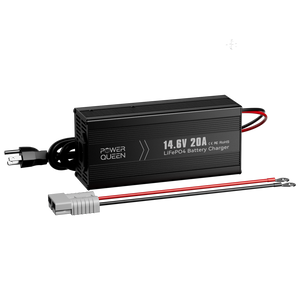
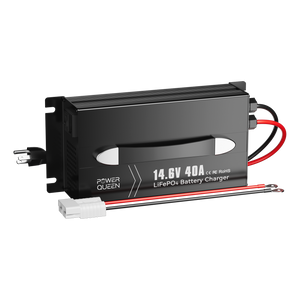
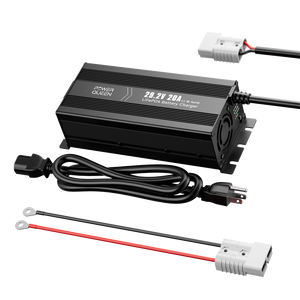
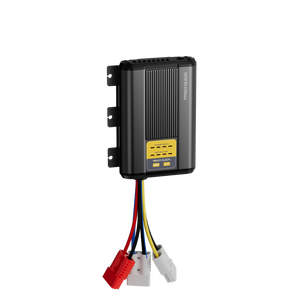
Ensure your converter or alternator charging profile supports lithium.
Solar Setup
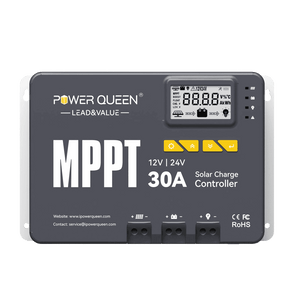
Confirm your charge controller is compatible with LiFePO₄ settings.
Inverter Rating
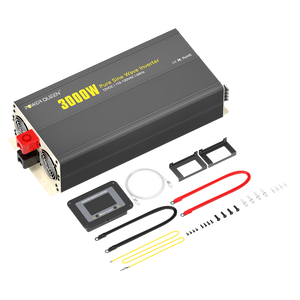
Higher usable energy may increase appliance demand — check inverter capacity.
Monitoring & Expansion
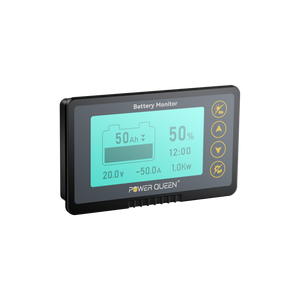
Lithium systems are easier to scale. Planning for monitoring and future additions improves long-term flexibility.
Most upgrades don’t require structural modification — but system awareness makes the transition smoother.
Clarifying these points in advance often turns what feels like a complex electrical overhaul into a manageable system upgrade.
Why Real-World Operation Still Matters
At Quartzsite, a Power Queen lithium-powered system ran appliances continuously onsite. Watching a system operate steadily under real conditions made the benefits clearer than any specification sheet.
Visitors noticed:
- Stable output under load
- Reduced reliance on onboard generators
- Consistent day-long performance
Technical metrics matter. But confidence often comes from seeing reliability in practice — especially when that performance is supported by certified safety standards and long-term durability.
With EV-grade cells, over 4,000 cycle life expectancy, and certifications such as FCC, CE, RoHS, and UN38.3, Power Queen lithium systems are designed not only for performance, but for consistent and compliant operation in real-world environments.

Looking Ahead
As RV lifestyles evolve, power systems are becoming more usage-driven and integration-focused. Lithium adoption is less about chasing new technology and more about reducing compromise — quieter mornings, longer stays off-grid, and fewer system interruptions.
For many full-time travelers, long-term battery performance also plays a role in overall budgeting — especially when evaluating the cost of RV living.
For RV owners actively evaluating a lithium upgrade, the next practical step is to compare real capacity options and system configurations rather than focusing on a single specification.
Exploring the available models within the RV Lithium Battery Series allows you to review voltage, capacity, and application fit side by side — making it easier to choose a solution that aligns with your travel style and energy demand before committing to a full system transition.

Frequently Asked Questions
1. Can I directly replace my RV lead-acid battery with lithium?
In many RV systems, lithium batteries can replace lead-acid units without structural modification, especially when the battery matches standard group sizes. However, charging compatibility should always be verified before installation.
For a broader overview of replacement considerations, see The Ultimate Guide to Replace RV Battery.
2. Do I need to upgrade my RV charger when switching to lithium?
Some factory-installed converters are not optimized for lithium charging profiles. While the battery may function, upgrading to a lithium-compatible charger improves efficiency and long-term performance.
3. How long does a lithium battery last in an RV?
Most LiFePO₄ batteries are rated for over 4,000 charge cycles, depending on usage and depth of discharge. For frequent travelers, this typically translates to many years of consistent performance.
You can explore a deeper breakdown in our complete guide on How Long Do RV Batteries Last? Complete Guide for Lead-Acid & Lithium.
4. Does lithium require ventilation like lead-acid batteries?
No. LiFePO₄ batteries do not emit gas during normal operation and do not require vented compartments like traditional flooded lead-acid batteries.
5. Is it better to install multiple smaller batteries or one large-capacity unit?
Both approaches are viable. However, a single higher-capacity lithium battery often simplifies wiring, reduces system complexity, and improves space efficiency compared to multi-battery lead-acid setups.
6. When is the right time to upgrade from lead-acid to lithium?
Many RV owners consider upgrading when replacing aging batteries, expanding their solar setup, or planning longer off-grid travel. Transitioning during a planned system update often makes the process smoother and more cost-effective.