












How Long Do RV Batteries Last? Complete Guide for Lead-Acid & Lithium
How long do RV batteries last depends mainly on the battery type and how deeply you discharge it. Most RV batteries last anywhere from 2 to 10+ years, with lithium systems lasting the longest. The better your charging habits and storage practices, the longer your RV battery bank will perform reliably.
RV batteries are one of the most important power sources in any camper, travel trailer, or motorhome. Whether you are running interior lights, charging phones, or powering appliances while boondocking, your battery bank determines how comfortable your trip will be.
In this guide, you will learn how long different RV house batteries last, how long they run on one charge, and how to extend their life with simple habits and smarter charging.
💡 If you want to understand the basics before choosing a battery, you may find this resource helpful: Deep Cycle RV Battery: A Complete Guide.
Key Takeaways
RV batteries can last from 2 to 10+ years, depending on battery chemistry and how they are used.
- Flooded lead acid RV batteries usually last 2 to 3 years
- AGM batteries often last 4 to 7 years
- Gel batteries typically last 2 to 5 years
- A LiFePO4 RV lithium battery can last 10 years or more
- Battery life depends heavily on discharge depth, storage, and charging quality
- Lithium batteries provide the most usable power per charge and recharge the fastest
Part 1. How Long Do RV House Batteries Last?
RV house batteries usually last 2 to 10+ years, depending on the type you install. RV house batteries power your 12V systems, including lights, water pump, fans, propane refrigerator controls, USB outlets, and other electronics. These are different from your RV starting battery, which is built to crank the engine.
Battery lifespan is largely determined by cycle life, meaning how many charge and discharge cycles the battery can handle. In general, deeper discharges reduce lifespan, especially for lead acid batteries. The U.S. Department of Energy explains that repeated cycling and deep discharge reduce battery capacity over time, which is why proper battery management matters.
Flooded Lead Acid Batteries (2 to 3 Years)
Flooded lead acid batteries typically last 2 to 3 years in most RV setups. Flooded lead acid batteries are the most common and affordable RV battery option, but they require regular maintenance and are sensitive to deep discharge.
These batteries often fail early if:
- They are discharged below 50 percent repeatedly
- The water level is not checked and topped off
- They sit unused during storage without a trickle charge
- Corrosion builds up on terminals and cables
Flooded batteries are best for occasional weekend camping, but heavy boondocking usually shortens their lifespan significantly.
AGM Batteries (4 to 7 Years)
AGM batteries typically last 4 to 7 years in RV use. AGM batteries are sealed lead acid batteries that offer better durability, require no watering, and handle vibration well, which makes them popular for travel trailers and motorhomes.
AGM batteries are a strong choice because they provide:
- Better performance than flooded lead acid
- Faster recharge times
- Cleaner installation with no acid spills
- Good reliability in moderate off grid use
For RV owners who want better performance without the cost of lithium, AGM is often the most practical upgrade.
Gel Batteries (2 to 5 Years)
Gel batteries usually last 2 to 5 years in RV applications. Gel batteries are sealed lead acid batteries, but they are less common because they are sensitive to charging voltage and can be damaged by overcharging.
These batteries may still appear in older RV systems, but most modern RV owners choose AGM or lithium for easier charging compatibility.
Lithium (LiFePO4) Batteries (10+ Years)
Lithium LiFePO4 batteries typically last 10 years or longer, making them the longest lasting RV battery option. Lithium batteries are designed for high cycle life, and many models support thousands of cycles before losing significant capacity.
According to the U.S. Department of Energy, lithium based batteries generally deliver higher energy density and longer cycle performance than older chemistries, which is why lithium is widely adopted across transportation and energy storage markets.
If you want a deeper explanation of why lithium has become the preferred deep cycle upgrade, see Deep Cycle Redefined: Why Lithium is the Modern Alternative to Lead Acid.
Lithium batteries offer major advantages such as:
- Higher usable capacity per charge
- Faster charging from solar or shore power
- Lighter weight compared to lead acid
- Stable voltage for consistent performance
For example, many U.S. RVers who camp in Arizona or Utah BLM land for extended boondocking trips choose an RV lithium battery because it can run lights, fans, and electronics for multiple days without dropping voltage quickly.
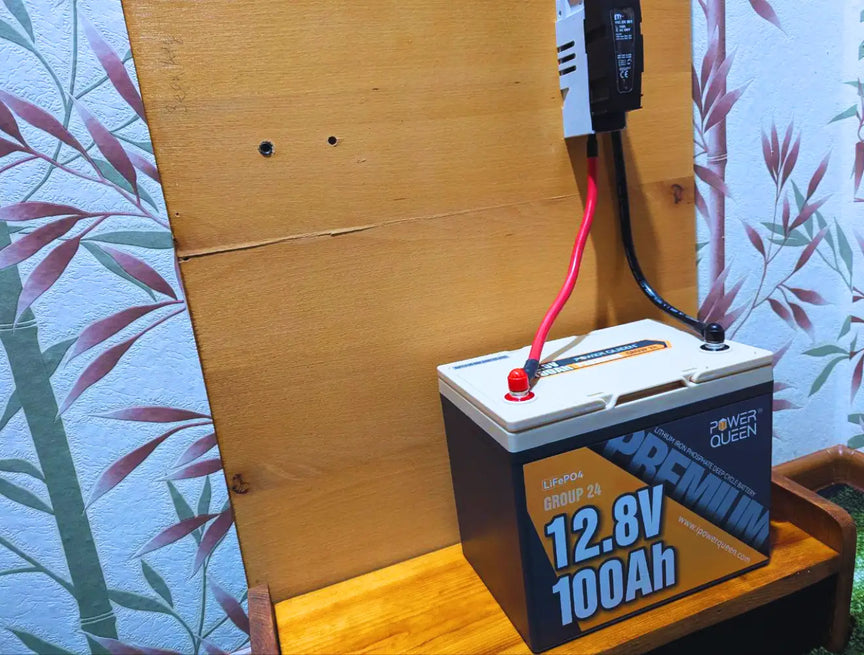
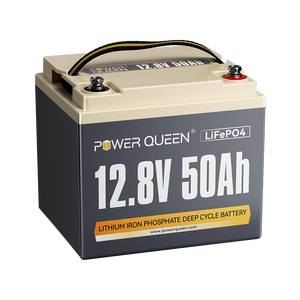
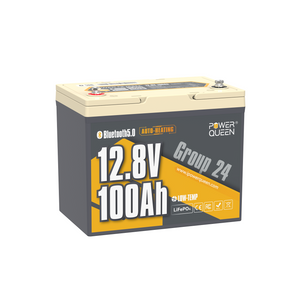
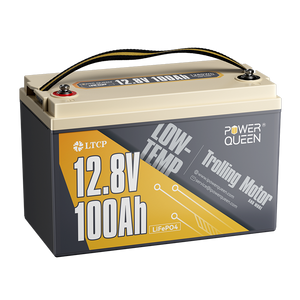
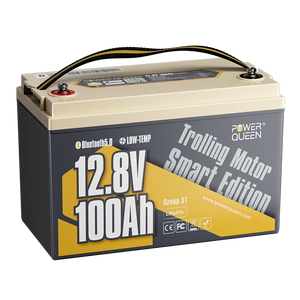
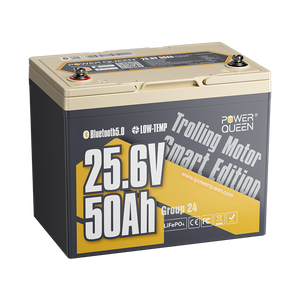
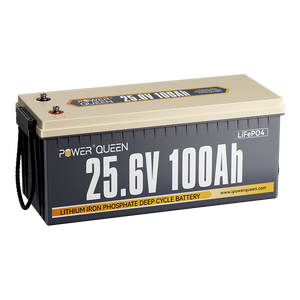
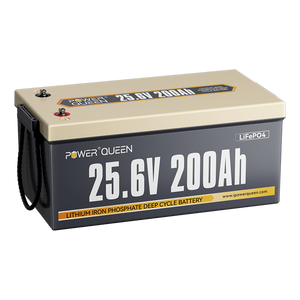
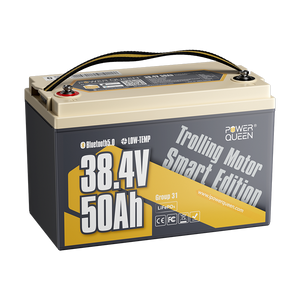
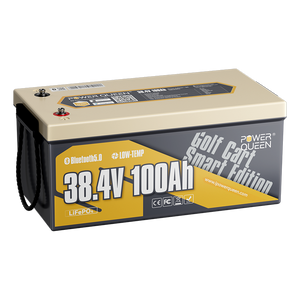
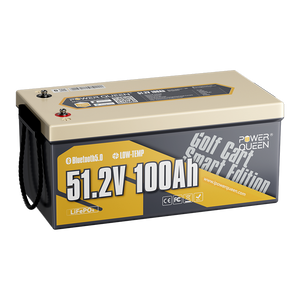
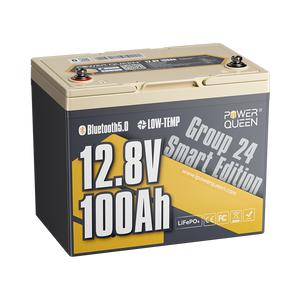
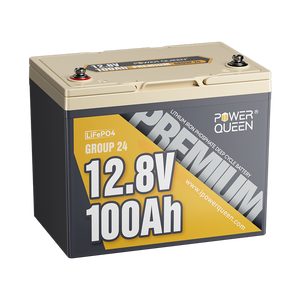
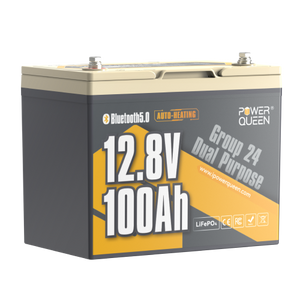
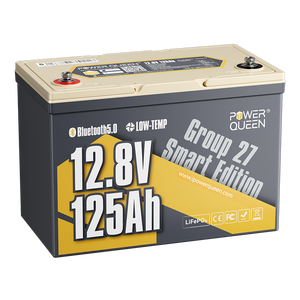
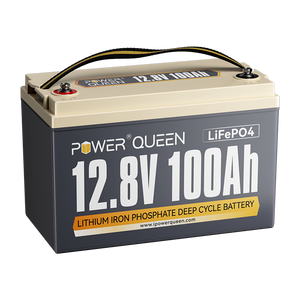
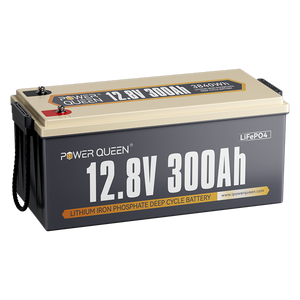
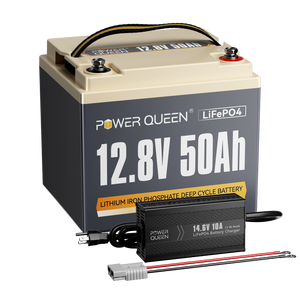
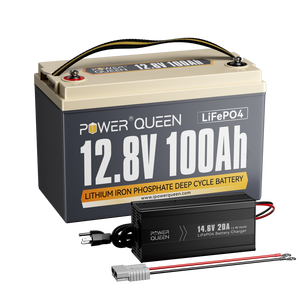
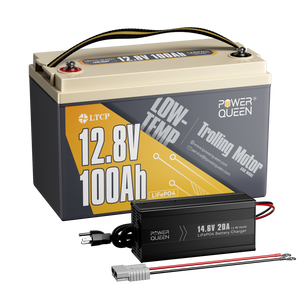
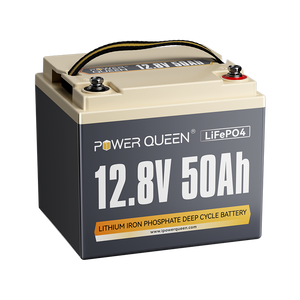
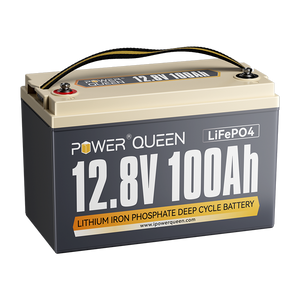
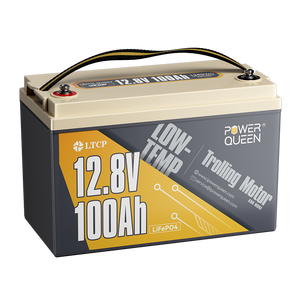
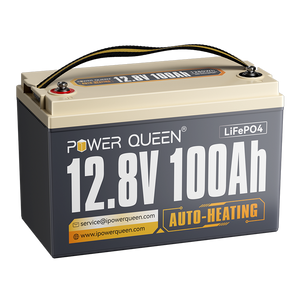
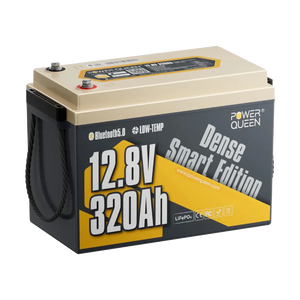
For RVers who want longer lifespan, faster charging, and reliable off-grid power, Power Queen rv lithium batteries are a practical upgrade option.
💡Read More: Best Battery for RV Living (2026 Buyer’s Guide).

Battery Lifespan Comparison Table
| Battery Type | Average Lifespan | Typical Cycle Count | Maintenance Level |
|---|---|---|---|
| Flooded Lead Acid | 2 to 3 Years | 300 to 500 | High |
| AGM | 4 to 7 Years | 600 to 800 | None |
| Gel | 2 to 5 Years | 500 to 1000 | Low |
| Lithium LiFePO4 | 10 to 15 Years | 3000 to 5000 | None |
Part 2. How Long Do RV Batteries Last On One Charge?
RV batteries usually last from several hours to several days on one charge depending on battery size and power use. Battery runtime depends on capacity, battery type, and what you are powering.
A 100Ah lead acid battery does not provide a full 100Ah of usable energy. Most experts recommend using only about half of the battery capacity to avoid damage, meaning you may only get around 50Ah usable energy.
A 100Ah lithium battery can safely use about 80 to 90Ah, which is why lithium provides longer runtime even with the same amp hour rating.
💡 If you are comparing common RV battery group sizes, this RV Battery Size Chart Guide: Group 24 vs 27 vs 31 breaks down what those labels actually mean.
RV Battery Runtime Table
| Battery Type | Rated Capacity | Usable Capacity | Typical Runtime (Light Use) |
|---|---|---|---|
| Flooded Lead Acid | 100Ah | 50Ah | 1 to 2 days |
| AGM | 100Ah | 50Ah | 1 to 2 days |
| Gel | 100Ah | 50Ah | 1 to 2 days |
| Lithium LiFePO4 | 100Ah | 90Ah | 2 to 4 days |
If you are looking to extend runtime without adding multiple heavy lead-acid batteries, a Power Queen lithium battery can provide significantly more usable capacity.
Light use usually includes LED lights, water pump, propane fridge control board, and charging phones.
If you run an inverter for a microwave, coffee maker, or air fryer, runtime can drop dramatically. For example, an RV owner in Florida using an inverter-powered coffee maker during a beach camping trip may drain a lead acid battery far faster than expected, sometimes within a single morning.
Part 3. How Long Will an RV Battery Last While Boondocking?
An RV battery will usually last 12 hours to several days while boondocking depending on your battery bank size and daily energy use. Boondocking is one of the fastest ways to drain RV batteries because you rely completely on stored power.
A single lead acid RV battery may last only 12 to 24 hours if you use power normally. A dual battery setup may last 1 to 3 days depending on your habits.
Lithium batteries can last longer because they provide more usable energy and maintain voltage under heavy loads. If you want a deeper breakdown of boondocking scenarios, this guide on how long an RV battery can last while boondocking offers more detailed examples.
What Drains RV Batteries the Fastest While Boondocking?
The biggest battery drains typically include:
- Furnace blower fan
- Inverter powered appliances
- Television and entertainment systems
- CPAP machines
- Vent fans running all night
- Charging multiple devices
For example, in colder states like Colorado or Montana, the furnace fan can run repeatedly overnight, and that single load alone can drain a lead acid battery much faster than most RV owners expect.
Many boondockers choose Power Queen lithium batteries because they hold stable voltage and recharge quickly with solar systems.
💡 Read More: Ruby M. & Matt D. Smith's RV – A Powerful Power Station.

Part 4. How To Charge RV Batteries
Charging correctly is one of the most important factors in extending battery life. Many RV battery failures happen because the battery is either undercharged for long periods or overcharged repeatedly.
Common charging methods include shore power, generators, and solar. If you suspect your system is failing, this guide on RV battery not charging solutions may help you troubleshoot common causes.
Charging RV Batteries With Shore Power
Shore power charging is usually the easiest and most reliable method. When plugged into campground electricity, your RV converter charges the battery, and modern smart converters help prevent overcharging.
If your converter is outdated, it may continuously push voltage and shorten battery lifespan.
Charging RV Batteries With a Generator
Generator charging is a common method for off grid camping. A generator powers the converter, which charges the battery, but it can take hours, especially with lead acid batteries.
Lithium batteries charge faster and more efficiently, which saves generator fuel.
Charging RV Batteries With Solar Panels
Solar charging is one of the best ways to charge batteries while boondocking. With solar panels and a charge controller, your battery can recharge daily in good sunlight.
Lithium batteries work especially well with solar because they accept a high charge rate and waste less energy as heat.
Charging Tips for Better Battery Health
Good charging habits can add years of life to your battery.
- Avoid leaving lead acid batteries at low charge for days
- Recharge lithium batteries before they hit zero percent
- Use a charger with the correct charging profile
- Store batteries fully charged in winter
Part 5. How Do I Know if My RV Needs a New Battery?
A failing RV battery is usually easy to spot once you know the signs. A weak battery often gives warning signs long before it fully dies.
Common signs your RV battery is failing include:
- Battery drains quickly even after a full charge
- Lights dim when the water pump runs
- Battery voltage drops rapidly under small loads
- Battery struggles to hold charge overnight
- Swelling, leaking, or visible damage on the case
- Corrosion buildup around terminals
A battery that cannot hold charge overnight, even when nothing is running, may also have internal damage or sulfation. If you are ready to replace your old battery, this ultimate guide to replacing an RV battery covers what to expect step by step.
Simple Voltage Reference for RV Batteries
A fully charged battery should show stable voltage after resting.
| Battery Type | Fully Charged Resting Voltage |
|---|---|
| Lead Acid (Flooded, AGM, Gel) | About 12.6V to 12.8V |
| Lithium LiFePO4 | About 13.2V to 13.4V |
The U.S. National Renewable Energy Laboratory (NREL) notes that battery health and capacity loss can be evaluated through voltage behavior and cycling performance, especially in energy storage applications.
Part 6. Tips for Extending RV Battery Life
You can significantly extend RV battery lifespan by avoiding deep discharges and charging correctly. Many RV owners shorten battery life without realizing it.
The best ways to extend RV battery lifespan include:
- Avoid discharging lead acid batteries below 50 percent
- Recharge as soon as possible after each trip
- Keep terminals clean and corrosion free
- Use a smart charger or multi stage converter
- Store batteries properly during winter
- Keep batteries away from extreme heat when possible
For flooded lead acid batteries, checking water levels regularly is essential because low electrolyte levels can permanently damage the plates.
For lithium batteries, ensure your converter and solar controller support lithium charging settings, since incorrect charging profiles can reduce performance. If you want to see how lithium upgrades work in a real RV setup, the story of Ruby M. & Matt D. Smith’s RV power station build is a strong example.
Part 7. FAQs
How long do RV batteries last on average?
Most RV batteries last between 2 and 7 years depending on type and maintenance. Flooded batteries usually last 2 to 3 years, AGM can last 4 to 7 years, and lithium batteries often last 10 years or longer.
How long does an RV lithium battery last?
A LiFePO4 RV lithium battery can often last 10 years or more. Many lithium batteries are rated for thousands of cycles, making them the longest lasting RV battery option.
How long will an RV battery last running lights overnight?
Most RV batteries can run lights overnight, but runtime depends on battery size and whether you are using other loads like furnace fans or charging devices.
Can I leave my RV plugged in all the time?
You can, but it depends on your converter. A modern smart converter is safer because it maintains the battery without overcharging. Older converters may overcharge lead acid batteries, reducing lifespan.
How long will an RV battery last running a refrigerator?
If your refrigerator runs on propane, battery use is low and mostly supports the control board. If your fridge is running on electric power through an inverter, battery life may drop to only a few hours unless you have a large battery bank.
Is upgrading to an RV lithium battery worth it?
For frequent travelers, solar users, and boondockers, upgrading to lithium is often worth it. Lithium provides more usable capacity, faster charging, lighter weight, and a much longer lifespan. For occasional weekend campers, AGM may still be a cost effective option.
Do RV batteries last longer with solar charging?
Yes. Solar charging reduces deep discharge and keeps batteries topped off, which helps extend battery lifespan. Solar works especially well when paired with an RV lithium battery system.
What is the most common reason RV batteries fail?
The most common causes include deep discharging, improper charging, and poor winter storage. Lead acid batteries are especially vulnerable if left partially charged for long periods.