








How Much Does RV Living Cost? (2026 Guide)
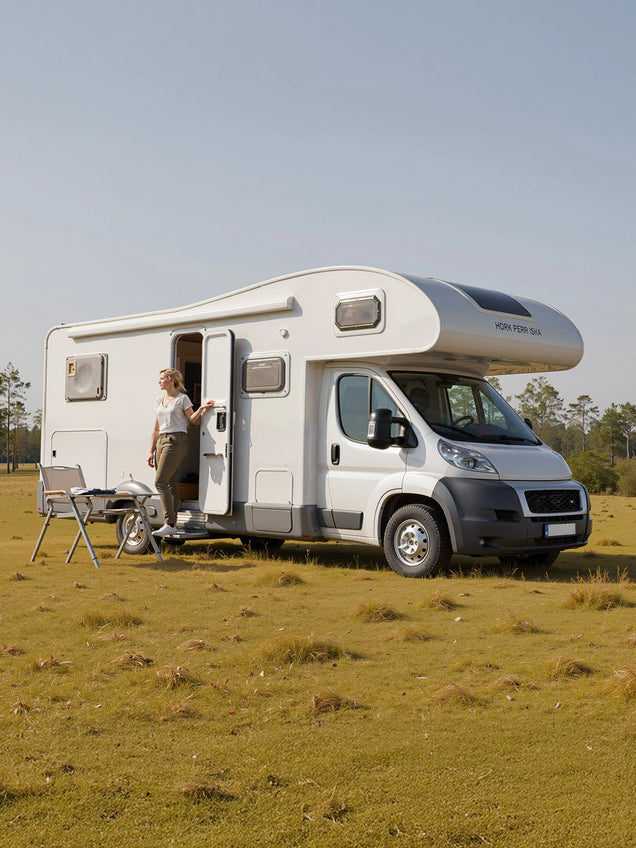
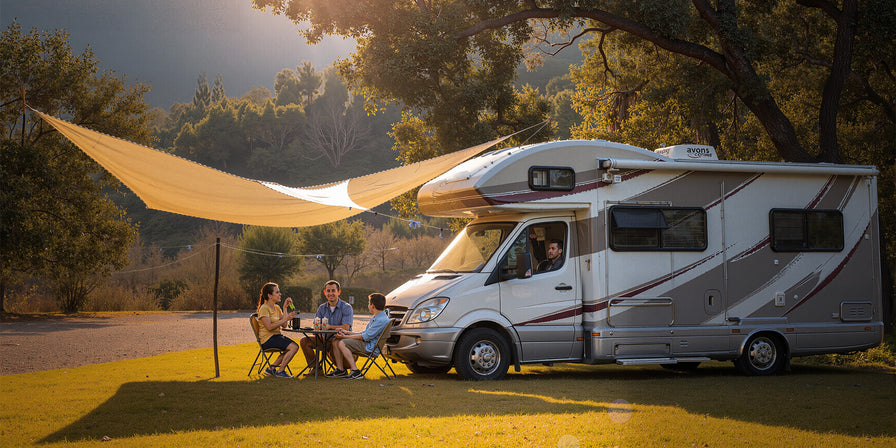
The dream of trading a white picket fence for a panoramic window has never been more popular. As we navigate 2026, the financial landscape of life on the road has shifted. While inflation and dynamic pricing at campgrounds have changed the math, RV living remains a viable, liberating alternative to traditional housing. Whether you are eyeing a minimalist van life or a luxury motorhome experience, understanding the true cost of this lifestyle is the first step toward a successful transition.
How Much Does Monthly RV Living Cost?
Estimating a monthly budget requires looking beyond just the "rent" of a campsite. In 2026, the average monthly cost for an RV lifestyle ranges from $2,500 to $4,500. This figure fluctuates based on how often you move and your level of comfort.
Fixed Monthly Expenses
Fixed costs are your non-negotiables. These stay relatively stable regardless of where you park.
- RV Loan Payment: If you didn't pay cash, expect to pay between $300 and $900 monthly.
- Insurance: A specialized full-timer’s policy, which includes liability similar to homeowners insurance, averages $150 to $300 per month.
- Connectivity: Reliable internet for remote work, often involving a combination of Starlink and cellular backups, costs around $150 to $200.
Variable Monthly Expenses
These are the "levers" you can pull to control your budget.
- Groceries and Dining: Expect to spend $600 to $1,000. While cooking in an RV kitchen is cheaper, the temptation of local eateries in new towns can add up quickly.
- Propane and Utilities: Even if water is included at a park, propane for heating and cooking typically runs $50 to $120 depending on the season.
- Laundry and Personal Care: Laundromats and household supplies generally account for $100 to $200.

How Much Does Full-Time RV Living Costs?
Full-time living involves "hidden" expenses that weekend warriors rarely encounter. To maintain this lifestyle long-term, you must account for the wear and tear of a home that experiences a localized earthquake every time it hits the highway.
Understanding the technical nuances of your power setup is essential; for instance, learning how a deep cycle RV battery functions as the "heart" of your coach can help you prevent costly electrical mishaps and extend the life of your appliances.
Annual Maintenance and Emergency Reserves
In 2026, experts recommend a maintenance reserve of $3,000 to $5,000 per year. RV systems like slide-outs, leveling jacks, and appliances are under constant stress. Setting aside $300 to $400 monthly ensures that a blown tire or a leaky roof sealant doesn't end your journey.
The Cost of Motion
Fuel is the most volatile part of a full-time budget. A Class A motorhome might only get 6 to 10 miles per gallon. If you travel 1,000 miles a month, your fuel bill could easily exceed $600. Slower travel—staying in one spot for weeks instead of days—is the most effective way to stabilize a full-time budget.
Comprehensive Cost Breakdown 2026
| Expense Category | Low-End (Minimalist) | Mid-Range (Comfortable) | High-End (Luxury) |
|---|---|---|---|
| Campsite Fees | $0 (Boondocking) | $800 - $1,200 | $2,000+ |
| Fuel & Propane | $150 | $400 | $800+ |
| Food & Groceries | $400 | $700 | $1,200 |
| Insurance | $125 | $200 | $400 |
| Maintenance Fund | $200 | $400 | $600 |
| Total Monthly | $875 | $2,500 | $5,000+ |
How Much Does Living in RV Park Cost
For many, "living in an RV" means finding a semi-permanent home in a managed park. This is often the most cost-effective way to live, as monthly rates are significantly lower than nightly or weekly stays.
Monthly vs. Nightly Rates
Nightly stays at quality parks in 2026 range from $60 to $100. However, signing a monthly contract can drop that daily average to $20 or $40. Most parks offer monthly rates between $600 and $1,500 depending on the region and amenities like pools, fitness centers, and high-speed Wi-Fi.
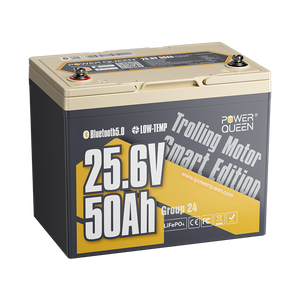
When signing a monthly lease, you must ensure your battery bank fits the physical constraints of your rig's compartment while providing enough backup for potential park power outages. Navigating the choice between Group 24, 27, and 31 battery sizes is a critical step in this process, as the wrong dimensions can lead to expensive modifications or insufficient energy storage.
Regional Price Variations
Location is the primary driver of park costs. In states like Arizona or Texas, you can find quality long-term spots for $700. In coastal California or Florida during the winter "snowbird" season, those same spots can jump to $1,800 or more.
Metered Utilities
A common content gap in many guides is the mention of metered electricity. When staying long-term, most parks do not include electricity in the monthly rate. You will likely pay the local residential rate plus a small park markup. In peak summer or winter months, running an RV air conditioner or electric heater can add $150 to $300 to your monthly park bill.
RV Living: How to Save Costs
Living in an RV doesn't have to be expensive if you are strategic. The most successful RVers use a combination of memberships and lifestyle choices to keep their bank accounts healthy.
Embrace Boondocking
Boondocking, or camping on public lands without hookups, is the ultimate way to save. The Bureau of Land Management (BLM) and National Forest lands offer millions of acres where you can stay for free or a very small permit fee. This eliminates your largest expense: campsite fees.
Membership Programs
Programs like Thousand Trails, Harvest Hosts, and Boondockers Welcome provide massive value. A Thousand Trails zone pass can allow you to stay at member parks for $0 out-of-pocket after the annual fee, potentially saving you over $10,000 a year in camping costs.
Slow Travel
The "2-2-2 rule" is a favorite among budget-conscious travelers: drive no more than 200 miles, arrive by 2:00 PM, and stay for at least 2 days. In 2026, extending that stay to 2 weeks or a month is the best way to capitalize on deep discounts and save hundreds on diesel or gasoline.
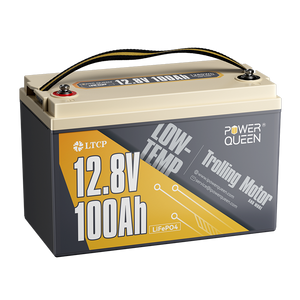
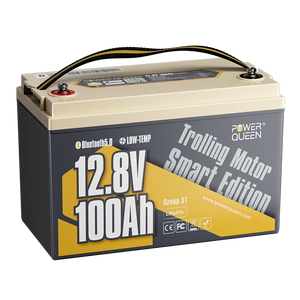
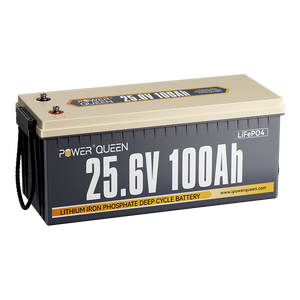
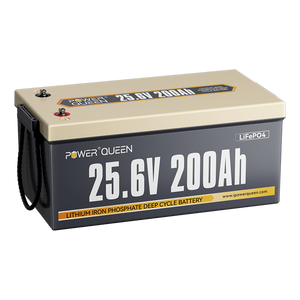
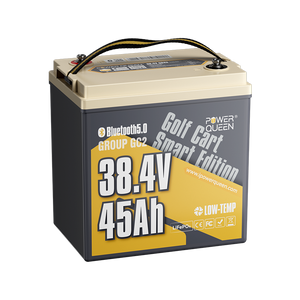
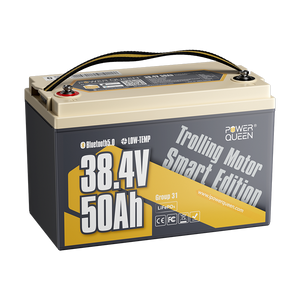
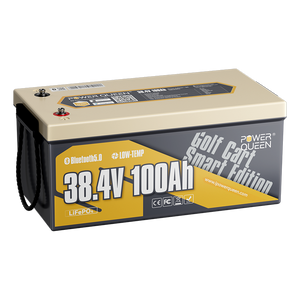
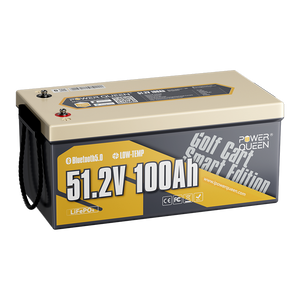
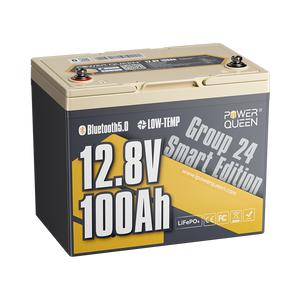
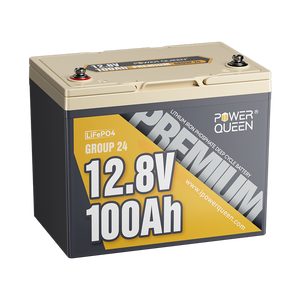
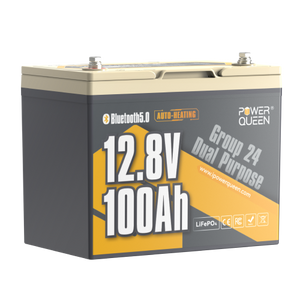
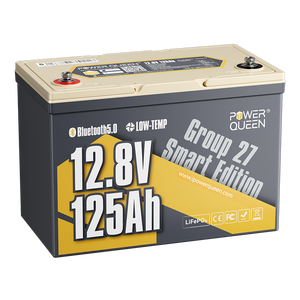
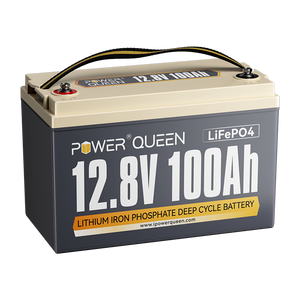
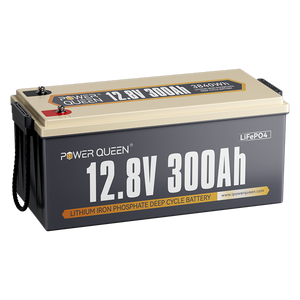
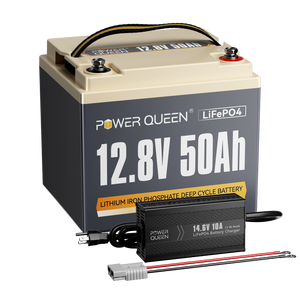
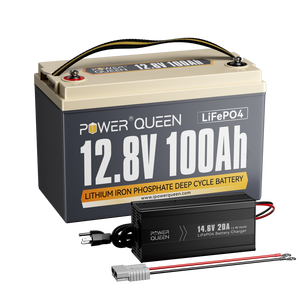
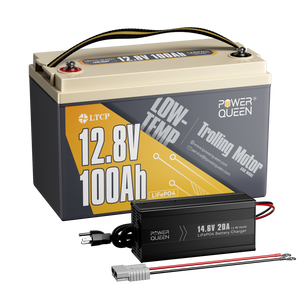
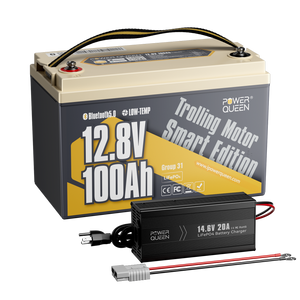
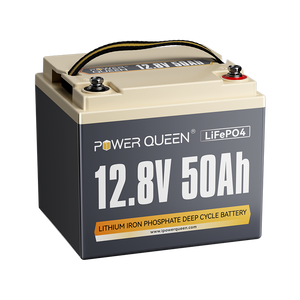
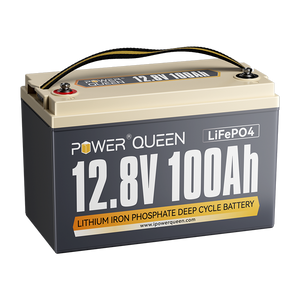
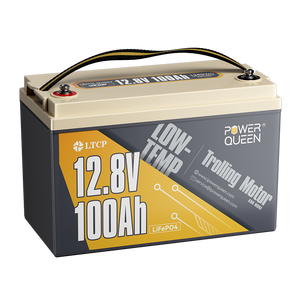
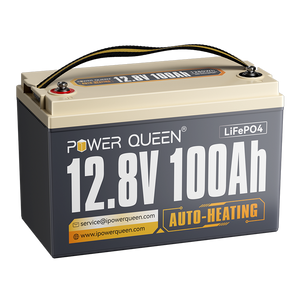
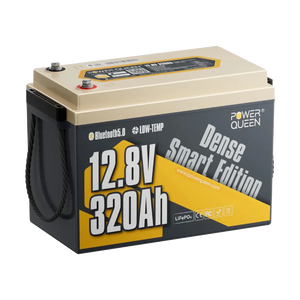
Power Queen Lithium Solar Battery for RV Living
One of the most effective ways to slash long-term costs is investing in a robust solar setup. In 2026, lithium technology has become the gold standard for off-grid freedom.
Lithium batteries last up to ten times longer than lead acid alternatives. They charge faster, weigh less, and deliver consistent power.Over time, this reduces replacement costs, fuel usage, and campground fees.
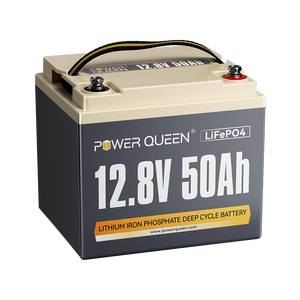
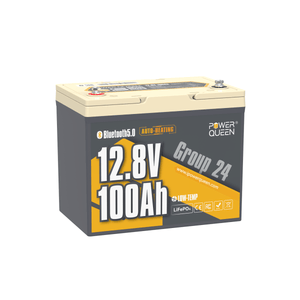
The Power Queen Lithium Solar Battery series is a standout choice for RVers looking to eliminate their reliance on expensive park hookups.
If you are interested in upgreding your battery to lithium, this guide will be helpful: How to Convert RV Batteries to Lithium (Step-by-Step Upgrade Guide).
Why Lithium Over Lead-Acid?
Traditional lead-acid batteries are heavy and only allow you to use 50% of their capacity. Power Queen’s LiFePO4 batteries allow for a 100% depth of discharge. This means a single 100Ah Power Queen battery provides double the usable energy of a lead-acid equivalent, while weighing 60% less.
💡 Read More: AGM vs Lithium Ion Backup Batteries: Why Some Systems Lose Power at 50%.
Long-Term ROI
While the upfront cost of a lithium battery is higher, the lifespan is incomparable. A Power Queen battery is rated for 4,000 to 15,000 cycles. Over a ten-year period, you would replace lead-acid batteries three or four times, making the lithium investment significantly cheaper in the long run.
Power Queen Battery Cost Value Example
Assumes a complete battery bank, not a single battery.
| Expense Category | Lead Acid Setup (Traditional) | Power Queen Lithium (Mid-Range) | Power Queen High-End (Premium) |
|---|---|---|---|
| Initial Investment | $1,500 | $2,000 | $2,800 |
| Replacement Cost (5 Years) | $3,000 (2-3 Replacements) | $0 | $0 |
| Maintenance & Fuel Loss | High | Minimal | Zero |
| Five Year Cost | $4,500 | $2,000 | $2,800 |

More choices you'll love: Best Battery for RV Living (2026 Buyer’s Guide).
Achieving Energy Independence
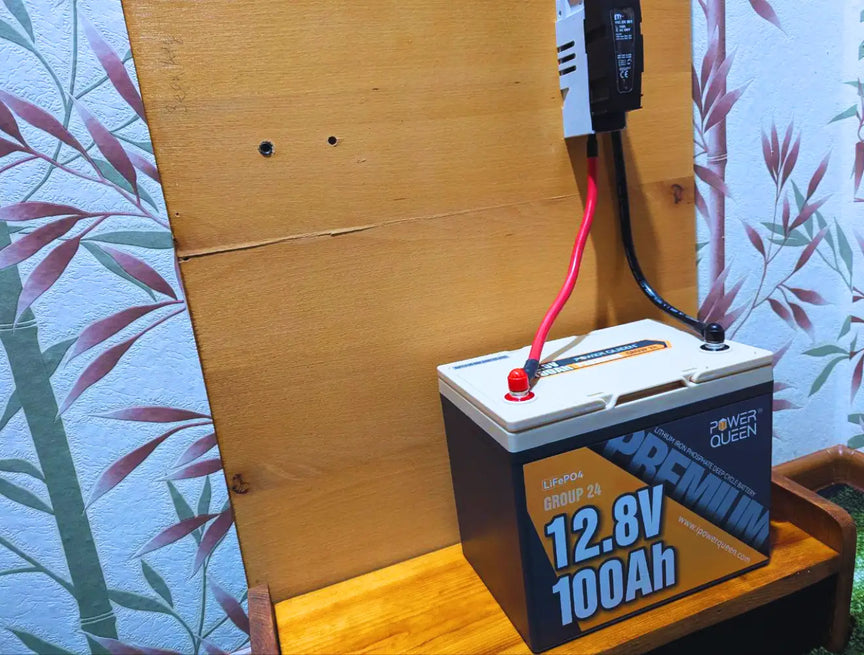
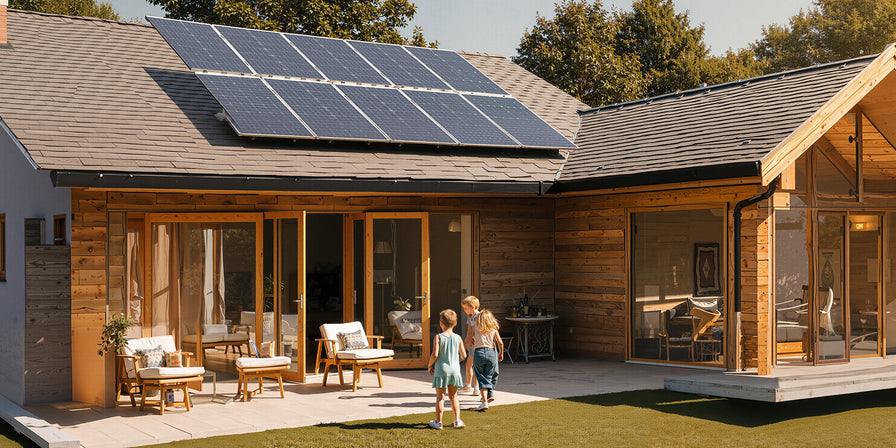
By upgrading your RV’s house battery bank to Power Queen LiFePO4 batteries, you gain a high-density energy reservoir that seamlessly integrates with your solar array. This robust system provides the sustained power required to run your refrigerator, lighting, and essential kitchen appliances—giving you the freedom to boondock indefinitely.
Power Queen batteries offer a 100% depth of discharge and a 10-year lifespan, making them significantly cheaper than lead-acid alternatives over time. Real-life success stories, such as Ruby M. & Matt D. Smith's RV journey, demonstrate how a robust lithium setup allows an RV to function as a fully independent power station.
By bypassing expensive shore power and campground hookups, this lithium investment typically pays for itself within the first six months of full-time travel.

Frequently Asked Questions
Is it cheaper to live in an RV than an apartment?
In most cases, yes. While the cost of the RV itself can be high, the lack of property taxes, lower utility bills, and the ability to choose "free" parking via boondocking makes it more affordable than renting in major U.S. cities.
Do RV parks include Wi-Fi in the monthly cost?
Most parks offer "basic" Wi-Fi for free, but it is rarely strong enough for remote work or streaming. High-speed tiers usually come with an extra fee, which is why many full-timers prefer their own Starlink setup.
What is the biggest hidden cost of RV living?
Depreciation and emergency repairs. Unlike a house, an RV is a depreciating asset. Furthermore, a major mechanical failure like a transmission or a specialized RV refrigerator replacement can cost thousands of dollars unexpectedly.
Can I live in an RV in the winter?
Yes, but it increases your costs. You will spend significantly more on propane for heating and may need to invest in "skirting" and heated water hoses to prevent pipes from freezing, which can cost an initial $500 to $1,000.
Conclusion
RV living in 2026 is an exercise in intentionality. It offers a unique way to control your cost of living by choosing where and how you stay. By investing in quality components like Power Queen Lithium batteries and embracing a slower pace of travel, you can reduce your overhead while increasing your freedom. While the road has its challenges, the financial and personal rewards of a mobile lifestyle continue to outweigh the costs for those willing to plan ahead.