


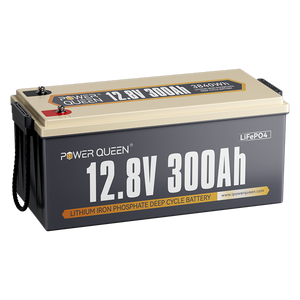
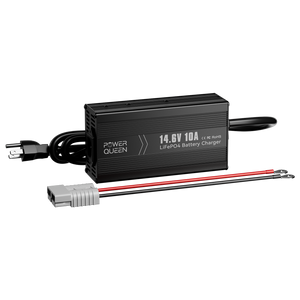
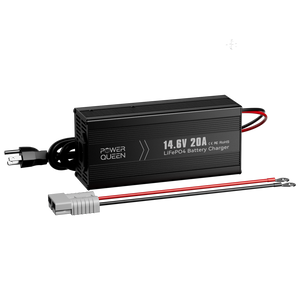
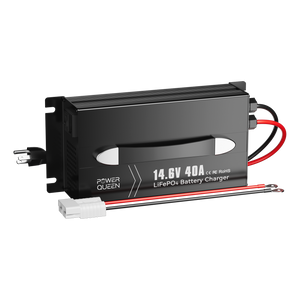

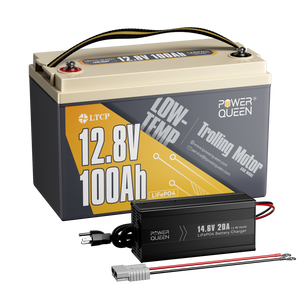
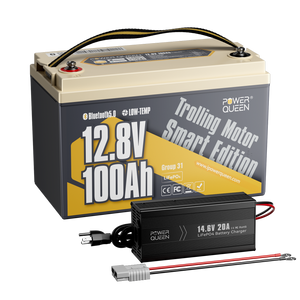
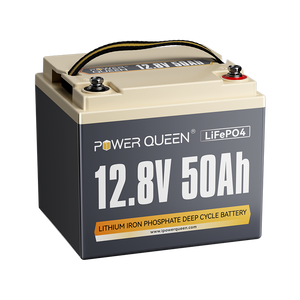
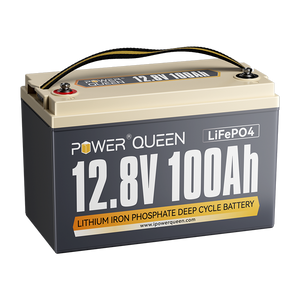








LiFePO4 Battery Charger
All Products
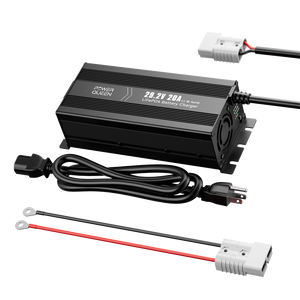
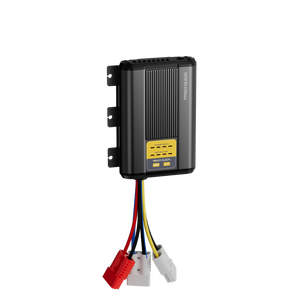
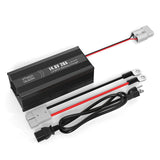
Upgrade your setup with the best in LiFePO4 charging. From on-the-road DC-DC chargers to plug-in Lithium battery chargers, we deliver the precision you deserve. Our 12V, 24V, 36V, and 48V LiFePO4 battery charger solutions fit any RV, marine, or off-grid life perfectly. Protect your investment and go further.
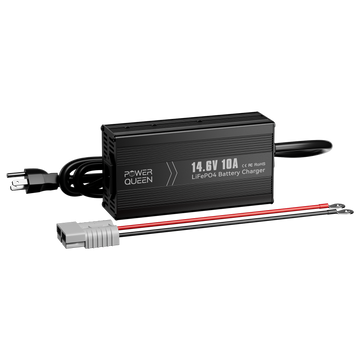
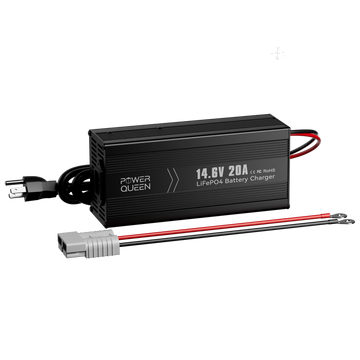
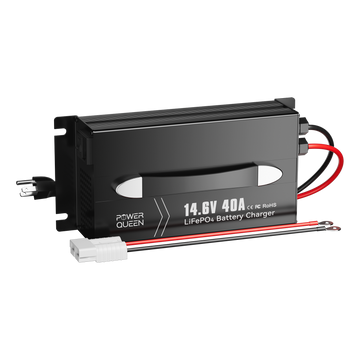
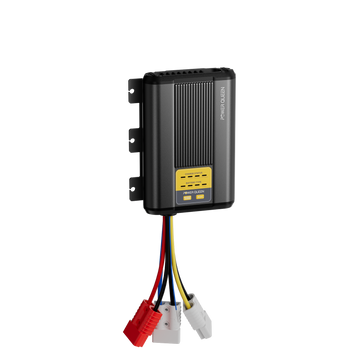
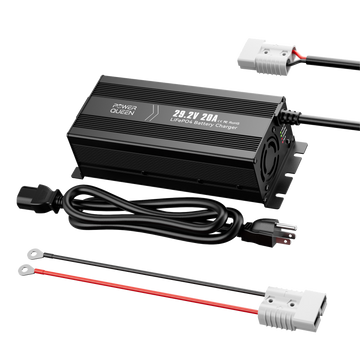
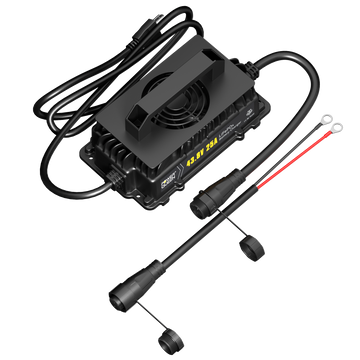
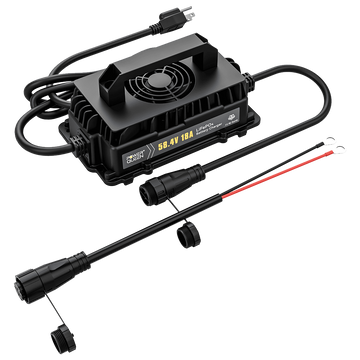
Why Choose Power Queen's LiFePO4 Battery Charger?
2-Year Warranty
Enjoy peace of mind with our 2-year warranty on every Power Queen LiFePO4 battery charger, ensuring lasting performance.
Fast & Efficient
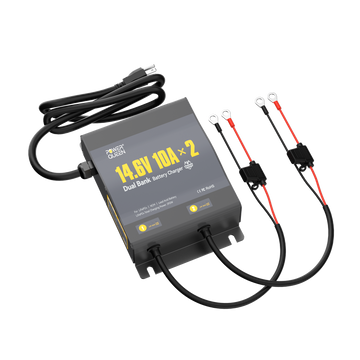
Power Queen LiFePO4 battery charger features a 3-stage charging function that automatically identifies battery voltage and adjusts the charging mode for fast, efficient power delivery.
100% Safe & Reliable
Power Queen LiFePO4 battery charger can protect the battery from over-charging, over-voltage, and over-temp, and it has BMS protection for LiFePO4 batteries.
Space-Saving
Small, light, and exquisite, the Power Queen LiFePO4 Battery charger has a compact design.




5000+real user reviews
30-Day Free Returns
2-Year Warranty
Fast & Free Shipping
Customer Testimonials
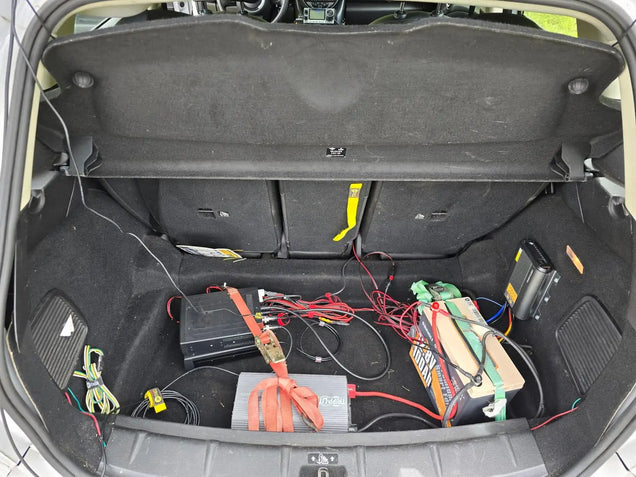
This is the best setup I could have added for remote usable power un my car. I run ham radios and often need remote power that lasts a while. I am hooked up to my radios ans have a 1000w inverter connected as well. This setup allows me all day and night of operation. And with the dc to dc charger if I am running low I can start the car and the battery is recharged pretty quickly. The quality of the batery ans charger from Power Queen is great! I was a little skeptical when ordering because the cost was so low, but the cost is why I chose them. And they don't disappoint. The instructions are very well laid out and the ease of hookup was incredible. Anyway, I recommend this company and their products. They sure do make great components at a great price.
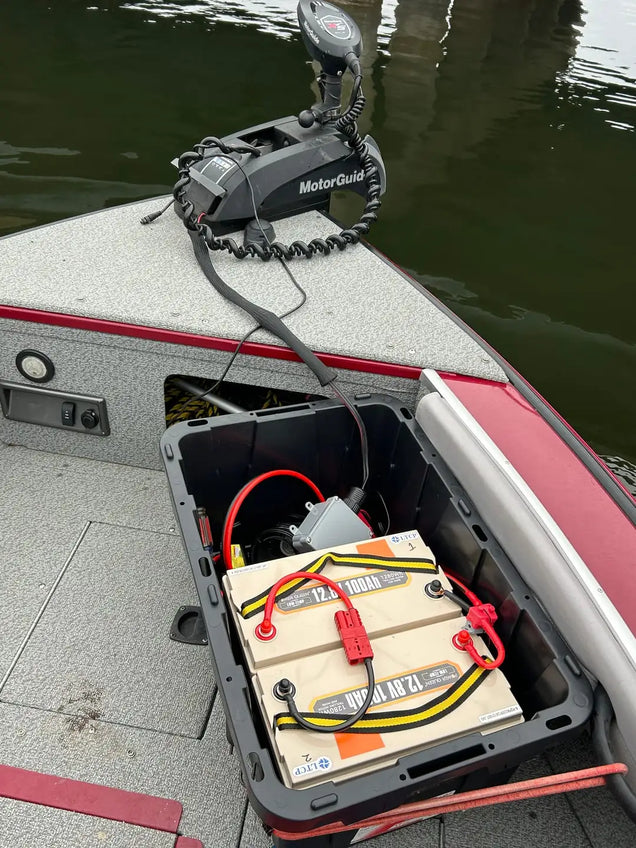
I encountered a small setup issue with the 14.6V 10A LifePO4 battery charger, but customer service was on top of it. It’s now working flawlessly and charging my batteries in record time. Reliable product and even better support! 👍
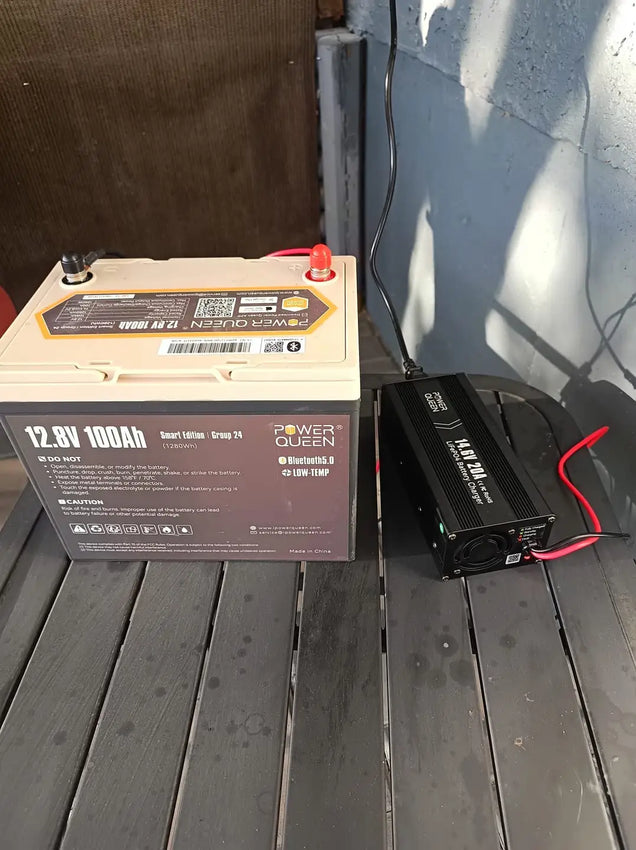
Charges the battery quickly.Only complaint is the fan runs continuously so unless you can charge somewhere away from where you are it's a bit noisy.
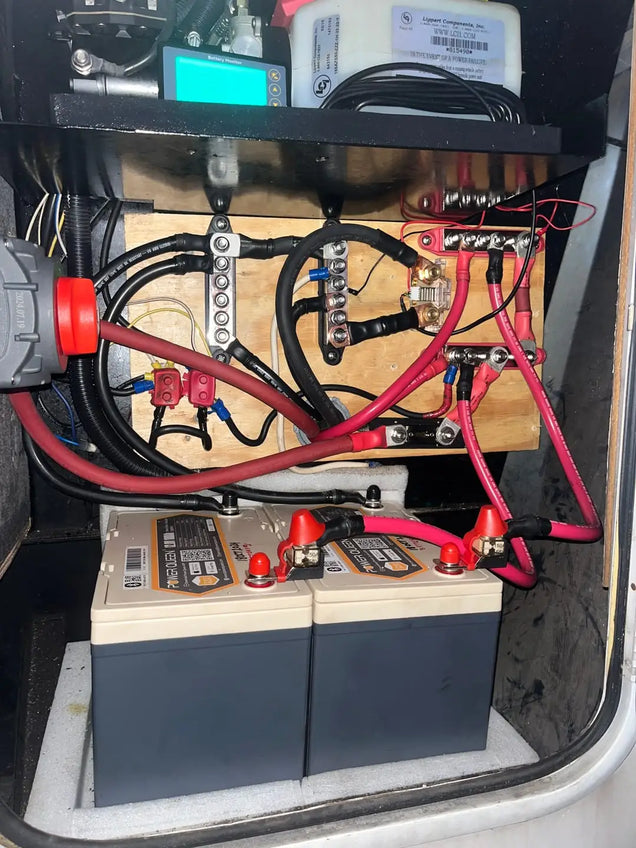
I purchased the charger to remain proprietary with all components of the battery system. The LiFePO4 Battery Charger worked perfectly.

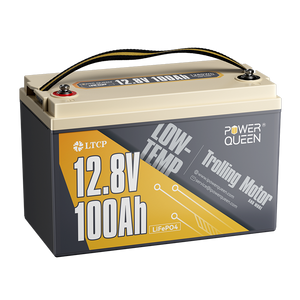
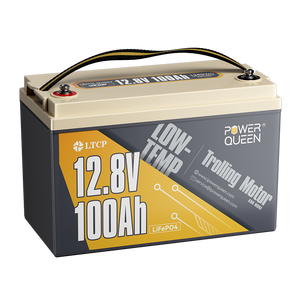
Won the 12.8v 100AH Power Queen Low temp Trolling motor from a Kayak Tournament. Needless to say I put it to good use on my Musky fishing kayak. I contacted Power Queen with a question on charging options for this battery. Super quick response with a link to the specific charger. I placed my order,. Shipping was quick. The charger is well built and easy to use. Thanks Power Queen.
Technical Benefits & FAQs
What is the difference between a Lithium Battery Charger (AC-DC Lithium Chargers) and a DC-DC Charger?
The primary difference lies in the power source.
- Lithium Battery Chargers (AC-DC chargers commonly referred to as "wall chargers") plug into a standard AC grid outlet (110V/220V). They are ideal for home use, workshops, or campsites with shore power.
- DC-DC Chargers (on-board chargers) are designed to charge your LiFePO4 battery using the DC output from a vehicle's alternator or a starter battery. These are essential for RVs, boats, and off-grid builds where you need to charge while driving.
Can I use lead-acid battery charger to charge lithium batteries?
Lithium battery chargers typically use a CC/CV (Constant Current / Constant Voltage) charging profile. The charger provides constant current until the battery reaches its target voltage, then holds the voltage while the current gradually tapers off. This helps charge lithium batteries efficiently while avoiding overcharge.
Lead-acid battery chargers are designed for different voltage targets and charging stages (such as bulk/absorption/float). Using a lead-acid charger to charge lithium batteries may result in incomplete charging, BMS protection shut-off, or in some cases battery damage or reduced lifespan.
For best performance and safety, it is recommended to use a professional lithium battery charger (especially a dedicated LiFePO4 charger for LiFePO4 batteries).
For further information, see the article Can I Charge a LiFePO4 Battery with a Lead Acid Charger?
Is it OK to charge LiFePO4 to 100%?
Yes, Power Queen LiFePO4 batteries may be recharged to 100%. Unlike other lithium battery chemistries, LiFePO4 batteries are engineered to withstand complete charges without severe harm. However, for maximum longevity, it is frequently recommended to keep the battery's SOC between 20% and 80% during normal operation.
Is it OK to leave a LiFePO4 battery on the charger?
Although it is generally safe to leave a LiFePO4 battery on the charger because both the charger and the battery have built-in BMS to prevent overcharging, it is nevertheless advised that you monitor the charging process.
Do Power Queen LiFePO4 battery chargers have protection?
Yes. Power Queen LiFePO4 lithium battery chargers have a BMS to protect the battery from overheating, reverse polarity, short circuiting, and overvoltage.
Furthermore, Power Queen LiFePO4 Lithium battery chargers support 0V, allowing you to jump start dead lithium batteries.
Can I skip the DC-DC charger and connect my lithium battery directly to the alternator while driving?
It is strongly discouraged. Doing so poses two primary risks to your vehicle and your battery system:
- Alternator Damage: LiFePO4 batteries have extremely low internal resistance, allowing them to draw massive amounts of current almost instantaneously. This high demand can easily overload and burn out your vehicle’s alternator, which was not designed to handle such a continuous, heavy load.
- Incomplete Charging: Modern "smart" alternators often reduce their voltage output once the starter battery is topped off. This lower voltage is insufficient to fully saturate a LiFePO4 battery, which requires a constant 14.4V - 14.6V to reach a 100% state of charge.