

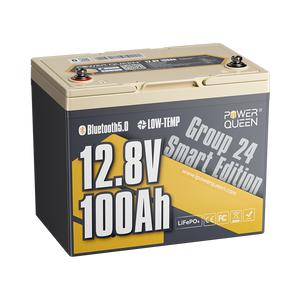
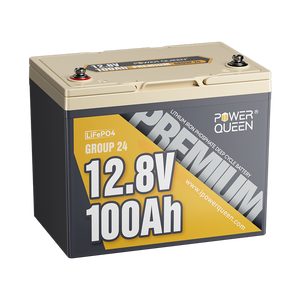
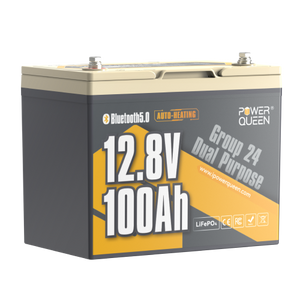
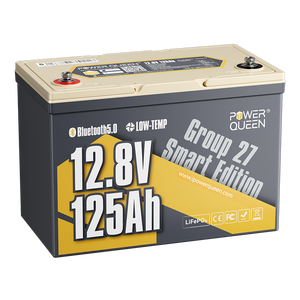
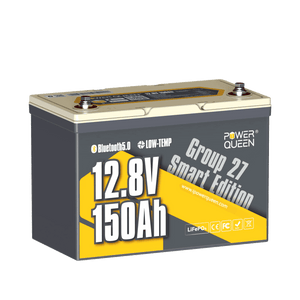
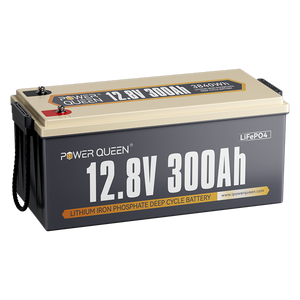
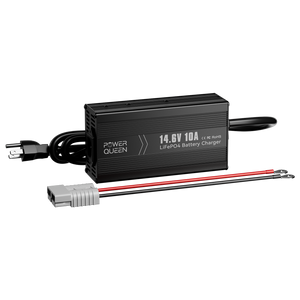
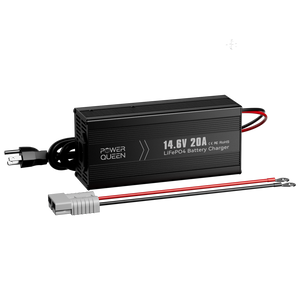

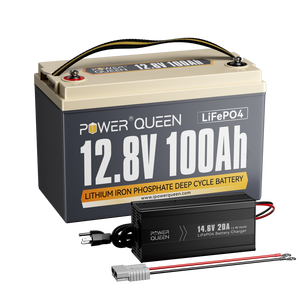
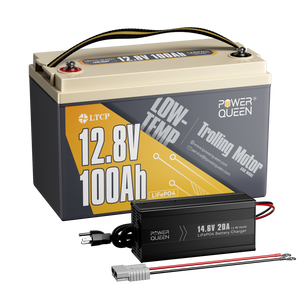
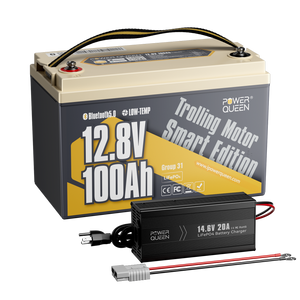
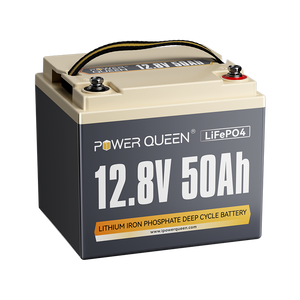







AGM vs Lithium Ion Backup Batteries: Why Some Systems Lose Power at 50%
Lithium ion backup batteries are replacing AGM systems because they deliver more usable power during real outages. Across the United States, winter storms and grid stress are making winter power outages longer and harder to predict. During an energy emergency, many homeowners learn that AGM backup batteries can shut down when the display still shows about 50%, while lithium ion backup batteries keep supplying stable power.
How Lithium Ion Backup Batteries and AGM Backup Batteries Deliver Power
Lithium ion backup batteries deliver steadier usable power than AGM backup batteries because they hold voltage under load. That single difference explains most performance gaps during winter storm power outages.
How AGM Backup Batteries Deliver Power
AGM backup batteries lose voltage steadily as they discharge, which reduces usable energy under real household loads. When a furnace blower or refrigerator compressor starts, the surge current pulls voltage down and can force the inverter to shut off early.
How Lithium Ion Backup Batteries Deliver Power
Lithium ion backup batteries maintain near constant voltage until they are almost empty, so the inverter stays online longer. That means more predictable runtime for heating, refrigeration, and communication during a winter power outage.
💡 Read More: [Full Guide] How Long Do Lithium Batteries Last?

Why AGM Backup Batteries Lose Power Around 50%
AGM backup batteries often shut down around 50% because the system reaches voltage limits before the battery is truly empty. This is a chemistry and voltage behavior issue that becomes worse in cold weather and during high demand.
Voltage Drop Causes Early Shutdown
AGM backup batteries experience sharp voltage sag when high demand appliances start, which can trip inverter low voltage cutoffs. Even if stored energy remains, the system shuts down to protect connected devices.
Limited Usable Depth of Discharge
AGM backup batteries are typically limited to about 50% depth of discharge to protect lifespan, so a large portion of labeled capacity is not intended to be used routinely. In an energy emergency, that design reality shows up as shorter real world runtime.
Cold Weather Reduces AGM Capacity Further
Cold weather can cut AGM performance dramatically, shortening runtime during winter storm power outages. The U.S. Department of Energy notes that lead acid batteries can lose substantial usable capacity at freezing temperatures, which compounds voltage sag and early shutdown behavior described above. See the U.S. Department of Energy overview of batteries and energy storage.
Why Battery Percentage Is Misleading With AGM Backup Batteries
Battery percentage does not reliably equal remaining runtime for AGM backup batteries because voltage drop triggers shutdown before the chemical energy is fully accessible. Lithium ion backup batteries reduce this confusion by keeping voltage stable and aligning the displayed state of charge with usable energy, which lowers stress during a winter power outage.
Why Lithium Ion Backup Batteries Perform Better in Winter Power Outages
Lithium ion backup batteries perform better in winter power outages because they deliver stable voltage, deeper usable capacity, and built in protection. These strengths directly address the most common reasons AGM systems shut down early.
Stable Voltage Output Protects Appliances
Lithium ion backup batteries provide a flatter voltage curve, helping furnaces, medical devices, and electronics run normally until the battery is nearly depleted. This reduces nuisance shutdowns when loads surge.
Deeper Usable Capacity Extends Runtime
Lithium ion backup batteries typically support 80 to 95% depth of discharge without the same lifespan penalty seen in AGM systems. In practice, this means a lithium system often delivers substantially more usable runtime than an AGM system with the same rated capacity during an energy emergency.
Battery Management Systems Improve Reliability
Lithium ion backup batteries include a battery management system that balances cells, prevents over discharge, and monitors safety limits automatically. That control helps maintain consistent performance during changing household loads throughout a winter storm power outage.

Lithium Ion Backup Batteries vs AGM Backup Batteries in Real Use
Lithium ion backup batteries outperform AGM backup batteries across the metrics that matter most during backup events. The comparison below summarizes the practical differences homeowners feel during winter power outages.
| Performance Factor | AGM Backup Batteries | Lithium Ion Backup Batteries |
|---|---|---|
| Usable Capacity | About 50 to 60 percent | 80 to 95 percent |
| Voltage Stability | Drops steadily under load | Stays stable until near empty |
| Cold Weather Impact | Large capacity loss and more shutdown risk | Better discharge performance and steadier output |
| Cycle Life | Often hundreds of cycles | Often thousands of cycles |
| Weight and Size | Heavier and bulkier | Lighter and more compact |
For cycle life and performance context, see the National Renewable Energy Laboratory report on battery performance and degradation.
💡 More comparison in real use: AGM vs. Lithium Batteries: Which Is Better for RVs and Marine Use?
![⚡[Final $459]⚡Power Queen 12V 300Ah Deep Cycle Lithium Battery - Power Queen US](https://cdn.shopify.com/s/files/1/0550/9971/9725/files/2_53d33895-8bb5-42b1-9e4e-2c93747c2feb_480x480.jpg?v=1765509221)
Lithium Ion Backup Batteries in U.S. Winter Storm Power Outages
Lithium ion backup batteries tend to be more reliable in real U.S. winter storm power outages because voltage stability and usable capacity hold up under stress. These scenarios show why lithium is often preferred for energy emergency planning.
Texas Winter Storm Power Outages
Texas winter storm outages often require backup power for furnace blowers, lighting, and phone charging. Lithium ion backup batteries typically provide longer continuous runtime than AGM systems when loads surge and temperatures drop.
Northeast Ice Storm Outages and Medical Needs
Northeast ice storms can interrupt power for extended periods, making overnight reliability important for CPAP use and refrigeration. Lithium systems are better suited to these demands because output remains stable instead of sagging as the battery drains.
For homeowners planning winter emergency power, the question isn’t just whether lithium performs better — it’s which backup batteries are actually built for cold-weather outages.
In Top Backup Batteries for Winter Power Outages in Cold Weather, we compare leading backup battery options based on cold-temperature performance, surge handling, usable capacity, and built-in low-temperature protections. Instead of focusing on rated specs alone, the guide highlights how different systems behave during real winter outages — helping readers narrow down reliable choices for home backup, medical devices, and extended overnight use when grid power is unavailable.

Lithium Ion Backup Batteries: Cost, Safety, and Environmental Impact
Lithium ion backup batteries usually provide better long term value and safer indoor use than AGM backup batteries. These factors often matter just as much as runtime during a winter power outage.
Long Term Cost and Reliability of Lithium Ion Backup Batteries
Lithium ion backup batteries typically cost more upfront but last longer and deliver more usable energy per cycle. Over the life of the system, that combination often reduces replacement frequency and improves reliability during repeated winter storm power outages.
Environmental and Safety Benefits of Lithium Ion Backup Batteries
Lithium ion backup batteries are efficient and sealed, reducing wasted energy and eliminating normal operating fumes. For general consumer safety guidance on household batteries and safe handling, reference the U.S. Consumer Product Safety Commission battery safety guide.
FAQs About Lithium Ion Backup Batteries
Most lithium ion backup battery questions come down to cold weather, compatibility, and upkeep. These answers cover what U.S. homeowners typically need to know before upgrading from AGM.
Are Lithium Ion Backup Batteries Suitable for Cold Climates
Yes, lithium ion backup batteries are suitable for cold climates because discharge performance remains strong even when temperatures drop. While charging may be limited below freezing depending on the battery and its protections, lithium systems can still provide reliable output during winter storm power outages when continuous power matters most.
Can Lithium Ion Backup Batteries Replace AGM Systems
Yes, lithium ion backup batteries can often replace AGM systems because many products are designed as drop in alternatives. Compatibility still matters, so the inverter and charger should support the correct lithium charging profile to ensure safe operation and full performance.
Do Lithium Ion Backup Batteries Require Maintenance
No, lithium ion backup batteries are largely maintenance free because built in battery management systems handle cell balancing and protection automatically. This reduces hands on monitoring compared with AGM backup batteries, which are more sensitive to charging quality over time.
Why Lithium Ion Backup Batteries Are the Smarter Choice
Lithium ion backup batteries are the smarter choice because they deliver stable voltage, deeper usable capacity, and clearer performance during an energy emergency. AGM backup batteries often appear to fail at 50% because voltage sag and cold weather limit access to remaining energy. As winter power outages become more common, lithium technology offers longer runtime, fewer surprise shutdowns, and more confidence when power matters most.