








AGM vs Lithium RV Batteries: Which Is Better?
Choosing between an AGM RV battery and a lithium RV battery is the most significant decision you will make for your rig’s electrical system. For the modern traveler, a lithium battery is almost always the better choice because it offers double the usable power and a lifespan that can last over a decade. While the upfront cost of an AGM RV battery is lower, it requires more frequent replacements and adds significant weight to your vehicle.
This guide compares AGM vs lithium technology to help you decide which power source fits your travel style and your budget.
Main Differences Between AGM Versus Lithium Batteries
Lithium batteries function as high-efficiency energy storage systems, whereas AGM batteries rely on older, heavier lead-acid chemistry. An AGM RV battery uses fiberglass mats to trap electrolytes between lead plates, making it a spill-proof but heavy “dumb” battery.
In contrast, a lithium RV battery utilizes lithium iron phosphate (LiFePO4) cells managed by a digital Battery Management System (BMS). This allows lithium to be much lighter and more efficient at delivering high amounts of power to appliances like microwaves or air conditioners.
💡 For a deeper look into this transition, see Deep Cycle Redefined: Why Lithium is the Modern Alternative to Lead Acid.
Understanding the Standard AGM RV Battery
The AGM RV battery is a reliable, entry-level power source that is perfect for campers who primarily stay at parks with electrical hookups. Because this technology has been the industry standard for decades, these batteries are affordable and can be found at any local auto parts store.
They are maintenance-free, meaning you never have to add water, and they are rugged enough to handle vibrations on washboard roads. However, their reliance on heavy lead plates means they provide less energy per pound than modern alternatives.
Understanding the Modern Lithium RV Battery
A lithium RV battery is a premium, lightweight power solution designed specifically for heavy off-grid use and solar integration. These batteries are roughly 60% lighter than AGM units, which is a massive benefit for weight-sensitive vehicles like camper vans or small travel trailers.
According to safety data from the U.S. Department of Transportation, the LiFePO4 chemistry used in RVs is incredibly stable and does not pose the fire risks associated with older lithium-ion phone batteries. Their internal electronics automatically protect the cells from damage, making them a “set-it-and-forget-it” solution for long-term travelers.
Comparing Performance Of AGM Versus Lithium Systems
Lithium batteries maintain a steady voltage throughout their entire discharge cycle, while AGM batteries lose voltage as they get weaker. This means your lights stay bright and your electronics run efficiently until a lithium battery is nearly empty. A major performance gap is the Peukert effect—a scientific rule where drawing high current (like running a blender) actually reduces the total capacity of a lead-acid battery. Lithium batteries are virtually unaffected by this, providing their full rated power regardless of the load.
To see how these systems perform in real life, check out 👉 Ruby M. & Matt D. Smith's RV – A Powerful Power Station.
Usable Power and Depth of Discharge Limits
A lithium RV battery provides nearly 100% of its rated capacity, whereas an AGM RV battery should only be discharged to 50%. If you drain an AGM battery past the halfway mark, you cause permanent chemical damage to the lead plates, significantly shortening its life.
- AGM Capacity: A 100Ah battery only gives you 50 usable amp-hours.
- Lithium Capacity: A 100Ah battery gives you 90–100 usable amp-hours.
- Boondocking Insight: Understanding these limits is key to off-grid success; learn more at How Long Can an RV Battery Last While Boondocking?
Total Weight and Charging Speed Differences
Lithium batteries charge up to four times faster than AGM batteries because they have much lower internal resistance. In an American boondocking scenario—such as camping in a national forest—your solar panels only have a few hours of peak sunlight to refill your bank. Lithium captures almost every watt available, while AGM batteries slow down their charging speed significantly once they reach 80% full.
- Weight: A 100Ah AGM battery weighs about 65–70 lbs, while a lithium version weighs only 25–30 lbs.
- Efficiency: Lithium is roughly 98% efficient in charging, compared to 80–85% for AGM.
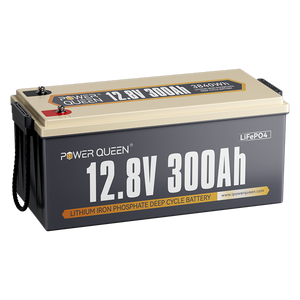
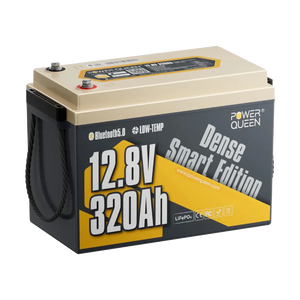
Recommended Battery for Serious Boondocking: Power Queen 12V 300Ah
If you want longer runtime without constantly worrying about battery drain, upgrading to a higher-capacity lithium option makes a huge difference. The Power Queen 12V 300Ah LiFePO4 battery is an excellent choice for RVers running larger inverter systems, refrigerators, CPAP machines, or even air conditioners with the right setup.
With significantly more usable energy than AGM, a 300Ah lithium battery can often replace multiple smaller lead-acid batteries while delivering more consistent power output.


Real-World Costs of AGM Versus Lithium Options
Lithium batteries are the most cost-effective option over the life of the vehicle despite their higher initial price tag. While a single AGM RV battery is much cheaper today, you will likely replace it three or four times over the next decade. Research from the U.S. Energy Information Administration shows that while lithium prices have fluctuated, their long-term value has consistently improved as the technology scales. When you calculate the “cost per cycle,” lithium is often less than half the price of AGM.
Initial Price Comparison and Long-Term Value
An AGM RV battery costs between $200 and $300, while a high-quality lithium RV battery starts at $700 and can go over $1,000. For a casual “weekend warrior” who only camps twice a year, the lower entry price of AGM makes perfect sense. However, for full-time travelers or solar enthusiasts, the investment in lithium pays for itself within the first few years. Because you need fewer lithium batteries to get the same amount of power, the price difference in a full system upgrade is often smaller than it appears on paper.
Total Lifespan and Expected Cycles
A lithium RV battery can last for 10 to 15 years of daily use, while an AGM battery typically wears out in 3 to 5 years. This longevity is measured in “cycles” (one full drain and recharge).
- AGM Lifespan: Typically provides 300 to 500 cycles at a 50% discharge rate.
- Lithium Lifespan: Typically provides 3,000 to 5,000 cycles at an 80% discharge rate.
- Deep Dive: For a full comparison on longevity, visit How Long Do RV Batteries Last? Complete Guide for Lead-Acid & Lithium.
A Long-Term Investment for Full-Time RV Living
If you plan to travel often or live on the road, battery lifespan becomes just as important as capacity. A premium lithium option like the Power Queen 12V 300Ah LiFePO4 battery is designed for long-term reliability, offering thousands of charge cycles and stable voltage performance for demanding off-grid use.
Instead of replacing AGM batteries every few years, investing in a high-quality lithium system can deliver dependable power for a decade or more—making it one of the smartest upgrades for serious RVers.
💡More choices you'll love: Best Battery for RV Living (2026 Buyer’s Guide).

Temperature and Safety for AGM Versus Lithium
Safety is built into the core of lithium batteries through an integrated Battery Management Systems (BMS). that AGM batteries lack. This internal computer monitors for short circuits, overcharging, and extreme heat, automatically shutting the battery down if a danger is detected. While an AGM RV battery is a “dumb” component that can be charged in freezing weather more easily, it has no internal protection against being over-discharged or overheating, which can lead to off-gassing or melting.
Cold Weather Performance and Winter Storage
Lithium batteries cannot be charged when their internal temperature is below 32°F (0°C), though they can still be used to power your heater. If you plan on winter camping in places like Colorado or Montana, you must buy a lithium battery with a “self-heating” feature or install them inside the heated living area of your RV. AGM batteries can technically be charged in the cold, but their capacity drops significantly, and they charge very slowly. If your setup isn't performing correctly, refer to RV Battery Not Charging? Solutions to Solve!
Technical Comparison: AGM vs. Lithium
| Feature | AGM RV Battery | Lithium (LiFePO4) RV Battery |
|---|---|---|
| Usable Capacity | 50% | 90% – 100% |
| Weight (per 100Ah) | ~65 lbs | ~28 lbs |
| Charging Time | 6 – 10 Hours | 1 – 3 Hours |
| Lifespan (Cycles) | 300 – 500 | 3,000 – 5,000 |
| Voltage Stability | Drops steadily | Stays flat |
| Safety Features | None internal | Built-in BMS |
| Upfront Cost | Low ($) | High ($$$) |
Installation Requirements: Sizing and Replacement
Switching your power bank requires careful planning regarding physical space and electrical capacity. Many RV battery boxes are designed for specific “Group” sizes. Before purchasing, it is essential to check an RV Battery Size Chart Guide: Group 24 vs 27 vs 31 to ensure your new lithium units will fit. Once you have selected the right size, you can follow The Ultimate Guide to Replace RV Battery for a safe and successful installation.
Explore More RV Lithium Battery Options
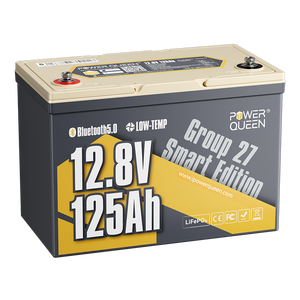
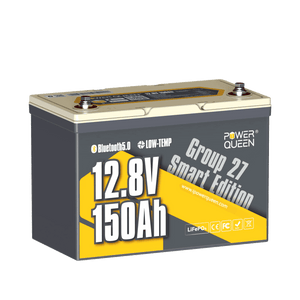
Every RV setup is different. Some travelers only need a lightweight 100Ah battery for weekend trips, while others require 200Ah or 300Ah systems for solar-heavy boondocking and full-time living.
To find the best match for your power needs and budget, browse the full lineup here👉RV Lithium Battery Collection .

Frequently Asked Questions About RV Batteries
Many owners have specific concerns when upgrading from lead-acid to newer technology. Here are the most common questions from the RV community.
Can I Use My Original Charger With Lithium?
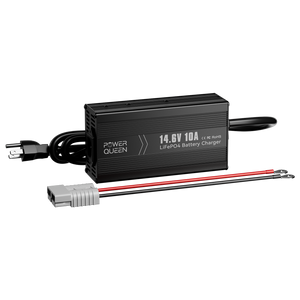
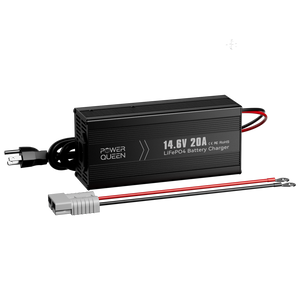
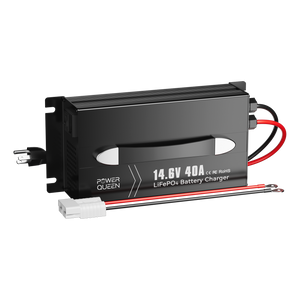
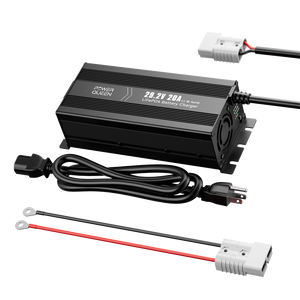
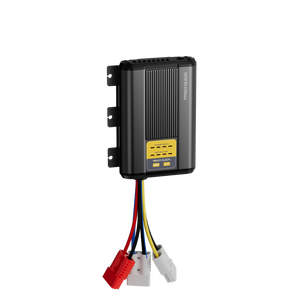
You can use a standard charger with a lithium battery, but it will likely only charge it to 80% or 90% capacity. Most older RV converters are designed for the lower voltage requirements of lead-acid batteries and lack the “bulk” stage needed to fully top off a lithium RV battery. To get the best performance and ensure the longest life for your investment, it is highly recommended to upgrade to a lithium-compatible charger or a DC-to-DC charger for your alternator.
Is the Price of Lithium Really Worth It?
The price of lithium is worth it for any traveler who values weight savings, fast charging, and off-grid independence. If you enjoy the silence of boondocking in national forests without a noisy generator, lithium is the only way to achieve that freedom. According to technical standards from the National Renewable Energy Laboratory, the efficiency of lithium systems makes them the gold standard for renewable energy storage in mobile environments.
Final Selection Guide for Your RV Battery Bank
Your final choice depends on your travel frequency and how often you rely on your batteries without being plugged in. If you are on a tight budget and only take a few trips a year to local state parks, a high-quality AGM RV battery will serve you well for several seasons. However, if you are building a solar-powered rig, looking to shed weight, or planning to live on the road, a lithium RV battery is the single best upgrade you can make to your RV.