






















6V to 12V Lithium Conversion: How to Simplify and Modernize Your RV Battery Bank
Most RVs come with two 6V lead acid batteries connected in series to provide 12V power for lights, refrigerators, water pumps, and other appliances. While this setup is affordable, it often delivers limited usable power, unstable performance, and a short lifespan, especially for frequent camping and off grid travel.
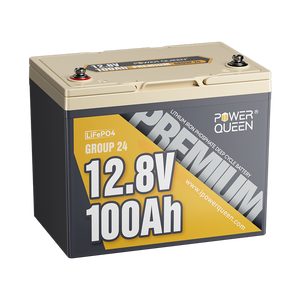
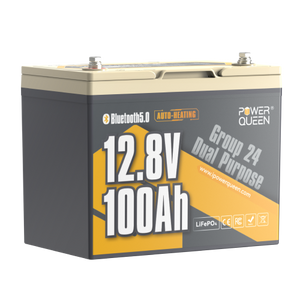
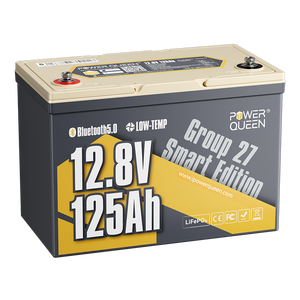
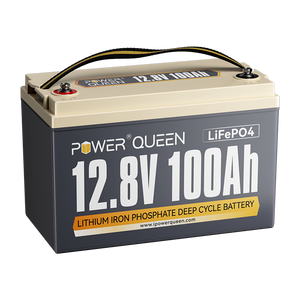
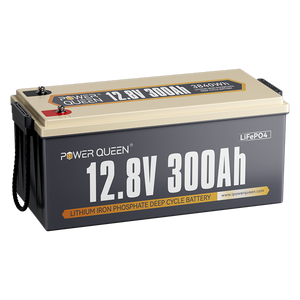
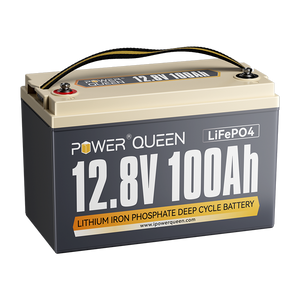
Today, upgrading from a dual 6V lead acid system to a 12V lithium iron phosphate battery has become one of the most popular RV battery upgrades.
This guide explains the main benefits of a 6 volt to 12 volt conversion and the basic steps needed for a safe and smooth installation.
Part 1. Why RV Owners Choose a 6V to 12V Conversion
Many RV owners replace their dual 6V lead acid batteries with a 12V lithium battery because the upgrade delivers more reliable power, longer lifespan, and less maintenance. Since most RVs already operate on a 12V electrical system, the conversion process is usually simple and highly effective.
6V to 12V Conversion Eliminates Battery Imbalance
Two 6V batteries connected in series can develop voltage imbalance over time. One battery may weaken faster than the other, causing unstable power delivery and reduced battery life.
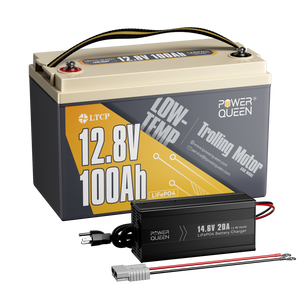
A single 12V lithium battery removes this problem completely. It provides stable voltage output and includes a built in Battery Management System for added protection and balance.
6V Lead Acid to 12V Lithium Increases Usable Capacity
Lead acid batteries should only use about 50 percent of their rated capacity to avoid damage. Lithium batteries can safely use much more of their stored energy.
This means a 12V lithium battery provides longer runtime and more usable power for RV appliances, especially during off grid camping.
| Battery Type | Usable Capacity | Typical Lifespan |
|---|---|---|
| 6V Lead Acid | Around 50% | 200 to 500 cycles |
| 12V Lithium | Up to 100% | 4000+ cycles |
Longer Lifespan Makes Lithium More Cost Effective
Although lithium batteries cost more upfront, they last much longer than lead acid batteries. Many RV owners get years of reliable performance from a single lithium battery.
The longer lifespan helps reduce replacement costs and improves long term value.
| Battery Type | Average Cycle Life | Estimated Service Life |
|---|---|---|
| 6V Lead Acid Battery | 200 to 500 cycles | 2 to 3 years |
| 12V Lithium LiFePO4 Battery | 4000+ cycles | 5 to 10 years |
Lighter Weight Improves RV Efficiency
Dual 6V lead acid batteries are heavy and increase vehicle weight. Lithium batteries are much lighter while delivering more usable power.
Reducing battery weight can improve fuel efficiency and make installation easier.
| Battery Setup |
Average Weight (12V 100Ah Class) |
Power Efficiency |
|---|---|---|
| Dual 6V Lead Acid Batteries | 120 to 140 lbs | Lower usable capacity |
| Single 12V Lithium Battery | 22 to 25 lbs | Higher usable capacity |
Lithium Batteries Require Far Less Maintenance
Lead acid batteries require regular watering, cleaning, and voltage checks. Lithium batteries need very little maintenance.
Most lithium batteries are designed for long term use with minimal upkeep, making them ideal for RV travel.
Related Reading: Deep Cycle Redefined: Why Lithium is the Modern Alternative to Lead Acid.

Part 2. How to Convert 6V to 12V in an RV
Many RV owners assume a 6V to 12V conversion requires major electrical modifications, but the process is usually much simpler. Since most RVs already use a 12V electrical system, the upgrade mainly involves replacing the old batteries and improving the charging setup. With basic tools and some electrical knowledge, many RV owners can complete the installation themselves.
Before starting the conversion, check two important things first. Make sure the new lithium battery fits inside the existing battery compartment, and confirm that the RV charging equipment supports lithium batteries.
- Check Battery Compartment Size
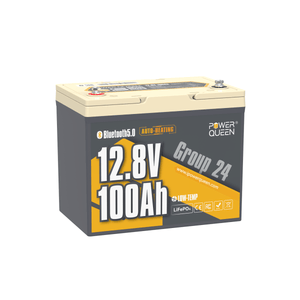
Before purchasing a new battery, measure the existing battery tray carefully. A 12V lithium battery should fit securely inside the original compartment without blocking ventilation or cable routing.
Related Blog: Which Lithium Battery Fits a Dual 6V Battery Box? Group 24 vs. 31 vs. GC2.
- Verify Charger Compatibility
Many factory installed lead acid chargers and solar controllers are not designed for lithium batteries. Using incompatible charging equipment may cause charging problems, reduced battery lifespan, or battery damage.
Check the converter charger, solar controller, and alternator charging system before installation. In many RVs, adding a DC to DC charger is strongly recommended for safe alternator charging.


Step 1: Disconnect All Power Sources
Before removing the old batteries, turn off all appliances inside the RV and disconnect shore power, generators, and solar panel input. For motorized RVs, remove the ignition key completely to avoid accidental electrical activity.
Disconnect the battery cables in the correct order by removing the negative cable first and the positive cable second. Then remove the series connection cable between the two 6V batteries.
After removing the batteries, clean the battery compartment and inspect the wiring for corrosion, loose terminals, or damaged insulation.
Step 2: Remove the Old 6V Batteries
Carefully lift the old lead acid batteries out of the battery compartment. Since lead acid batteries are heavy, proper lifting technique is important to avoid injury.
Once removed, inspect the battery tray and surrounding cables to make sure the installation area is clean and safe for the new lithium battery.
Step 3: Prepare for the 6 Volt to 12 Volt Conversion
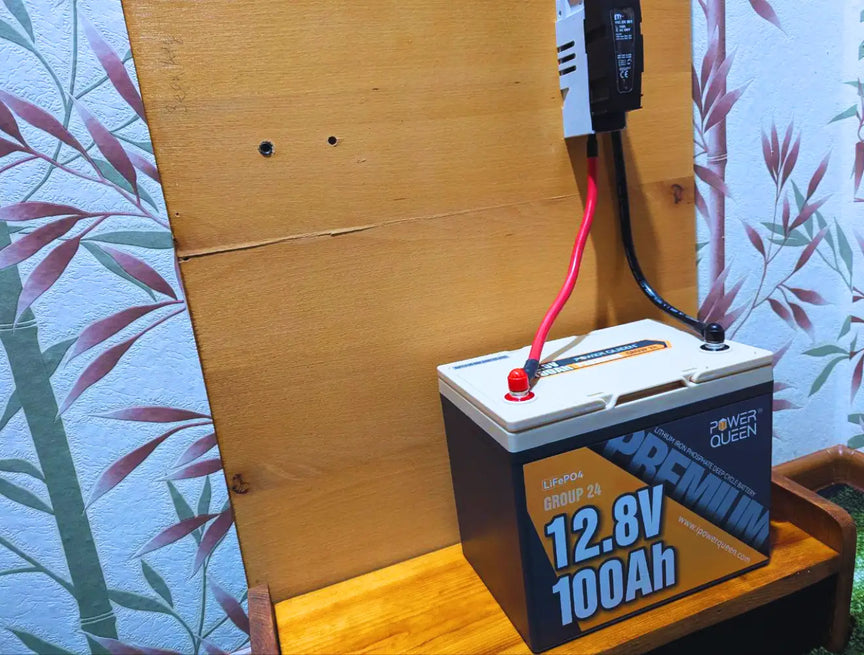
Choose a 12V lithium iron phosphate battery with enough capacity to match your RV’s daily power usage. Make sure the battery size and terminal layout are compatible with the original installation space.
Before installing the battery, confirm that all charging equipment supports lithium charging profiles.
RV Converter Charger
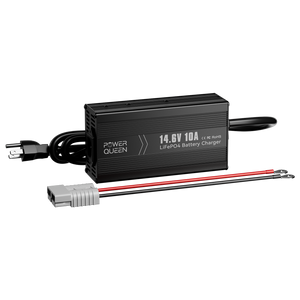
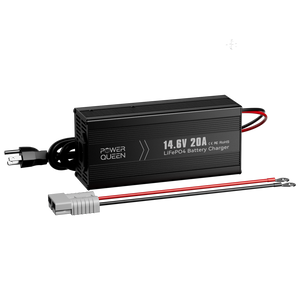
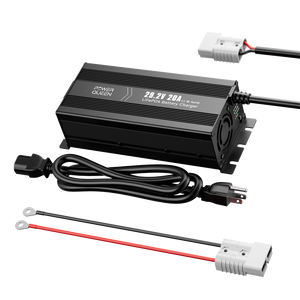
Older converter chargers designed for lead acid batteries may not fully charge lithium batteries correctly. Replacing the converter with a lithium compatible model improves charging efficiency and battery protection.
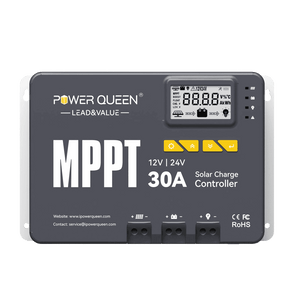
Solar Charge Controller
If the RV uses solar panels, verify that the solar charge controller supports lithium batteries. Many older controllers use charging settings intended only for lead acid batteries.
Alternator Charging System
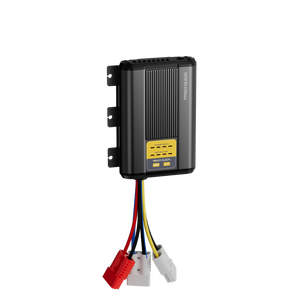
The RV alternator charging system should also be checked carefully. Many lithium battery systems require a DC to DC charger to regulate charging current and protect both the alternator and the battery.
Step 4: Install the New 12V Lithium Battery
Place the new lithium battery securely inside the battery compartment and fasten it using proper mounting hardware. This prevents movement and vibration while driving.
Remove all unused cables from the original dual battery setup. Connect the RV’s main positive and negative cables directly to the corresponding terminals on the new 12V lithium battery.
Connect the positive cable first, followed by the negative cable. Make sure all terminals are tight and secure to prevent loose connections or voltage loss.
6 Volt to 12 Volt Conversion Diagram
The original setup uses two 6V batteries wired in series to create 12V output. After the conversion, the new 12V lithium battery connects directly to the RV’s positive and negative power cables.
| Original 6V Setup | New 12V Lithium Setup |
|---|---|
| Two 6V batteries connected in series | One 12V lithium battery |
| Series jumper cable required | Direct 12V connection |
| Greater risk of voltage imbalance | Stable voltage output |
| Heavy lead acid battery bank | Lightweight lithium battery |

Step 5: Test the Entire RV Electrical System
After installation is complete, reconnect the power system and test the battery carefully. Check the battery voltage and charging current first, then test all major RV appliances including lights, water pumps, refrigerators, microwaves, and inverters.
If all equipment operates normally without voltage fluctuations, charging issues, or power interruptions, the 6V to 12V lithium conversion is complete.
Read More: How to Convert RV Batteries to Lithium (Step-by-Step Upgrade Guide).

Part 3. Common Mistakes During a 6V to 12V Conversion
Several common mistakes can reduce the performance of a lithium battery upgrade.
Using an Old Lead Acid Charger
Lead acid chargers may not provide the correct charging profile for lithium batteries, which can reduce battery lifespan.
Related Reading: Can I Use a Regular Charger with a New 12V Lithium Battery?
Ignoring Alternator Protection
Without a DC to DC charger, the alternator may become overloaded while charging a lithium battery.
Loose Battery Connections
Loose terminals can cause voltage drops, overheating, and unstable power delivery.
Choosing the Wrong Battery Size
An undersized battery may not provide enough power for large appliances or extended camping trips.
Part 4. Is a 12V Lithium Battery Better Than Two 6V Batteries?
For most RV owners, a 12V lithium battery is a major upgrade over two 6V lead acid batteries. Lithium batteries provide more usable power, faster charging, lighter weight, and longer lifespan.
They also simplify the battery system and reduce maintenance requirements, making them ideal for both weekend campers and full time RV travelers.
Related Reading: Two 6V VS 12V Batteries: Which Is Better for RVs?

Part 5. FAQs
Does a 6V to 12V Conversion Require Rewiring the RV?
No. Most RVs already operate on a 12V electrical system, so the conversion usually requires only battery replacement and charging system upgrades.
Can a 12V Lithium Battery Fully Replace Two 6V Lead Acid Batteries?
Yes. A properly sized 12V lithium battery can completely replace a dual 6V lead acid setup while improving overall performance.
How Much Longer Does Lithium Last Compared to Lead Acid?
Lithium batteries commonly last more than 4000 cycles, while lead acid batteries typically last between 200 and 500 cycles.
Do Lithium Batteries Need Regular Maintenance?
No. Lithium batteries require very little maintenance compared to lead acid batteries.
Is a DC to DC Charger Necessary?
In many RVs, yes. A DC to DC charger helps protect the alternator and ensures proper lithium battery charging.