





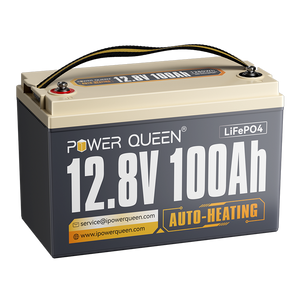
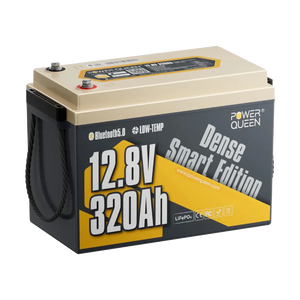







Can I Use a Regular Charger with a New 12V Lithium Battery?
Many RV owners who upgrade from dual 6V lead-acid batteries to a 12V LiFePO4 battery eventually ask the same question: Can the original 12V lead acid battery charger or AGM battery charger still be used?
It may seem logical since both batteries are labeled as 12V and often use the same wiring and connectors. However, charger compatibility depends on much more than voltage alone. To help RV owners avoid charging issues and unnecessary battery wear, this guide explains why regular chargers are not compatible with lithium batteries, the risks involved, and the correct charging solution after a lithium battery upgrade.
Part 1. Can You Use a Regular Charger?
The simple answer is no.
A regular lead acid battery charger or AGM battery charger is not designed to properly charge a 12V lithium battery. While the battery may appear to charge, the charging process is not optimized for lithium battery chemistry.
One of the biggest issues is float charging. Most lead-acid chargers continue supplying voltage after the battery reaches full charge. While this helps maintain lead-acid batteries, it can accelerate aging in lithium batteries and reduce their overall lifespan.
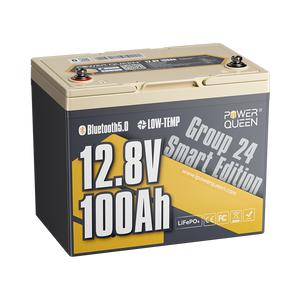
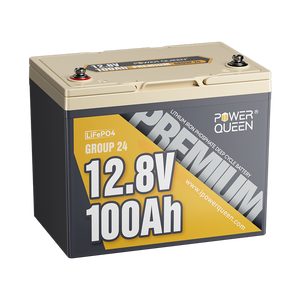
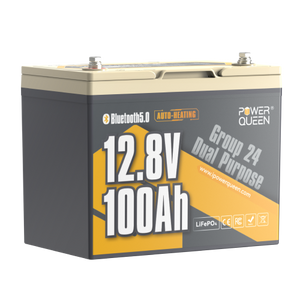
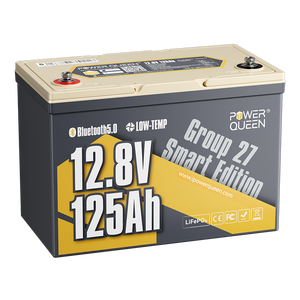
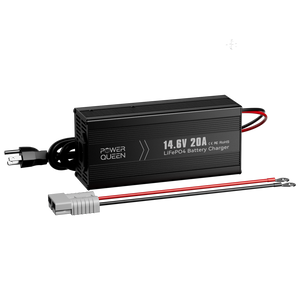
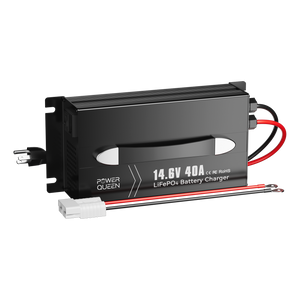
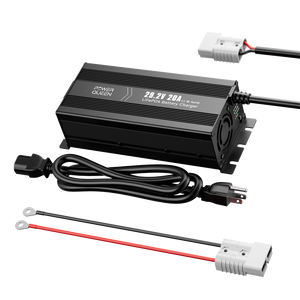
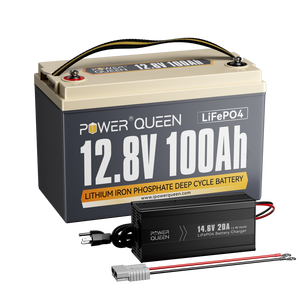
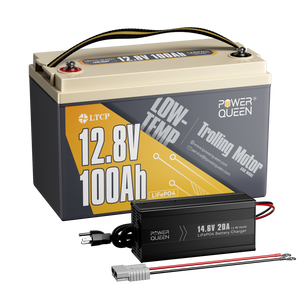
If you want the best performance and longest service life from your battery, a dedicated Lithium Battery Charger is the correct choice.
Charger Compatibility at a Glance
| Charger Type | Compatible with a 12V Lithium Battery? | Recommended? |
|---|---|---|
| Regular Lead Acid Battery Charger | No | ❌ |
| AGM Battery Charger | No | ❌ |
| Lithium Battery Charger | Yes | ✅ |

Part 2. Why Lead Acid Chargers Don't Work
The main reason is simple:
Lead-acid batteries and lithium batteries have different charging requirements.
Although both battery types may be rated at 12V, their charging voltages and charging methods are fundamentally different.
Different Voltage Requirements
A typical lead acid battery charger or AGM battery charger usually has a charging cutoff voltage between 14.4V and 14.7V and often includes float charging and equalization modes.
By comparison, a standard 12V LiFePO4 battery typically has a charging cutoff voltage of 14.6V and does not require float charging.
Because of these differences, the charging output of a lead-acid charger does not perfectly match the needs of a lithium battery.
Different Charging Profiles
Most lead-acid and AGM chargers use a three-stage charging process:
- Constant Current (Bulk)
- Constant Voltage (Absorption)
- Float Charging
The float charging stage is specifically designed to maintain lead-acid batteries and compensate for self-discharge.
Lithium batteries work differently.
A 12V lithium battery does not require float charging. Keeping it under a continuous float voltage can accelerate capacity loss and shorten cycle life.
A dedicated Lithium Battery Charger uses a lithium-specific CC/CV (Constant Current/Constant Voltage) charging profile and automatically stops charging when the battery reaches full capacity.
This charging method is specifically designed for lithium batteries and helps maximize battery life.

Part 3. What Happens If You Use the Wrong Charger?
In an RV, battery charging safety is especially important because the electrical system operates in a closed and mobile environment.
When a lead acid battery charger or AGM battery charger is used to charge a lithium battery for an extended period, the primary concern is float charging.
After a lead-acid battery reaches full charge, the charger automatically switches to float mode and continues supplying approximately 13.6V–13.8V.
While this is beneficial for lead-acid batteries, lithium batteries do not need this continuous charging voltage.
Over time, prolonged exposure to float charging can lead to:
- Faster battery aging
- Reduced battery capacity
- Shorter cycle life
- Lower long-term performance
In simple terms:
The battery may continue working, but it will not last as long as it should.
Part 4. The Right Charger for a 12V Lithium Battery
Once you understand that a regular charger is not compatible with a lithium battery, the next question becomes: What charger should you use instead?
Fortunately, the solution is straightforward.
Replace the Old Charger
If you've upgraded from dual 6V lead-acid batteries to a 12V lithium battery, the original lead acid battery charger or AGM battery charger should be replaced.
This is one of the most important steps for protecting battery lifespan and maintaining charging efficiency.
Choose a Lithium Battery Charger
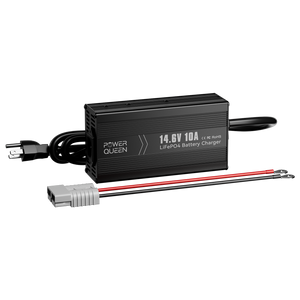
A dedicated Lithium Battery Charger is specifically designed for LiFePO4 batteries.
These chargers typically offer:
- Lithium-specific CC/CV charging
- No float charging mode
- No equalization charging mode
- Accurate 14.6V charging voltage
- Better charging efficiency
- Enhanced battery protection
For RV shore-power charging, a lithium charger provides the safest and most reliable charging solution.

Check Other Charging Sources
If your RV also uses:
- Solar charging systems
- Alternator charging systems
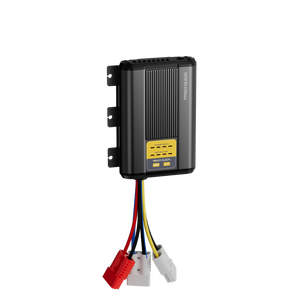
- DC-to-DC chargers
- Generator charging systems
Make sure these charging devices are configured for lithium batteries as well.
Many modern charging controllers include a dedicated Lithium Mode. Switching to this setting helps ensure the entire charging system works properly with lithium battery chemistry.
Otherwise, you may end up with one compatible charger while other charging sources remain configured for lead-acid batteries.
The good news is that most upgrades are simple. In many cases, replacing the charger and updating charging settings is all that's required.
Part 5. FAQs
Can I Temporarily Charge a Lithium Battery with a Lead Acid Charger?
No. Although the battery may appear to charge, even temporary use can contribute to cumulative battery wear and may introduce safety risks.
Temporary charging with a lead-acid charger is not recommended.
Is an AGM Battery Charger Better for Lithium Batteries?
Not really. An AGM battery charger is still a type of lead-acid charger and typically includes float charging.
Its charging logic is fundamentally the same as a standard lead-acid charger, making it unsuitable for charging a lithium battery.
Do I Need a New Charger After Upgrading to Lithium?
Yes. After converting from dual 6V lead-acid batteries to a 12V lithium battery, installing a compatible Lithium Battery Charger is strongly recommended.
Doing so helps ensure:
- Proper charging efficiency
- Longer battery lifespan
- Better overall performance
- Improved charging safety
Part 6. Final Thoughts
Although a Regular Charger, Lead Acid Battery Charger, and AGM Battery Charger may all be rated for 12V batteries, they are not compatible with a 12V Lithium Battery.
The differences in charging voltage requirements and charging profiles make these systems fundamentally different. As a result, upgrading from dual 6V lead-acid batteries to a lithium battery involves more than simply replacing the battery itself—the charger should be upgraded as well.
By choosing a dedicated Lithium Battery Charger, RV owners can avoid charging-related issues, maximize battery performance, and extend battery lifespan. Whether you're camping off-grid or powering your RV during extended stays, the right charger helps ensure reliable power when you need it most.