









How Many Watts Does a Refrigerator Use? (Complete Guide)
The refrigerator is the undisputed heartbeat of the modern kitchen, running 24 hours a day to keep your perishables fresh. Because it never truly takes a break, it often accounts for a significant portion of your monthly utility bill. Understanding the specific How Many Watts Does a Refrigerator Use requirement is essential whether you are trying to lower your electricity costs or planning an off-grid power system for a van or cabin.
How Many Watts Does a Refrigerator Use?
Most modern domestic refrigerators operate within a range of 100 to 400 watts during their cooling cycle. However, this number is a simplified look at a complex power cycle. Refrigerators do not draw a constant stream of high power; instead, they cycle on and off based on the internal temperature. According to the U.S. Department of Energy, refrigeration is among the top energy consumers in a home because it runs continuously throughout the year.
On average, a standard kitchen refrigerator consumes between 1 and 2 kilowatt-hours (kWh) per day. If you are calculating for a backup power source, you must also account for starting wattage or surge power. The moment a compressor starts, it can require three to five times its rated running wattage for a fraction of a second. Failing to account for this surge can trip circuit breakers or overwhelm smaller portable power stations.
| Refrigerator Type | Average Running Watts | Estimated Daily kWh |
|---|---|---|
| Compact / Mini Fridge | 50 – 100 Watts | 0.5 – 0.9 kWh |
| Standard Top-Freezer | 100 – 200 Watts | 1.1 – 1.5 kWh |
| Side-by-Side / French Door | 200 – 400 Watts | 1.7 – 2.4 kWh |
| Energy Star Certified | 80 – 150 Watts | 0.8 – 1.2 kWh |
How Much Energy Your Own Refrigerator Uses?
Every appliance comes with a definitive "cheat sheet" known as the EnergyGuide label. In the United States, this bright yellow sticker—mandated by the Federal Trade Commission—provides an estimate of the yearly operating cost and the annual kilowatt-hours the unit is expected to consume. To find the average hourly wattage from this label, you can divide the total annual kWh by 8,760 (the number of hours in a year).

If the sticker is missing, look for the manufacturer's plate located inside the fridge or on the back. This plate lists the Volts and Amps. By multiplying these two figures together, you get the maximum running wattage. For example, a standard Whirlpool or GE model used in American households might list 115V and 3.5A, totaling roughly 400W. For the most accurate real-time data, many homeowners use a plug-in kilowatt meter like the Kill-A-Watt. This device measures exactly how much energy is pulled over a 24-hour period, accounting for every compressor cycle and defrost period.
How many watts does a small refrigerator use?
Small refrigerators, often called mini-fridges, are significantly more efficient due to their reduced interior volume, typically running on 50 to 100 watts. While they use less power than full-sized units, they often lack the thick insulation found in premium models, meaning their compressors may run more frequently in warm environments. These are ideal candidates for small solar setups or simple battery backups during short power outages, which are common during storm seasons in states like Florida or Texas.
Best LiFePO4 Battery for Refrigerator
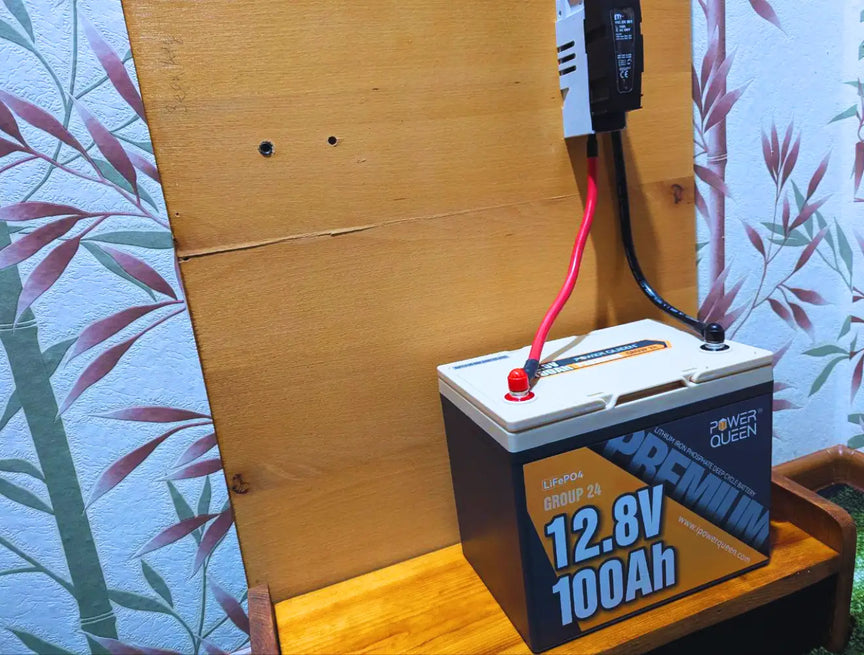
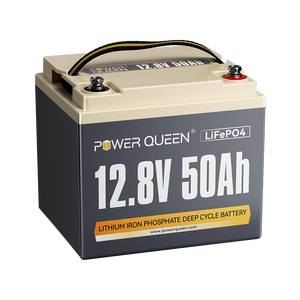
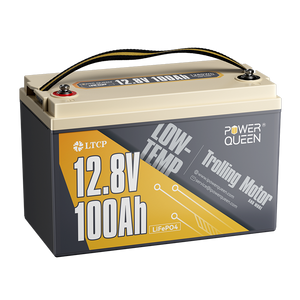
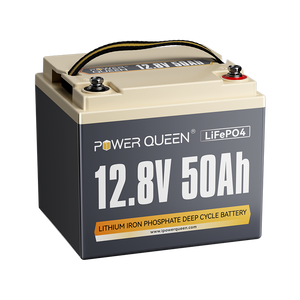
Lithium Iron Phosphate (LiFePO4) batteries are the gold standard for powering refrigerators because they offer longer lifespans and deeper discharge capabilities. When taking your kitchen on the road or preparing for a blackout, choosing the right size depends entirely on how long you need to keep your food cold without a recharge.
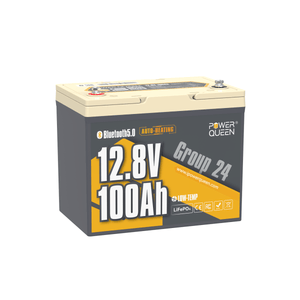
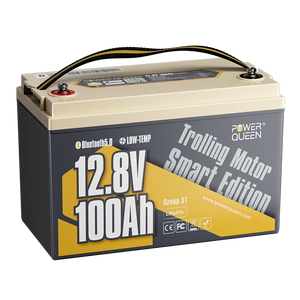
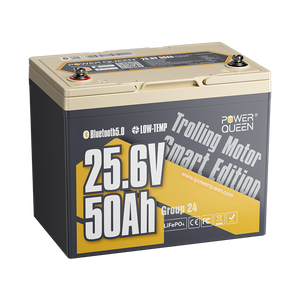
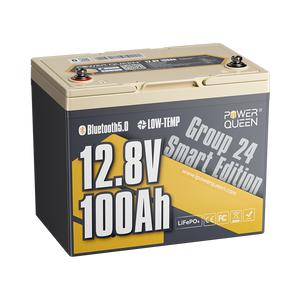
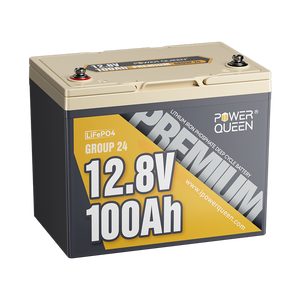
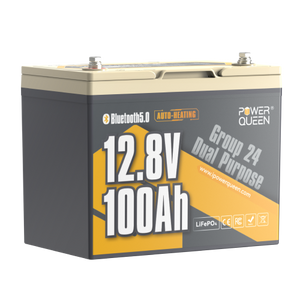
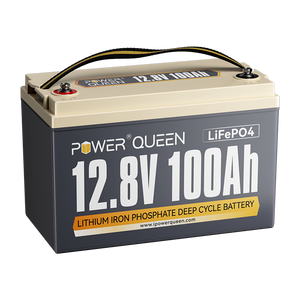
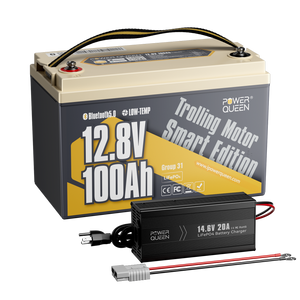
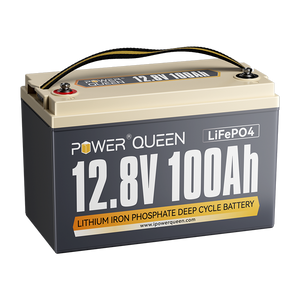
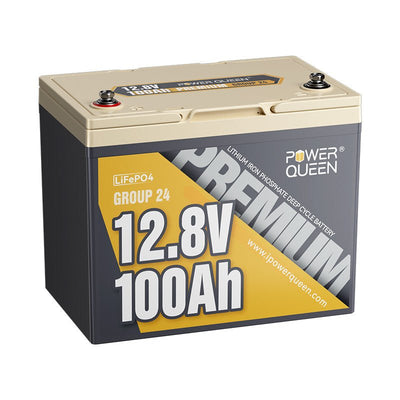
Power Queen 12V 100Ah Group 24 Smart
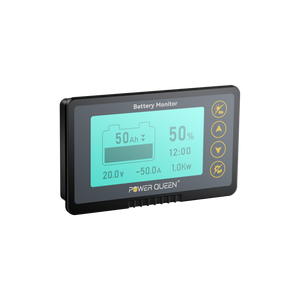
This compact powerhouse is specifically designed for tight spaces like RV battery boxes. The Group 24 size is a standard American automotive footprint, making it a drop-in replacement for many traditional systems. The Smart designation refers to its built-in Bluetooth monitoring, allowing you to check your remaining capacity and wattage draw directly from a smartphone. It provides 1280Wh of energy, which can typically run a standard high-efficiency refrigerator for nearly a full day.
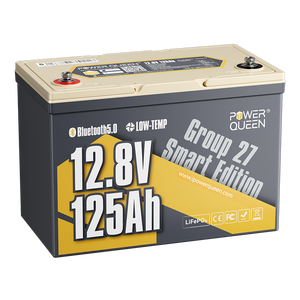
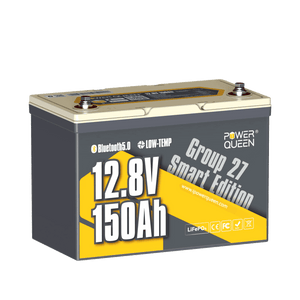
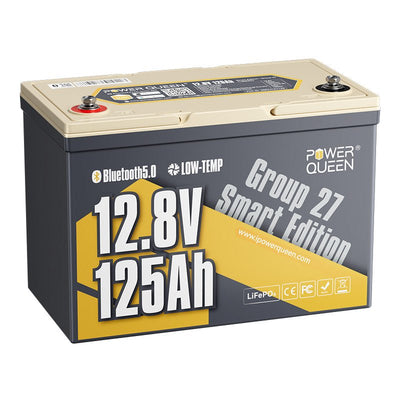
Power Queen 12V 125Ah Group 27 Smart
The 125Ah Group 27 Smart model is a perfect middle ground, offering 1600Wh of energy. This provides roughly 25% more runtime than a standard 100Ah battery, which is vital if you are running other small items like LED lights or phone chargers alongside your refrigerator. It remains lightweight and easy to transport, making it a favorite for weekend campers exploring National Parks.

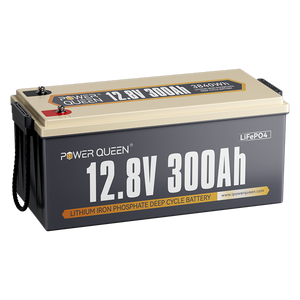
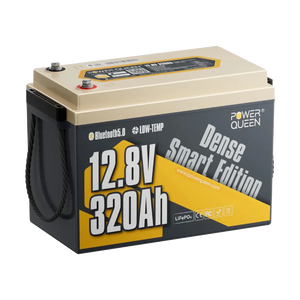
Power Queen 12V 300Ah
If your goal is total energy independence or multi-day backup for a full-sized residential refrigerator, the 12V 300Ah battery is the professional choice. Packing 3840Wh of total energy and a massive 200A BMS, this single unit can handle 2560W of continuous output power. This ensures it manages the high starting surge of large "French-door" compressors with ease, sustaining a large refrigerator for three to four days comfortably.

How to Reduce Refrigerator Power Consumption?
Lowering the energy demand of your fridge does not require a new appliance; simple maintenance and behavioral changes are key. First, ensure the coils on the back or bottom of the unit are free of dust. According to ENERGY STAR, dirty coils hinder the heat exchange process, forcing the compressor to work harder and run longer.
Proper organization also plays a role in efficiency. A full refrigerator retains "thermal mass" better than an empty one, meaning the cold items help keep the air temperature stable when the door is opened. However, do not overstuff the unit to the point where airflow is blocked. Ensure the door seals are airtight by performing the "dollar bill test"—close the door on a bill and try to pull it out. If it slides out easily, your gaskets are leaking cold air. Finally, keep the fridge out of direct sunlight and away from the oven.
FAQ about refrigerator wattage
Does a refrigerator use more power when it is empty?
Yes, an empty refrigerator usually consumes more energy over time because air loses its temperature faster than solids. Once the items inside a fridge are cold, they help maintain the internal temperature. When a fridge is empty, every time the door opens, the cold air escapes instantly, forcing a full cooling cycle.
Can a 1000-watt inverter run a refrigerator?
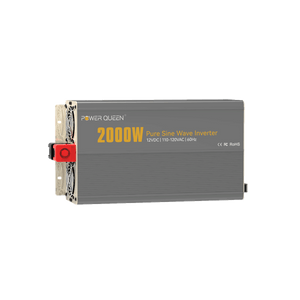
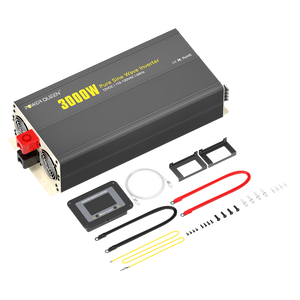
Generally, a 1000-watt pure sine wave inverter can run a standard refrigerator if it can handle the startup surge. While the fridge only uses 100 to 400 watts while running, the inverter must be able to handle the 800 to 1200-watt spike when the compressor starts.
How many solar panels do I need for a fridge?
To run a typical refrigerator indefinitely, you generally need between 300 and 500 watts of solar panels. This allows the system to power the fridge during the day while simultaneously charging the batteries to handle the cooling cycles throughout the night.
Conclusion
Determining how many watts a refrigerator uses is the first step toward better energy management and reliable backup planning. While the average unit sits between 100 and 400 watts, factors like age, size, and ambient temperature play massive roles in your total consumption. By choosing high-quality LiFePO4 batteries like the Power Queen Smart series and maintaining your appliance through regular cleaning, you can ensure your food stays fresh without unnecessary energy waste.