









What Is a LiFePO4 Battery? Everything You Need to Know
LiFePO4 battery technology is a high-safety lithium-ion variant designed for extreme longevity. These batteries use iron phosphate as a cathode material to prevent the fires often associated with other lithium types.
Understanding what is LiFePO4 battery chemistry helps you see why it has become the gold standard for American off-grid living, marine use, and recreational vehicles. As the United States shifts toward renewable energy, this specific lithium chemistry provides the most stable foundation for long-term power storage in residential and mobile applications.
Defining the Lithium Iron Phosphate (LiFePO4) Battery
A LiFePO4 battery is a lithium-ion rechargeable battery that utilizes iron phosphate as the cathode material to provide superior thermal and chemical stability. The name represents the chemical formula for Lithium (Li), Iron (Fe), and Phosphate (PO4). While most consumers are familiar with the lithium-ion batteries in their phones, those typically use cobalt-based chemistries that prioritize size over safety. LiFePO4 represents a pivot toward durability, making it the preferred choice for systems where the battery is expected to last a decade or more.
The molecular structure of LiFePO4 is the primary reason for its high performance and safety. In this chemistry, the oxygen atoms are tightly bonded to the phosphorus and iron atoms in a nascent olivine structure. This tight bond makes it physically difficult for oxygen to be released during a short circuit or overheating event. Because oxygen release is the primary driver of battery fires, the LiFePO4 structure inherently resists the dangerous thermal runaway common in older lithium-ion models.
The Core Advantages of LiFePO4 Technology
LiFePO4 batteries offer a longer lifespan and safer operation than any other deep-cycle battery on the market today. This technology is designed to solve the two biggest headaches of lead-acid batteries: frequent replacements and heavy maintenance. By switching to iron phosphate, users gain a power source that performs consistently regardless of how often it is used.
Exceptional Cycle Life and Longevity
LiFePO4 batteries provide between 3,000 and 5,000 full charge-and-discharge cycles before seeing any significant drop in capacity. A cycle represents one full use of the battery, meaning if you use it every single day, the battery can last well over ten years. In contrast, a standard lead-acid battery used in a boat or camper often fails after only 300 to 500 cycles. This means one lithium iron phosphate battery can effectively outlast ten lead-acid batteries, providing a massive return on investment over time.
If you want a clearer understanding of how LiFePO4 batteries behave at different states of charge, this guide includes detailed voltage charts: The Ultimate Guide to LiFePO4 Lithium Battery Voltage Charts.

High Efficiency and Usable Power
You can use nearly 100 percent of the energy stored in a LiFePO4 battery without causing any internal damage. Lead-acid batteries have a strict 50 percent rule where discharging them further significantly shortens their life. If you have a 100 amp-hour lead-acid battery, you really only have 50 amp-hours of usable power. With a 100 amp-hour LiFePO4 battery, you have the full 100 amp-hours at your disposal, effectively doubling your range or runtime without increasing the physical size of your battery bank.

Superior Safety Profile and Thermal Stability
The iron phosphate chemistry is fundamentally safer because it has a much higher thermal runaway temperature than other lithium variants. While a standard lithium-ion battery might begin to break down and catch fire at roughly 300 degrees Fahrenheit, LiFePO4 remains stable until nearly 518 degrees Fahrenheit. NASA's research on fire characterization confirms that LFP modules show significantly less severe outcomes during failure tests compared to nickel-rich chemistries. This makes them ideal for installation inside the living quarters of a van or under the seat of a fishing boat.
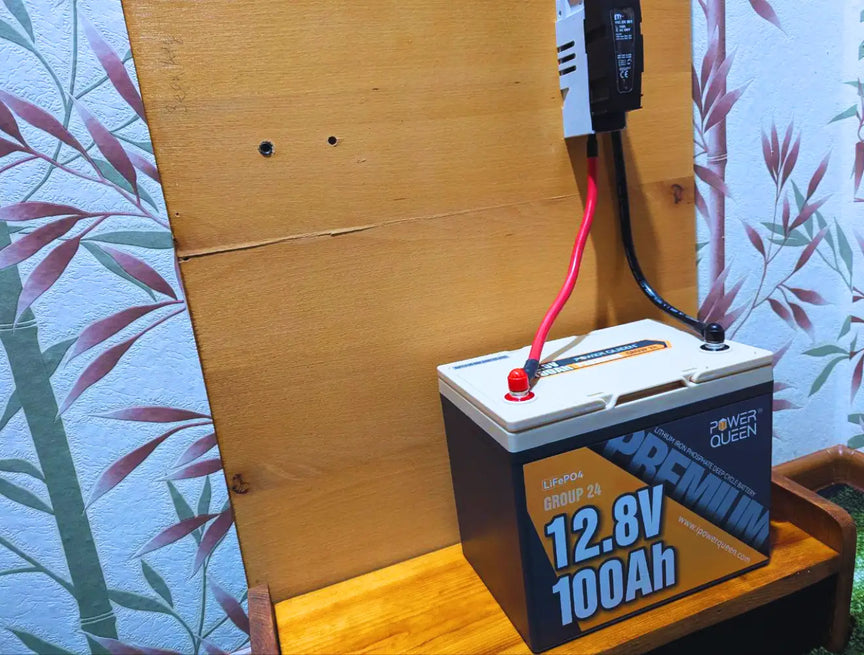
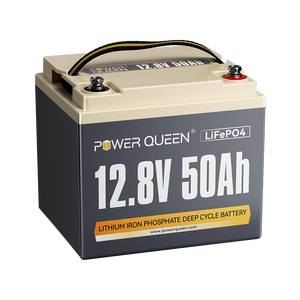
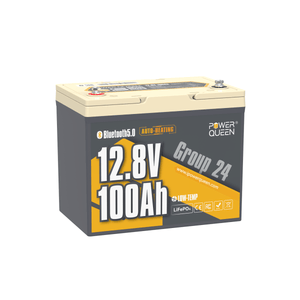
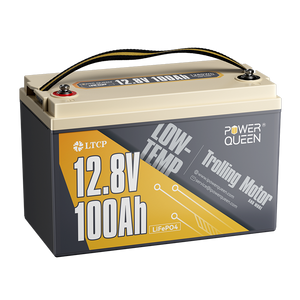
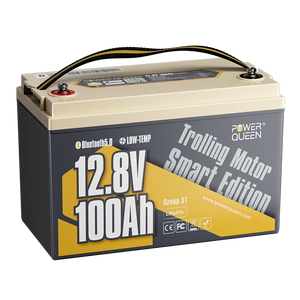
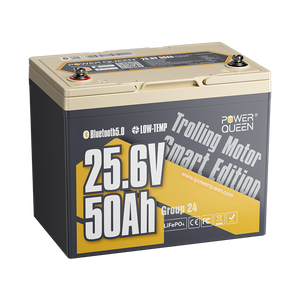
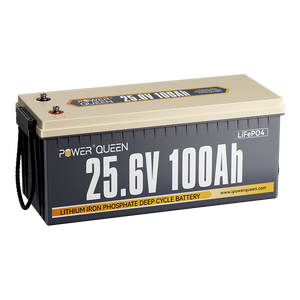
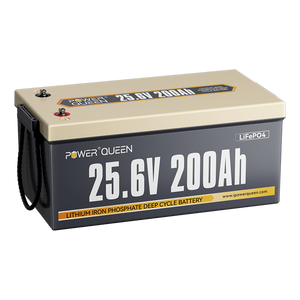
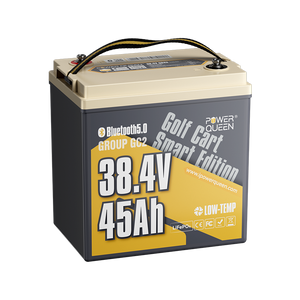
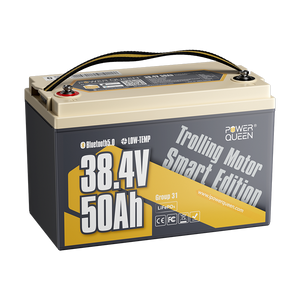
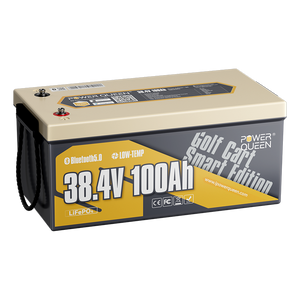
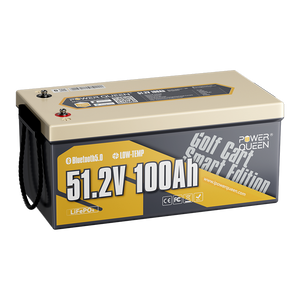
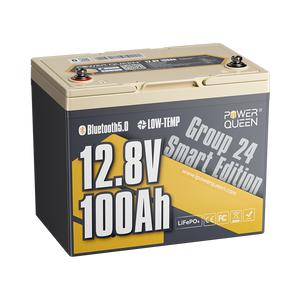
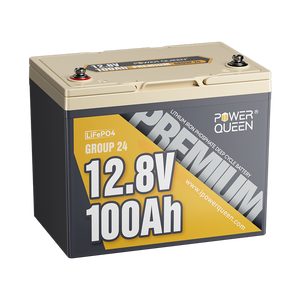
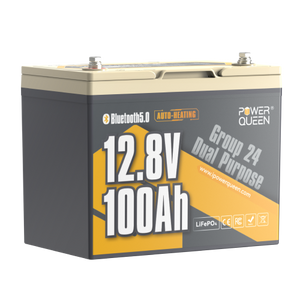
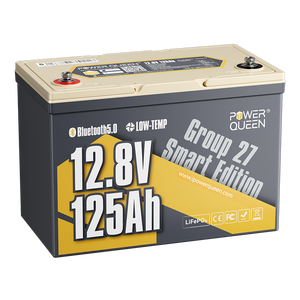
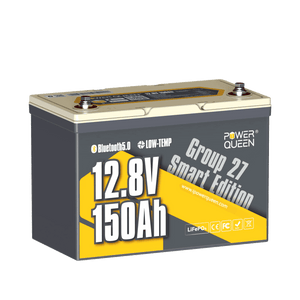
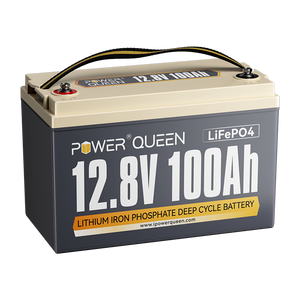
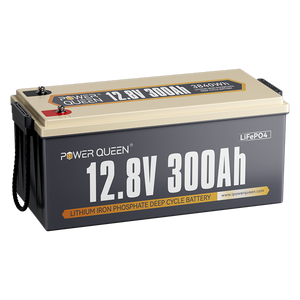
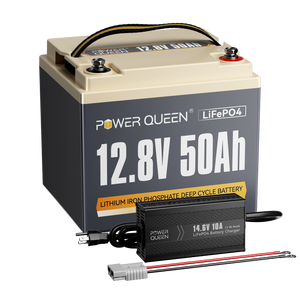
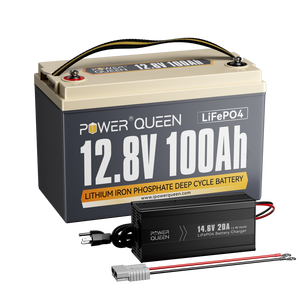
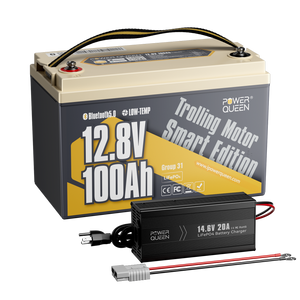
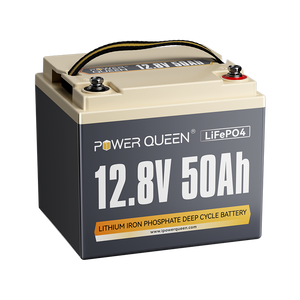
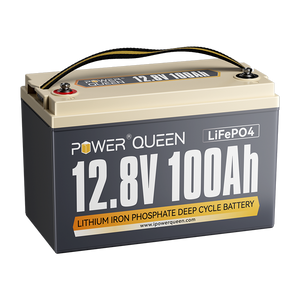
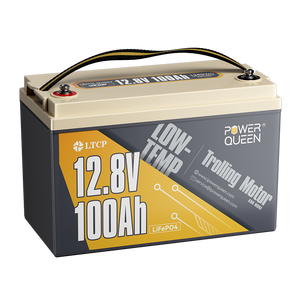
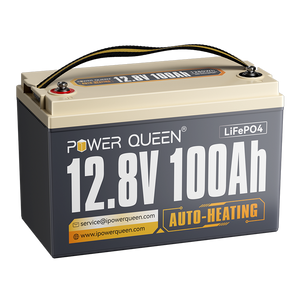
For users looking for a reliable deep-cycle solution built for RV, marine, and off-grid applications, Power Queen LiFePO4 batteries are a strong option due to their safety-focused design and long service life.

LiFePO4 Battery vs. Traditional Lead-Acid
LiFePO4 batteries represent a complete paradigm shift in energy storage, offering three times the energy density of lead-acid at half the weight. While lead-acid has been the standard for over a century, its limitations in the modern world are becoming more apparent. The following comparison highlights why American industries are rapidly abandoning lead for lithium.
| Performance Feature | Lead-Acid (AGM/Gel) | LiFePO4 (Lithium Iron Phosphate) |
|---|---|---|
| Typical Cycle Life | 300 to 500 cycles | 3,000 to 5,000 plus cycles |
| Usable Capacity | 50 percent recommended limit | 100 percent usable range |
| Weight for 100Ah | 60 to 75 pounds | 25 to 30 pounds |
| Charging Speed | 8 to 12 hours | 1 to 3 hours |
| Efficiency | 80 to 85 percent | 95 to 98 percent |
| Maintenance | Periodic watering or cleaning | Completely maintenance free |
| Life Expectancy | 2 to 3 years | 10 to 15 years |
For a deeper comparison between these two battery types, see Maximizing Performance With LiFePO4 Batteries: A Comparison To Lead-acid Batteries.
The Economic Reality of Battery Ownership
While the upfront cost of LiFePO4 is higher, the cost per cycle is significantly lower than lead-acid. A 100Ah lead-acid battery might cost 200 dollars but only last 400 cycles, resulting in a cost of 50 cents per cycle. A high-quality 100Ah LiFePO4 battery might cost 400 dollars but last 4,000 cycles, bringing the cost down to only 10 cents per cycle. For a full-time RVer traveling across the United States, the lithium battery pays for itself in less than two years through the avoidance of replacement costs alone.
Environmental Responsibility and Ethics
LiFePO4 is the most environmentally friendly lithium chemistry because it contains no rare-earth or toxic heavy metals. Lead-acid batteries are filled with toxic lead and sulfuric acid, which pose a significant risk if the casing is breached. Other lithium batteries use cobalt, which is often mined under questionable ethical conditions. LiFePO4 uses iron and phosphate, which are abundant, non-toxic, and much easier to recycle at the end of their long lives.
LiFePO4 Battery vs. Other Lithium Variants
LiFePO4 is specifically engineered for high-stress, deep-cycle applications rather than the high-energy-density needs of small electronics. Most consumers assume all lithium is the same, but the differences in cathode materials determine whether a battery is better for a phone, a Tesla, or a home backup system. U.S. Department of Energy data indicates that LFP remains one of the most stable and long-lived chemistries available in the lithium family.
LiFePO4 batteries vs. LiCoO2 batteries
Lithium Cobalt Oxide (LiCoO2) is designed for maximum energy in a tiny package, whereas LiFePO4 is built for durability and safety. You will find LiCoO2 in your iPhone because you want your phone to be as thin as possible. However, Cobalt-based batteries are highly sensitive to heat and have a much shorter lifespan. For a boat owner in the humid Florida Keys or a camper in the Texas heat, the heat resistance of LiFePO4 is far more valuable than the slight weight savings of a Cobalt battery.
LiFePO4 batteries vs. LiMn2O4 batteries
Lithium Manganese Oxide (LiMn2O4) is often used in power tools due to its high power output, but it lacks the long-term stability of LiFePO4. Manganese batteries provide the punch needed for a cordless drill to drive a heavy screw, but they degrade quickly when used for long-duration energy storage. LiFePO4 handles slow, deep discharges much better, making it the superior choice for running a refrigerator or air conditioner in an off-grid cabin.
LiFePO4 batteries vs. NMC batteries
Nickel Manganese Cobalt (NMC) batteries are the primary choice for electric vehicles like the Chevy Bolt, but LiFePO4 is a better choice for stationary storage. NMC batteries can store more energy in a smaller space, which is critical for getting an electric car to travel 300 miles on a single charge. However, NMC is more prone to fire and lasts for fewer cycles than LiFePO4. For a homeowner in California looking for a battery to pair with solar panels, the safety and 10-year lifespan of LiFePO4 usually outweigh the space savings of NMC.
Practical Applications in the United States
The adoption of LiFePO4 technology is transforming how Americans interact with power in mobile and off-grid environments. From the fishing culture of the Southeast to the nomadic lifestyle of the West, this technology is solving long-standing energy problems.
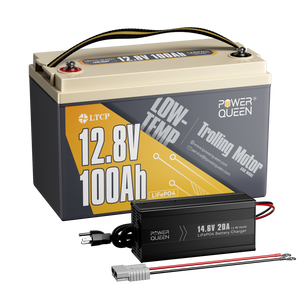
- Bass Fishing and Marine Use: Professional anglers in the U.S. use LiFePO4 batteries to power trolling motors for 10 or 12 hours straight. The stable power delivery ensures the motor has the same push in the evening as it did in the morning, which is a massive advantage during tournaments.
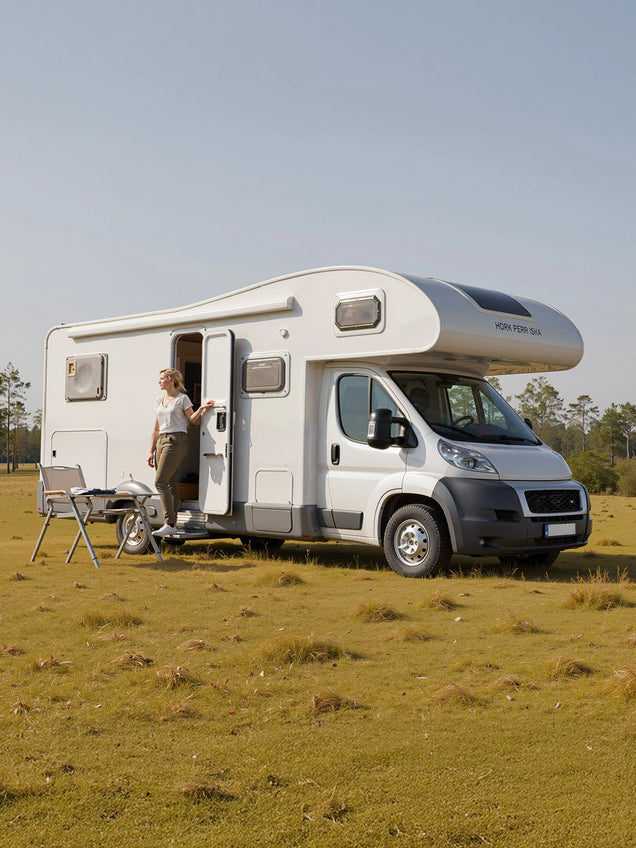
- The RV and Vanlife Movement: Modern camper builds now use LiFePO4 to run high-draw appliances like induction stoves and air conditioners. Because these batteries can be charged so quickly, a traveler can fully replenish their power bank during a three-hour drive or through a few hours of midday sun.
- Residential Solar Backup: In states like Florida and Texas where hurricanes and grid instability are common, LiFePO4 is the top choice for home backup. Unlike generators, these batteries are silent, require no fuel, and can be safely kept inside a garage or utility closet.
Choosing the right LiFePO4 battery based on your application ensures better performance, longer runtime, and a safer long-term energy storage system.

Charging and Maintenance Best Practices
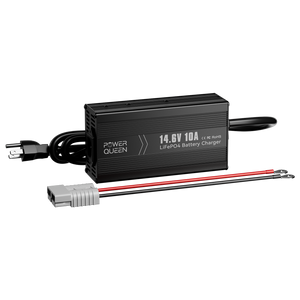
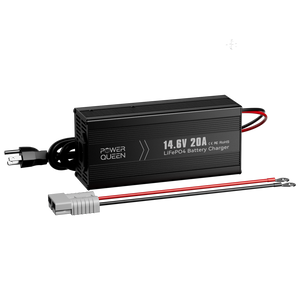
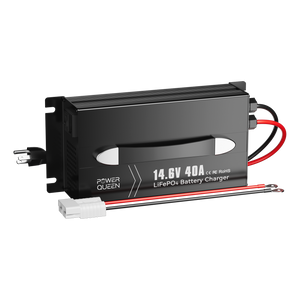
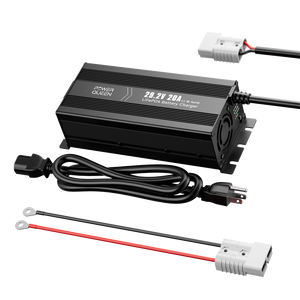
Charging a LiFePO4 battery requires a specific Lithium profile to ensure the cells are balanced and the battery reaches its full lifespan. While these batteries are maintenance-free in terms of fluid levels, they are sensitive to how they are charged.
Using the Constant Current / Constant Voltage (CC/CV) Method
A LiFePO4 battery should be charged using a two-stage process that avoids the float stage used for lead-acid batteries. The first stage pushes a high current until the battery reaches roughly 14.4 volts. The second stage holds that voltage until the current drops to almost zero. Unlike lead-acid, LiFePO4 does not like being held at a high voltage for long periods. A proper lithium charger will shut off completely once the battery is full, which prevents internal stress and prolongs the life of the cells.
If you are looking for a complete charging walkthrough, see [Full Guide] How to Charge LiFePO4 Batteries.
The Dangers of Charging in Freezing Temperatures
You must never charge a LiFePO4 battery when the internal temperature is below 32 degrees Fahrenheit. While you can safely use the battery to power your heater in a blizzard, sending a charge into frozen cells will cause permanent damage. High-quality batteries sold in the U.S. market often include an internal Battery Management System (BMS) with a low-temperature cutoff. This safety feature automatically stops the charger from damaging the cells if the temperature drops too low, which is essential for users in northern states like Montana or Maine.
Related blog: The Ultimate Guide to Lithium Batteries in Cold Weather.
Frequently Asked Questions
Can I use my existing lead-acid charger for LiFePO4?
You should only use a charger with a dedicated lithium setting or a programmable output. Standard chargers often have a desulfation or equalization mode that sends high-voltage pulses which can damage the sensitive electronics inside a LiFePO4 battery. Using an incompatible charger can void your warranty and shorten the battery's lifespan significantly.
If you want a full answer with practical recommendations, see [Answered] Can I Charge a Lifepo4 Battery With a Lead Acid Charger.
Why is a Battery Management System (BMS) necessary?
The BMS is the brain of the battery that protects the cells from being overcharged, over-discharged, or short-circuited. Without a BMS, a lithium battery could become unbalanced or reach dangerous temperatures, making it unsafe for use in homes or vehicles. It constantly balances the voltage of each individual cell to ensure they all work in harmony over thousands of cycles.
How long can I store my LiFePO4 battery without using it?
LiFePO4 batteries have an extremely low self-discharge rate and can be stored for up to a year if they are disconnected. For the best results, you should store them at roughly 50 percent capacity in a cool, dry place. Unlike lead-acid batteries that must be kept on a trickle charger, LiFePO4 batteries are happiest when left disconnected and at a partial state of charge during the off-season.
For a full storage guide, see Storing LiFePO4 Batteries: A Guide to Proper Storage.
Final Thoughts
LiFePO4 technology represents the most significant advancement in deep-cycle energy storage in decades. By offering a safer, lighter, and more durable alternative to traditional batteries, it has become the foundation for modern off-grid independence.
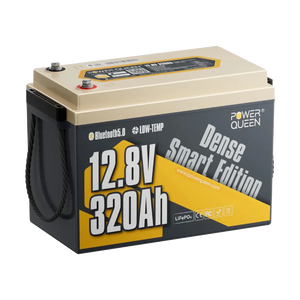
For users who want dependable performance in RV, marine, or solar systems, Power Queen LiFePO4 batteries provide a practical solution built around long-term durability, safety, and deep-cycle reliability.