


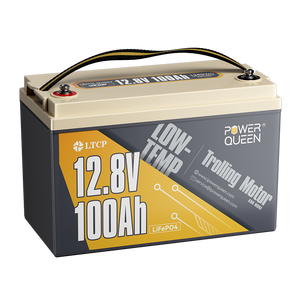
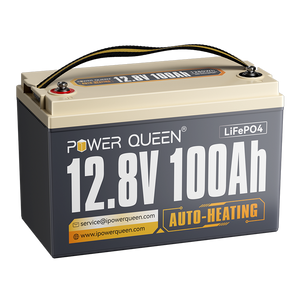







The Ultimate Guide to Lithium Batteries in Cold Weather
Lithium batteries can work in cold weather, but performance and lifespan are affected if precautions are not taken. Cold slows chemical reactions inside the battery, which reduces capacity, increases internal resistance, and can make charging unsafe.
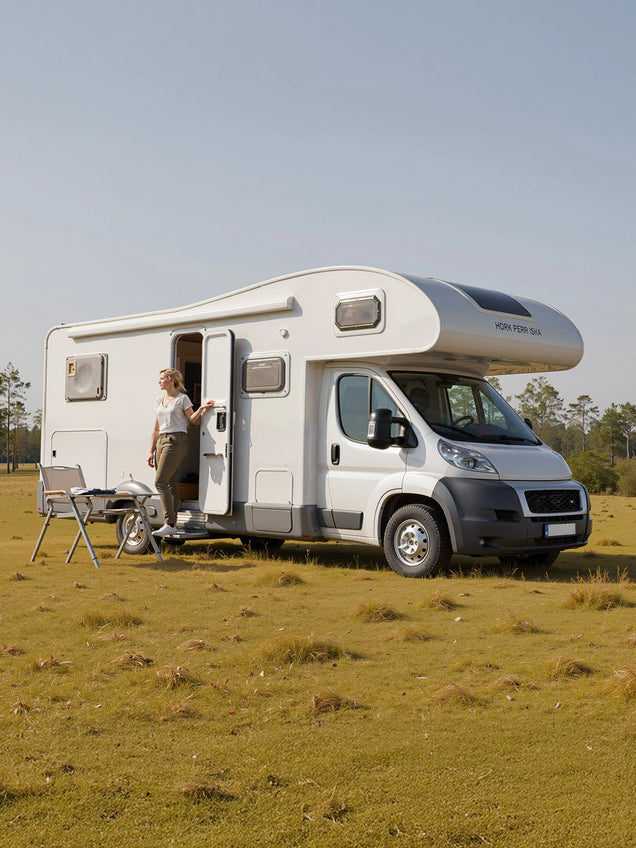
This guide explains how to use, charge, and store lithium batteries safely in low temperatures while keeping them reliable for RVs, trolling motors, and home backup applications.
How Cold Affects Lithium Batteries
Cold weather reduces the usable capacity of lithium batteries. When temperatures drop, lithium ions move more slowly through the electrolyte, causing the battery to deliver less power and show voltage sag under load.
Capacity can drop by 20–30% near freezing, and even more in extreme cold. Internal resistance increases, making high-current draws less effective. These effects are noticeable in RV appliances, trolling motors, and portable devices.
| Temperature | Effect | Recommended Action |
|---|---|---|
| Around 32 °F / 0 °C | Capacity drops 20–30% | Expect shorter runtime, avoid high loads |
| Below 32 °F / 0 °C while charging | Risk of lithium plating | Warm battery above minimum charging temperature |
| Discharge in extreme cold | Usable capacity reduced | Use conservative loads, monitor voltage |
| Long-term cold storage | Possible permanent capacity loss | Store at 41–68 °F / 5–20 °C, keep SOC 40–60% |
💡 Related Blog: Why is Low Temperature Protection Important to Lithium Batteries
Can Lithium Batteries Be Used in Cold Weather?
Yes, lithium batteries can be used in cold weather, but performance is reduced. LiFePO₄ batteries are more tolerant than other lithium chemistries, able to discharge down to –20 °C, though runtime will be shorter and voltage may drop.
Using them safely requires monitoring loads, avoiding extreme draws, and considering thermal management.
5 Effective Methods for Using Lithium Batteries in Cold Weather
- Utilize a battery blanket
- Store batteries in insulated units or battery boxes
- Pre-charge batteries using solar panels
- Keep batteries in a heated environment
- Consider using a battery heater
💡 Related Blog: Do Lithium Batteries Freeze? How To Use Lithium Battery In Winter?
Charging Lithium Batteries in Cold Weather
Charging lithium batteries in freezing conditions is risky. Charging below 0 °C can cause lithium plating, permanently damaging the battery.
Always charge in temperatures above the manufacturer-recommended minimum, or use battery systems with built-in heating or insulation. Warming the battery before charging ensures safety and maintains battery life.
5 Effective Methods for charging Lithium Batteries in Cold Weather
- Keep the Battery Warm
- Use a Charger with Temperature Compensation
- Charge at a Lower Rate
- Monitor the Charging Process
- Preheat the Battery
💡 Related Blog: [Full Guide] How to Charge LiFePO4 Batteries
Storing Lithium Batteries in Cold Weather
Lithium batteries should be stored in moderate temperatures to avoid capacity loss or damage. Keep batteries indoors at 5–20 °C and maintain a 40–60% state of charge.
As for the lithium battery life in cold weather, cold does not automatically shorten battery life if managed properly. Repeated cold exposure, especially charging in low temperatures, stresses the battery and accelerates degradation.
With proper precautions, occasional cold use — such as winter RV trips or seasonal storage — can still allow reliable performance, though runtime may be shorter and recharging may be needed more often.
Avoid leaving fully charged or fully discharged batteries in freezing conditions. Stable temperature and low humidity are key to long-term battery health.
💡 Related Blog: How to Store Lithium Batteries Safely in Cold Weather

Thermal Management for Cold-Weather Use
Why Thermal Management Matters More Than Insulation
Active thermal management is essential for safe lithium battery use in cold weather, especially during charging. Insulation can slow heat loss, but it cannot prevent batteries from reaching unsafe charging temperatures after long exposure to freezing conditions.
In real-world RV, marine, and off-grid applications, most cold-weather lithium battery failures happen during charging, not discharging. A battery that performs normally during use can still be damaged if charging begins before the internal temperature rises above the safe threshold. This makes temperature control a critical safety measure rather than a performance upgrade.
Limitations of Passive and External Heating Methods
Passive insulation and external heaters are not reliable long-term solutions on their own. Insulated battery boxes help retain warmth but depend heavily on ambient conditions and prior battery temperature.
External heating pads or blankets introduce additional risks. They rely on manual operation, inconsistent temperature sensing, and user timing. In many cases, batteries begin charging before sufficient warming occurs, which increases the risk of cold-charging damage. These methods can work, but they leave too much room for human error in daily use.
How Self-Heating LiFePO₄ Batteries Work
Self-heating LiFePO₄ batteries provide a more controlled and automatic solution for cold-weather charging. When the battery detects internal temperatures below the safe charging limit, the self-heating system activates before allowing current to flow.
This process warms the internal cells to a safe operating range and only then enables charging. By managing temperature internally, self-heating batteries reduce the risk of lithium plating and help maintain long-term capacity and cycle life without requiring constant user attention.

Battery heating pad for cold-weather use
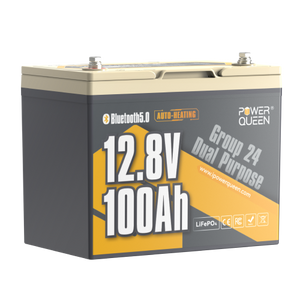
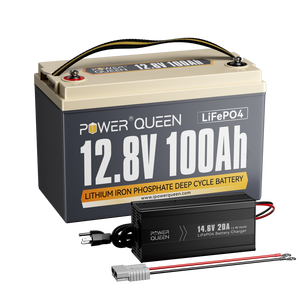
Practical Application: Power Queen 12V 100Ah Self-Heating Battery
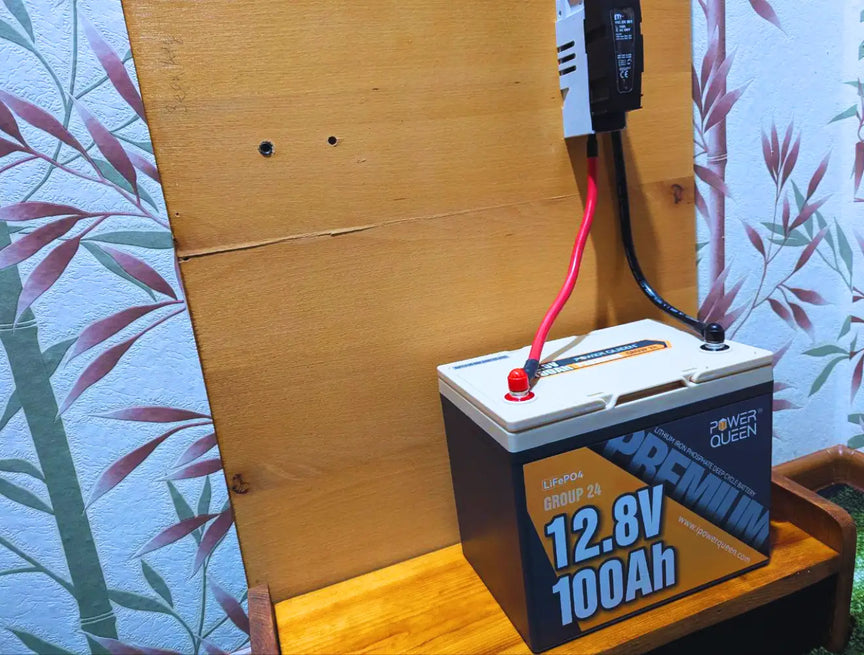
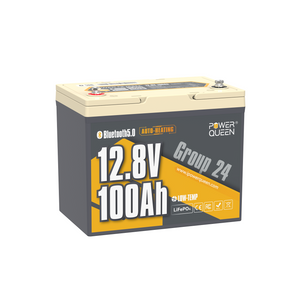
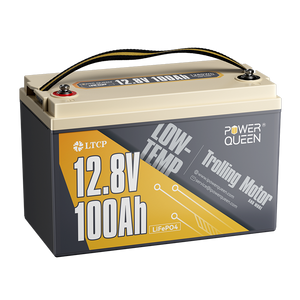
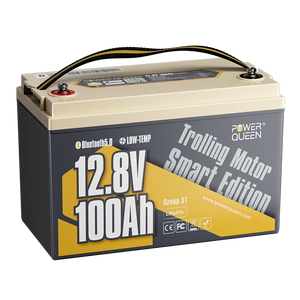
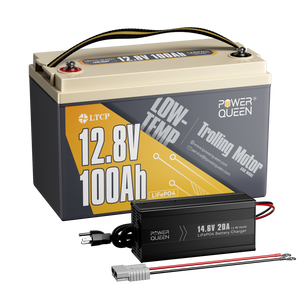
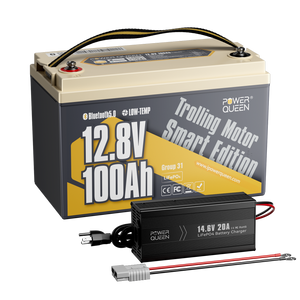
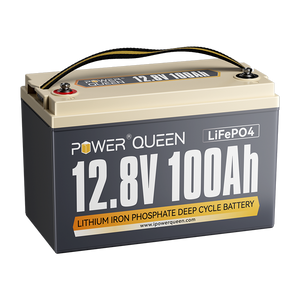
Integrated self-heating becomes especially useful in common cold-weather setups such as RV house batteries, trolling motors, and small off-grid systems. The Power Queen 12V 100Ah Self-Heating LiFePO₄ Battery is one example designed for these real-use scenarios.
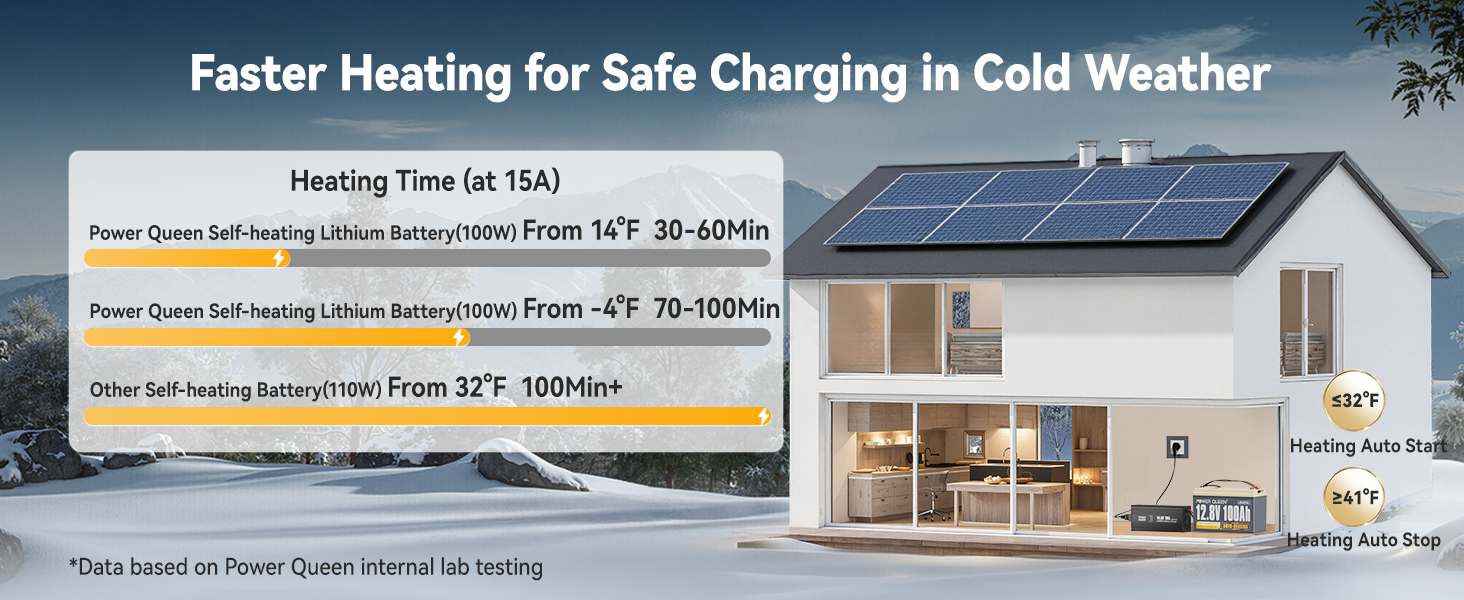
In freezing conditions, the battery automatically warms itself, and charging only begins once the internal temperature reaches a safe level, with the automatic heating activating below 41 °F. This simplifies winter operation, reduces maintenance steps, and helps prevent accidental damage caused by cold starts or overnight temperature drops. For users who store equipment outdoors or rely on winter power, integrated heating improves both reliability and peace of mind.

When Thermal Management Should Be a Priority
Thermal management should be considered essential whenever lithium batteries are used or charged in freezing environments. Frequent winter camping, outdoor battery storage, early-morning charging, and remote backup systems all increase the likelihood of cold-related battery issues.
Whether through self-heating batteries or carefully controlled charging environments, maintaining safe battery temperature is a key factor in protecting lithium batteries in cold weather and maximizing their usable lifespan.
💡 Related Blog: Do You Need Self-Heating Battery
FAQs
Do lithium batteries work in cold weather?
Yes, but expect reduced capacity and voltage. LiFePO₄ batteries perform better than most, especially when managed properly.
Can you charge lithium batteries in cold weather?
No, charging below 32 °F (0 °C) is risky without thermal management. Always warm the battery first.
How should lithium batteries be stored in winter?
Store at 41–68 °F (5–20 °C) and 40–60% charge. Avoid fully charged or fully discharged batteries in freezing conditions.
Does cold permanently shorten battery life?
Not if used and stored correctly. Cold increases stress on the battery, but proper thermal management mitigates risks.
How cold is too cold for a lithium-ion battery?
Charging below 32°F (0°C) is too cold unless the battery has heating or temperature protection. Discharging is usually possible in cold weather, but expect reduced runtime and voltage.
What is the 40/80 rule for lithium batteries?
The 40/80 rule means keeping the battery between 40% and 80% state of charge most of the time. This helps reduce stress and slows long-term capacity loss.
How to keep lithium batteries warm in winter?
Use an insulated battery box and consider a battery blanket, heating pad, or self-heating battery. Always warm the battery before charging in cold conditions.
Can lithium batteries be stored in an unheated garage?
Yes, but store them at 40–60% charge and avoid freezing temperatures. If the garage drops below 32°F (0°C), indoor storage is safer.
Can I leave my lithium batteries in my boat over the winter?
You can, but disconnect all loads, keep the battery dry, and store it at 40–60% charge. Avoid cold-weather charging, and bring it indoors in very cold climates.
Is it okay to store lithium batteries in the garage?
Yes if the garage stays dry and above freezing. For best results, store the battery at 41–68°F (5–20°C) and 40–60% charge.
Power Queen Note: Power Queen designs its family-oriented LiFePO₄ batteries with these same principles in mind—strength, care, and sustainable energy solutions—delivering safe and dependable power for RVs, boats, and home backup applications, even in cold winter conditions.