

















Volts vs Amps: The Real Difference Between Voltage and Current
Many people know what volts and amps are, yet struggle to explain the difference clearly. The confusion usually comes from mixing up electrical force with electrical flow. Once these two ideas are separated, the difference between volts and amps becomes straightforward and intuitive.
What Is the Difference Between Volts and Amps
The simplest explanation is this. Voltage is the push that moves electric charges. Current is how much electric charge actually moves. Voltage describes potential. Current describes motion.
Both are necessary for electricity to do useful work, but they answer different questions. Volts tell us how much energy each charge carries. Amps tell us how many charges move every second.
What Is Electricity in Simple Terms
An electric circuit always contains three basic elements. There is a source of energy, a load that consumes energy, and a closed path that allows energy to move between them.
Because electricity cannot be seen, analogies help. One of the most effective ways to understand volts vs amps is to compare electricity to water flowing through a system of pipes.
What Is Current (Amps)
Current measures the rate at which electric charge flows through a circuit. It is measured in amperes, usually called amps.
If more charge passes through a point in the circuit each second, the current is higher. If less charge passes through, the current is lower. Current does not describe how strong the push is. It only describes how much charge is moving.
Current in the Water Pipe Analogy
In a water system, current is like the amount of water flowing through a pipe each second. A wider pipe allows more water to flow at the same time.
In electrical systems, thicker wires are required when current is higher. This is why high current devices such as space heaters or electric ovens require heavier wiring than small electronics.

What Is Voltage
Voltage describes the electrical force that pushes charges through a circuit. It is also called electric potential difference and is measured in volts.
Voltage tells us how much energy is available per unit of charge. Higher voltage means each charge carries more energy, even if the amount of charge flowing does not change.
Voltage in the Water Tank Analogy
In the water analogy, voltage is the height difference between the water tank and the bucket. A higher tank creates more pressure, causing water to flow faster.
Likewise, higher voltage pushes electric charges more strongly through a circuit.

Volts vs Amps in Simple Terms
Voltage and current describe different aspects of the same system.
Voltage is pressure.
Current is flow.
You can fill a bucket faster either by increasing pressure or by increasing flow. The result may look similar, but the mechanism is different. This is the core of the volt vs amp difference.
| Aspect | Voltage (Volts) | Current (Amps) |
|---|---|---|
| What it describes | Electrical pressure that pushes charges | Amount of electric charge flowing |
| Water analogy | Height of the water tank | Flow rate of water in the pipe |
| Main role | Determines energy per charge | Determines how much charge moves |
| Effect on power | Higher voltage increases potential power | Higher current increases delivered power |
| Battery relevance | Determines system compatibility | Reflects real time power demand |
How Volts and Amps Work Together
Voltage alone does not determine current. The amount of current that flows depends on voltage and resistance together.
This relationship is described by Ohm’s law, which is introduced in basic electrical education by the U.S. Department of Energy.
Because resistance varies between devices, two devices connected to the same voltage source can draw very different currents.
Volts, Amps, and Watts Explained
Power describes how fast energy is delivered or used. Power is measured in watts.
One watt equals one joule of energy per second. In electrical systems, power is calculated by multiplying voltage by current.
This means voltage times current tells us how much energy is delivered every second.
Power Explained Through Energy and Time
If the same amount of energy is used quickly, power is high. If it is used slowly, power is low.
Electric systems work the same way. Voltage and current together determine how fast energy is transferred to a device.
Why 5V 3A and 3V 5A Deliver the Same Power
A system rated at 5 volts and 3 amps delivers 15 watts of power. A system rated at 3 volts and 5 amps also delivers 15 watts.
Although the voltage and current values differ, the total energy delivered per second is the same. One system uses higher pressure and lower flow. The other uses lower pressure and higher flow.
How Many Volts Is an Amp
An amp does not have a fixed number of volts. They measure different things.
The relationship between volts and amps depends on resistance. One amp flows when one volt is applied across one ohm of resistance. Change the resistance, and the relationship changes.

Why Devices List Both Volts and Amps
Voltage ratings tell you whether a device is compatible with a power source. Current ratings tell you how much electricity the device will draw or can safely handle.
This is why power adapters list both values. Exceeding either rating can cause overheating or failure.
Volts vs Amps for Battery Systems and Power Storage
In battery systems, volts vs amps determine compatibility and performance, but battery capacity explains how long power can be delivered. Voltage defines whether a battery works with a system, current reflects real time power demand, and capacity determines runtime.
This distinction is especially important when choosing lithium batteries for RVs, solar setups, or backup power. Two batteries may have the same voltage, yet perform very differently over time because of differences in capacity. That capacity is measured in amp hours, which describe how much current a battery can supply over a given period. A clear explanation of this concept is available in this guide on what an amp hour means in real world battery use: [Full Guide] What Is An Amp Hour (Ah)
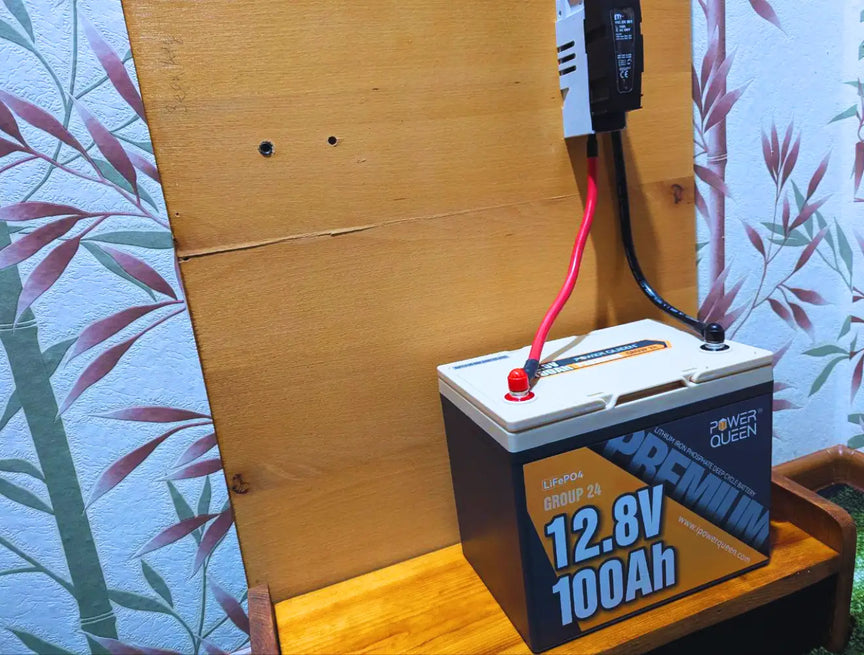
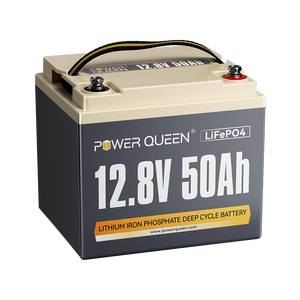
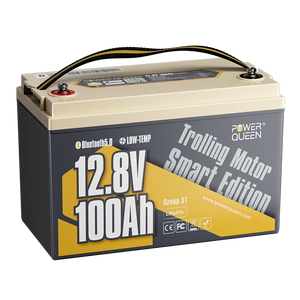
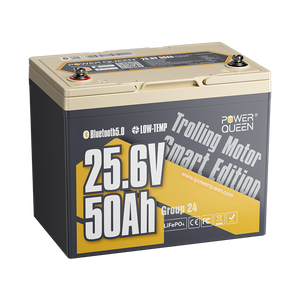
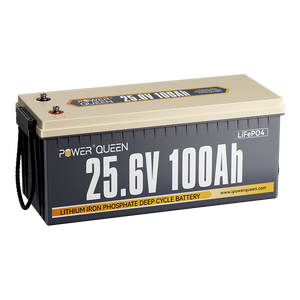
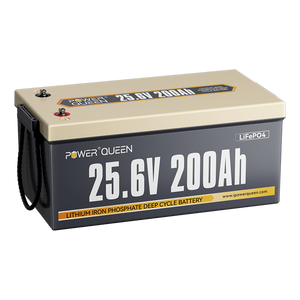
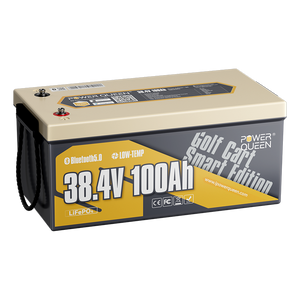
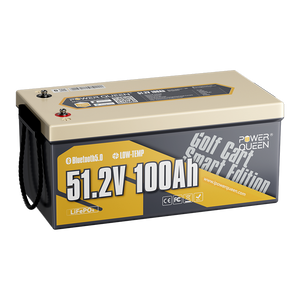
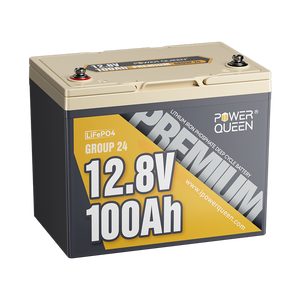
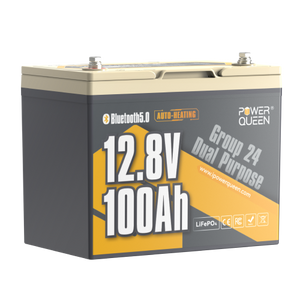
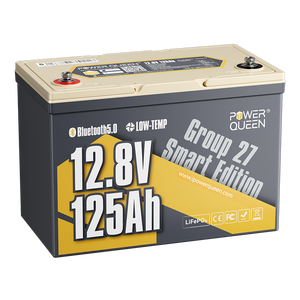
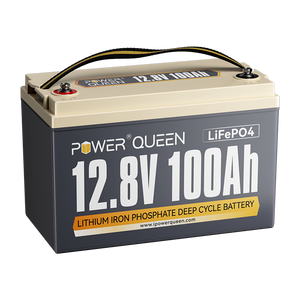
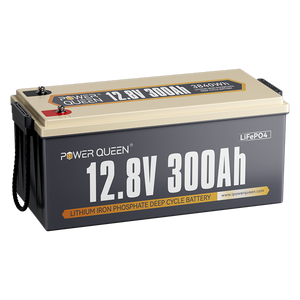
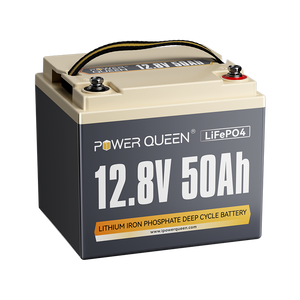
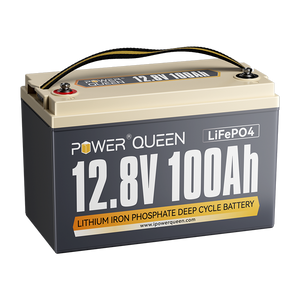
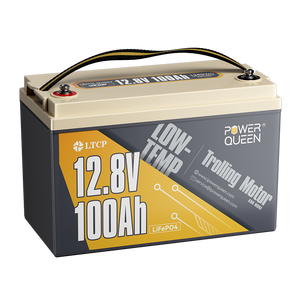
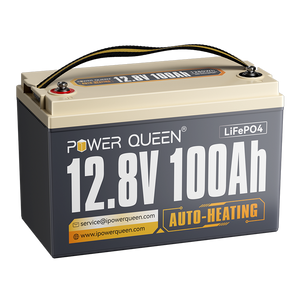
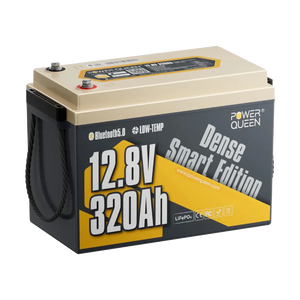
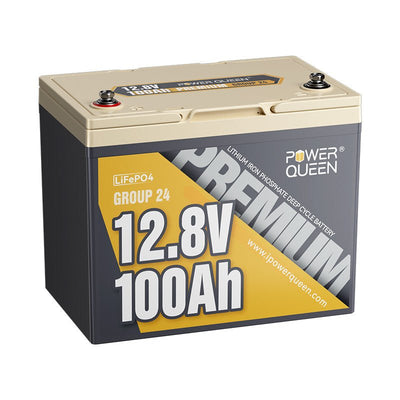
Understanding how amps relate to amp hours helps users select energy storage solutions such as Power Queen batteries that are designed to deliver stable voltage while supporting varying current demands over long runtimes.
Volts vs Amps in Everyday Life
In the United States, household wall outlets supply about 120 volts. A lamp draws little current, while a space heater draws much more, even though the voltage is the same.
Car batteries provide about 12 volts. When starting a car, the starter motor draws very high current for a short time.
USB chargers provide about 5 volts. Different devices draw different currents depending on their power needs.
Safety Differences Between Voltage and Current
Voltage determines whether current can pass through the body. Current determines how much damage occurs.
Electrical safety research from the U.S. Centers for Disease Control explains how current levels affect the human body.
Household electricity is dangerous because it combines sufficient voltage with available current.
Why Engineers Use Different Voltages and Currents
High voltage and low current are used for power transmission to reduce energy loss. Lower voltages are used inside homes and devices for safety and practicality.
This approach is taught in engineering education, including introductory circuit courses such as those published by MIT.
Volts vs Amps FAQs
Is higher voltage always better
Higher voltage is not always better. Power depends on both voltage and current.
Can current exist without voltage
In practical circuits, current does not flow without a voltage difference.
Why voltage and current must be considered together
Only by considering both can we understand how much power a system delivers.
Understanding volts vs amps helps you see how electrical systems really work, from simple devices to full battery setups. When voltage, current, and capacity are matched correctly, power becomes safer and more reliable. This is especially important in battery based systems, where solutions like Power Queen lithium batteries are designed to deliver stable voltage and dependable current for everyday energy needs.