










Converting Amperes to Watts: Formula, Examples & Calculator
Converting amperes to watts is simple once you know the voltage. Amps measure electrical current, while watts measure electrical power. Since voltage affects the final result, the same amp value can mean very different wattage in a 12V battery system, a 24V solar setup, or a 120V household outlet.
Basic amps to watts formula
Watts = Amps × Volts
Use this formula when you know the current and voltage.
This guide explains the amps to watts formula, shows practical examples, and includes an amps to watts calculator for batteries, solar systems, inverters, RVs, and everyday appliances.
👉Jump to Amps to Watts Calculator.
Part 1. Amps to Watts Conversion Table for Typical Voltages
Use the table below for quick estimates at common DC and AC voltages. These values assume a power factor of 1.
Quick Conversion Table for 12V, 24V, 48V and 120V
| Amps | 12V DC | 24V DC | 48V DC | 120V AC |
|---|---|---|---|---|
| 1A | 12W | 24W | 48W | 120W |
| 5A | 60W | 120W | 240W | 600W |
| 10A | 120W | 240W | 480W | 1,200W |
| 15A | 180W | 360W | 720W | 1,800W |
| 20A | 240W | 480W | 960W | 2,400W |
| 30A | 360W | 720W | 1,440W | 3,600W |
| 50A | 600W | 1,200W | 2,400W | 6,000W |
This table shows why voltage matters. For example, 10 amps equals 120 watts at 12V, but the same 10 amps equals 1,200 watts at 120V.
Part 2. What Are Amps, Watts and Volts?
Before using an amps to watts calculator, it helps to understand what each electrical term means. Amps, watts, and volts describe different parts of an electrical system.
What Is an Amp?
An amp, short for ampere, measures electrical current. Current is the amount of electricity flowing through a circuit. In practical use, amps are often listed on chargers, fuses, breakers, battery monitors, and appliance labels.
Higher amps mean more current is flowing. This is important when choosing wire size, fuse ratings, charge controllers, and inverter cables.
What Is a Watt?
A watt measures electrical power. It tells you how much power a device uses or produces at a specific moment. Appliances, solar panels, inverters, and generators are often rated in watts.
For example, a 60W light uses much less power than a 1,500W space heater. Watts help you compare the real power demand of different devices.
What Is a Volt?
A volt measures electrical pressure. Voltage pushes current through a circuit. Common battery systems include 12V, 24V, and 48V. Standard household outlets in the United States are commonly 120V.
Voltage is the reason amps alone cannot be converted to watts. You need both current and voltage to calculate power.
Part 3. Amps to Watts Formula
The standard amps to watts formula is simple. Multiply amps by volts to get watts.
Amps to watts formula
Watts = Amps × Volts
This formula works for most simple DC calculations.
For AC devices, especially motors and compressors, power factor may also affect the result.
DC Amps to Watts Formula
For DC power systems, such as batteries, solar setups, RV power systems, and marine electronics, the formula is direct.
DC amps to watts formula
W = A × V
Use this formula for batteries, RV systems, solar setups, and most low voltage DC circuits.
Example:
20A × 12V = 240W
A 20 amp load on a 12V battery system uses about 240 watts.
AC Amps to Watts Formula
For AC power, the formula may include power factor.
AC amps to watts formula
Watts = Amps × Volts × Power Factor
Use this formula for AC motors, pumps, compressors, and other loads where power factor matters.
If the power factor is not available, a basic amps to watts calculator can still give a useful estimate, but the real wattage may be different.
If you want a clearer explanation of the diferences of DC and AC see our guide on DC V.S AC?.
Part 4. Practical Amps to Watts Examples
The best way to understand amps to watts conversion is to compare examples. The formula stays the same, but the result changes with voltage.
1 Amp at 12 Volts in Watts
Formula: Watts = Amps × Volts
Calculation: 1A × 12V = 12W
So, 1 amp at 12 volts equals 12 watts. This is a common calculation for small battery powered devices, LED lights, and low current DC loads.
5 Amps at 12 Volts in Watts
Formula: Watts = Amps × Volts
Calculation: 5A × 12V = 60W
So, 5 amps at 12 volts equals 60 watts. A small 12V refrigerator, fan, or pump may fall near this range depending on the model.
10 Amps at 12 Volts in Watts
Formula: Watts = Amps × Volts
Calculation: 10A × 12V = 120W
So, 10 amps at 12 volts equals 120 watts. In a battery system, this is a moderate DC load and should be considered when estimating runtime.
10 Amps at 120 Volts in Watts
Formula: Watts = Amps × Volts
Calculation: 10A × 120V = 1,200W
So, 10 amps at 120 volts equals 1,200 watts. This is why a household appliance can require much more power than a low voltage DC device with the same amp rating.
Part 5. How to Convert Amps to Watts
To convert amps to watts, you only need two numbers: current and voltage. Once you have them, multiply amps by volts.
Step 1: Find the Amps
Look for the amp rating on the device label, charger label, fuse rating, circuit breaker, battery monitor, or product manual. It may be shown as A or amps.
For example, if a device label says 8A, the current is 8 amps.
Step 2: Find the Voltage
Next, identify the voltage of the system. Battery systems are commonly 12V, 24V, or 48V. Household appliances in the United States commonly use 120V AC.
For example, if a device runs on a 12V battery, the voltage is 12 volts.
Step 3: Multiply Amps by Volts
Conversion formula
Watts = Amps × Volts
Multiply the amp value by the voltage value to get watts.
Example:
8A × 12V = 96W
This means the device uses about 96 watts of power.
Part 6. How to Convert Watts to Amps
Sometimes you need to work in the opposite direction. This is common when sizing wires, fuses, breakers, batteries, inverters, and solar charge controllers.
Watts to Amps Formula
Watts to amps formula
Amps = Watts ÷ Volts
Use this formula when you know watts and need to calculate current.
Watts to Amps Example
Example 1:
1,200W ÷ 12V = 100A
A 1,200 watt load on a 12V battery system may draw about 100 amps before efficiency loss.
Example 2:
1,200W ÷ 24V = 50A
The same 1,200 watt load on a 24V system draws about 50 amps before efficiency loss.
This is why higher voltage battery systems can reduce current for the same power level.
| Watts | Amps at 12V | Amps at 24V | Amps at 48V | Amps at 120V |
|---|---|---|---|---|
| 300W | 25A | 12.5A | 6.25A | 2.5A |
| 600W | 50A | 25A | 12.5A | 5A |
| 1,000W | 83.3A | 41.7A | 20.8A | 8.3A |
| 1,500W | 125A | 62.5A | 31.3A | 12.5A |
| 2,000W | 166.7A | 83.3A | 41.7A | 16.7A |
Part 7. Amps to Watts Calculator
Use this amps to watts calculator to quickly convert electrical current into power. Enter the amps and volts, then select DC or AC. For AC loads, you can also enter the power factor if you know it.
Result: Please enter amps and volts.
How to Use the Amps to Watts Calculator
First, enter the current value in amps. Next, enter the system voltage. Then choose DC or AC. For AC loads with motors or compressors, enter the power factor if you know it.
For most DC systems, the calculator uses this formula:
Calculator formula for DC power
Watts = Amps × Volts
This is the most common formula for batteries, RV systems, solar systems, and other DC circuits.
For AC systems, the calculator can include power factor:
Calculator formula for AC power
Watts = Amps × Volts × Power Factor
This gives a better estimate for AC loads where power factor is known.
When to Use an Amps to Watts Calculator
Use an amps to watts calculator when comparing appliance power, estimating battery loads, checking inverter demand, sizing solar charge controllers, or planning RV and off grid power systems.
It is also useful when a device label shows amps instead of watts. With the correct voltage, you can quickly estimate how much power the device uses.

Part 8. Amps to Watts for Batteries, Solar and Inverters
Amps to watts conversion is especially useful for battery systems, solar setups, and inverters. These systems often use low voltage DC power, which can require high current for large loads.
Battery Load Example
If a 12V device draws 10 amps from a battery, the power use is:
Calculation: 10A × 12V = 120W
A 10 amp load on a 12V battery uses about 120 watts.
To estimate runtime, convert battery capacity into watt hours first.
Battery energy formula
Watt Hours = Amp Hours × Volts
This helps estimate how much energy a battery can store.
Example:
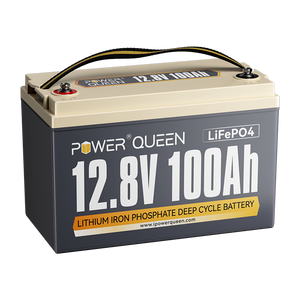
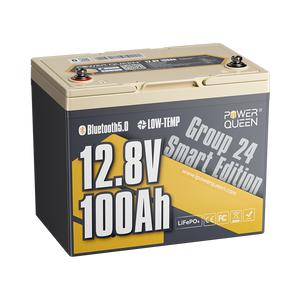
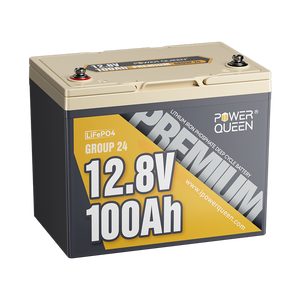
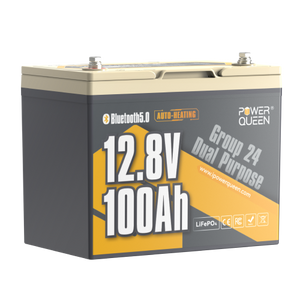
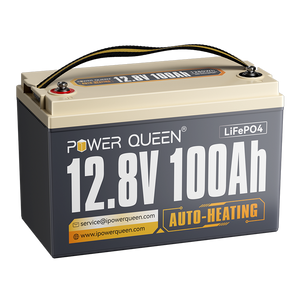
100Ah × 12V = 1,200Wh
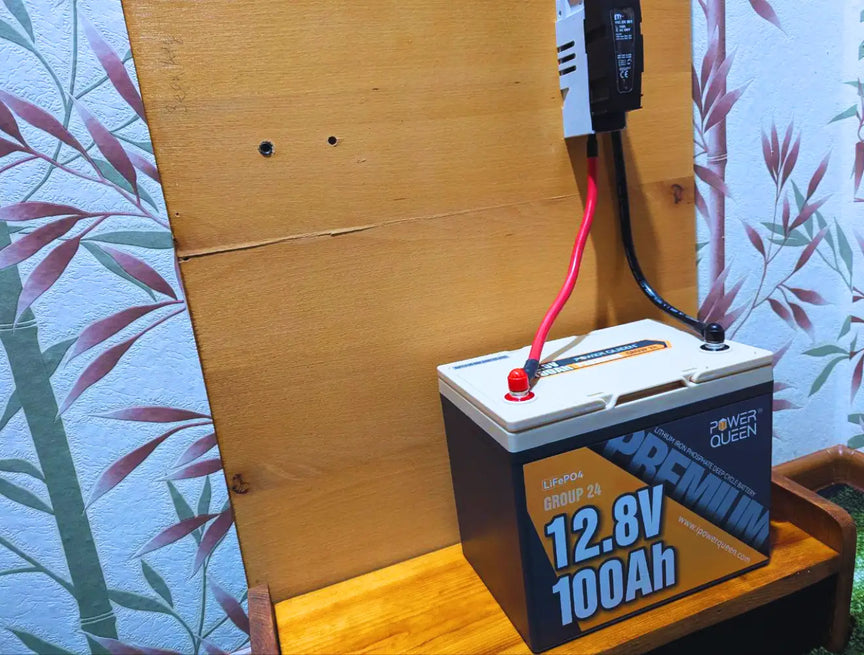
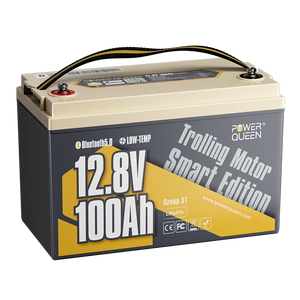
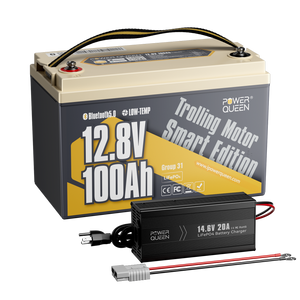
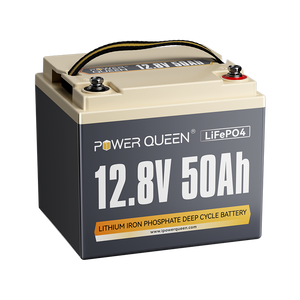
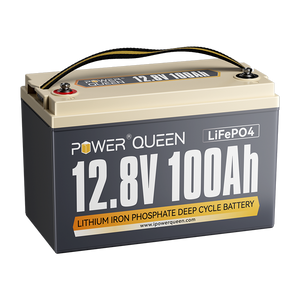
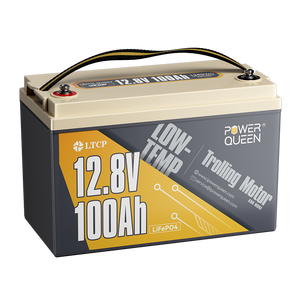
A 12V 100Ah battery stores about 1,200 watt hours before real world losses.
Battery runtime formula
Runtime Hours = Battery Watt Hours ÷ Load Watts
This gives a basic runtime estimate before real world losses.
Example:
1,200Wh ÷ 120W = 10 hours
Real runtime may be lower because of inverter loss, temperature, battery age, and usable capacity limits.
Solar Charge Controller Example
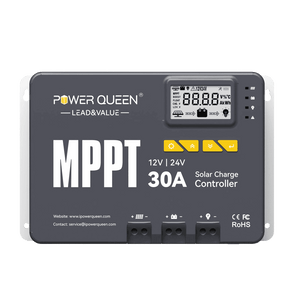
A solar charge controller rated at 30 amps can support different output wattage depending on battery voltage.
| Controller Rating | 12V System | 24V System | 48V System |
|---|---|---|---|
| 30A | 360W | 720W | 1,440W |
| 60A | 720W | 1,440W | 2,880W |
| 100A | 1,200W | 2,400W | 4,800W |
Always check the controller manual because rated solar input may depend on panel voltage, battery voltage, temperature, and controller design.
Inverter Current Example
An inverter changes DC battery power into AC household power. The AC current may look small, but the DC battery current can be much higher.
Example:
A 1,200W appliance may draw about 10 amps at 120V AC.
On a 12V battery system, that same load may draw about 100 amps before inverter loss.
This is why inverter cables, fuses, and battery banks must be sized carefully.
Part 9. FAQs About Amps to Watts
How do you convert amps to watts?
Use the formula Watts = Amps × Volts. For example, 10 amps at 12 volts equals 120 watts.
How many watts is 1 amp?
It depends on voltage. One amp equals 12 watts at 12V, 24 watts at 24V, 48 watts at 48V, and 120 watts at 120V.
How many watts is 10 amps?
Ten amps equals 120 watts at 12V, 240 watts at 24V, 480 watts at 48V, and 1,200 watts at 120V.
How many amps is 1,000 watts?
Use Amps = Watts ÷ Volts. At 12V, 1,000 watts is about 83.3 amps. At 24V, it is about 41.7 amps. At 48V, it is about 20.8 amps. At 120V, it is about 8.3 amps.
Can I convert amps to watts without voltage?
No. Voltage is required to convert amps to watts. Amps only measure current, while watts measure power. The formula needs both amps and volts.
Is DC amps to watts the same as AC amps to watts?
DC amps to watts usually uses Watts = Amps × Volts. AC amps to watts may also require power factor, especially for motors, pumps, compressors, and power tools.
Part 10. Conclusion
Converting amperes to watts is easy when you know the voltage. The main formula is Watts = Amps × Volts. For AC devices, power factor may also be needed for a more accurate result.
Use the examples, tables, and amps to watts calculator above for quick estimates. For batteries, solar systems, and inverters, always check the wattage, current draw, and system voltage together before choosing cables, fuses, charge controllers, or power equipment.