








What Is the Difference Between DC and AC?
DC and AC are two ways electricity moves. The difference is simple: DC flows in one direction, while AC constantly changes direction.
That single idea explains many everyday questions—why batteries power phones and RV systems, why wall outlets run household appliances, and why U.S. homes are wired the way they are.
In this guide, we’ll break down what DC and AC mean, how they differ, where you encounter each one in daily life, and why the power grid relies on AC, along with the safety and practical choices that actually matter.
What Are AC and DC? (Quick Definitions)
AC and DC are both forms of electric current, but they behave differently in how they move charge through a circuit. They can both deliver power, run devices, and produce heat, yet they are built for different strengths in the real world. Once you know the two definitions, everything else becomes easier to understand.
What Is Direct Current (DC)?
Direct current is electricity that flows steadily in one direction with a consistent polarity. In a DC circuit, one side stays positive relative to the other side, so the electrical push never flips. Batteries are the most familiar DC source, and they work this way because chemistry naturally creates a stable difference between two terminals.
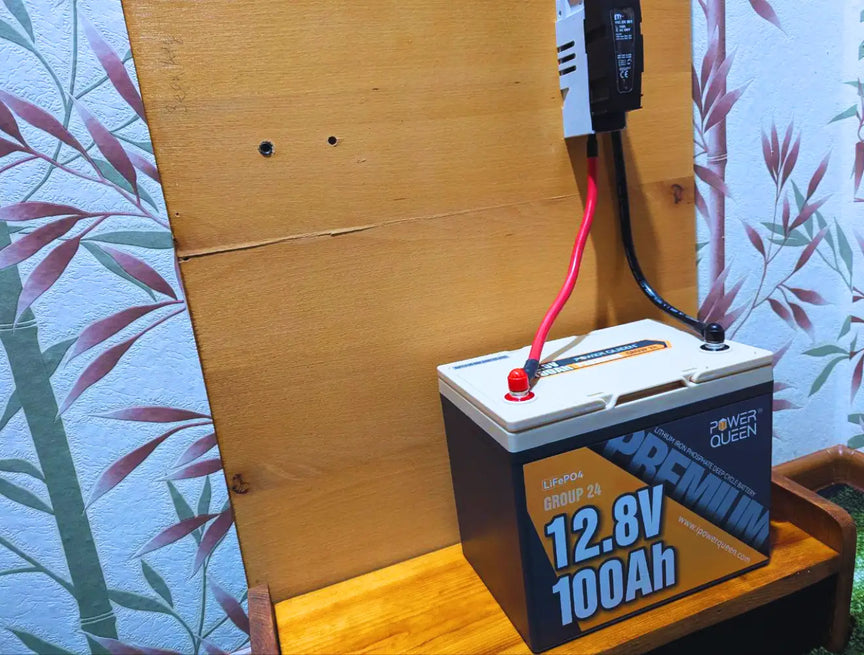
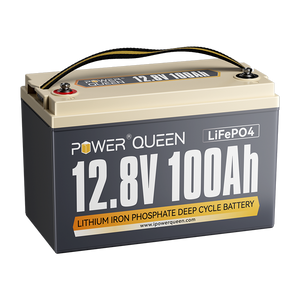
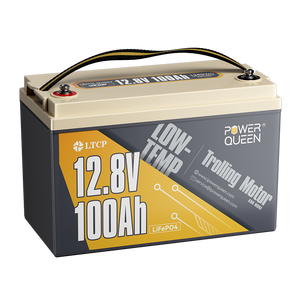
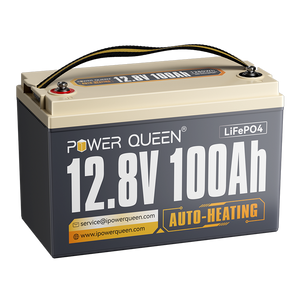
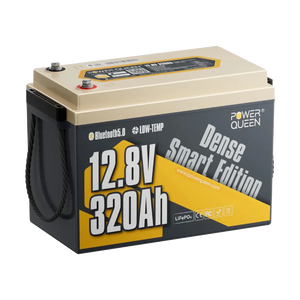
DC is also the natural language of electronics and energy storage. Chips, sensors, and LEDs rely on predictable voltage, and batteries store energy chemically and release it as a one direction flow. That is why power banks, EV batteries, and most home battery systems are DC at their core even if they later provide AC for convenience.
What Is Alternating Current (AC)?
Alternating current is electricity that reverses direction on a repeating cycle. Instead of maintaining one polarity, the voltage rises, falls through zero, flips polarity, and repeats continuously. In the United States, household electricity alternates at a stable rhythm that supports a synchronized national grid.
AC became the standard for grid and household power because it is easy to transform between voltage levels. That voltage flexibility makes long distance transmission efficient and allows electricity to be stepped down to safer levels for homes and businesses.

AC vs DC: The Key Differences (What You Really Need to Know)
The real difference between AC and DC comes down to direction, waveform behavior, and how voltage changes over time. These traits explain what each type is best at and why modern systems often use both.
Direction of Flow: One Way vs Back and Forth
DC pushes charge forward in one direction, while AC pushes charge forward and then reverses it again and again. You can picture DC as a steady one way push. AC behaves like a repeating back and forth push where the direction switches regularly.
A rope analogy makes the difference instantly memorable. Imagine an absurdly long rope that you continuously pull so it keeps moving in one direction at the same speed; that steady motion is like DC. Now imagine the rope is tied to a spring and you yank it one way and the spring yanks it back, over and over; that back and forth motion is like AC. The key takeaway is that DC maintains one directional push while AC repeatedly reverses.
Signal Shape: Flat Line vs Wave
DC appears steady on a graph, while AC rises and falls in a repeating wave. DC voltage is often shown as a mostly flat line because polarity stays the same. AC voltage is typically shown as a wave because it crosses zero, becomes negative, returns again, and repeats.
That waveform affects real devices. Motors and transformers can take advantage of AC’s repeating pattern, while electronics usually convert AC to DC because they need stable internal voltage.
Frequency: What 60 Hz Means in the U.S.
AC is defined by how fast it alternates, and in U.S. homes it alternates at 60 Hz. Sixty Hertz means sixty cycles per second, which is why people sometimes call it “60 cycle power.” Educational references commonly describe U.S. household supply as about 120 volts effective at 60 Hz, which matches what consumers see at outlets.
Frequency matters because many systems are designed around it. Grid operators maintain frequency tightly for stability, and some motor behavior depends on it, even though most consumers never need to think about Hertz day to day.
AC vs DC Voltage: Constant vs Alternating Polarity
The simplest way to understand AC vs DC voltage is polarity: DC stays one polarity while AC flips polarity repeatedly. In DC, one terminal remains positive relative to the other in a stable way. In AC, the positive and negative sides switch back and forth.
This matters because electronics cannot run directly on constantly reversing polarity. Most digital circuits require stable DC rails, which is why devices that plug into the wall almost always convert AC into regulated DC internally.

Where You Use AC and DC in Everyday Life
You live in an AC world on the outside and a DC world on the inside, because homes receive AC but many devices run on DC internally. This is why adapters, chargers, and power bricks are so common.
Is a House AC or DC Power? (Short Answer)
A typical U.S. home receives AC power from the electric grid. Your outlets and breaker panel are designed around alternating current, and standard circuits are commonly described as around 120 volts effective at 60 Hz.
That does not mean everything in the home “runs on AC.” Many devices convert AC to DC internally the moment you plug them in.
Where DC Shows Up: Batteries, Electronics, Solar
DC shows up wherever you see batteries, charging, and modern electronics. Phones, laptops, routers, wireless devices, and most smart home electronics rely on DC because stable polarity supports predictable operation.
Solar power begins as DC because photovoltaic panels generate DC electricity directly. Solar systems then store DC in batteries or convert it into AC so it can power standard home circuits.
Where AC Shows Up: Outlets, Appliances, The Grid
AC shows up wherever power needs to be distributed broadly and used by many types of devices. Wall outlets provide AC, and many large appliances are designed with AC supply in mind because it is what buildings receive.
AC is also the backbone of utility distribution. It was adopted because it allowed voltage to be transformed efficiently, which supported long distance transmission and safe household delivery.
Why Many “AC Devices” Are Actually DC Inside
Many devices that plug into AC are actually DC devices on the inside, because electronics need stable voltage. Televisions, laptops, gaming consoles, and Wi Fi routers all convert incoming AC into stable DC rails.
This is why chargers exist even though the wall already provides electricity. The grid delivers power in a format that travels and transforms well, while devices need a format that runs chips reliably.

Why the Power Grid Uses AC (And When DC Is Still Used)
The grid relies on AC primarily because it makes voltage changes practical, which makes transmission and distribution efficient. That design decision shaped the entire modern electric system.
The Practical Advantage of Transformers
Transformers are the biggest practical reason AC dominates the grid, because they step down high line voltage to levels safe for consumers. The U.S. Department of Energy explains that distribution transformers step down electricity voltage from higher line voltages so it can be safely used in homes and other customer loads. (Source: U.S. Department of Energy: Distribution Transformers)
This step down process is essential. Power lines carry electricity at higher voltages to reduce losses, but homes need a much lower voltage for safe everyday use.
Long Distance Transmission: Why Voltage Changes Matter
Long distance transmission works best at high voltage because high voltage reduces the current needed for the same power, which reduces heat loss. That is why utilities transmit power at higher voltages and then step it down close to where people actually use it.
AC made this easier historically because transformers work naturally with alternating current. This is a major reason AC systems scaled into wide area networks.
Why Some Modern Systems Use High Voltage DC
DC is still used in some modern transmission projects because it can be efficient for certain long distance routes and interconnections. While most household delivery is AC, the modern grid includes strategic DC segments where engineering benefits outweigh conversion complexity.
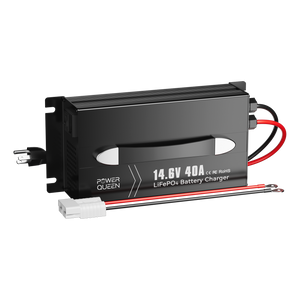
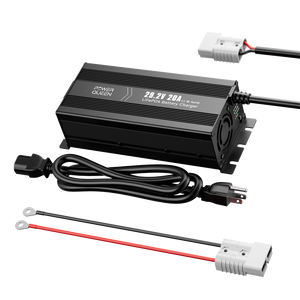
How Power Supplies Convert AC to DC (Why Chargers Exist)
Most consumer power supplies exist because outlets provide AC but electronics and batteries need DC. Conversion is what allows the grid to power modern technology without forcing every device to operate on AC directly.
Rectification: Turning AC into One Direction Current
Rectification is the step where a power supply converts alternating current into a one direction flow. This is typically done with diodes, which allow current to pass in only one direction, turning the back and forth input into a DC like output.
Rectification is essential for charging and electronics. Without it, batteries would not accept power correctly and circuits would not operate reliably.
Regulation: Making DC Smooth and Stable
Regulation is what makes the output clean and stable so electronics can safely use it. After rectification, voltage can still fluctuate, so power supplies smooth and regulate it to deliver consistent outputs like 5V USB power.
Stable DC is the reason quality chargers matter. A poorly regulated supply can create noise and stress components, while a well designed supply protects devices and improves reliability.
Inverters: Turning DC Back into AC
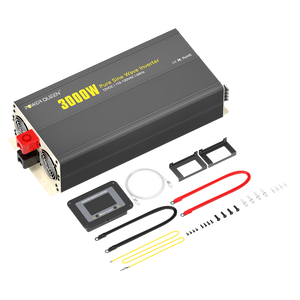
An inverter lets you run everyday AC appliances from a DC battery, which is why it matters for outages, RV travel, and solar plus storage systems. Batteries store power as DC, but most household devices expect AC from a wall outlet, so the inverter is the bridge that makes stored energy usable.
In real life, an inverter is what turns a battery into a true backup plan. Without one, you can store energy but you cannot easily power common plug in items like a refrigerator, coffee maker, laptop charger, or small tools. With the right inverter, those same devices can run like they were connected to a normal outlet.
Wattage is the first thing to decide because it determines what you can run safely. A lower watt inverter is fine for charging and light loads, but appliances with motors and heating elements demand more capacity, especially at startup.
Read More: [Newest] Everything You Need to Know about Pure Sine Wave Inverter

How to Choose Between 2000W and 3000W Inverters
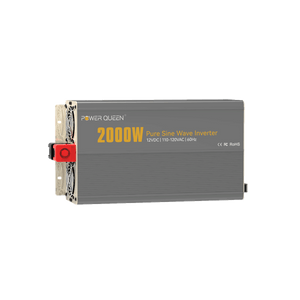
A 2000W inverter is a strong fit for many essential loads, while a 3000W inverter is better when you want more flexibility or heavier appliances. If your goal is to keep basics running, such as charging devices, powering lights, running a TV, and handling smaller kitchen tools, 2000W is often a practical size. If you want a setup that feels closer to normal household power, especially when running multiple loads at once or powering higher demand appliances, 3000W gives more breathing room.
The main reason people move from 2000W to 3000W is surge demand and load stacking. Appliances like refrigerators, freezers, pumps, and power tools can draw more power at startup than they do while running, and running several items together adds up quickly.
For people building a battery based power setup, Power Queen’s 2000W and 3000W inverter options are a practical match for common U.S. use cases. These sizes align well with backup power needs, RV setups, and solar plus battery systems, and they let users run AC appliances from stored DC power without making the system feel complicated.
Source context on why inverters are central in solar and storage systems: U.S. Department of Energy: Solar Energy Basics

Safety and Practical Choice: When to Use Which
Safety depends on voltage, current, contact time, and the path through the body, not just whether power is AC or DC. Both can be dangerous, and the safest approach is to treat electricity with respect regardless of type.
Is AC More Dangerous Than DC?
AC can sometimes be harder to let go of at household frequencies, but both AC and DC can be deadly at harmful levels. Alternating current can trigger muscle contractions that prolong contact, while high voltage DC can cause severe burns and fatal effects.
Protection systems matter more than labels. Grounding, insulation, breakers, and proper wiring practices are what prevent accidents in real homes and real equipment.
When DC Is the Better Choice
DC is usually the better choice when you need energy storage, portability, or stable power for electronics. Batteries store and output DC, and electronics rely on stable rails to operate reliably.
DC also fits well in low voltage systems. Many devices are designed around USB, automotive, and battery based power because it is practical and controllable.
When AC Is the Better Choice
AC is usually the better choice when you need broad distribution and simple voltage transformation. Homes receive AC because it matches the grid design and supports transmission at high voltage with manageable losses.
AC also remains practical for many traditional appliance designs. Many heating loads and large household systems can use AC directly without needing the same kind of tight regulation as electronics.
Quick Comparison Table: AC vs DC
A simple way to remember the difference is that AC is best for distribution, while DC is best for electronics and storage. This table summarizes the key points in plain English.
| Topic | DC | AC |
|---|---|---|
| Current direction | One direction | Reverses repeatedly |
| Typical sources | Batteries, solar panels | Electric grid, generators |
| Voltage behavior | Stable polarity | Alternating polarity |
| Best for | Electronics, storage | Distribution, voltage changes |
| What homes receive | Mostly inside devices | Outlets and breaker panels |
FAQs About AC vs DC
Most common questions are really about where power comes from, how it gets converted, and what type of electricity your home actually receives. These answers keep the focus on practical clarity.
Can AC Be Stored in a Battery?
AC cannot be stored directly because batteries store energy chemically and output DC. Grid power must be converted from AC to DC before it can be stored.
Is Solar Power AC or DC?
Solar panels generate DC, and homes usually use AC, so conversion is typically required. Inverters transform solar DC into household AC so it works with standard circuits.
Why Do Phones and Laptops Use DC?
Phones and laptops use DC because electronics require stable voltage and batteries store DC energy. Chargers exist to convert wall AC into regulated DC.
Does the U.S. Grid Use Only AC?
The U.S. grid is mostly AC for distribution to homes, but it also includes DC in certain high voltage transmission situations. For homeowners, the key point is that the power delivered to the house is still AC.
Final Takeaway: The Easy Way to Remember AC vs DC
The easiest way to remember it is this: the grid delivers AC, but modern devices run on DC. Homes use AC because it is practical for transmission and voltage changes, while electronics depend on DC because it is stable and compatible with chips and batteries. Once you see it that way, chargers, solar systems, and battery backups become logical bridges between two useful formats.