





Marine vs. RV Deep Cycle Batteries: What’s the Difference?
A Deep Cycle Marine Battery and a Deep Cycle RV Battery both provide reliable power for extended periods, but they are designed for different environments and energy needs. The main difference is that marine batteries are usually built around trolling motors and boat electronics, while RV batteries focus on long-lasting power for appliances and off-grid living. Choosing the right battery depends more on your power requirements than the label on the battery.
Deep Cycle Marine Battery vs. Deep Cycle RV Battery: Quick Answer
A marine battery is typically better for high-current boat applications, while an RV battery is usually better for longer household-style energy use.
| Feature | Deep Cycle Marine Battery | Deep Cycle RV Battery |
|---|---|---|
| Main Use | Trolling motors, fish finders, boat electronics | RV appliances, lights, pumps, inverters |
| Power Demand | Higher short-term current changes | Longer continuous energy consumption |
| Environment | Moisture, vibration, temperature changes | Indoor or enclosed battery compartments |
| Key Priority | Discharge power and durability | Capacity and usable energy |
| Common Systems | 12V, 24V, 36V | Mainly 12V, sometimes 24V or 48V |
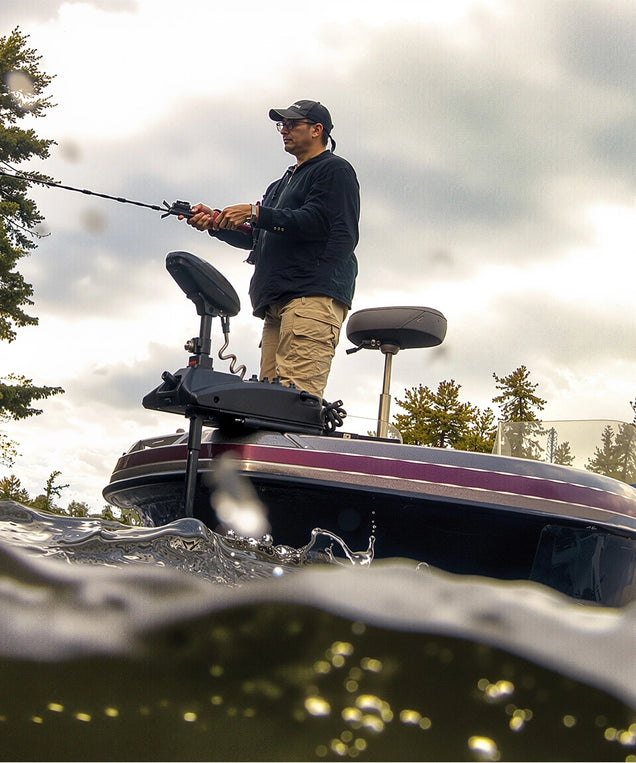
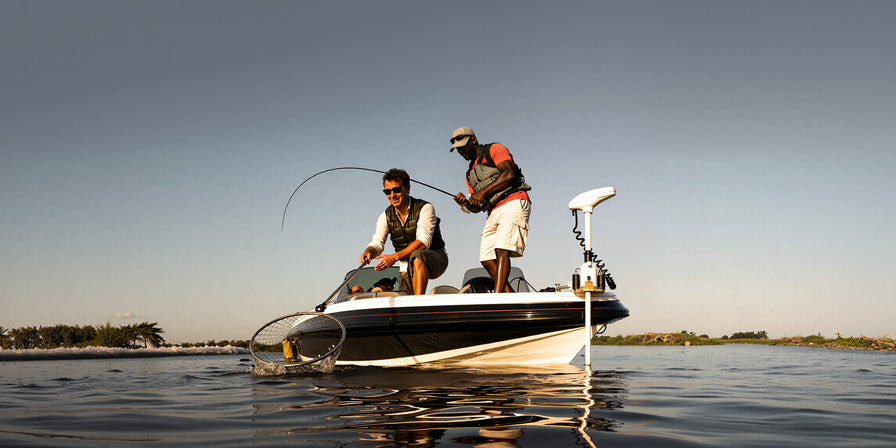
For example, a bass fisherman using a trolling motor on a Florida lake may need strong continuous current output, while an RV traveler camping in Arizona BLM areas may prioritize more total energy for refrigerators, lights, and electronics.
What Is a Deep Cycle Marine Battery?
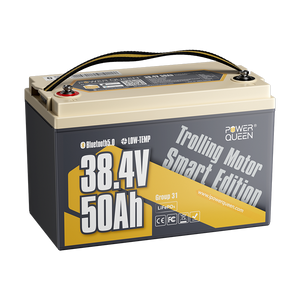
A Deep Cycle Marine Battery is designed to deliver steady power for boat equipment over extended periods.
Unlike a starting battery that provides a quick burst of power to start an engine, a deep cycle battery is built for repeated discharge and recharge cycles. Common marine uses include trolling motors, sonar systems, navigation equipment, livewell pumps, and lighting.
Marine applications create unique challenges because batteries are exposed to vibration, humidity, and changing weather conditions. According to NOAA, marine environments can experience significant temperature, moisture, and weather variations, making proper battery protection and installation important.
The most important specifications for a marine battery include:
| Specification | Why It Matters |
|---|---|
| Continuous Discharge Current | Supports trolling motor operation |
| Battery Capacity | Determines fishing runtime |
| Voltage | Must match trolling motor requirements |
| Protection Features | Helps handle marine conditions |
A larger battery is not always better. A 24V or 36V trolling motor requires the correct voltage system, not simply a higher capacity 12V battery.
Related Reading: [Full Guide] Trolling Motor Battery System: 12V, 24V, or 36V?
What Is a Deep Cycle RV Battery?
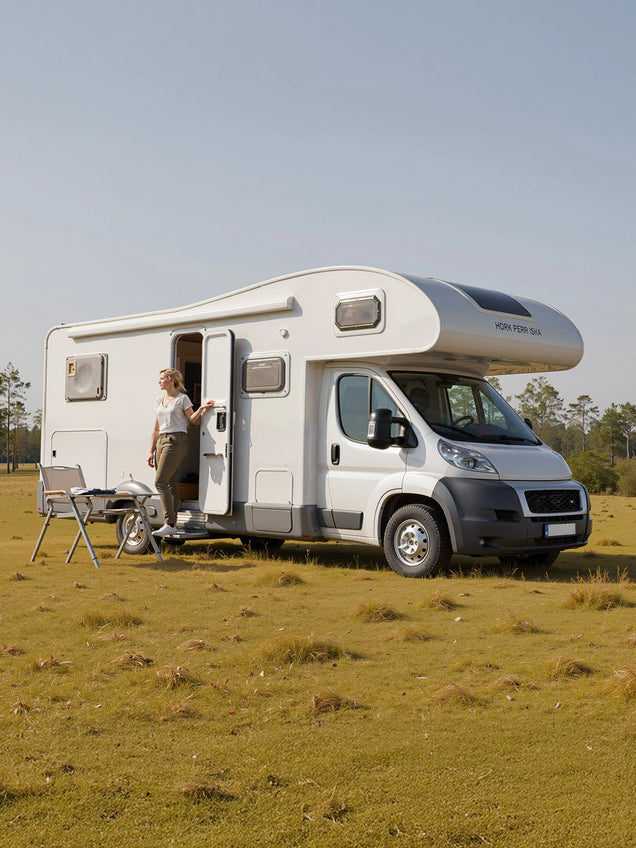
A Deep Cycle RV Battery is designed to store energy for RV living and off-grid camping.
RV batteries commonly power refrigerators, lights, water pumps, fans, control systems, and inverter-connected appliances. Unlike the chassis battery that starts the engine, the RV house battery provides energy for daily living.
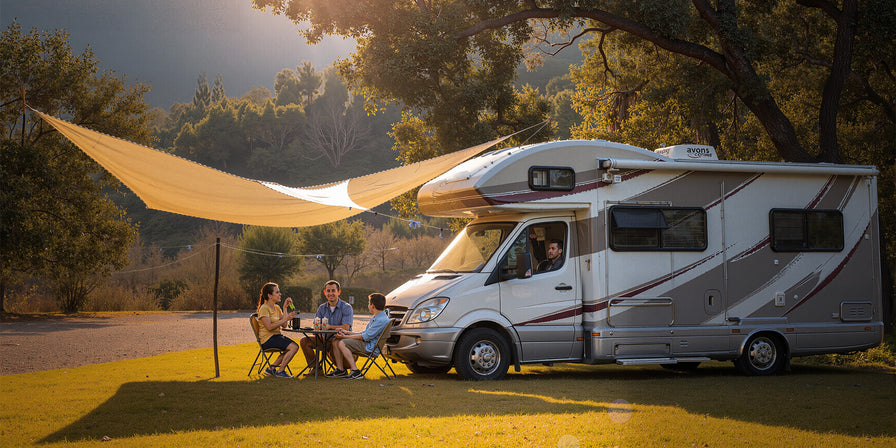
For example, a family camping in Colorado without hookups may rely on battery power overnight for a refrigerator, lights, phones, and small appliances.
The most important factors for RV batteries are:
| Factor | Why It Matters |
|---|---|
| Usable Capacity | Determines how long appliances can run |
| Inverter Support | Handles AC appliance loads |
| Charging Compatibility | Works with solar, converter, or alternator charging |
| Battery Size | Fits the RV battery compartment |
The U.S. Department of Energy explains that battery performance depends on factors such as temperature, charging conditions, and depth of discharge, which are especially important for off-grid applications.
Read More: Deep Cycle RV Battery: A Complete Guide

Key Differences Between Marine and RV Deep Cycle Batteries
The biggest difference is how energy is consumed.
Marine systems often have changing power demands. A trolling motor may draw much more current at high speed, while electronics such as fish finders use much less power.
RV systems usually have smaller individual loads but require energy over a longer period. A refrigerator may cycle all day, and multiple devices may run at the same time.
A battery designed for one application can sometimes work in the other, but only if the electrical requirements match.
Can You Use a Marine Battery in an RV?
Yes, a marine battery can work in an RV if it meets the RV system requirements.
The battery must have the correct voltage, enough capacity, proper discharge capability, and compatibility with the RV charging system.
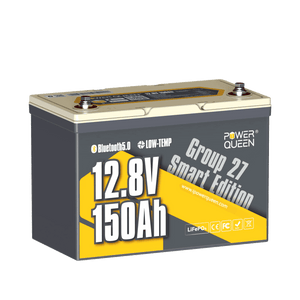
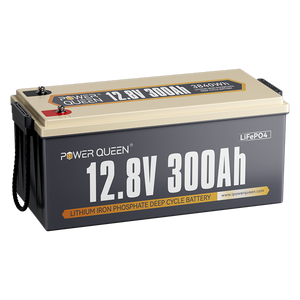
A dedicated deep cycle lithium marine battery may work well in an RV because many modern LiFePO4 batteries are designed for both mobile and off-grid applications.
However, a marine starting battery or dual-purpose battery may not provide enough usable energy for RV house loads because it is designed to balance engine starting and deep cycling.
Can You Use an RV Battery on a Boat?
Yes, an RV deep cycle battery can power a boat if it meets the marine requirements.
The battery must match the trolling motor voltage and provide enough continuous current. It should also be installed securely and protected from water exposure.
An RV battery should not be used to start a boat engine unless the manufacturer provides a suitable starting rating. Deep cycle batteries are designed for steady energy delivery, not short high-current engine starts.


LiFePO4 vs. Lead Acid for Marine and RV Applications
LiFePO4 batteries are becoming popular in both marine and RV applications because they provide more usable energy with less weight.
| Feature | Lead Acid | LiFePO4 |
|---|---|---|
| Usable Capacity | Around 50% recommended depth of discharge | Often 80% to 100% usable |
| Weight | Heavier | Much lighter |
| Voltage Stability | Drops as battery discharges | More stable output |
| Maintenance | Requires more care | Low maintenance |
| Cycle Life | Shorter | Much longer |
| Initial Cost | Lower | Higher |
For boaters, lower weight can improve boat balance and make installation easier. For RV users, lighter batteries increase available payload capacity.
The National Renewable Energy Laboratory notes that lithium-based energy storage technologies offer advantages in efficiency, cycle life, and weight compared with traditional battery technologies.
Read More: Deep Cycle Redefined: Why LiFePO4 is the Modern Alternative to Lead Acid
How to Choose the Right Deep Cycle Battery
The best battery choice depends on four factors: voltage, capacity, discharge rating, and charging compatibility.
First, match the voltage. A 36V trolling motor needs a 36V battery system, while most RV house systems use 12V batteries.
Second, calculate your energy needs. Boat owners should estimate motor runtime, speed, and fishing conditions. RV owners should calculate daily appliance consumption and desired off-grid time.
Third, check continuous discharge capability. A battery must support the highest expected load without triggering protection.
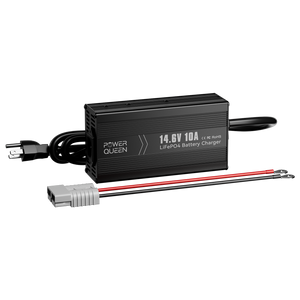
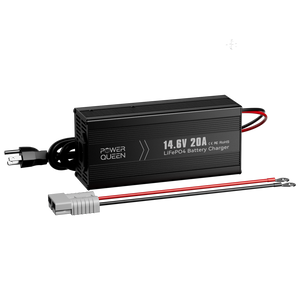
Finally, confirm charger compatibility. Lithium batteries require proper charging settings to achieve full performance and long service life.
Related Blog: Deep Cycle Battery: Everything You Need to Know
Frequently Asked Questions
Is a Deep Cycle Marine Battery the Same as an RV Battery?
No. Both are deep cycle batteries, but marine batteries are optimized for boat environments while RV batteries focus on household-style energy use.
Can I Use a Marine Battery for My RV?
Yes, if the voltage, capacity, discharge rating, and charging system are compatible.
Can I Use an RV Battery for a Trolling Motor?
Yes, if the battery matches the trolling motor voltage and provides enough continuous current.
Which Is Better for Boondocking, Marine or RV Batteries?
A deep cycle RV battery is usually the better choice because boondocking requires longer energy storage for appliances and electronics.
Are LiFePO4 Batteries Better for Boats and RVs?
For many users, yes. LiFePO4 batteries offer longer life, lighter weight, and more usable capacity compared with lead acid batteries.
Final Thoughts
A Deep Cycle Marine Battery is usually the better choice for trolling motors, fishing electronics, and demanding boat conditions. A Deep Cycle RV Battery is typically better for appliances, inverters, and extended off-grid camping.
However, the best battery is not determined by the name on the label. The right choice depends on matching your system voltage, energy needs, discharge requirements, and charging setup.