








Inverter vs Converter: Key Differences Explained
Inverter vs Converter comes down to one main difference: an inverter changes DC electricity into AC electricity, while a converter changes AC electricity into DC electricity or adjusts DC voltage. Both devices manage electrical power, but they serve different purposes in RVs, solar systems, boats, battery banks, and backup power systems.
Knowing which device you need can help you charge batteries correctly and run appliances more efficiently.
Inverter vs Converter: What Is the Difference?
The difference between an inverter and converter is mainly the direction in which electricity is changed. An inverter normally takes DC power stored in a battery and turns it into AC power for household appliances, while a converter commonly turns AC power into DC power or changes one DC voltage to another.
The U.S. Department of Energy confirms that an inverter converts direct current electricity into alternating current electricity. This process is especially important in solar systems because solar panels produce DC electricity while most household appliances use AC electricity.
To clear up any confusion between AC and DC, check out our latest blog post: What Is the Difference Between DC and AC?
Inverter vs Converter Comparison Table
| Feature | Inverter | Converter |
|---|---|---|
| Main function | Converts DC to AC | Converts AC to DC or changes DC voltage |
| Typical input | DC power | AC or DC power |
| Typical output | AC power | DC power |
| Common power source | Battery or solar system | Shore power, generator, or battery |
| Typical use | Powering AC appliances | Charging batteries or supplying DC equipment |
| Common systems | RV, solar, marine, backup power | RV, marine, automotive, battery systems |
What Is an Inverter?
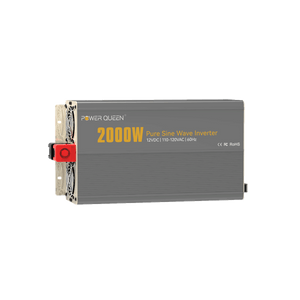
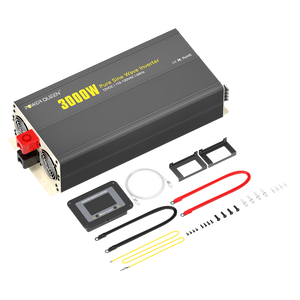
An inverter converts DC electricity into AC electricity that standard appliances can use. Batteries and solar panels supply DC electricity, but many appliances in American homes and RVs are designed to operate on AC power.
An inverter makes stored battery energy practical for everyday appliances. For example, an RV owner camping in Arizona without shore power can use a battery and inverter to operate a television, laptop charger, coffee maker, or other 120 volt AC equipment.
How an Inverter Works
An inverter creates AC power by electronically controlling and switching a DC input. The U.S. Department of Energy explains that an inverter rapidly switches the direction of a DC input so that the output behaves as alternating current.
The inverter must match both the battery voltage and appliance power demand. A 12 volt battery system normally requires a 12 volt inverter input, while the inverter wattage must be high enough to handle the appliances operating at the same time.
Related Reading: What Does an Inverter Do in an RV? (A Beginner's Guide to Selection)
Common Types of Inverters
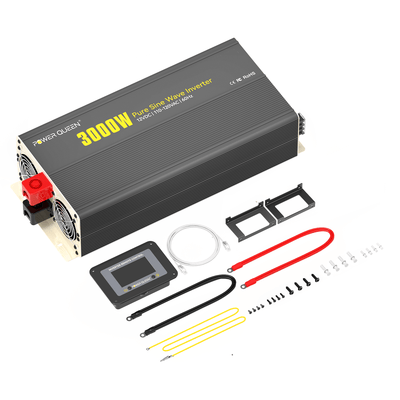
Pure sine wave inverters are generally the better choice for sensitive electronics and modern appliances. They produce smooth AC output that is better suited to refrigerators, televisions, computers, audio equipment, and appliances containing electronic controls.
Read More: [Newest] Everything You Need to Know about Pure Sine Wave Inverter
Modified sine wave inverters provide a simpler form of AC power at a lower equipment cost. They can operate some basic devices, but certain motors, electronics, and chargers may run less efficiently or produce unwanted noise.

What Is a Converter?
A converter changes electrical power into the form or voltage required by another device. In RV and battery applications, it commonly changes AC electricity from shore power into DC electricity that can operate 12 volt equipment and recharge a battery.
A converter can also change one DC voltage into another DC voltage. The U.S. Department of Energy describes power electronic devices as equipment that can convert between voltage levels and between AC and DC electricity depending on how the electricity will be used.
How a Converter Works
A converter supplies usable DC power when an AC source is available. In a typical U.S. RV campground, connecting an RV to shore power allows the converter to use that AC supply to support the RV's DC electrical system and recharge the house battery.
The converter must also provide charging conditions suitable for the battery. This is especially important for LiFePO4 batteries because the charging voltage and charging method should match the specifications provided by the battery manufacturer.
Common Types of Converters
AC to DC converters are commonly used for battery charging and low voltage electrical systems. They are frequently found in RVs, boats, electronics, and other systems where AC electricity must supply DC equipment.
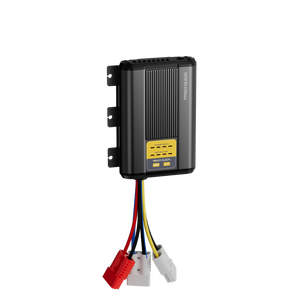
DC to DC converters are used when two parts of a system operate at different DC voltages. For example, a vehicle may use a DC to DC charger to manage charging between the starting electrical system and a separate house battery bank.
Key Differences Between an Inverter and Converter
The biggest difference between an inverter and converter is what happens to the incoming electricity. An inverter primarily provides AC power from a DC source, while a converter primarily provides or regulates DC power.
Power Conversion Direction
An inverter is the correct device when DC battery power needs to operate an AC appliance. A camper using a 12 volt battery to run a standard AC coffee maker, for example, would need an inverter between the battery and appliance.
A converter is the correct device when AC electricity needs to become DC electricity or DC voltage needs adjustment. An RV plugged into campground power commonly uses this process to support its low voltage electrical equipment and battery charging system.
Applications and Efficiency
The best device depends on whether you need to power appliances or manage charging. Inverters are commonly associated with appliances, while converters are commonly associated with battery charging and DC equipment.
Correct sizing also improves system performance. An inverter that is too small may shut down when demand increases, while unnecessarily large equipment can cost more and consume additional standby power.
Inverter vs Converter for RV, Solar, and Battery Systems
Many RV and solar systems need both an inverter and converter because the two devices solve different electrical problems. One helps use stored battery energy, while the other helps supply or recharge the DC system when another power source is available.
RV Power Systems
An RV inverter is useful when you want AC electricity without being connected to shore power. A family camping at a remote U.S. state park could use a LiFePO4 battery bank and inverter to power selected 120 volt appliances while camping away from electrical hookups.
An RV converter is useful when external AC power is available. Once the RV is connected to campground power, the converter can provide DC electricity for onboard systems and support battery charging.
Related Reading: 4 Signs To Know If RV Converter Is Charging Battery
Using both devices gives an RV greater flexibility. The converter supports charging when shore power is available, while the inverter makes stored battery energy available to AC equipment when shore power is unavailable.
Solar and Battery Systems
A solar system generally needs an inverter when its DC electricity will power AC loads. According to the U.S. Department of Energy, photovoltaic panels generate DC electricity, while an inverter converts that electricity into AC power suitable for the electrical grid and common household loads.
A home battery system can also use an inverter to supply electricity during certain outages when the system is designed for backup operation. For example, a U.S. homeowner with solar panels and compatible battery storage may use stored DC energy through an inverter to operate selected household circuits when grid electricity is unavailable.

How to Choose an Inverter or Converter
The easiest way to choose is to identify your power source and the equipment you need to operate. If you have DC battery power and need AC electricity, choose an inverter. If you have AC power and need DC electricity or battery charging, a converter is usually required.
Voltage, Wattage, and Surge Power
Inverter capacity should be based on the electrical load you expect to run. Add the wattage of appliances that may operate together and choose an inverter with sufficient continuous output.
Surge power should also be considered for appliances with motors or compressors. Refrigerators, pumps, air conditioners, and power tools may briefly require substantially more power when starting than during normal operation.
Battery voltage must match the inverter input specification. A 12 volt battery system should normally be paired with equipment designed for a 12 volt input, while 24 volt and 48 volt systems require compatible equipment.
Charging Requirements
Converter selection should match the battery charging requirements. Battery chemistry, voltage, capacity, and the manufacturer's recommended charging current should all be considered before choosing charging equipment.
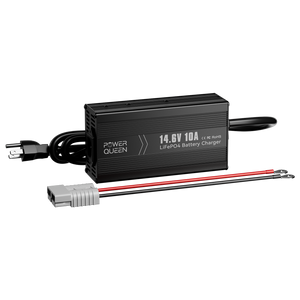
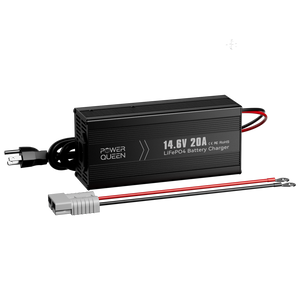
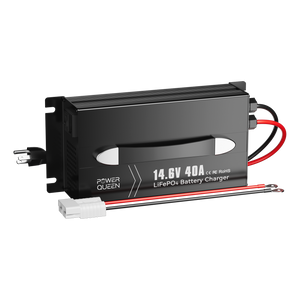
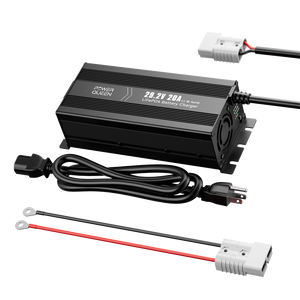
LiFePO4 batteries should be paired with a compatible charging system. A converter designed specifically for lithium charging can provide a charging profile better suited to the battery than older equipment intended only for conventional lead acid batteries.
Inverter vs Converter FAQs
Can an Inverter and Converter Be Used Together?
Yes, an inverter and converter can be used together because they perform different functions. This arrangement is common in RV, marine, solar, and battery systems where batteries need to be charged from an external source and later used to power AC appliances.
Do I Need an Inverter or Converter for My RV?
You need an inverter if you want your RV battery to operate AC appliances without shore power. You typically need a converter or compatible charger if you want AC shore power to support your DC system and recharge the house battery.
Does a Battery Need an Inverter or Converter?
A battery needs an inverter only when it must supply AC equipment. A converter or charger is needed when an AC source must recharge the battery or when the DC voltage needs to be adjusted.
What Size Inverter Do I Need?
The right inverter size depends on the total continuous and startup power required by your appliances. Calculate the equipment you expect to operate simultaneously, account for startup demand, and then choose an inverter that meets those requirements while matching your battery voltage.
Inverter vs Converter: Final Takeaway
An inverter is for turning DC electricity into AC electricity, while a converter is mainly for turning AC electricity into DC electricity or changing DC voltage. This simple distinction explains why an inverter powers household appliances from batteries while a converter commonly supports battery charging and DC equipment.
The right choice ultimately depends on how electricity needs to move through your system. For an RV, solar installation, boat, or battery backup system, matching the inverter or converter to your battery voltage, appliance wattage, surge demand, and charging requirements will create a more practical and reliable power setup.