




How Much Would It Cost to Build a Small Cabin?
Building a small cabin represents a dream for many seeking a connection with nature. On average, the cost to build a small cabin falls between $150 and $300 per square foot. For a standard 500-square-foot structure, this translates to a total investment of $75,000 to $150,000. However, final figures vary based on materials, location, and the amount of personal labor involved.
Detailed Breakdown of How Much to Build a Cabin
The initial phase of any project involves fixed costs that remain relatively consistent. Site preparation is often the most significant overlooked expense. You must account for land clearing, excavation, and foundation work. A concrete slab might cost $6 to $10 per square foot, while a full basement or crawl space will demand a larger portion of your budget.
Utility connection is another critical pillar. Bringing in electricity, drilling a well, and installing a septic system can add $10,000 to $30,000 to your bill. For those in remote areas, these costs can increase significantly depending on the distance from existing infrastructure.
Modern Power Solutions for Remote Living
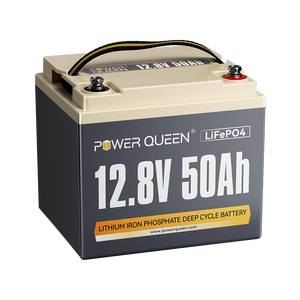
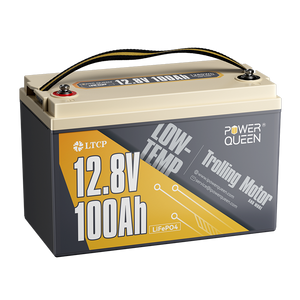
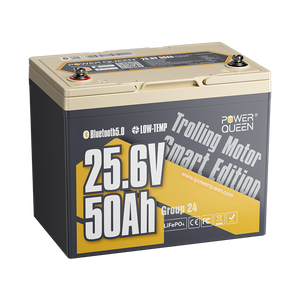
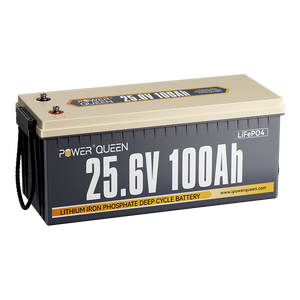
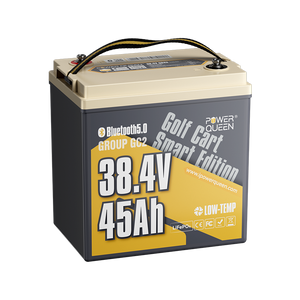
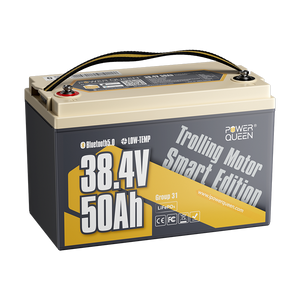
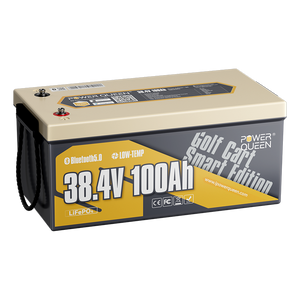
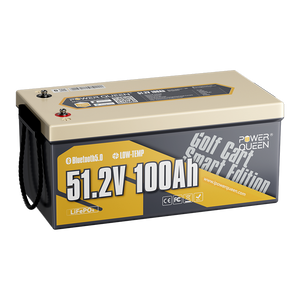
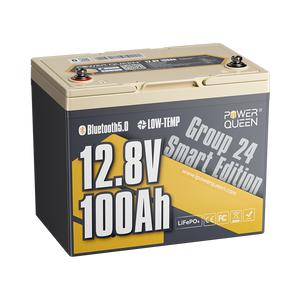
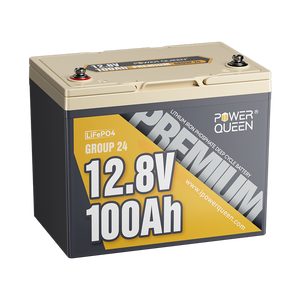
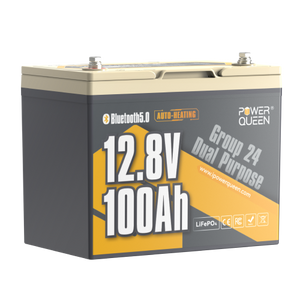
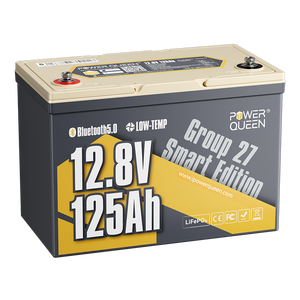
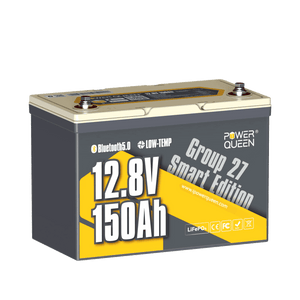
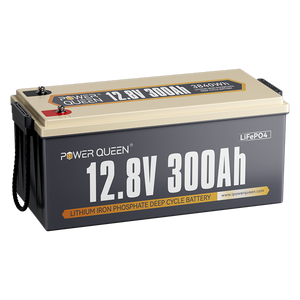
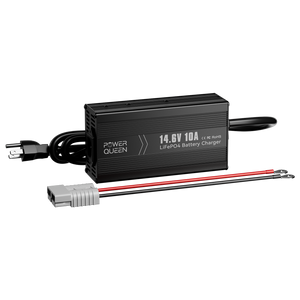
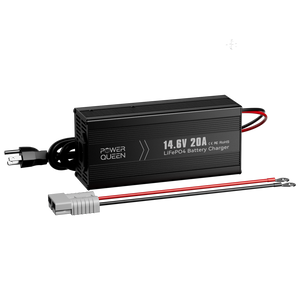
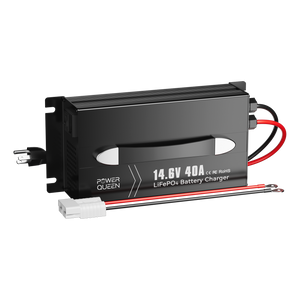
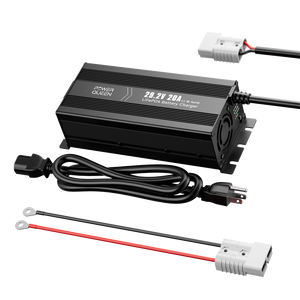
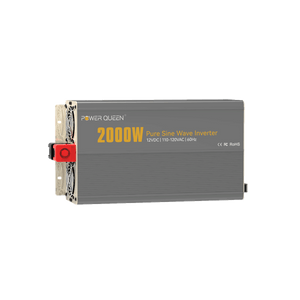
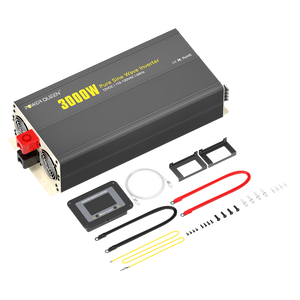
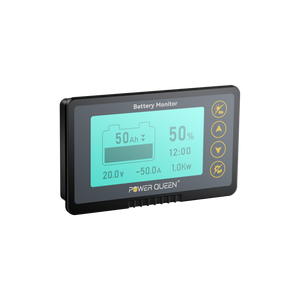
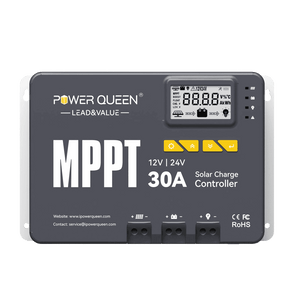
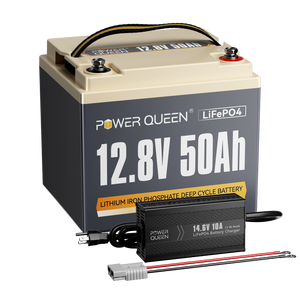
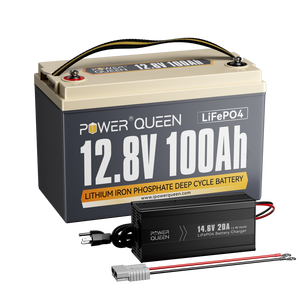
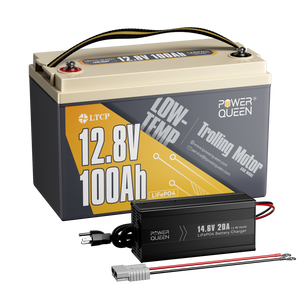
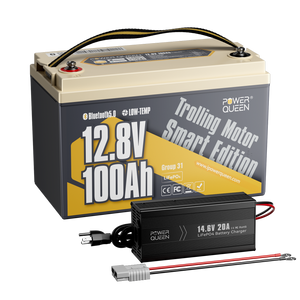
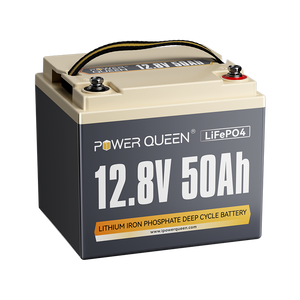
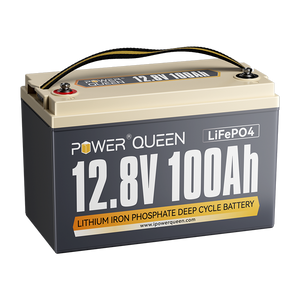
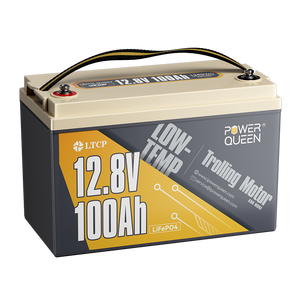
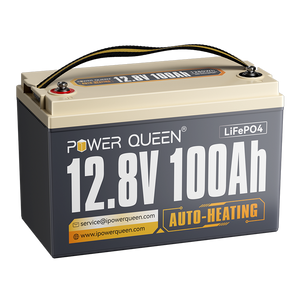
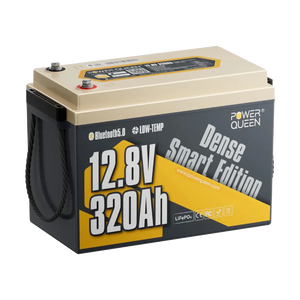
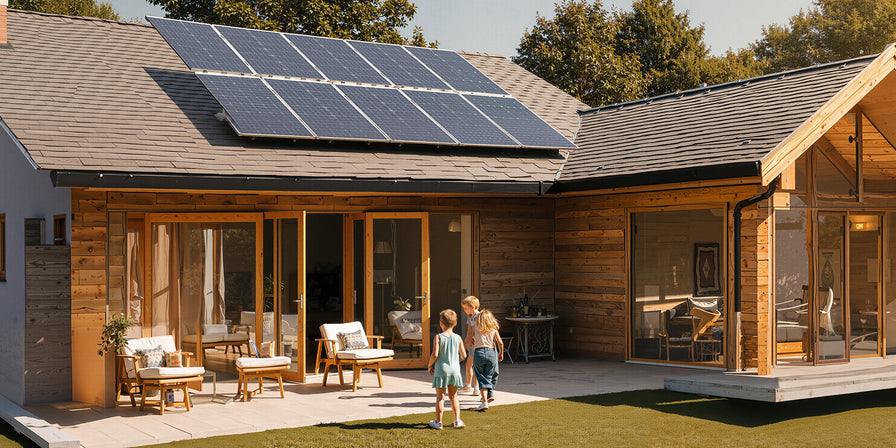
Many modern cabin builders opt for solar generators or battery banks to bypass expensive utility trenching. The upfront cost of high-quality lithium battery systems often aligns with traditional grid connection fees. Utilizing reliable LiFePO4 systems, such as Power Queen, allows builders to enjoy high energy density and long cycle life. These systems provide a predictable financial model focused on energy independence and deep cycle performance.
Read More: [Story Share] How Do I DIY My Own Home Peninsula Solar System.
Strategic Material Planning
Materials generally account for roughly half of your total expenditure. Traditional log cabin kits provide a streamlined approach with predictable pricing. Standard lumber framing remains the most common method for many builders. High-end finishes like cedar siding or metal roofing will elevate the aesthetic but also increase the final cost.
Prefabricated Kits Versus Custom Construction
Modular or prefab kits are often marketed as a way to save money, typically starting between $50 and $100 per square foot for the shell. However, once you add foundations, finishes, and professional assembly, the final price per square foot often mirrors custom stick-built construction. Custom builds offer the most flexibility but require more specialized labor.
Interior Finishes and Energy Efficiency
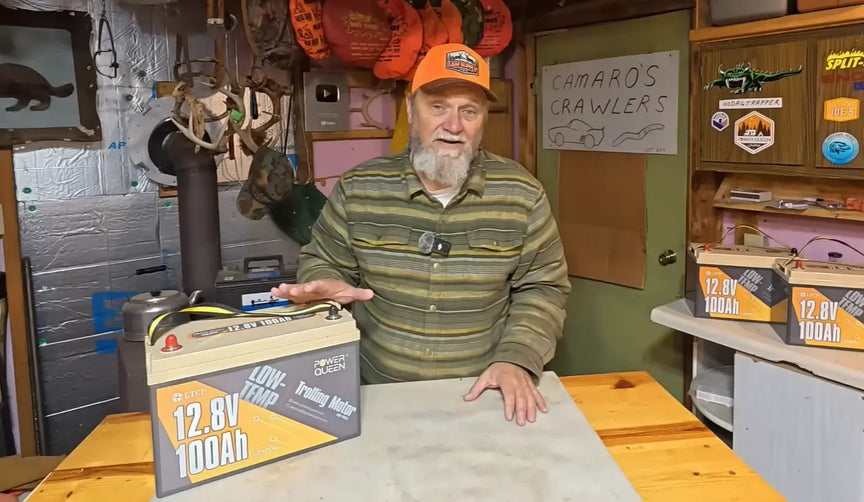
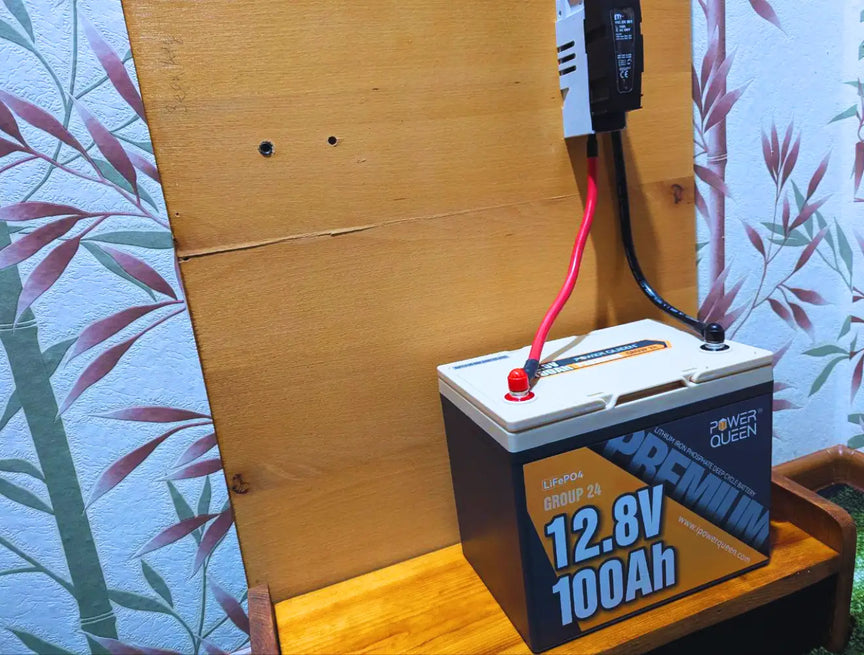
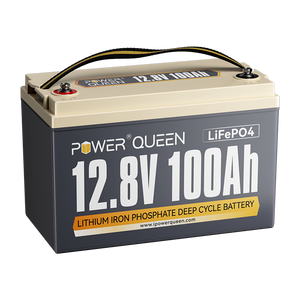
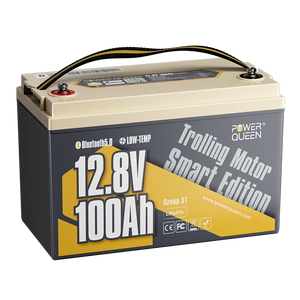
The interior is where many budgets expand. To keep costs manageable, choose durable mid-range materials for main areas. Integrating efficient energy storage like Power Queen 12V 100Ah batteries ensures lighting and small appliances remain functional in remote locations, providing a cost-effective alternative to complex electrical rewiring.

Labor Costs and Regional Building Trends
Labor typically accounts for 30 to 40 percent of the project cost. This includes general contractors and specialized trades like plumbers and electricians. In popular vacation destinations, demand for skilled builders can drive rates higher than in standard rural areas.
Financial Impact of DIY Involvement
Performing finish work yourself can save 10 to 15 percent of the total cost. Homeowners who handle painting, flooring, and landscaping reduce expenditure significantly. However, it is essential to be realistic about the time commitment required, as delays can increase overall financing costs.
Comparison of Cabin Styles and Estimated Costs
| Cabin Style | Cost Per Square Foot | Primary Advantage |
|---|---|---|
| A-Frame | $175 - $300 | Excellent snow shedding and iconic design |
| Traditional Log | $150 - $250 | High thermal mass and rustic aesthetic |
| Modular / Prefab | $120 - $200 | Rapid construction and precision quality |
| Tiny House | $200 - $400 | Lower total cost and potential mobility |
Long-Term Energy Independence and Property Value
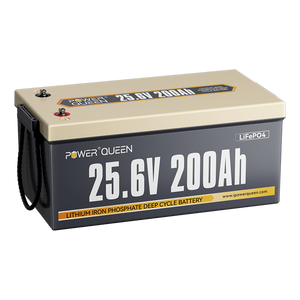
While most guides focus on the initial build, long-term ownership costs are equally important. Traditional utility bills in rural areas can be high. By investing in a dedicated lithium battery bank, you protect your property against outages and rising energy prices. High-quality batteries like those from Power Queen are designed for thousands of cycles, making them a long-term investment that increases the resale value of your cabin.
With rising global utility costs, achieving energy independence is no longer just a luxury—it is a strategic move.
Read more on how to secure your retreat in our guide: Emergency Power: Best Defense Against the Global Energy Crisis.
Frequently Asked Questions
What is the most expensive part of building a cabin?
Infrastructure, including driveways and septic systems, is often the largest single expense for remote sites. Inside the cabin, the kitchen and bathrooms are the most expensive rooms per square foot due to plumbing and electrical density.
Can I use lithium batteries for cabin power?
Yes, lithium iron phosphate batteries are ideal for off-grid cabins. Brands like Power Queen offer maintenance-free, lightweight solutions that can power essential appliances and lighting for years without the need for traditional grid connections.
How much does it cost to build an off-grid cabin?
Initial costs are similar to traditional builds. You save on grid connection fees but spend that budget on solar panels and batteries. Using LiFePO4 batteries keeps setup costs manageable while providing superior performance over lead-acid alternatives.
Can I build a small cabin for under $100,000?
Yes, keeping the footprint between 400 and 500 square feet and choosing standard finishes makes it possible to stay under $100,000. Managing site prep and contributing personal labor are the best ways to control this budget.