









Emergency Power: Best Defense Against the Global Energy Crisis
The global energy crisis has become more immediate in 2026. The International Energy Agency (IEA) reported in March that supply disruptions linked to the war in the Middle East had pushed crude prices above $100 per barrel and increased pressure on fuels such as diesel and LPG. At the same time, the Atlantic Council warned that the United States is facing a broader energy emergency driven by an aging grid, infrastructure strain, and rising power demand. For homeowners, these signals point to one clear need: a reliable emergency power supply.
A dependable emergency power for home setup helps keep essential appliances running during blackouts, fuel disruptions, and grid instability. In this guide, we explain what is emergency power supply, which emergency supplies for power outage situations matter most, and how to choose the right battery backup solution for different household needs.
What Is Emergency Power Supply?
An emergency power supply is a backup power system that provides electricity when the main grid fails or becomes unreliable. It acts as an immediate reserve of energy for essential devices such as refrigerators, lights, routers, medical equipment, security systems, and communication tools.
Unlike traditional gas generators, modern emergency backup systems often use lithium batteries—especially Lithium Iron Phosphate (LiFePO4) technology—to deliver clean, stable power without fumes, constant refueling, or loud engine noise. This makes them especially suitable for homeowners who want safer indoor-friendly energy storage and more control over household resilience.
In simple terms, if the global energy crisis makes the grid less predictable, an emergency power supply gives your home a reliable safety net.
Why Emergency Power for Home Matters More Than Ever
The energy crisis is not just a global headline—it directly affects everyday life at home. When utility prices rise, fuel costs spike, or weather events stress the grid, the first impact most people notice is a loss of comfort and control. Food spoils faster, phones and internet go down, heating or cooling becomes unreliable, and families are forced to scramble for temporary solutions.
This is why emergency power for home has become a priority for more than just off-grid users. A home backup power system can help you:
- Keep essential appliances running during blackouts
- Protect food, medicine, and temperature-sensitive supplies
- Maintain lighting, communication, and internet access
- Reduce dependence on gasoline or diesel during emergencies
- Support greater energy independence during unstable market conditions
For homeowners, emergency power is no longer just about convenience. It is about maintaining safety, continuity, and peace of mind during periods of energy instability.
Emergency Supplies for Power Outage Preparedness
Building an effective outage plan requires more than just a battery. The best emergency supplies for power outage situations work together as a complete backup system, helping you manage energy more efficiently and extend runtime when the grid is down.
A practical home outage setup may include:
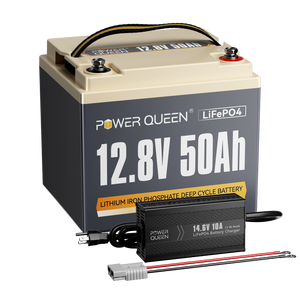
- A reliable LiFePO4 backup battery
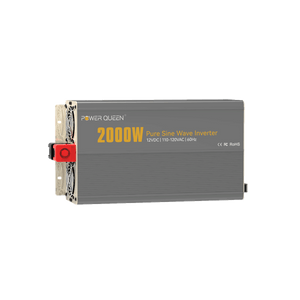
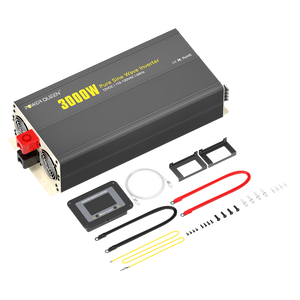
- A pure sine wave inverter for AC appliances
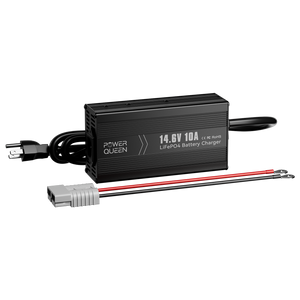
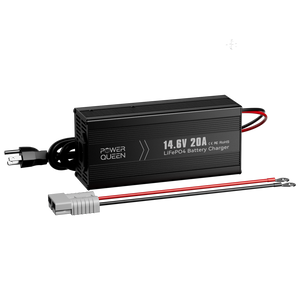
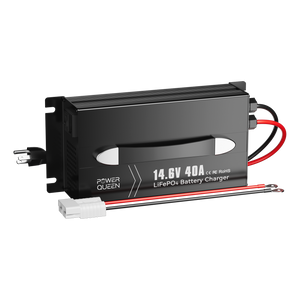
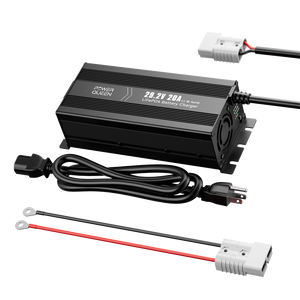
- Compatible chargers and heavy-duty connection cables
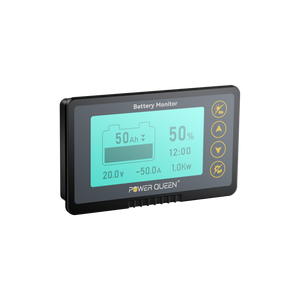
- A battery monitor system
- Portable lights and emergency communication devices
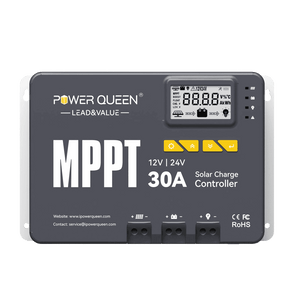
- Optional solar panels for extended backup during long outages
The goal is not simply to store electricity—it is to use stored power wisely. A well-planned backup system allows you to prioritize essentials first, reduce energy waste, and stay prepared for both short-term blackouts and longer disruptions tied to energy supply instability.
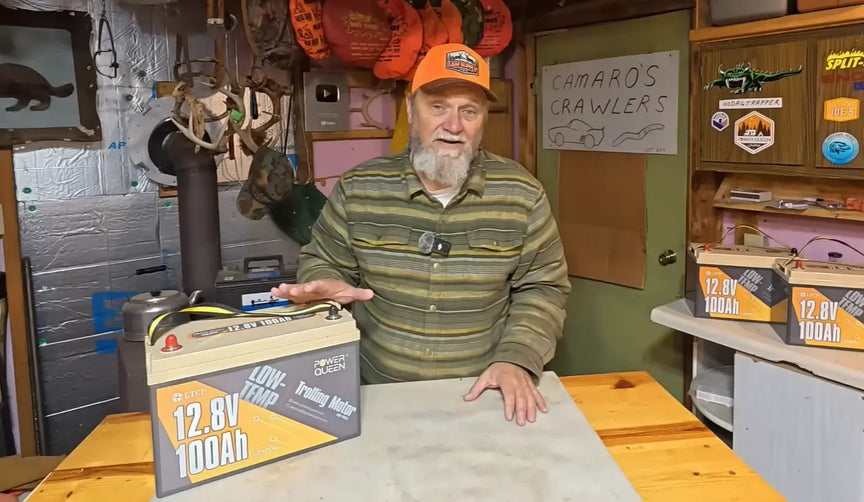
checkout our customer how he diy his own solar system: [Story Share] How Do I DIY My Own Home Peninsula Solar System.

Why LiFePO4 Batteries Are a Smarter Emergency Power Solution
When choosing a modern emergency power supply, battery chemistry matters. Lithium Iron Phosphate (LiFePO4) batteries have become a preferred solution for home backup, solar storage, RV use, and off-grid systems because they are built for deep cycling, longer service life, and dependable performance.
Compared with traditional lead-acid batteries, LiFePO4 batteries offer major practical advantages:
- Longer lifespan with thousands of charge cycles
- Higher usable capacity and better discharge efficiency
- Lighter weight and easier installation
- More stable performance for repeated backup use
- Safer operation without acid leakage or toxic fumes
These advantages make LiFePO4 especially attractive during an energy crisis, when households need backup systems they can rely on repeatedly—not just for one emergency, but for years of changing grid conditions and rising energy costs.
Read More: Deep Cycle Redefined: Why Lithium is the Modern Alternative to Lead Acid.
Comparing Common Backup Power Technologies
| Feature | LiFePO4 Battery Backup | Traditional Lead-Acid | Gas Generators |
|---|---|---|---|
| Service Life | Long-term use with thousands of cycles | Shorter life with limited cycles | Depends on engine maintenance and fuel supply |
| Weight | Lighter and easier to install | Much heavier | Bulky and difficult to move |
| Indoor Use | Suitable for indoor backup setups | Less convenient and risk-prone | Not safe indoors due to fumes |
| Noise Level | Silent operation | Silent operation | Loud during use |
| Energy Efficiency | High usable capacity and fast response | Lower usable capacity | Requires continuous fuel consumption |
| Best Use Case | Home backup, solar storage, RV, off-grid | Budget-limited temporary backup | High-output short-term emergency use |
How to Choose the Right Emergency Power Setup
Not every household needs the same backup power system. The best choice depends on your energy usage, outage risk, available space, climate, and whether you want simple emergency coverage or a broader long-term resilience strategy.
For basic home outage preparedness
If your main goal is to keep lights, internet, phones, routers, and a portable fridge running during short outages, a compact 12V emergency power supply is often a practical place to start. It offers flexible backup capacity without requiring a large or complex installation.
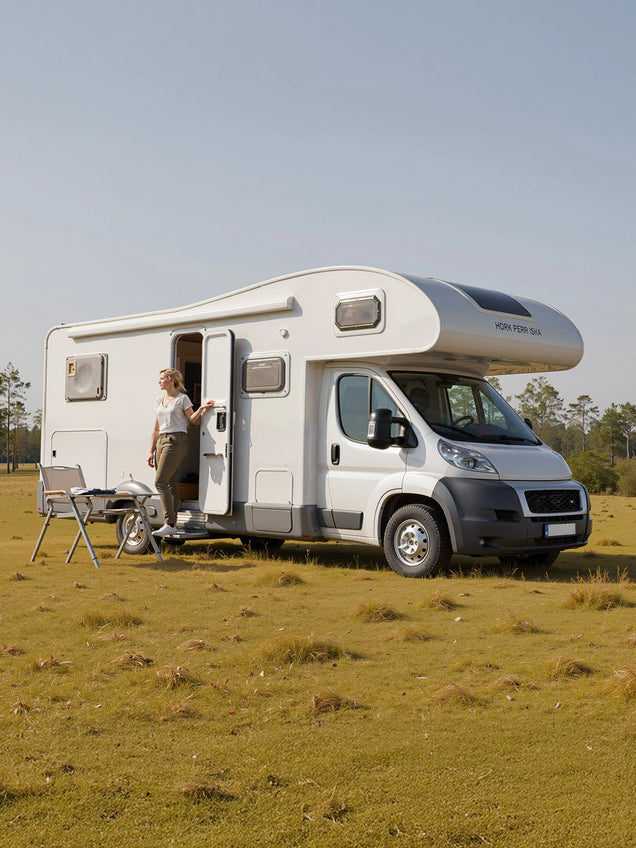
For RV, van life, and compact mobile setups
If you need reliable power in a smaller footprint, a lightweight and space-saving battery design is often the better fit. Compact battery systems are especially useful in mobile applications where every inch of storage matters.
For larger home backup and solar storage
If your goal is to support higher loads, increase storage capacity, or build a more complete home energy system, stepping up to a 24V or 48V battery configuration may make more sense. These setups are better suited for larger inverters, broader energy storage, and stronger long-term backup planning.
For cold-weather performance
If you live in a region with freezing temperatures, low-temperature protection and internal heating features become much more important. Choosing a battery designed for cold-weather charging and operation can significantly improve reliability in winter outage scenarios.
Recommended Power Queen Battery Series by Application
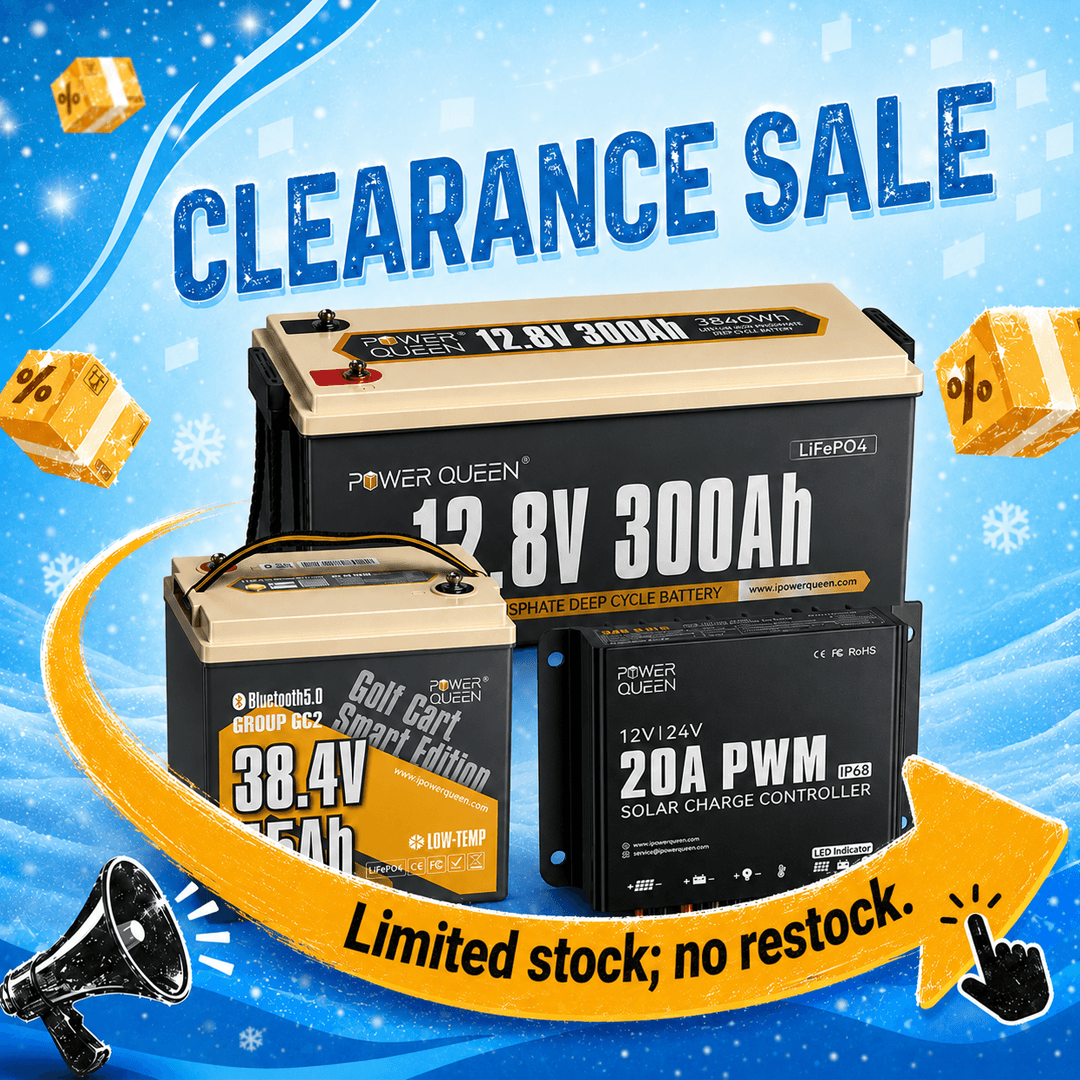
When recommending backup power products, it is often more helpful to match users with the right product series rather than push a single battery model. Power Queen’s LiFePO4 lineup makes it easier to choose a solution based on how and where the battery will actually be used.
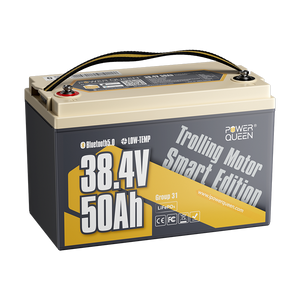
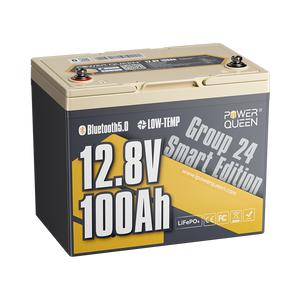
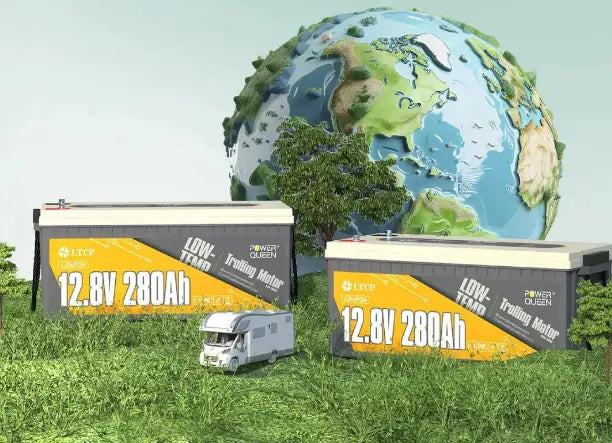
12V Series: Ideal for everyday emergency backup
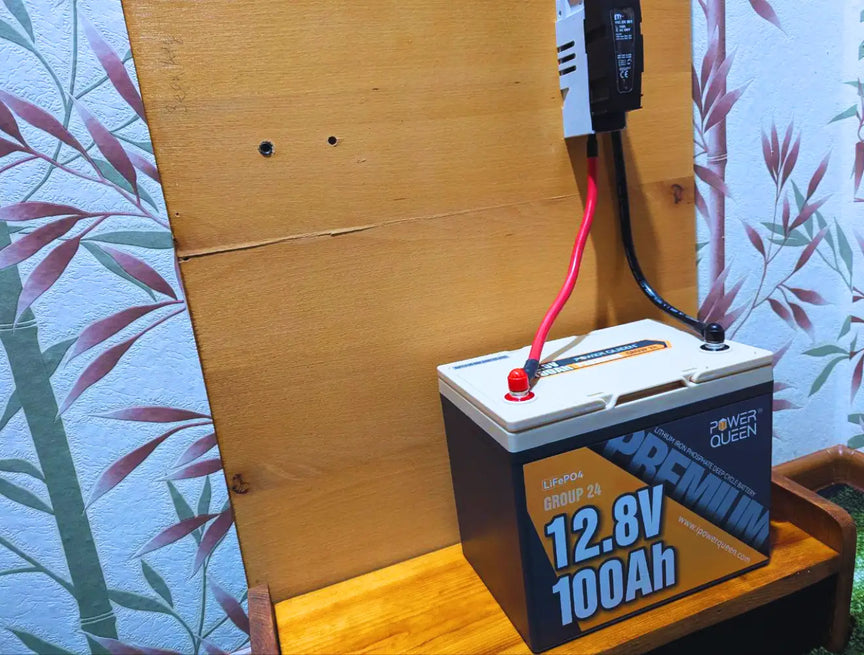
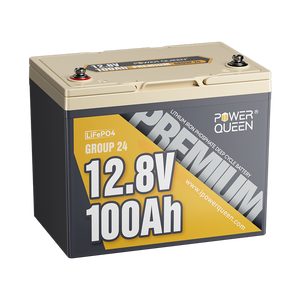
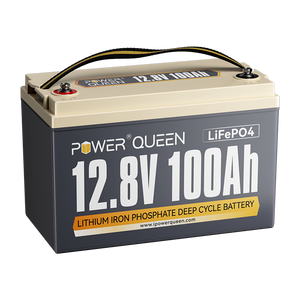
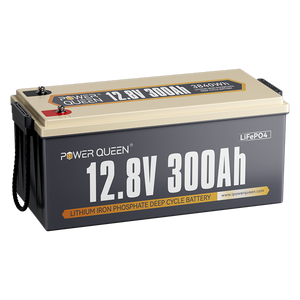
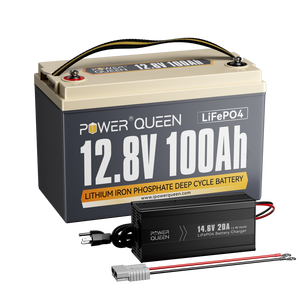
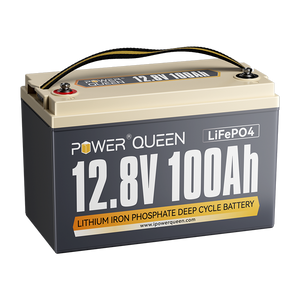
For users looking for dependable emergency power for home, small solar storage, RV backup, or general outage readiness, the Power Queen 12V series is a strong starting point. This category fits households that want practical, expandable backup energy for essential devices and moderate daily loads.

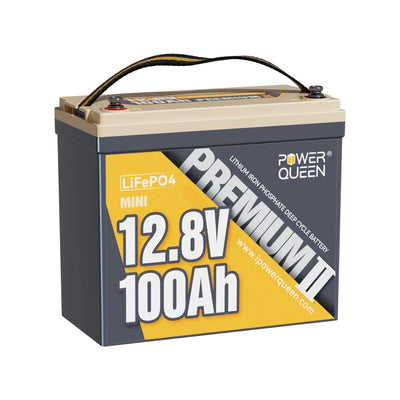
Mini Series: Best for limited space and mobile power needs
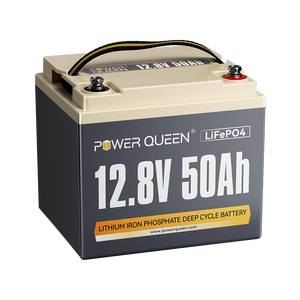
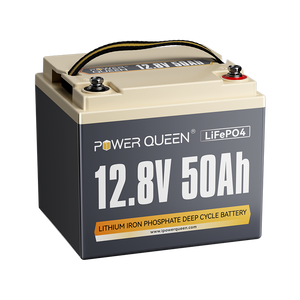
If space is limited, the Power Queen Mini series offers a more compact and lightweight option without giving up the core benefits of LiFePO4 technology. This makes it especially suitable for vans, boats, smaller cabins, or tight emergency storage areas.
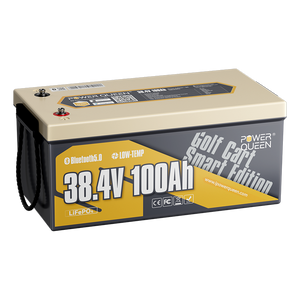
24V Series: Better for medium-sized energy systems
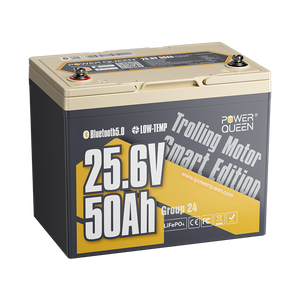
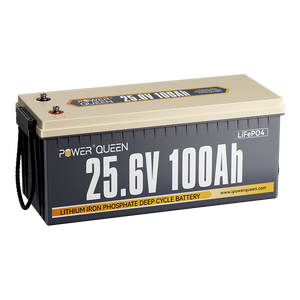
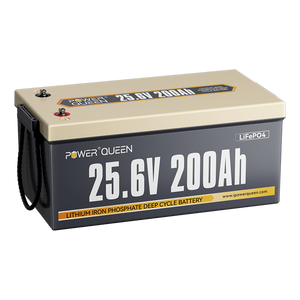
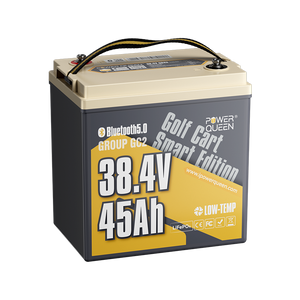
For users planning a more capable solar storage or backup setup, the 24V LiFePO4 battery series can provide a more efficient platform for supporting higher power demands. It is a logical next step for households that want more than just basic outage protection.

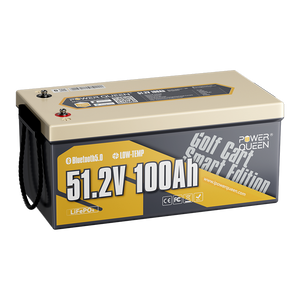
48V Series: Designed for serious home storage and off-grid resilience
If the goal is a larger energy bank, broader home backup, or an advanced off-grid system, the 48V lithium battery series is the most suitable recommendation. It supports larger-scale storage strategies for homeowners who want stronger long-term energy independence.
Special Feature Options: Bluetooth, low-temp protection, and heated models
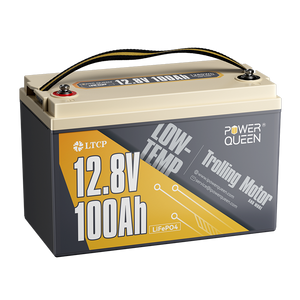
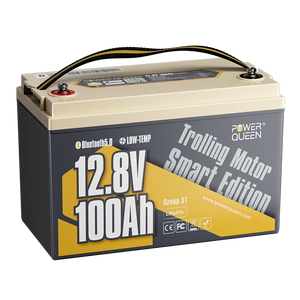
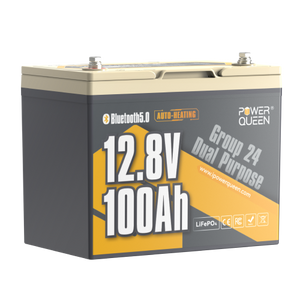
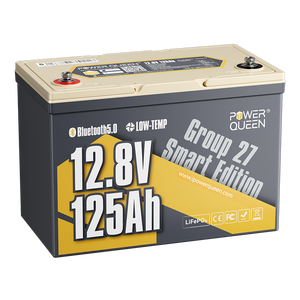
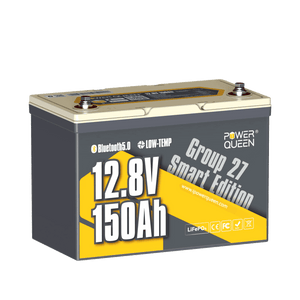
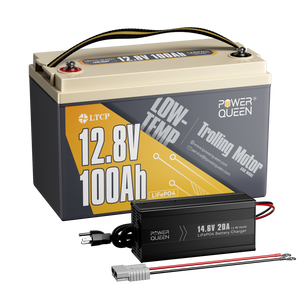
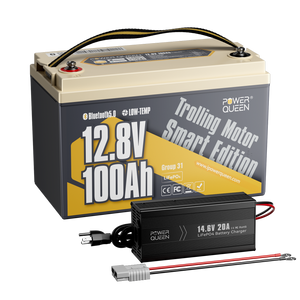
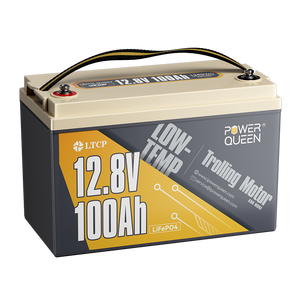
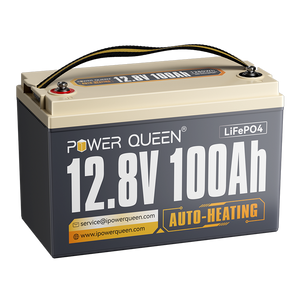
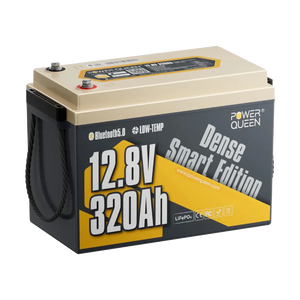
Some users need more than just capacity. They may want easier battery monitoring, stronger cold-weather performance, or safer charging in low temperatures. In those cases, Power Queen’s feature-focused options—such as Bluetooth-enabled batteries, low-temperature protection, and heated models—make it easier to match the right battery to the right environment.
Real-world example: See how Pedro Costas built his Power Queen emergency power backup system in Puerto Rico for hurricanes, outages, and reliable solar-supported home resilience.
The Smarter Strategy: Build a Solar-Lithium Backup Loop
One of the most effective ways to respond to long-term energy uncertainty is to combine battery storage with renewable charging. Instead of treating backup batteries as a one-time emergency reserve, homeowners can build a more sustainable “solar-lithium loop” by pairing LiFePO4 batteries with solar panels.
This strategy allows you to store electricity during the day and use it later for critical nighttime loads, helping extend runtime and reduce grid dependence. In a prolonged outage or unstable energy market, that kind of setup can turn temporary backup power into a more resilient household energy plan.
See how one customer turned backup planning into a complete solar solution: [Story Share] How I DIYed My Own Home Peninsula Solar System.
Frequently Asked Questions
What is emergency power supply used for?
An emergency power supply is used to provide backup electricity for essential appliances and devices when the grid goes down. It helps keep your home functional during blackouts, severe weather events, or broader energy disruptions.
What is the best emergency power for home use?
The best option depends on your needs. Smaller households may only need a compact 12V battery backup for essentials, while larger homes or solar users may benefit more from 24V or 48V storage systems. The right setup depends on your load requirements, runtime goals, and installation environment.
What emergency supplies for power outage situations should I prepare?
A strong outage preparedness plan usually includes a backup battery, inverter, charging equipment, monitoring tools, lighting, and communication essentials. For longer-term resilience, solar charging can make the system even more effective.
Are LiFePO4 batteries better than generators for emergency backup?
LiFePO4 batteries are often a better choice for quiet, indoor-safe, low-maintenance backup power. Generators may still help for high-output emergency use, but battery systems are generally cleaner, easier to manage, and better suited for repeated household backup needs.
Conclusion
The global energy crisis has made one thing clear: households need more dependable ways to stay powered during uncertainty. Whether the threat comes from rising fuel costs, severe weather, or grid instability, having a reliable emergency power supply gives homeowners more security, more flexibility, and more control.
For basic outage readiness, a 12V battery setup may be enough. For compact mobile use, a Mini series battery can be the better fit. For larger home backup and solar storage, 24V and 48V systems provide stronger long-term capability. By choosing the right battery series for your actual needs, you are not just preparing for the next outage—you are building a smarter defense against the global energy crisis.