






How Long Do Lawn Mower Batteries Last?
A lawn mower battery usually lasts 3 to 5 years, and a lithium battery for lawn mower use can often last longer with proper charging and storage. Runtime per charge is different from battery lifespan, and most cordless mower batteries run about 30 to 75 minutes depending on grass height, yard size, terrain, and battery capacity. For most U.S. homeowners, the best way to get longer battery life is simple: keep the battery cool, avoid deep discharge, mow dry grass, and store it correctly during the off season.
How Long Do Lawn Mower Batteries Last by Battery Type?
The battery type is the biggest factor in how long a lawn mower battery lasts. Lead acid batteries are common in gas riding mowers, while lithium batteries are more common in cordless push mowers, self propelled mowers, robotic mowers, and newer electric riding mowers.
| Battery Type | Common Use | Average Lifespan | Best Fit |
|---|---|---|---|
| Lead acid battery | Gas riding mower starter battery | 2 to 4 years | Basic riding mowers |
| AGM battery | Riding mower starter battery | 3 to 5 years | Low maintenance gas mowers |
| Lithium ion battery | Cordless push mower or self propelled mower | 3 to 7 years | Most battery powered lawn mowers |
| Lithium iron phosphate battery | Premium electric mower systems | 5 to 10 years | Long life electric mower setups |
| Robotic mower battery | Robot lawn mower | 2 to 5 years | Small to medium lawns |
Lead Acid Lawn Mower Batteries
Lead acid batteries are usually the most affordable option, but they often have a shorter service life. They are commonly used as starter batteries in gas riding mowers, where their main job is to start the engine rather than power the blades.
Lead acid batteries can fail early if they sit discharged for long periods. For example, a homeowner in Michigan may park a riding mower in November and try to start it again in April. If the battery was stored nearly dead all winter, it may crank slowly or only click.
AGM Lawn Mower Batteries
AGM batteries are a cleaner and lower maintenance version of lead acid batteries. They are sealed, more resistant to vibration, and often last longer than basic flooded lead acid batteries.
For riding mower users who want fewer maintenance issues but still need a starter battery, AGM can be a practical upgrade. It is still important to keep the battery charged during the off season.
Lithium Battery for Lawn Mower Use
A lithium battery for lawn mower use usually offers longer life, lighter weight, and better energy efficiency. It is commonly used in cordless push mowers, self propelled mowers, electric riding mowers, and robotic mowers.
Lithium batteries are especially useful for homeowners who want less maintenance. They do not require fluid checks, and they usually lose less charge while sitting compared with many older battery types.
LiFePO4 Lawn Mower Batteries
LiFePO4 batteries are a strong choice for larger electric mower systems and 48V battery upgrades. They are known for long cycle life, stable performance, and better safety characteristics than some other lithium chemistries.
For compatible 48V riding mowers or zero turn mowers, LiFePO4 batteries can be a practical replacement for multiple lead acid batteries. Users still need to confirm voltage, charger compatibility, motor requirements, and battery space before upgrading.
Related Reading: What Is a LiFePO4 Battery? Everything You Need to Know.

How Long Does a Lithium Battery for Lawn Mower Last?
A lithium battery for lawn mower use can last 3 to 7 years in many residential applications. The exact lifespan depends on usage frequency, charging habits, storage temperature, and how hard the mower works during each cut.
Runtime Per Charge
Most lithium lawn mower batteries run about 30 to 75 minutes per charge. Smaller batteries are usually enough for townhomes, small suburban lawns, and weekly trimming jobs, while larger yards may need a higher amp hour battery or a second battery.
Runtime depends on the job, not just the battery label. A mower that runs 60 minutes on short, dry grass may run only 35 to 45 minutes when cutting tall spring grass after several rainy days. Hills, wet grass, mulching, bagging, and self propelled drive systems all use more energy.
| Mowing Condition | Effect on Runtime | Why It Matters |
|---|---|---|
| Short, dry grass | Longer runtime | Less blade resistance |
| Wet grass | Shorter runtime | More drag and clumping |
| Tall grass | Shorter runtime | Motor works harder |
| Hilly yard | Shorter runtime | Drive system uses more power |
| Mulching mode | Slightly shorter runtime | Blade cuts clippings more than once |
| Dull blade | Shorter runtime | Motor needs more effort to cut |
Battery Lifespan by Usage Frequency
Battery lifespan depends heavily on how often the mower is used. A homeowner who mows once a week from April through October will usually put far fewer cycles on a battery than a landscaping crew using the same type of battery every day.
This is why two identical batteries can age very differently. A battery used for a small quarter acre lawn in Ohio may last for many seasons, while a battery used daily on multiple properties may lose capacity much sooner.
Electric Mowers vs Riding Mowers
Electric mower batteries usually age through runtime loss first. The mower may still start and cut well, but it no longer finishes the same yard on one charge.
Riding mower starter batteries age differently. In most gas riding mowers, the battery mainly starts the engine and supports basic electrical functions. If the engine cranks slowly after a full charge, or if the mower needs frequent jump starts, the battery may be near the end of its life.
What Affects Lawn Mower Battery Life?
Battery life depends on heat, discharge depth, mowing conditions, storage habits, and mower maintenance. Many battery problems are caused by how the mower is used, not just by battery age.
Heat and Deep Discharge
Heat is one of the fastest ways to shorten lithium battery life. Leaving the battery in a hot garage, metal shed, pickup bed, or direct sunlight can speed up wear.
Deep discharge also reduces long term performance. Running the battery completely empty every time puts more stress on the cells than using part of the charge and recharging before it is fully drained. Modern battery management systems help, but good habits still matter.
Wet Grass, Tall Grass, and Slopes
Wet grass, tall grass, and slopes make the mower work harder. The motor needs more power, which increases battery drain and heat.
For example, a mower that handles a dry weekly cut easily may struggle after a long rainy week when the grass is thick and wet. Raising the deck for the first pass can reduce strain and help protect runtime.
Poor Storage During the Off Season
Poor storage can shorten battery life, especially during winter. A lithium mower battery should not be stored fully dead during the off season.
For winter storage, most homeowners should remove the battery from the mower and keep it indoors in a cool, dry location. A cool basement shelf or indoor utility room is usually better than a hot shed or freezing garage.
Dull Blades and Heavy Mowing Load
A dull blade can reduce runtime because the mower must work harder to cut. Instead of slicing grass cleanly, a dull blade tears it, which increases resistance and battery demand.
Mow when the grass is dry whenever possible. Keep the mower blade sharp, because the University of Minnesota Extension mowing guide notes that regular mowing with a sharp blade at the proper height helps grass grow vigorously and maintain healthy density.
How to Make a Lawn Mower Battery Last Longer
The best way to make a lawn mower battery last longer is to reduce heat, reduce strain, charge it properly, and store it correctly. These simple habits can add seasons of useful battery life.
Charge It the Right Way
Use the manufacturer approved charger for your mower battery. Remove the battery after charging unless the charger is designed for long term maintenance.
Let the battery cool before charging if it feels hot after mowing. Charging a hot battery can add stress and may shorten long term battery life.
Store It in a Cool, Dry Place
Store the battery indoors during long periods of nonuse. Keep it away from water, direct heat, and metal objects that could touch the terminals.
A lithium battery should not be stored fully dead. During the off season, check the battery periodically and follow the manufacturer’s recommended storage charge level.
Mow Dry Grass and Keep the Blade Sharp
Mowing dry grass helps the mower use less power. Wet grass creates drag, clumps under the deck, and makes the motor work harder.
A sharp blade also helps the battery last longer per charge. Clean cutting reduces motor strain, improves mowing quality, and supports healthier grass.
Avoid Cutting Too Much at Once
Cutting more often is usually easier on the mower than waiting until the lawn is tall. In many American suburbs, grass grows quickly in late spring, especially after rain.
Deck height also matters. Raising the deck for the first pass through tall grass can reduce strain. After that, a second pass at the normal height can produce a cleaner cut without forcing the battery to handle the full load at once.

When Should You Replace a Lawn Mower Battery?
You should replace a lawn mower battery when it no longer meets your normal mowing needs. If a full charge cannot finish the same yard under normal conditions, replacement may be more practical than constant recharging.
Signs of a Weak Battery
Shorter runtime is the most common sign of a weak lawn mower battery. If a cordless mower used to finish the whole yard but now stops halfway under normal mowing conditions, the battery may be aging.
Slow starting is the clearest warning sign in a riding mower. If the engine cranks slowly after a full charge, or if the mower needs frequent jump starts, the battery may no longer provide enough power.
Physical damage is a stronger warning sign than poor runtime. A battery that is swollen, leaking, cracked, unusually hot, or giving off a burning smell should not be used or charged. The U.S. EPA lithium ion battery guidance explains that lithium ion batteries should be handled carefully at end of life because damaged or mismanaged batteries can create fire risks.
Replacement Cost by Battery Type
Replacement cost depends on battery chemistry, voltage, amp hour rating, and mower brand. A small starter battery for a gas riding mower usually costs much less than a high capacity lithium battery for a cordless mower.
| Battery Category | Common Price Range | Typical User |
|---|---|---|
| Lead acid starter battery | $40 to $100 | Gas riding mower owner |
| AGM starter battery | $70 to $150 | Low maintenance riding mower owner |
| Cordless mower lithium battery | $100 to $400 | Battery powered push mower owner |
| Large electric riding mower battery pack | $500 or more | Electric riding mower owner |
The safest replacement is the battery recommended by the mower manufacturer. Voltage, connector style, battery management system, and charger compatibility must match. A battery that fits physically is not always electrically compatible.
Related Reading: Deep Cycle Redefined: Why Lithium is the Modern Alternative to Lead Acid.
Battery Recycling and Safe Disposal
Used lawn mower batteries should be recycled through an approved battery collection site or household hazardous waste program. They should not be thrown into household trash.
The U.S. EPA lithium ion battery guidance advises that lithium ion batteries should not go into regular garbage or household recycling bins because they can cause fires during transport, at landfills, or at recycling facilities. The EPA also recommends taping battery terminals or placing batteries in separate plastic bags before taking them to a collection site.
Many U.S. homeowners can recycle batteries through home improvement stores, local transfer stations, county household hazardous waste events, or battery collection programs. Local rules vary, so it is best to check your city or county waste department.
How to Choose the Right Lithium Battery for Lawn Mower Replacement
The right lithium battery for lawn mower replacement must match the mower’s voltage, battery platform, motor demand, and charging setup. A 40V mower needs a compatible 40V battery from the correct system, while a 48V mower needs a compatible 48V lithium battery setup.
Check Voltage and Battery Platform First
The first thing to confirm is the mower’s voltage requirement. A battery must match the mower’s system voltage, charger requirements, and electrical design.
For example, a mower designed for a 48V lead acid battery bank may be a possible candidate for a 48V lithium upgrade, but users still need to check charger compatibility, controller requirements, wiring, and manufacturer guidance before replacing the original batteries.
Compare Capacity, Runtime, and Motor Demand
The second thing to check is whether the battery has enough capacity and current output for the mower. A mower used on flat, dry grass may need less power than a zero turn mower used on slopes, thicker grass, or larger properties.
Capacity is usually measured in amp hours or watt hours. A higher watt hour rating generally means longer runtime, while the BMS current rating helps determine whether the battery can support the motor’s power demand.
Look for Smart Monitoring and Battery Protection
Smart monitoring can make lithium battery use easier for lawn mower owners. A battery with Bluetooth app monitoring lets users check state of charge, voltage, and other battery information before or during use.
Battery protection is just as important. A quality BMS helps protect the battery from common problems such as low voltage, over current, over discharge, and temperature related issues.
Consider Warranty and Technical Support
Warranty coverage is important because lithium mower batteries are expensive. A strong warranty can protect the purchase and signal better long term value.
Technical support also matters for first time lithium users. Some users may need help with charger selection, app setup, battery activation, or compatibility questions.
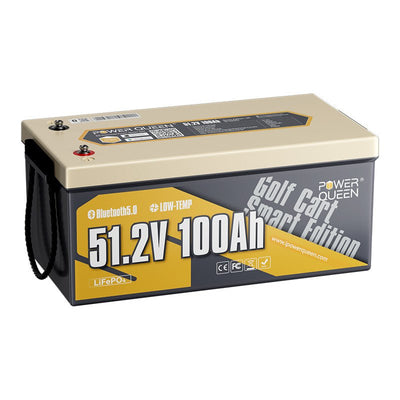
Recommended Lithium Battery for Lawn Mower Upgrade: Power Queen 48V 100Ah LiFePO4 Battery
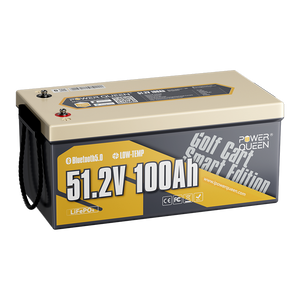
The Power Queen 48V 100Ah LiFePO4 Battery is a practical upgrade for users who want to replace multiple lead acid batteries in a compatible 48V electric riding mower, zero turn mower, golf cart, or low speed electric vehicle. With 51.2V 100Ah capacity, 5120Wh of energy, and a 100A BMS, it is built for stronger power, longer service life, and easier battery management than traditional lead acid setups.
A Cleaner Replacement for Four 12V Lead Acid Batteries
This battery is a good fit for users who want to simplify a 48V battery system. Instead of maintaining four separate 12V lead acid batteries, users can upgrade to one high capacity LiFePO4 battery when the mower or vehicle is compatible.
Its GC8 golf cart design measures 20.47 x 10.59 x 8.66 inches and is made as a drop in replacement for BCI Group GC2 and GC8 golf cart battery compartments. For many users, this means less wiring complexity, less maintenance, and a cleaner battery bay.
Strong 200A BMS for Mowers, Golf Carts, and Utility Vehicles
The 200A BMS gives this battery the power support needed for demanding electric applications. It supports motors up to 5000W, making it suitable for compatible golf carts, LSVs, ATVs, NEVs, e trikes, and some 48V RYOBI electric mower systems.
For lawn mower users, this matters most when mowing larger yards, climbing slopes, or cutting thicker grass. A stable lithium power source can help reduce voltage sag compared with aging lead acid batteries, giving the mower a more consistent power feel during use.

Bluetooth App Monitoring for Easier Mowing
The Bluetooth 5.0 app makes battery monitoring easier during mowing. After scanning the QR code on the battery top, users can check key battery information such as state of charge and voltage in real time.
This feature is useful because mower owners do not have to guess how much power is left. For example, before starting the back half of a large yard, users can check the app and decide whether to continue mowing or recharge first.
![[Like New] Power Queen 48V (51.2V) 100Ah GC8 Golf Cart Smart Lithium Battery - Power Queen US](https://cdn.shopify.com/s/files/1/0550/9971/9725/files/3_07c30b13-09d4-4cf8-b5fb-f7f94ee632b3_600x600.jpg?v=1760515000)
Real User Example: Replacing Lead Acid Batteries in a Ryobi Zero Turn Mower
A real customer review shows how this battery can work in a mower upgrade. Jim O. said he was new to LiFePO4 technology and needed to replace failing lead acid batteries in his zero turn Ryobi mower.
He chose the Power Queen golf cart battery because it could replace four 12V batteries, came recommended, and looked simple to install. When the BMS had shut down due to low voltage during shipping, Power Queen support helped him activate the battery step by step. After charging it fully, he used the mower for about three hours and said it worked great.

Long Term Value With Lower Maintenance
The long term value comes from longer cycle life and less routine maintenance. The Power Queen 48V 100Ah LiFePO4 Battery is rated for over 4000 cycles and a claimed 10 year lifespan, which can be three to four times longer than many lead acid batteries.
For users who mow often or also use the battery in a golf cart style vehicle, this can reduce replacement frequency and maintenance hassle. Power Queen also backs the battery with a 5 year warranty and technical support with fast response within 24 hours, which is helpful for first time lithium users.
What to Check Before Buying
Compatibility should always be confirmed before buying. Users should check the mower or vehicle voltage, motor power, battery compartment size, charger compatibility, wiring setup, and manufacturer recommendations.
When compatibility is confirmed, the Power Queen 48V 100Ah LiFePO4 Battery can be a strong lithium upgrade for users who want to replace lead acid batteries, monitor power through an app, reduce maintenance, and get steadier performance from a compatible 48V mower or electric vehicle.
FAQs
How long do lawn mower batteries last on average?
Most lawn mower batteries last 3 to 5 years. Lead acid batteries often last 2 to 4 years, while a well maintained lithium battery for lawn mower use may last 3 to 7 years or longer.
How long does a lithium lawn mower battery last per charge?
A lithium lawn mower battery commonly lasts 30 to 75 minutes per charge. Runtime depends on battery size, mower design, grass height, grass moisture, hills, and whether the mower is self propelled.
Is a lithium battery better than a lead acid lawn mower battery?
A lithium battery is usually better for cordless electric mowers because it is lighter, charges faster, and often lasts longer. A lead acid battery may still be a cost effective choice for basic gas riding mower starting needs.
Why does my lawn mower battery die so fast?
A lawn mower battery may die fast because it is old, deeply discharged, overheated, or stored poorly. It may also drain quickly because of wet grass, tall grass, a dull blade, a clogged deck, hills, or heavy self propelled use.
Should I leave my lawn mower battery on the charger?
You should only leave a lawn mower battery on the charger if the charger is designed for long term maintenance. Otherwise, charge it fully, unplug it, and store the battery according to the manufacturer’s instructions.
Can I store my lawn mower battery in the garage over winter?
You can store some batteries in a garage, but indoor storage is often safer for lithium batteries if the garage gets very cold or very hot. A cool, dry indoor location is usually better for long term storage.
Can I use a 48V lithium battery to replace lead acid batteries in a lawn mower?
A 48V lithium battery can replace lead acid batteries in some compatible electric mowers, but users must confirm voltage, charger compatibility, motor requirements, wiring, and battery compartment size first. A 48V system is not automatically compatible with every 48V lithium battery.
Is the Power Queen 48V 100Ah LiFePO4 Battery suitable for lawn mower upgrades?
The Power Queen 48V 100Ah LiFePO4 Battery may be suitable for compatible 48V electric riding mowers, zero turn mowers, golf carts, and similar low speed electric vehicles. It is designed to replace multiple lead acid batteries in compatible GC2 or GC8 style setups, but users should confirm mower requirements before installation.
How do I know if my lawn mower battery is bad?
A lawn mower battery is likely bad if it will not hold a charge, provides much shorter runtime, starts the mower slowly, overheats, swells, leaks, or shows visible damage. Damaged batteries should be handled carefully and recycled properly.
Final Thoughts on Lawn Mower Battery Life
A lawn mower battery lasts longer when it is matched to the mower and cared for properly. For many homeowners, a lithium battery for lawn mower use offers the best mix of runtime, low maintenance, and long service life.
The most important habits are simple. Mow dry grass, keep the blade sharp, avoid full discharge, store the battery indoors during the off season, and use the correct charger. When performance drops, check the mower and mowing conditions before replacing the battery. Sometimes the battery is aging, but sometimes the real problem is wet grass, a dull blade, or poor storage.
For users upgrading a compatible 48V electric mower or zero turn mower from lead acid batteries, a high capacity LiFePO4 option such as the Power Queen 48V 100Ah Battery can make the setup cleaner and easier to monitor. The key is to confirm compatibility first, then choose a battery that supports the mower’s voltage, current demand, compartment size, and charging setup.