








Complete Guide to Deep Cycle Battery Maintenance
Deep cycle battery maintenance comes down to proper charging, regular inspection, and correct storage. These habits help preserve battery capacity, reduce unexpected failures, and improve reliability in RVs, boats, golf carts, and off grid systems. The exact routine depends on whether the battery is flooded lead acid, AGM, gel, or lithium.
Why Deep Cycle Battery Maintenance Matters
Regular maintenance helps a deep cycle battery deliver steady power and avoid early failure. Poor charging, heat, corrosion, low electrolyte, and loose connections can all reduce performance.
Identify Your Battery Type
Start by confirming the battery chemistry. Flooded lead acid batteries need water checks, while AGM, gel, and lithium batteries do not.
The battery label should show the voltage, capacity, chemistry, and charging limits. Always follow the manufacturer’s instructions when they differ from general guidance.
| Battery type | Add water | Equalization | Main concern |
|---|---|---|---|
| Flooded lead acid | Yes | Only when approved | Water level and corrosion |
| AGM | No | Usually no | Correct charging voltage |
| Gel | No | No | Avoiding overcharging |
| Lithium iron phosphate | No | No | Charger and temperature compatibility |
Understand the Main Causes of Battery Failure
Incorrect charging is a leading cause of battery damage. Undercharging can reduce usable capacity, while overcharging can create heat and water loss.
Loose or corroded terminals also reduce power flow. Poor ventilation adds a safety risk because flooded batteries may release hydrogen during charging. OSHA requires adequate ventilation in battery charging areas.
How to Charge a Deep Cycle Battery Correctly
Recharge the battery soon after use. Leaving a lead acid battery discharged for long periods can reduce its ability to hold energy.
Avoid Excessive Battery Discharge
Avoid draining a lead acid battery completely. Shallower discharge cycles usually support longer battery life.
For example, an RV owner using lights, fans, and a water pump overnight should recharge the house battery the next morning instead of waiting until essential systems stop working.
Lithium batteries usually allow deeper discharge, but they should still remain within the limits set by the manufacturer and battery management system.
Use the Correct Charger and Settings
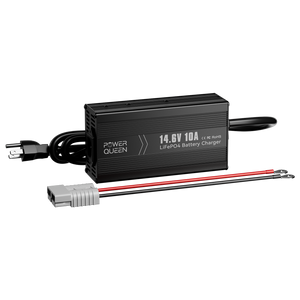
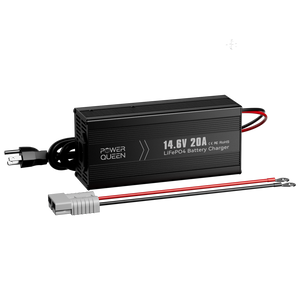
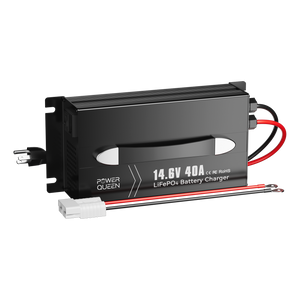
Use a charger that matches the battery chemistry, voltage, and capacity. A charger designed for flooded lead acid batteries may damage a gel or lithium battery.
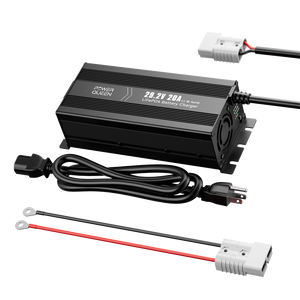
The charger must also match the total bank voltage. Do not use a 12 volt charger on a 24 volt or 48 volt bank unless it is designed for that purpose.
Read More: Can I Charge a LiFePO4 Lithium Battery with a Normal Charger?
Consider Charging Temperature
Temperature affects charging performance. Heat can increase water loss and internal wear, while cold temperatures can slow charging.
Use temperature compensation when supported by the battery and charger. Charge in a dry, ventilated area away from flames, sparks, and cigarettes.
How to Inspect and Maintain a Deep Cycle Battery
Inspect electrolyte levels, terminals, cables, the battery case, and mounting hardware on a regular schedule. Early inspection helps prevent small problems from becoming failures.
Check Water Levels in Flooded Batteries
Check water only in flooded lead acid batteries. AGM, gel, and lithium batteries must not be opened or watered.
Use distilled or deionized water. The University of Wisconsin warns that tap water may contain minerals and contaminants that shorten battery life.
Add the final amount of water after charging because electrolyte expands during charging. If the plates are exposed, add only enough water to cover them before charging.
Clean Battery Terminals and Connections
Keep terminals clean, dry, and tight. Corrosion and loose connections can cause voltage loss, slow charging, and heat.
Turn off the equipment before cleaning. Use an approved terminal cleaner, and do not allow cleaning solution to enter the battery cells.
Replace cables with cracked insulation, burned connectors, or heavy internal corrosion.
Inspect Cables, Cases, and Mounting Hardware
Remove damaged batteries from service. Cracks, leaks, swelling, discoloration, or unusual heat may indicate an unsafe condition.
Make sure the battery is securely mounted. This is especially important in boats, RVs, and golf carts that experience vibration.

Deep Cycle Battery Maintenance Schedule
A simple schedule keeps battery care consistent.
| Maintenance interval | Recommended task |
|---|---|
| After each use | Recharge and check for unusual heat |
| Monthly | Inspect terminals, cables, case, and mounting hardware |
| Monthly for flooded batteries | Check electrolyte and add distilled water if needed |
| Every three months | Clean the compartment and record voltage |
| Before storage | Charge and disconnect unnecessary loads |
| Before reuse | Inspect, recharge, and test under load |
After Each Use
Recharge the battery and check for unusual heat, odor, swelling, or charging problems. Stop charging if the battery behaves abnormally.
Monthly Maintenance
Inspect the battery system at least once a month. Daily use, hot weather, and marine environments may require more frequent checks.
A golf cart used year round in Florida, for example, may need more frequent water and corrosion checks than one used occasionally in a cooler climate.
Seasonal Inspection and Storage Checks
Before storage, charge the battery, clean the compartment, and disconnect unnecessary loads. Check the state of charge during long storage periods.
Marine, RV, and Golf Cart Battery Maintenance
Different applications create different maintenance risks. Boats face moisture and salt, RVs often have hidden power draws, and golf carts experience frequent charging cycles.
Marine Battery Maintenance
Marine battery maintenance should focus on corrosion, moisture, vibration, and charging performance. Secure the battery in an approved tray or box.
Inspect terminals for salt residue and corrosion. Boats used along the Florida Gulf Coast may need more frequent cleaning because warm, salty air speeds up corrosion.
Check the charging system after long trips because pumps, radios, lights, and navigation equipment can place heavy loads on the battery bank.
RV Battery Maintenance
RV battery maintenance should include the battery, converter, solar controller, disconnect switch, and standby loads. Control boards, alarms, clocks, and inverters may continue using power when the RV appears off.
Use the battery disconnect during storage when appropriate. Check flooded batteries more often when the RV remains connected to shore power because an incorrect converter setting may increase water loss.
Golf Cart Battery Maintenance
Golf cart battery maintenance should include charging after use, checking water, cleaning terminals, and keeping the battery pack balanced.
Use batteries with the same chemistry, voltage, and similar capacity. Mixing new and heavily worn batteries can reduce the performance of the entire pack.
Keep battery tops clean and dry to limit corrosion and unwanted current paths.
Read More: Golf Cart Battery Maintenance for Beginners
How to Store and Test Deep Cycle Batteries
Charge the battery before storage and remove unnecessary electrical loads. Proper storage helps prevent deep discharge and unexpected failure.
Store Batteries Safely
Store batteries in a dry, ventilated area away from extreme heat and freezing conditions. A discharged lead acid battery is more vulnerable to freezing damage.
Follow the manufacturer’s storage charge recommendation for lithium batteries. Do not assume every lithium battery should be stored fully charged.
Protect terminals from accidental contact with metal objects.
Read More: Storing LiFePO4 Batteries: A Guide to Proper Storage
Test Battery Health
Use a load or capacity test to check actual performance. Resting voltage alone may not reveal a weak battery.
A golf cart that once completed two rounds but now completes only one has likely lost usable capacity. Testing can show whether one battery or the full pack is responsible.
Keep a Maintenance Record
Record voltage, charging time, water use, cleaning dates, and runtime. A simple log can reveal declining performance before the battery fails.
Common Deep Cycle Battery Maintenance Mistakes
Most battery problems come from incorrect charging, poor watering practices, mixed batteries, and hidden electrical loads.
Using the Wrong Charger
An incompatible charger can overcharge, undercharge, or overheat the battery. Match the charger to the battery chemistry, voltage, and capacity.
Overfilling or Using Tap Water
Do not overfill a flooded battery. Electrolyte expands during charging and may overflow.
Use only distilled or deionized water. Tap water may introduce minerals that damage the cells.
Mixing Old and New Batteries
Do not mix batteries with different ages, chemistries, voltages, or capacities in the same bank. The weakest battery may reduce the performance of the entire system.
Ignoring Parasitic Loads
Small electrical loads can discharge a stored battery. RV control boards, marine electronics, alarms, clocks, and inverters may continue drawing power after shutdown.
Use a disconnect switch when appropriate and test for unexpected current draw if the battery repeatedly loses charge.
Recycle old batteries through a battery retailer or approved collection site. The EPA advises against placing lead acid batteries in household trash or standard recycling bins.
Deep Cycle Battery Maintenance FAQs
How Often Should Deep Cycle Battery Maintenance Be Performed?
Inspect most battery systems at least once a month. Daily use, high heat, and marine conditions may require more frequent checks.
Should a Deep Cycle Battery Be Fully Discharged Before Charging?
No. Lead acid batteries should usually be recharged before they become deeply discharged.
Can Tap Water Be Used in a Deep Cycle Battery?
No. Use distilled or deionized water in flooded lead acid batteries.
Should Water Be Added Before or After Charging?
Add the final amount after charging. If the plates are exposed, add only enough water to cover them before charging.
How Can Battery Corrosion Be Prevented?
Keep terminals clean, dry, and tight. Apply an approved terminal protectant when allowed by the manufacturer.
Can AGM and Lithium Batteries Be Watered?
No. AGM and lithium batteries are sealed and must not be watered.
How Do I Know When a Deep Cycle Battery Needs Replacement?
Replace the battery when runtime drops sharply, voltage falls quickly under load, or the battery no longer holds a charge. Swelling, leaking, cracking, and excessive heat require immediate removal from service.