




Winter Bass Fishing Practice— MLF Bass Pro Tour 2026 Pre-Season Insights & Fishing Tips
Winter bass fishing doesn’t mean staying onshore — even when lakes look quiet, big bass will hold tight to deep channels and structure. The MLF Bass Pro Tour 2026 schedule is out, and for recreational anglers it works as a ready-made map for targeted winter practice.
From Lake Guntersville and Hartwell through Texas (Whitney, Waco, O.H. Ivie, Brownwood) and finishing at Lake Erie, these venues reward deep trolling and structure work. Use the dates to scout routes, log temps and depths, and check gear — from your trolling motor to a reliable trolling motor lithium battery — and follow Bass Pro Tour chatter (and tags like MLP) to sharpen your winter outings.

Analyzing the Lakes: Winter Fishing Hotspots
Take a closer look at these tournament lakes—they’re not just competition sites; they’re winter practice grounds.
Lake Guntersville
Lake Guntersville opens the season and is famous for its expansive waters, deep channels, and scattered shallow pockets. During winter, bass tend to congregate in deeper water, often near submerged structures. For recreational anglers, this is perfect for practicing deep trolling, reading your fish finder, and experimenting with different baits. Try slow trolling along deep channels and note fish activity at different depths and water temps—this kind of info will pay off later in the season.

Lake Hartwell
Lake Hartwell is known for its stone walls and deep cuts. Bass like to hunker near these structures during cold months. Early morning and late afternoon see the most activity, so plan your trolling along deep cuts at sunrise, and then hit the walls at dusk. Bright-colored lures often get noticed in these winter waters. This lake is ideal for learning structure fishing and understanding how bass respond to temperature changes.

Texas lakes
Texas lakes like Lake Whitney, Lake Waco, O.H. Ivie, and Lake Brownwood are characterized by strong thermal stratification in winter. Bass will hold at depths with comfortable temperatures. Adjust your trolling depth according to the thermocline and you’ll get consistent bites. These lakes are perfect for practicing deep water trolling and learning to read fish behavior.
 New World Record Largemouth Bass Caught in Texas
Lake Erie
Finally, Lake Erie, the season finale, is massive with varied depth and abundant structure. Even though it’s the pros’ finish line, it’s a fantastic winter practice spot for recreational anglers: deep water trolling, structure exploration, and locating bass are all skills you can hone here.In short, the tournament lakes double as a map for winter bass fishing. Knowing their features can help you plan routes, locate bass, and build experience before the main fishing season kicks in.
If you want to explore even more winter fishing hotspots across the U.S., check out our full guide👉 15 Best Winter Fishing Destinations in the U.S. (Including Top Ice Fishing Spots). You’ll find plenty of lakes to practice, experiment, and make the most of those chilly days on the water.

Winter Fishing Strategies: Practical Tips
Using tournament lakes as a practice map lets you maintain winter fishing momentum and build experience that translates directly into spring or competitive outings. Focus on a few key strategies to get the most out of your winter trips:- Deep Water Trolling: Work deep channels and cuts, adjusting speed and depth to see how bass react. Lake Guntersville and Lake Whitney are perfect for this.
- Structure Fishing: Troll along rock walls, submerged timber, and drop-offs to locate concentrated bass. Lake Hartwell and Lake Erie are ideal.
- Timing the Bite: Observe morning and evening water temps—bass tend to feed during temperature transitions.
- Record Your Data: Track water temps, depth, bait types, and fish activity each trip to create a winter fishing log.
Using tournament lakes as a practice map lets you maintain winter fishing momentum and build experience that translates directly into spring or competitive outings.
For a more detailed guide on putting these strategies into action, check out 👉 Winter Fishing Tactics That Work: Tips to Catch More Fish in Cold Water. It’s packed with tips to help you fish smarter during the colder months.
Watching and Learning from the Pros
Even before the season starts, you can follow the schedule and tune into live coverage on MLFNOW, MOTV, Rumble, or YouTube. Pay attention to pre-tournament scouting, trolling paths, bait selection, and structure usage. Watching pros teaches more than techniques—it shows strategy, patience, and how to read fish behavior under different conditions.
Noticing how they adjust to deep water or cold snaps can help you refine your own winter practice sessions. Think of it as a free masterclass while sipping your thermos of hot coffee on a chilly lake morning.

Gear Recommendations: Stay on the Water Longer
Winter fishing demands reliable gear. Cold weather, extended trolling sessions, and tricky structure require equipment you can count on.
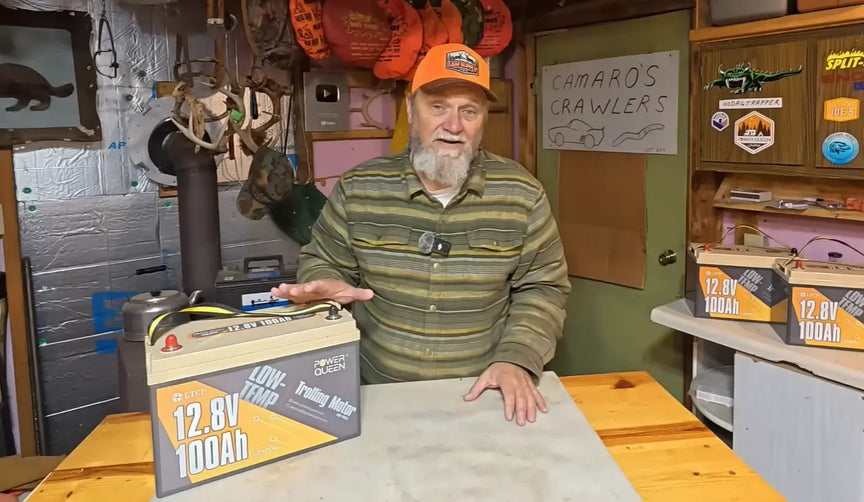
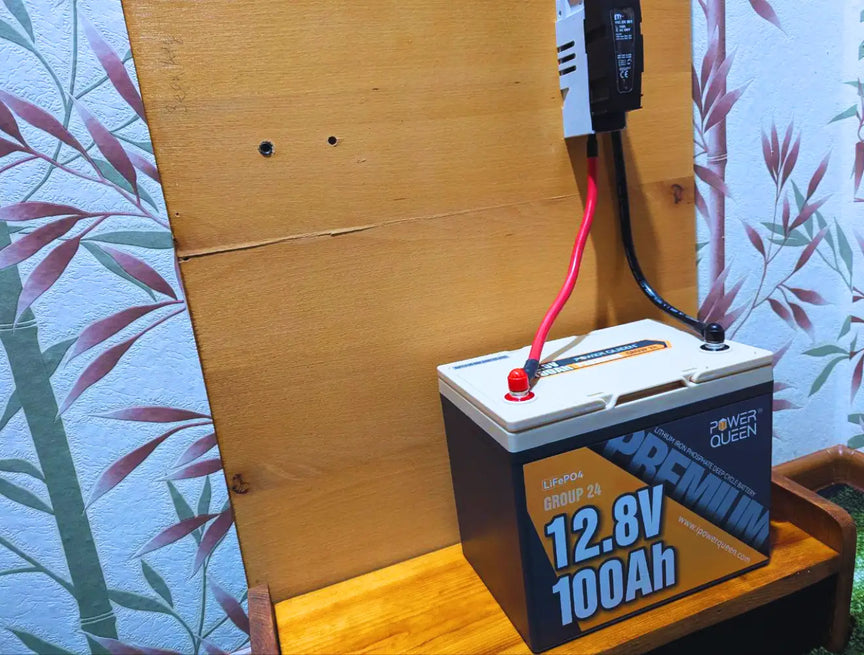
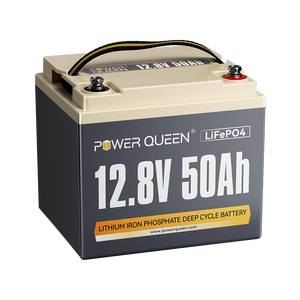
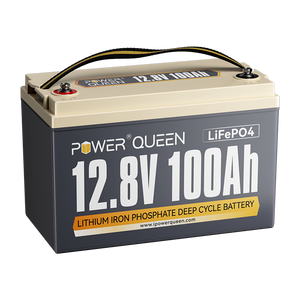
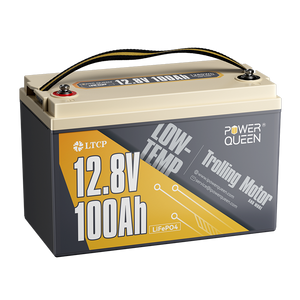
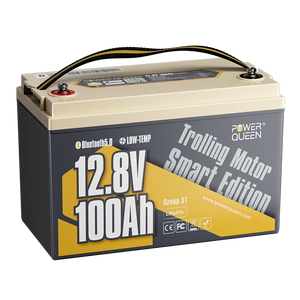
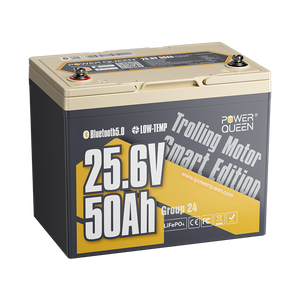
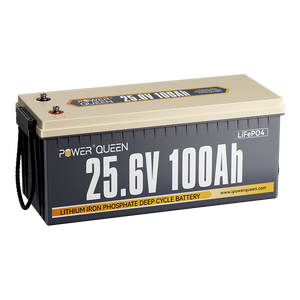
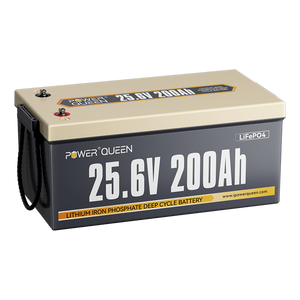
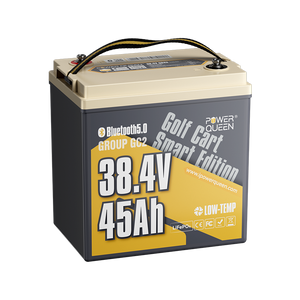
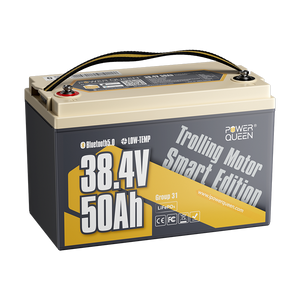
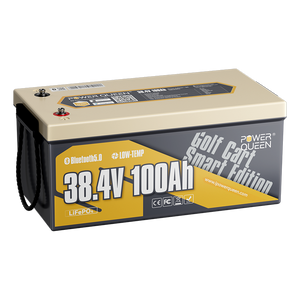
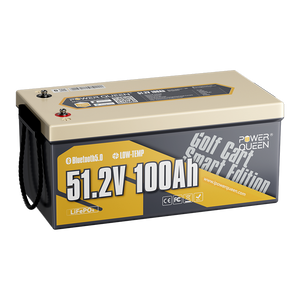
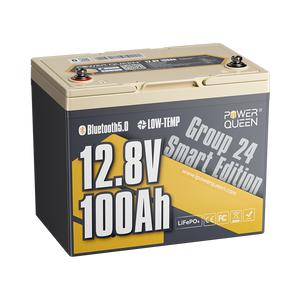
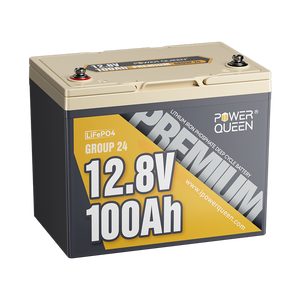
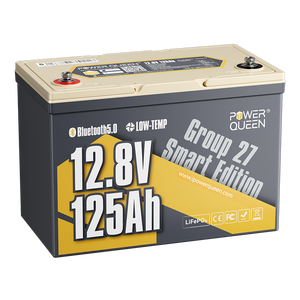
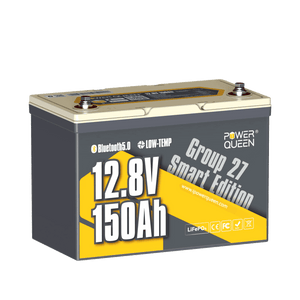
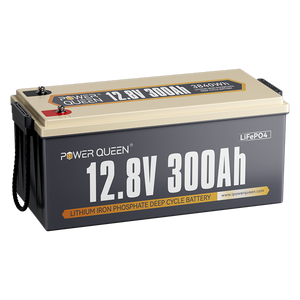
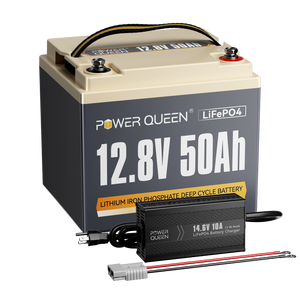
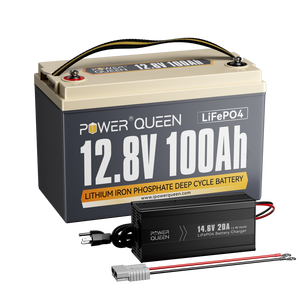
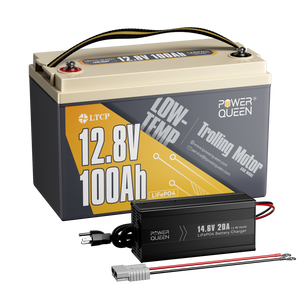
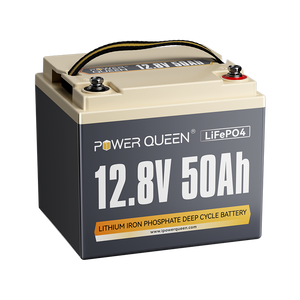
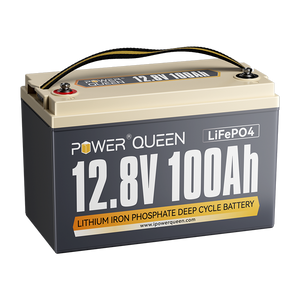
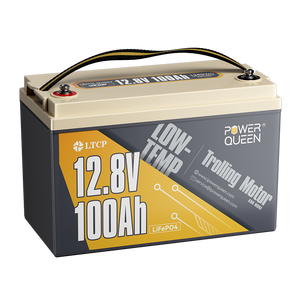
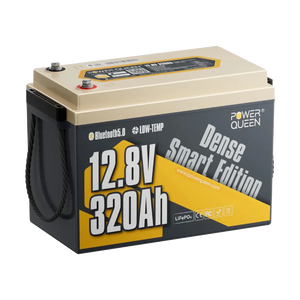
- Deep Cycle LiFePO4 Batteries: More stable and long-lasting than traditional lead-acid batteries in cold temps. Perfect for trolling motors and fish finders, keeping you on the water all day without worrying about power — especially if you run a trolling motor lithium battery to push extended deep-water runs.
💡For a closer look at the best batteries for cold-weather fishing, take a peek at the related guide: Which Type of Batteries Are Ideal for Fishing in Cold Weather?
- Trolling Motors: Choose mid-power, cold-resistant models (e.g., Minn Kota Ultrex or Terrova) to maintain control over deep water routes. A reliable motor paired with a good lithium battery makes all the difference.
- Fish Finders: Lowrance or Humminbird units help locate deep water structure and fish schools efficiently.
- Cold Weather Gear: Insulated gloves, non-slip boots, layered jackets, and safety equipment make winter outings comfortable and safe.
The right gear lets you focus on fishing instead of fussing with cold hands, dead batteries, or ineffective trolling.
After planning your winter practice trips, you might have some common questions. Here are answers to help you make the most of your winter bass fishing.
Summary and Action Steps
Even though the MLF Bass Pro Tour 2026 hasn’t started, the schedule and lake info give recreational anglers plenty of winter fishing inspiration. You can:
1. Pick a tournament lake and draw a practice route on your map.
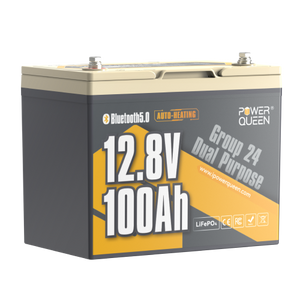
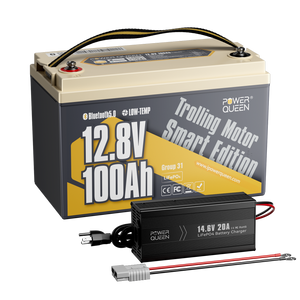
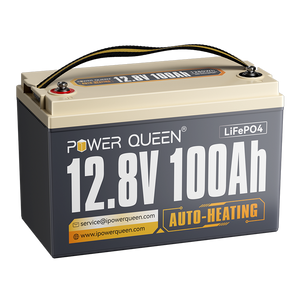
2. Check your gear: trolling motor, fish finder, ice fishing battery (consider the self-heating trolling motor lithium battery), and cold-weather clothing.

3. Get on the water: practice deep water trolling, structure exploration, and timing the morning/evening bite.
4. Log your findings: water temp, depth, bait, and bass activity.
Winter lakes might look quiet, but for anglers focused on winter bass fishing, the action is just beginning. Grab your rod, charge your battery, and make this winter a season of skill-building and big bass catches.
FAQs: Winter Bass Fishing & MLF Bass Pro Tour 2026
Q1: What is winter bass fishing?
A: Winter bass fishing targets bass during colder months when they move to deep channels and structure. Practicing now helps you understand fish behavior and get ahead for spring or tournament season.
Q2: Can I use the MLF Bass Pro Tour schedule as a guide?
A: Yes! The MLF Bass Pro Tour 2026 schedule highlights lakes with strong winter bass activity. Recreational anglers can use it to plan practice runs, scout structure, and log conditions.
Reference: MLF announces 2026 Bass Pro Tour Schedule.
Q3: What gear do I need for winter bass fishing?
A: Essential items include a trolling motor paired with a reliable trolling motor lithium battery, a fish finder, and warm, layered clothing. Deep cycle LiFePO4 batteries ensure long-lasting power during winter outings.
Q4: Can I watch pros to improve my practice?
A: Absolutely. Pre-tournament scouting and coverage on MLFNOW, MOTV, Rumble, or YouTube shows trolling paths, bait choice, and structure strategy. Following Bass Pro Tour pros and social tags like MLP gives extra insights.
Q5: Do I need to be a pro to benefit from these techniques?
A: Not at all. Any angler can use the Bass Pro Tour lakes and schedule to practice deep trolling, structure fishing, and track water temps—improving winter bass fishing skills without competing.
🎄 Christmas Savings at Power Queen🎄
From Dec 15–25, enjoy holiday pricing across all Power Queen batteries.
1 battery · 5% off | 2 batteries · 6% off | 4 batteries · 8% off