






Why Does My Trolling Motor Keep Shutting Off?
Why does my trolling motor keep shutting off? In most cases, the problem is caused by low battery voltage, loose wiring, overheating, or a weak circuit breaker. A trolling motor depends on stable voltage and clean electrical connections, so even a small power interruption can cause the motor to stop unexpectedly.
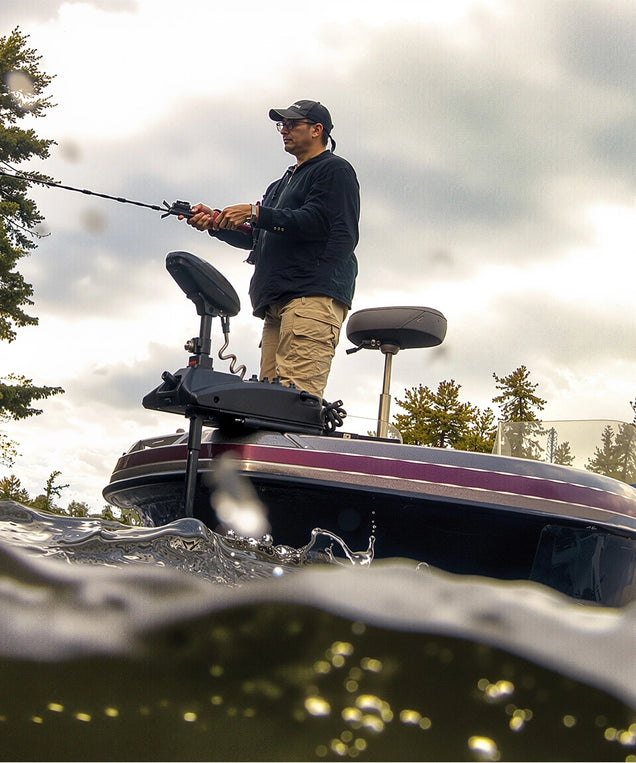
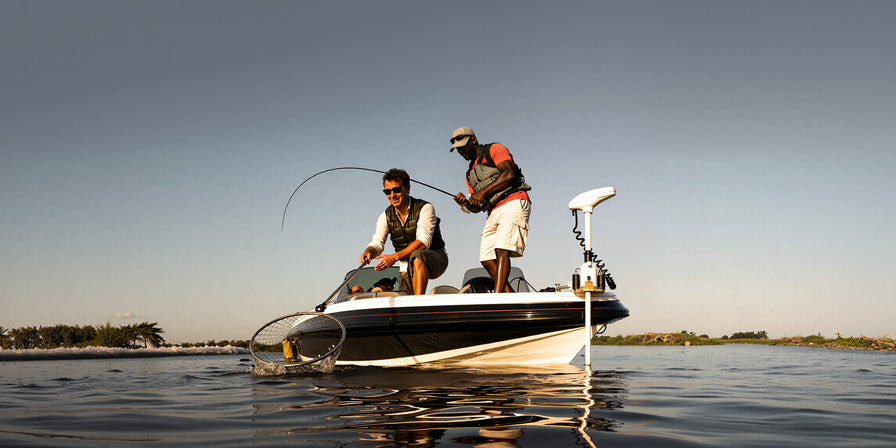
Many anglers notice the issue during long fishing days, windy conditions, or high speed operation. For example, bass anglers using spot lock on large reservoirs like Lake Fork or Lake Okeechobee often experience shutdowns when batteries begin losing voltage late in the day.
The good news is that most trolling motor power issues are easy to diagnose and fix before they become major problems.
Why Does My Trolling Motor Keep Shutting Off While Fishing?
Most trolling motor shutdowns happen because the motor is not receiving stable power. When voltage drops too low or electrical resistance increases, the motor may automatically shut down to protect itself.
Some motors stop only at high speed, while others randomly lose power during operation. The timing usually helps identify the cause.
Low Battery Voltage
Low voltage is the most common reason a trolling motor shuts off unexpectedly. A battery may still appear charged but fail once the motor starts pulling heavy current.
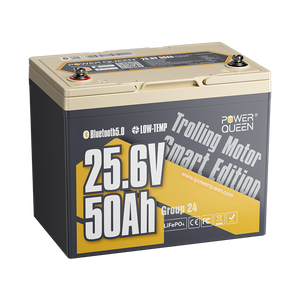
This issue becomes more noticeable at higher thrust settings because the motor demands more power. In a 24V setup, one weak battery can affect the entire system.
The U.S. Coast Guard marine battery safety guidance also notes that proper battery management is critical for marine electrical safety and performance.
Loose Wiring and Bad Connections
Loose connections often cause intermittent trolling motor shutdowns. Battery terminals, trolling motor plugs, and wiring connections are common failure points in marine environments.
Corrosion, vibration, and moisture gradually increase electrical resistance and reduce voltage reaching the motor.
| Connection Problem | Effect on Trolling Motor |
|---|---|
| Loose battery terminal | Intermittent shutdown |
| Corroded wiring | Voltage drop |
| Damaged trolling motor plug | Random power loss |
| Undersized wire | Overheating and low power |
The American Boat and Yacht Council recommends regular inspection of marine electrical systems because corrosion and loose wiring are common boating problems.
Circuit Breaker Problems
A weak circuit breaker can repeatedly shut off power even when the motor itself is working normally. Most trolling motors use breakers to protect the system from overload and overheating.
If the breaker feels unusually hot or trips repeatedly, it may be failing.
| Circuit Breaker Issue | Possible Result |
|---|---|
| Overloaded breaker | Sudden shutdown |
| Weak breaker | Random tripping |
| Incorrect amperage | Frequent power loss |
| Short circuit | Instant shutdown |
Trolling Motor Overheating
Overheating causes many trolling motors to shut down automatically after extended use. Heavy weeds, strong current, and continuous high speed operation place extra strain on the motor.
Many anglers fishing grass heavy lakes in Florida or Texas experience overheating after running through thick vegetation for long periods.
Most modern trolling motors include thermal protection systems that temporarily shut the motor down until temperatures return to normal.
Propeller and Fishing Line Damage
Fishing line wrapped around the prop shaft can quickly create overheating and power loss problems. Even small amounts of line increase resistance and force the motor to work harder.
Damaged propellers can also increase current draw and reduce efficiency.
| Propeller Problem | Common Symptom |
|---|---|
| Bent propeller | Excessive vibration |
| Fishing line buildup | Overheating |
| Debris around shaft | Reduced thrust |
| Damaged prop blade | High current draw |
Water Damage and Internal Failure
Water intrusion can damage internal wiring and electronic control boards. If the trolling motor shuts off after heavy rain or rough water conditions, moisture inside the motor may be the issue.
Modern trolling motors rely heavily on digital control systems, so internal electrical failures often require professional repair.

Minn Kota Trolling Motor Troubleshooting
Minn Kota trolling motor troubleshooting usually starts with the battery and wiring system. Many anglers assume the motor itself has failed when the real issue is weak voltage or a loose connection.
How to Check Battery Power
Testing battery voltage under load is the fastest way to identify weak batteries. A battery may still show full voltage while resting but drop quickly once current demand increases.
For 24V systems, both batteries should always be tested individually.
How to Inspect Wiring and Plugs
Inspecting wiring for corrosion and heat damage can prevent many shutdown problems. Trolling motor plugs should fit tightly and show no signs of discoloration or melting.
Loose terminals should be repaired immediately to avoid further resistance buildup.
How to Test the Circuit Breaker
A breaker that trips repeatedly without overload conditions may need replacement. The breaker rating should always match the trolling motor manufacturer’s recommendation.
How to Inspect the Propeller
Removing the propeller and checking for fishing line is one of the simplest but most overlooked maintenance steps. Even small debris buildup can reduce performance and increase overheating.

Choosing the Best Battery for a Trolling Motor
Battery quality directly affects trolling motor reliability. Weak or aging batteries are responsible for many sudden shutdown complaints.
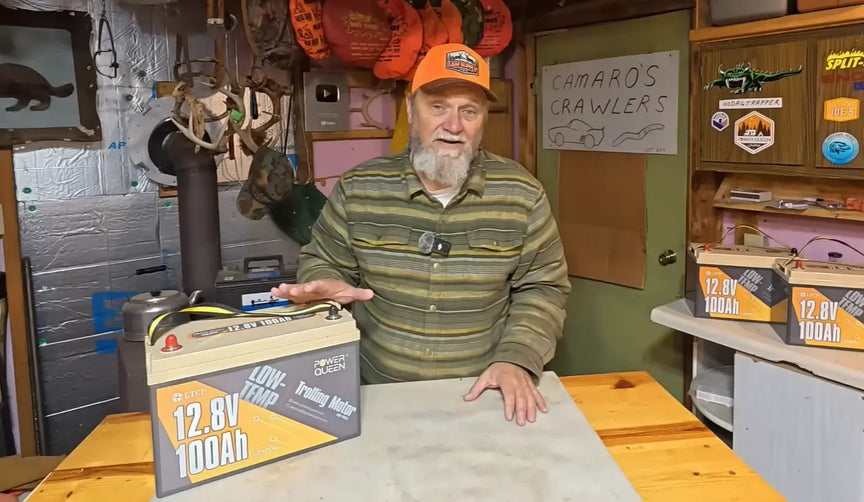
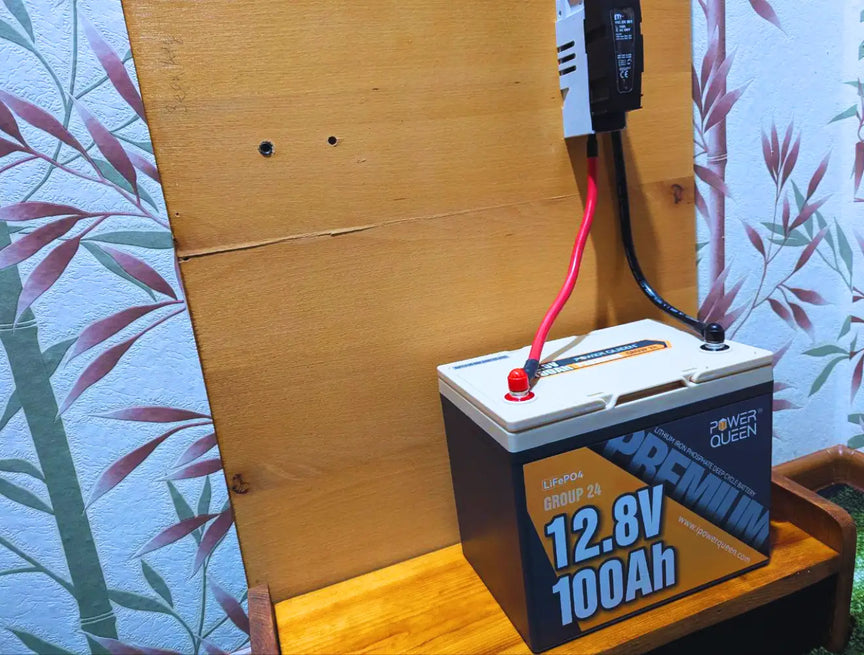
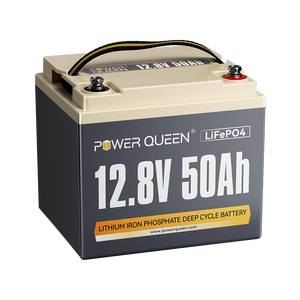
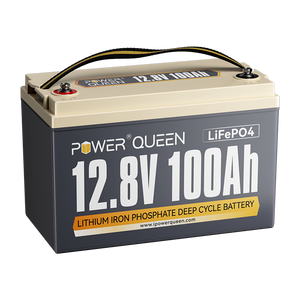
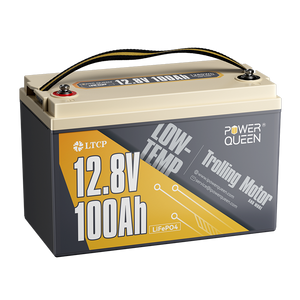
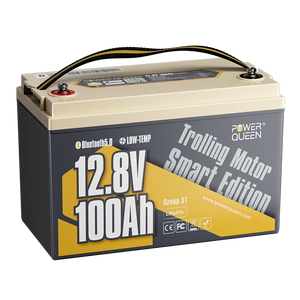
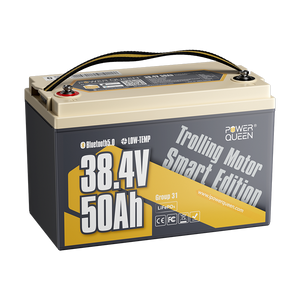
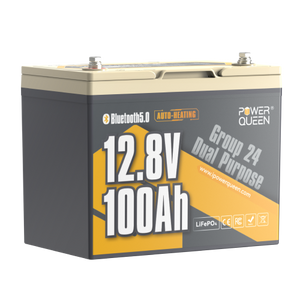
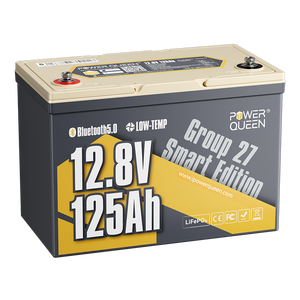
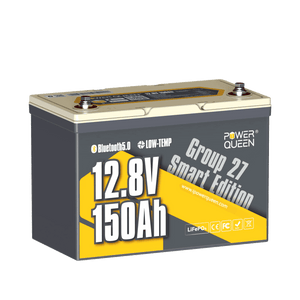
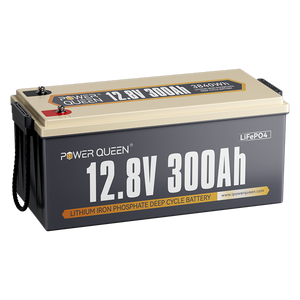
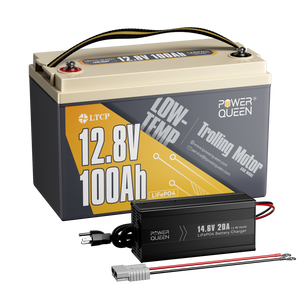
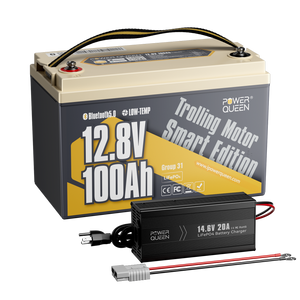
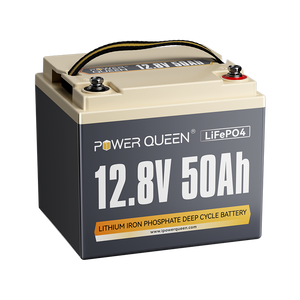
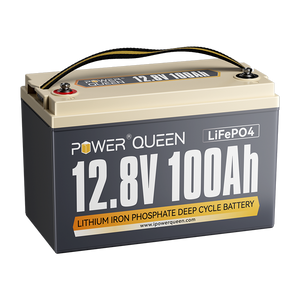
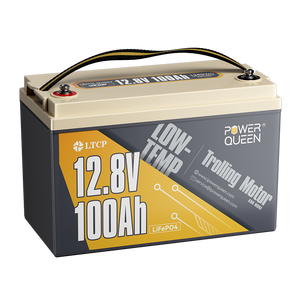
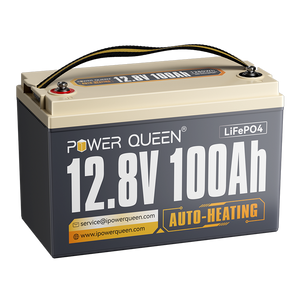
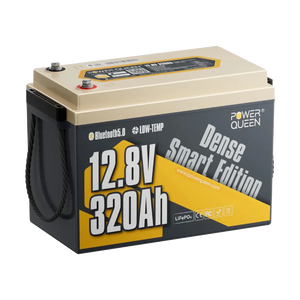
Lithium batteries have become increasingly popular because they provide more stable voltage and longer runtime than traditional lead acid batteries. This is especially important for anglers using 70lb to 100lb thrust trolling motors during long tournament days.
Not sure if you need a high-capacity setup right away? Read our comprehensive guide: Is a 100Ah Battery Enough for a Trolling Motor? to find the right capacity for your fishing style
Why Lithium Batteries Work Better for Trolling Motors
Lithium batteries provide more consistent voltage under heavy load. Unlike lead acid batteries, they maintain stable power longer, which helps reduce trolling motor shutdowns late in the day.
They also recharge faster, weigh less, and provide more usable energy.
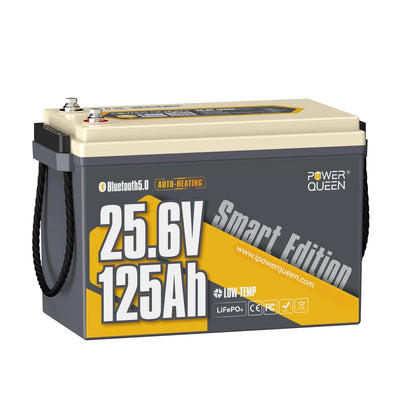
24v 125ah Lithium Trolling Motor Battery Benefits
A 24v 125ah lithium trolling motor battery gives anglers longer runtime and more dependable performance on the water.
With 3200Wh of usable energy, it can support up to 18 hours of runtime under lighter current draw conditions. Compared with two 12V 100Ah lead acid batteries, a compact 24V lithium setup delivers about 2.66 times more usable energy while saving battery compartment space.

Our new 24v 125ah trolling motor lithium battery is designed for demanding marine conditions with Bluetooth monitoring, dual self heating technology, and IP67 marine grade protection. It also supports up to 3200W electric outboard systems, making it a strong fit for tournament anglers and full day fishing trips.
Fast charging also helps anglers stay ready for back to back fishing days. With 20A charging support, the battery can fully recharge in about 6.25 hours.
If you are upgrading your setup and want to understand the voltage and capacity configurations for 24V systems, check out our detailed breakdown: What Size Lithium Battery for 24V Trolling Motor?

How to Prevent Trolling Motor Power Problems
Regular maintenance is the best way to prevent trolling motor shutdowns. Battery terminals should be cleaned regularly, wiring should be inspected for corrosion, and propellers should be checked for fishing line after each trip.
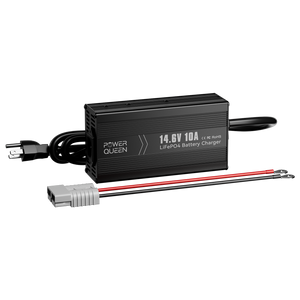
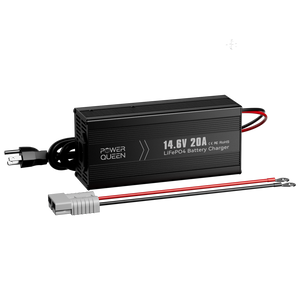
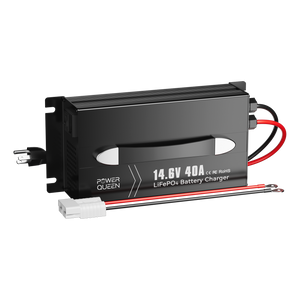
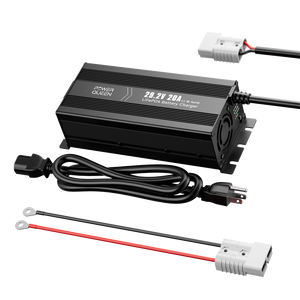
Using the correct charger is also important, especially for lithium battery systems.
Many professional anglers also monitor battery voltage throughout the day to avoid unexpected power loss during tournaments.
FAQs About Trolling Motor Shutdowns
Why does my trolling motor shut off at high speed?
High speed operation increases power demand. Weak batteries, overheating, or poor wiring connections often become more noticeable under heavy load.
Can a bad battery cause intermittent trolling motor shutdowns?
Yes. A weak battery may provide enough voltage at rest but fail once the trolling motor starts drawing current.
How do I know if my circuit breaker is bad?
A breaker that trips repeatedly without overload conditions or becomes unusually hot may be defective.
Does fishing line around the propeller cause power loss?
Yes. Fishing line increases resistance and can cause overheating or reduced trolling motor efficiency.
Are lithium batteries better for trolling motors?
Lithium batteries provide more stable voltage, longer runtime, lighter weight, and better efficiency than lead acid batteries.
Final Thoughts
Most trolling motor shutdown problems are caused by unstable power delivery rather than complete motor failure. Checking the battery, wiring, circuit breaker, and propeller can solve many issues before expensive repairs become necessary.
For anglers who spend long hours on the water, a reliable trolling motor lithium battery system can significantly improve trolling motor performance and reduce unexpected shutdowns during fishing trips.