









Marine Battery Group Size Chart & Guide
Selecting the correct marine battery group size is the most critical step in ensuring your vessel has reliable power for both engine cranking and house electronics. While many boaters focus solely on capacity, the physical dimensions established by the Battery Council International (BCI) dictate whether a battery will actually fit and function within your boat's existing compartment.
This guide provides a comprehensive technical breakdown to help you navigate these standards and choose the most efficient power source for your marine adventures.
What Does Marine Battery Group Size Mean?
Marine battery group size refers to a standardized physical footprint that ensures a battery from one manufacturer can be seamlessly replaced by another within the same dimensional category. These alphanumeric codes, such as Group 24, 27, or 31, define the maximum length, width, and height of the battery casing. By adhering to these BCI standards, we ensure that our batteries fit into the standard battery boxes found on most American-made boats, from small bass boats to offshore center consoles.
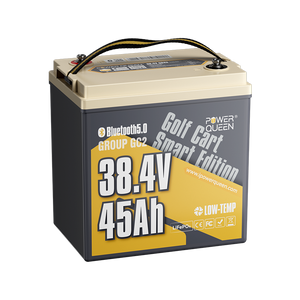
Standardization prevents the logistical nightmare of custom-building mounts for every new battery purchase. For example, a boater in the Chesapeake Bay looking for a replacement can rely on these specifications to maintain a secure fit without modifying their hull. While most recreational boats use these standard sizes, some specialized house banks or solar setups may require the taller GC2 footprint. For more on GC2 specific dimensions, you can read our [Full Guide] What Is A Group GC2 Battery?.
Group Size vs Capacity: What Size Does NOT Tell You
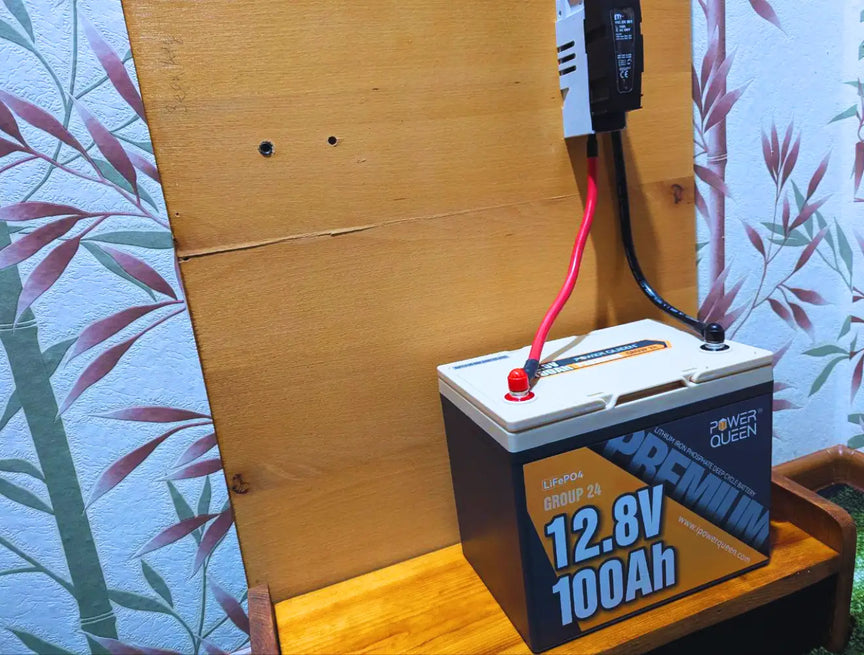
Physical size is a strong indicator of available space, but it is not a direct measurement of the total energy storage or performance capability of the battery. While a larger casing traditionally housed more lead plates to increase capacity, the group size is strictly a dimensional standard, not a power rating. This means a modern group 24 agm marine battery might fit the same tray as a high-performance Lithium unit, yet their runtimes will differ drastically.
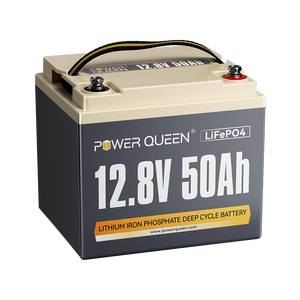
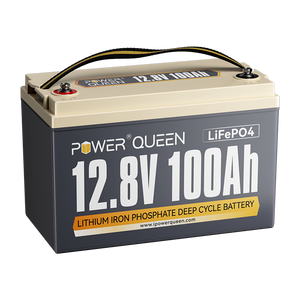
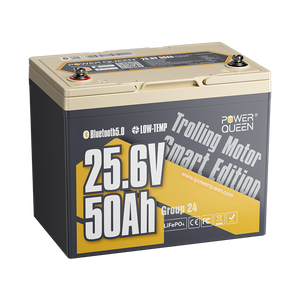
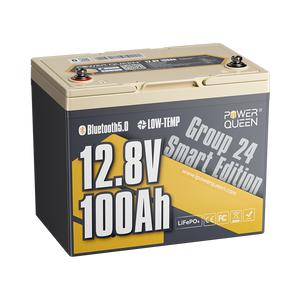
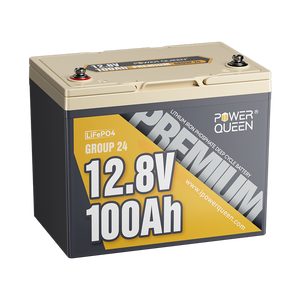
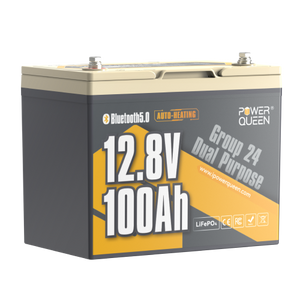
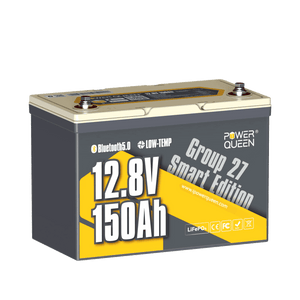
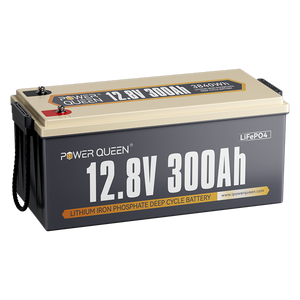
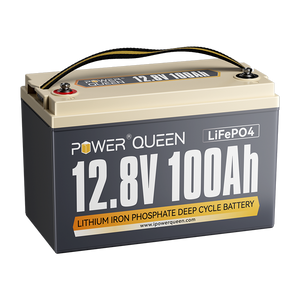
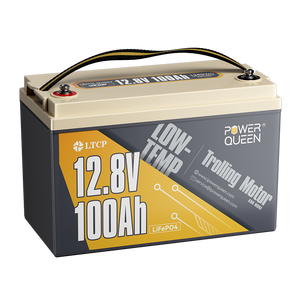
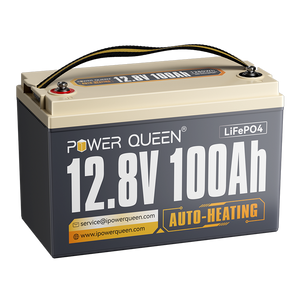
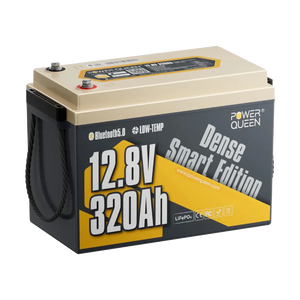
To understand true performance, you must evaluate the Amp Hour (Ah) rating and the usable energy percentage. At Power Queen, we leverage advanced Lithium (LiFePO4) technology to pack significantly higher capacity into these traditional group sizes, offering more "juice" in a smaller, lighter package. This allows you to gain more runtime without having to modify your boat's physical battery storage area.
| Feature | Traditional Lead-Acid / AGM | Power Queen Lithium (LiFePO4) | The "Why" Factor |
|---|---|---|---|
| Group Size | e.g., Group 24 | e.g., Group 24 | Both fit the same physical tray or battery box. |
| Energy Density | Lower | Significantly Higher | Lithium technology packs more active material into the same volume. |
| Usable Capacity | ~50% (Recommended) | Up to 100% | Lead-acid batteries suffer damage if discharged too deeply; Lithium is built for deep cycles. |
| Weight | Heavy (Lead plates) | Ultra-Light | LiFePO4 chemistry is much lighter than lead, improving boat fuel efficiency. |
| Runtime | Standard | Extended | Higher Ah ratings in the same size mean more hours on the water. |
Common Marine Battery Group Sizes Chart
The following table outlines the most common marine BCI sizes and their typical applications. Click the links in the "Detailed Guide" column to explore the technical specifics of each size:
| BCI Group Size | Length (Inches) | Width (Inches) | Height (Inches) | Best Application | Detailed Guide |
|---|---|---|---|---|---|
| Group 24 | 10.25 | 6.81 | 8.87 | Small outboards & bass boat starters | Group 24 Guide |
| Group 27 | 12.06 | 6.81 | 8.87 | Mid-sized consoles & trolling motors | Group 27 Guide |
| Group 31 | 12.93 | 6.75 | 9.37 | Offshore fishing & 24V/36V systems | Group 31 Guide |
If you’re looking for a quick comparison of Group 24, 27, and 31 dimensions, capacities, and applications, check out👉 Deep Cycle Battery Sizes Guide: BCI Group 24, 27 & 31 Size Chart.
AGM vs. Lithium: Choosing Your Internal Chemistry
The primary difference between AGM and Lithium marine batteries lies in their usable energy density and weight, even when they share the exact same external marine battery group size. AGM (Absorbent Glass Mat) batteries are a reliable, traditional choice, but they are limited by a 50% depth of discharge (DoD) to avoid permanent damage. In contrast, Power Queen Lithium (LiFePO4) batteries allow for 100% depth of discharge, effectively providing twice the usable energy of an AGM battery in the same physical footprint.
When comparing chemistries across different sizes, the weight savings of Lithium becomes a significant performance advantage. We explore this specific trade-off in our technical comparison: Group 24 VS Group 31 Deep Cycle Batteries: AGM VS Lithium.
Lithium maintains a steady voltage output until the battery is nearly empty, whereas AGM voltage begins to "sag" as it drains, which can cause electronics to reset or trolling motors to lose thrust.
| Battery Type | Typical Safe Usable Percentage | Example Rated Capacity | Usable Capacity You Can Count On |
|---|---|---|---|
| Flooded Lead Acid | About 50% | 100Ah | About 50Ah usable |
| AGM Deep Cycle | About 50 to 60% | 100Ah | About 50 to 60Ah usable |
| Lithium LiFePO4 | About 80 to 100% | 100Ah | About 80 to 100Ah usable |
💡 Read more: AGM vs Lithium Ion Backup Batteries: Why Some Systems Lose Power at 50%
Why Power Queen Lithium is the Ideal Choice for Your Boat
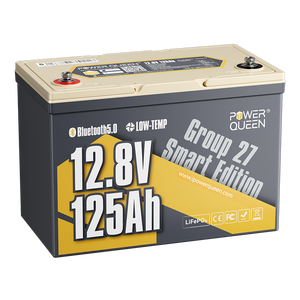
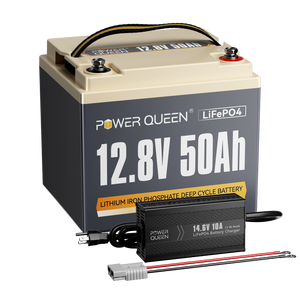
Power Queen designs lithium batteries specifically to serve as "drop-in replacements" for traditional BCI group sizes. Our models are engineered to fit standard battery boxes while providing superior longevity—up to 15,000 cycles compared to the 300-500 cycles of lead-acid. If you find that a Group 24 isn't enough, the "Goldilocks" solution is often the Group 27. You can learn why in our A Comprehensive Guide to Group 27 Deep Cycle Battery.
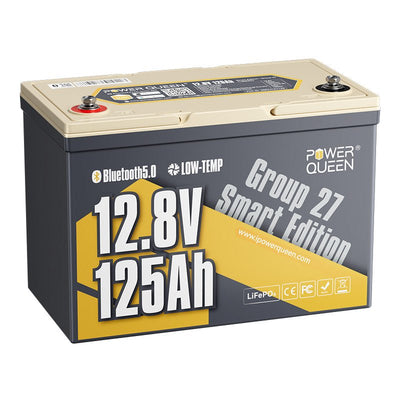

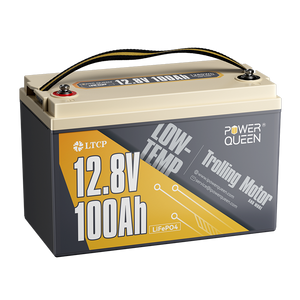
Explore Power Queen’s trolling motor battery lineup for more deep-cycle power options.
How to Confirm the Right Marine Battery Size?
Verifying the internal clearance of your battery compartment is the only way to ensure your new power source will be properly secured. Choosing between the most common marine sizes often causes "analysis paralysis" for many boaters when they realize their tray might accommodate more than one size.
- Comparison 1: To decide between the two most common footprints, read Group 24 vs Group 27 Battery: Key Differences and How to Choose.
- Comparison 2: For high-power needs where space is at a premium, check out Group 27 vs Group 31 Battery: Key Differences and How to Choose.
How to Measure the Right Marine Battery Space
Always measure the internal dimensions of your battery tray or box rather than the old battery itself. You must ensure there is enough overhead clearance for the terminals and heavy-duty cabling, especially if you are upgrading to a group 31 deep cycle marine battery, which is slightly taller than a Group 24 or 27.
Selecting the Right Marine Battery: Beyond Just Size
Balance and weight distribution are critical for the safety and performance of your vessel. Swapping three Group 31 lead-acid batteries for three Power Queen LiFePO4 batteries can shed over 120 pounds from your boat. On a flats skiff in the Florida Keys or a bass boat on Lake Lanier, this weight savings improves fuel efficiency, increases top-end speed, and allows you to access shallower waters that were previously out of reach.

How to Determine the Battery Group Size for Trolling Motor Use
The power requirements of your motor and the expected duration of your trip should dictate what group size battery for trolling motor you select. For a standard 12V trolling motor on a small pond, a group 24 deep cycle marine battery might suffice. However, for serious anglers navigating the currents of the Mississippi River, the higher reserve capacity of a Group 31 is the industry standard for a full day of fishing.
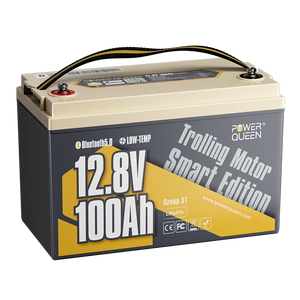
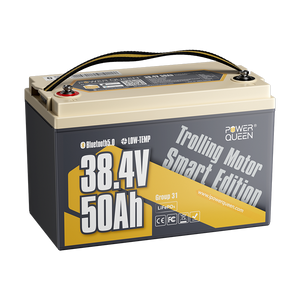
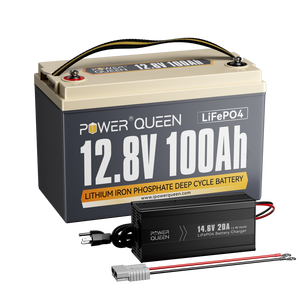
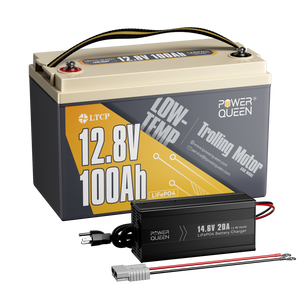
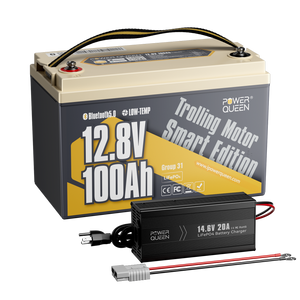
- 12V Systems: A single Power Queen Group 31 100Ah trolling motor Lithium battery provides more usable runtime than a Group 31 lead-acid battery due to its superior discharge depth.
- 24V/36V Systems: For high-thrust motors, we recommend wiring multiple Power Queen batteries in series; ensure all batteries in the bank are the same capacity and age for optimal performance.

Essential Maintenance for Maximizing Marine Battery Lifespan
Proper care and storage protocols are the primary factors in ensuring your marine battery bank achieves its full rated service life.
Optimize Your Charging Profile
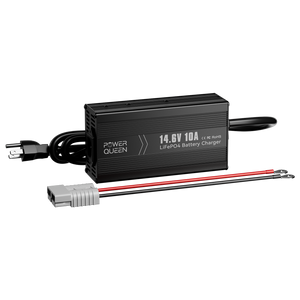
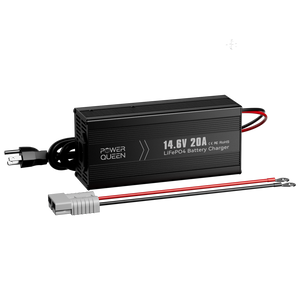
Using a charger specifically designed for your battery's chemistry is the most effective way to prevent premature cell degradation. For Power Queen Lithium users, a dedicated LiFePO4 charger is essential to ensure the Battery Management System (BMS) can properly balance the internal cells and reach a true 100% state of charge without triggering safety shut-offs.
Environmental Protection and Secure Mounting
Physical vibration and extreme temperature swings are the "silent killers" of marine batteries in the United States. Always ensure your battery is locked down in a high-quality BCI-compliant box. While Lithium batteries are excellent for summer boating, they should be stored in a cool, dry place during the winter months, especially in northern regions like the Great Lakes, to maintain their chemical integrity.
FAQs
Can I use a car battery in my boat?
No, car batteries are not designed for the deep discharge cycles or the heavy vibrations of marine use. Car batteries prioritize thin plates for high cranking bursts, which will warp and fail within a single season if used to power trolling motors or electronics.
What is the difference between Group 24 and Group 27?
The Group 27 is approximately two inches longer than the Group 24. While they share the same width and height, that extra length allows for more internal energy storage, providing about 20% more runtime in traditional lead-acid models.
Will a Group 31 Power Queen fit in my current box?
If your current box is designed for Group 31, it will fit perfectly. However, if you are upgrading from a Group 24 or Group 27, you will likely need to purchase a larger battery box or tray to accommodate the increased length and height.
Is it safe to mix different group sizes in a battery bank?
No, you should never mix different group sizes, capacities, or chemistries within the same battery bank. Mixing batteries causes uneven charging and discharging, which significantly shortens the lifespan of the entire system and can lead to safety hazards.
How does temperature affect my marine battery performance?
Extreme heat can accelerate the chemical reaction inside a battery, leading to a shorter overall lifespan, while extreme cold reduces the available capacity. Lithium batteries like Power Queen have built-in BMS protection to prevent charging in sub-freezing temperatures, ensuring the cells are not damaged during winter.
Do I need to vent my battery compartment?
For traditional flooded lead-acid batteries, venting is mandatory to release explosive hydrogen gas. While Power Queen Lithium batteries do not off-gas during normal operation, maintaining a ventilated compartment is still a best practice to manage heat and extend the life of your electronics.
Stop struggling with heavy lead-acid batteries that lose power right when the bite gets good. Power Queen’s Lithium Marine Batteries are the ultimate drop-in upgrade for any BCI group size, offering half the weight and twice the usable runtime of traditional AGM. Whether you’re tournament fishing or cruising the coastline, give your boat the elite power it deserves.