








Deep Cycle Battery Sizes Guide: BCI Group 24, 27 & 31 Size Chart
Selecting the correct deep cycle battery involves more than just picking a brand name. The physical dimensions and capacity ratings must align perfectly with your battery tray and your power requirements.
This comprehensive guide breaks down the BCI group size standards to help you navigate the differences between Group 24, 27, and 31 batteries for marine, RV, and off grid solar applications.
👉Jump to Group 24, 27 & 31 Size Chart.
What Is a Deep Cycle Battery?
A deep cycle battery is engineered to provide sustained power over a long period. Unlike starter batteries that deliver a short burst of high current to crank an engine, deep cycle units are designed to be discharged and recharged repeatedly. This durability makes them the backbone of energy storage systems in campers and boats.
Deep Cycle Battery Sizing Basics
Battery sizing refers to the physical footprint and the electrical capacity of the unit. The physical size is regulated by the Battery Council International to ensure compatibility across different manufacturers. When you look at battery sizing, you are balancing the available space in your vehicle against the total Amp Hours required to run your electronics.
The fastest way to pick the right size is to match the battery’s physical footprint to your tray and box first, then choose the capacity that meets your daily power needs. Many buyers get stuck because they shop by amp hours only, then discover the case is too long, too tall, or the terminals do not line up with their cables.
The practical rule is that battery length is usually the limiting factor, not width. Group 24, Group 27, and Group 31 often share similar width, but each step up is longer, and Group 31 is commonly taller too, which can interfere with lids, hold down bars, or straps.
BCI Group Size Standards Explained
The BCI group size is a standardized coding system that defines the physical dimensions of a battery including its length, width, and height. It also specifies the orientation of the terminals. Using these standards allows consumers to replace a battery with a different brand while being certain it will fit into the existing mounting hardware or battery box.

BCI Battery Group 24 Size Overview
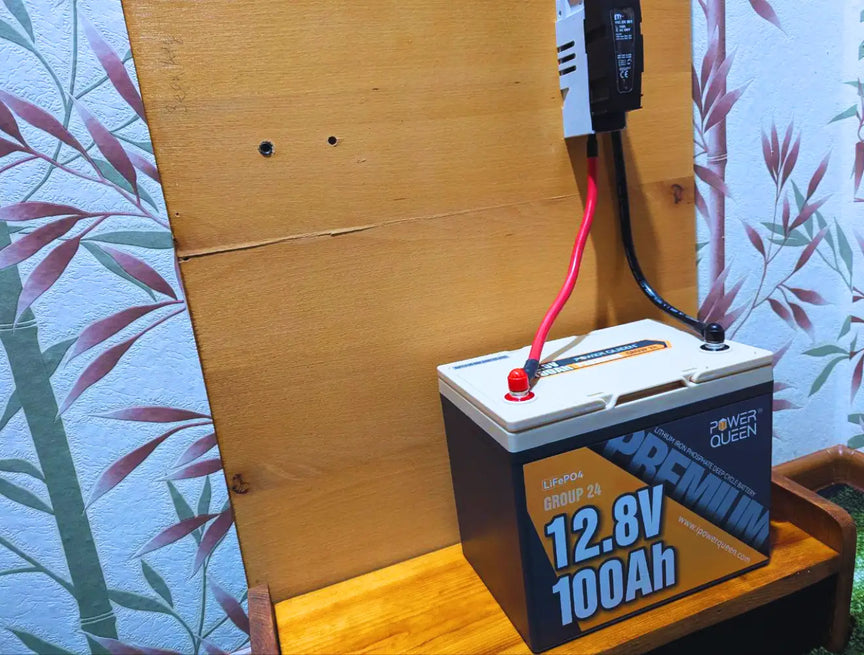
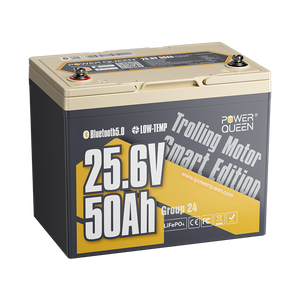
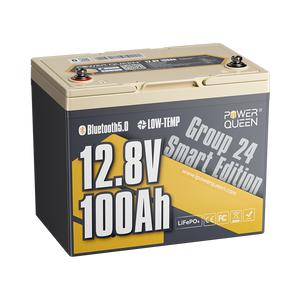
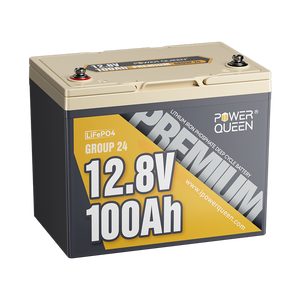
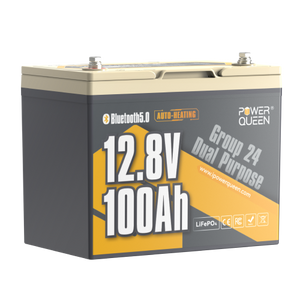
The BCI Battery Group 24 is one of the most widely utilized deep cycle sizes, offering a compact and versatile power solution suitable for a broad range of applications.
A typical Group 24 battery measures approximately 10.25 inches in length, 6.81 inches in width, and 8.88 inches in height, making it a common fitment in smaller RVs, mid-sized boats, and basic solar setups.
Group 24 is usually the easiest fit when your compartment is tight and you still want a capable deep cycle option. It is common in smaller travel trailers, compact marine battery boxes, and backup systems where space is limited.
The main advantage of Group 24 is compatibility with many factory battery trays. For example, plenty of older U.S. travel trailers that ship with a single house battery up front were designed around a Group 24 footprint, so swapping in the same group size is often a clean replacement with no hardware changes.
💡 Read More: What You Need to Know About Group 24 Deep Cycle Battery
BCI Battery Group 27 Size Overview
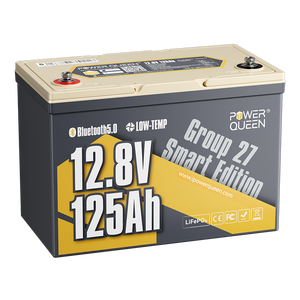
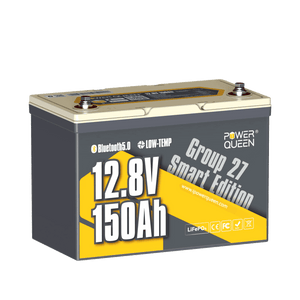
Stepping up from the Group 24, the BCI Battery Group 27 offers a meaningful increase in energy storage capacity while maintaining a similar width and height. The Group 27 battery typically has dimensions of about 12.06 inches in length, 6.81 inches in width, and 8.88 inches in height, which is nearly two inches longer than the Group 24.
Group 27 is often the best balance of fit and runtime for most RV and marine setups. It is longer than Group 24, which typically allows more internal active material in lead acid designs or more cells in lithium designs, translating into more usable energy.
A common American use case is a mid size RV that runs a 12V compressor fridge and lights overnight while boondocking. If the battery box has the extra length, moving from Group 24 to Group 27 is one of the simplest ways to reduce how often you need to recharge.
💡 Read More: A Comprehensive Guide to Group 27 Deep Cycle Battery
BCI Battery Group 31 Size Overview
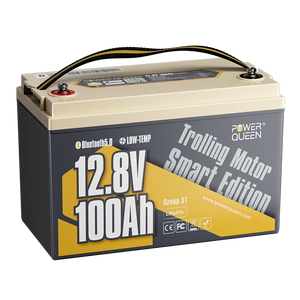
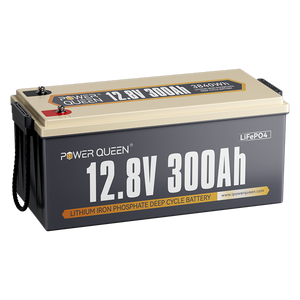
The BCI Battery Group 31 represents the largest of these three common sizes, designed for heavy-duty and high-demand applications where maximum capacity is essential. Group 31 batteries are typically around 13.0 inches long, 6.8 inches wide, and 9.4 inches high, offering the greatest physical volume for energy storage.
Group 31 is the go to choice when you want maximum runtime per battery and your tray can handle the extra size. It is widely used in marine systems, work trucks, and RV builds that rely on an inverter or have longer off grid stays.
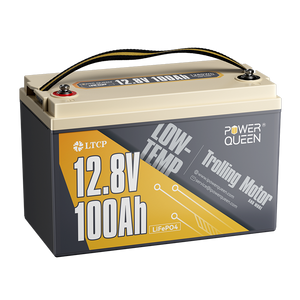
A practical U.S. example is a bass boat running a trolling motor for hours on the water. Group 31 deep cycle batteries are popular there because longer runtime matters more than shaving weight, especially in lead acid systems.
💡 Read More: Full Guide of Group 31 Battery , Dimension, Features and Recommendation
BCI Group 24, 27 & 31 Size Chart: Dimensions and Capacity Comparison
The following chart provides a clear, side-by-side comparison of the physical dimensions and typical electrical specifications for the three most popular deep cycle BCI group sizes. It is important to note that while the dimensions are standardized by BCI, the Amp-hour (Ah) capacity is an approximate range and can vary based on the battery's internal chemistry and manufacturer.
| BCI Group Size | Maximum Dimensions (L x W x H) | Typical Lead-Acid/AGM Capacity (Ah) | Typical Lithium (LiFePO₄) Capacity (Ah) | Key Application Niche |
|---|---|---|---|---|
| Group 24 | 10.25" x 6.81" x 8.88" | 70 – 85 Ah | 80 – 100 Ah | Light-to-Moderate Power Needs, Space-Constrained Installs |
| Group 27 | 12.06" x 6.81" x 8.88" | 85 – 105 Ah | 100 – 125 Ah | Balanced Power and Runtime, Standard RV/Marine Use |
| Group 31 | 13.00" x 6.80" x 9.40" | 100 – 130 Ah | 100 – 150 Ah | Heavy-Duty, High-Inverter Loads, Extended Off-Grid Stays |
The dimensions clearly illustrate the primary difference between the sizes is the length, with the Group 31 also gaining a slight increase in height to accommodate the larger internal components necessary for its higher capacity.

Size Differences Among Battery Types
Even within the same BCI group size, different battery technologies can behave very differently in real world use. Battery case dimensions may be standardized, but capacity, weight, usable depth of discharge, and charging requirements vary a lot.
That is why deep cycle battery sizes should always be considered together with chemistry and performance.
Lead-Acid Deep Cycle
Lead acid deep cycle batteries remain common because they are affordable and widely available. They are usually offered in flooded lead acid, AGM, or gel types.
They tend to be heavy for their energy capacity, and most users avoid discharging them too deeply on a daily basis. In many RV and marine setups, a Group 27 or Group 31 lead acid battery is chosen because the additional size helps offset the lower usable capacity compared with lithium.
Lead acid batteries also have more noticeable voltage drop under load, which can cause devices like inverters to shut off earlier than expected if the battery is undersized.
Lithium (LiFePO₄)
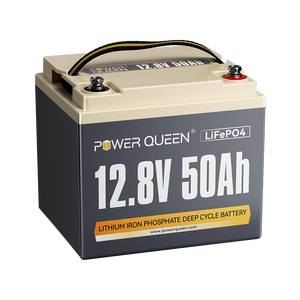
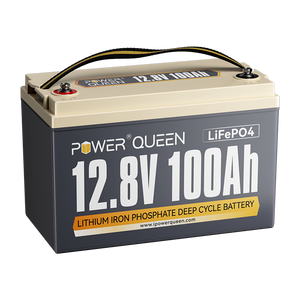
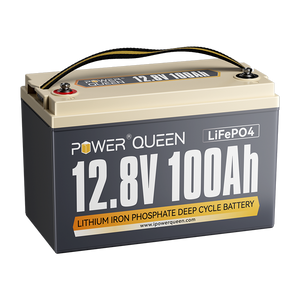
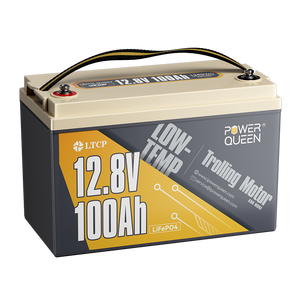
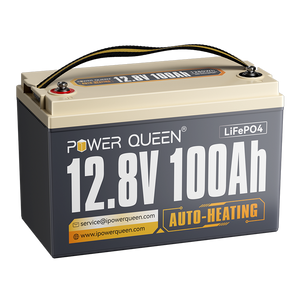
LiFePO₄ lithium batteries have become one of the best upgrades for deep cycle applications because they deliver more usable energy in the same physical size. Many lithium batteries are built specifically to match BCI Group 24, Group 27, and Group 31 footprints.
This means you can often replace a lead acid Group 24 battery with a lithium Group 24 and get significantly better usable runtime because lithium can safely operate at a deeper discharge and holds voltage more consistently.
However, lithium batteries may be taller in some models or have different terminal styles, so checking exact dimensions is still important before purchase.
💡 Read More: Lead Acid vs Lithium Ion Battery: What's the Difference?

How to Choose the Right Battery Size
The right battery size is the largest group that fits comfortably in your compartment while still matching your charging system and daily load needs. That means you should measure the usable interior length, width, and height of your battery box, then confirm terminal clearance and strap or hold down clearance.
The best purchasing habit is to treat fitment like tires. You do not buy first and hope they fit, you measure first and buy what fits. Beyond fitment, auditing your power demands is just as important to ensure you’re choosing the right capacity for your real-world usage.
Group 24 vs Group 27 battery
If you want the short answer, Group 27 usually gives you more runtime than Group 24 as long as you have the extra length. The width and height are often the same standard maximum overall dimensions, so the upgrade is commonly limited by front to back clearance, not side to side clearance.
If your RV battery box lid barely clears a Group 24 handle, moving to Group 27 can still be fine, but you should check lid clearance and the path of the hold down strap so you do not end up forcing the lid shut.
💡 Read More: Group 24 vs Group 27 Battery: Key Differences and How to Choose
Group 24 vs Group 31 battery
If you want the clear takeaway, Group 31 is a bigger jump that can deliver longer single battery runtime but is much more likely to hit fitment limits. You need extra length, and you often need extra height clearance too because Group 31 is commonly taller in the standard spec.
If you are upgrading a travel trailer tongue box, this is where many people get stuck. The tray might accept the width, but the tongue box door or lid can interfere with the taller profile.
💡 Read More: Group 24 VS Group 31 Deep Cycle Batteries: AGM VS Lithium
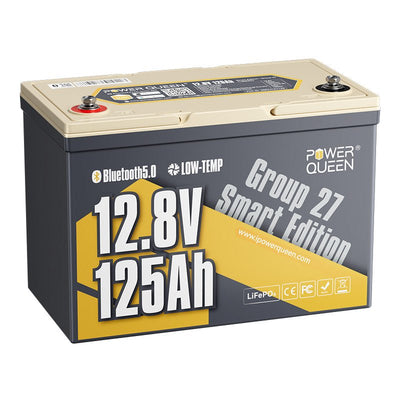
Group 27 vs Group 31 battery dimensions
If you are deciding between these two, Group 31 usually wins on potential runtime but requires more clearance. The key difference is that Group 31 is longer and typically taller than Group 27, while width remains about the same.
A simple way to decide is to measure your available length and your lid or hold down height. If you have the space and you want fewer recharge cycles, Group 31 is often the best single battery move.
💡 Read More: Group 27 vs Group 31 Battery Key Differences and How to Choose
Power Audit
Choosing the correct deep cycle battery size involves a systematic calculation of your power needs, not just a guess based on the largest size that fits. The last step is to perform a power audit to determine the total Amp-hours required per day by all your 12-volt appliances, lights, and devices. This involves multiplying the current draw (in Amps) of each item by the number of hours it will run. Once the total daily Ah consumption is established, a safety margin of 20% should be added, and the result must be divided by the battery's usable depth of discharge (DoD).
For example, if your daily consumption is 100 Ah, a lead-acid system with a 50% depth of discharge would require a battery bank with a rated capacity of 200 Ah, which typically necessitates two Group 27 or two Group 31 batteries. In contrast, a lithium system with a 90% depth of discharge would only require a rated capacity of approximately 111 Ah, a demand that could be met with a single high-capacity Group 31 lithium battery.
This calculation demonstrates that the choice of chemistry is inseparable from the choice of BCI group size, as the usable capacity directly dictates the physical size and number of batteries required to meet your energy demands.
Common Applications and Recommended Sizes
The ideal BCI group size is heavily dependent on the specific application and the user's power consumption habits. While a Group 24 might suffice for a weekend warrior, a Group 31 is often necessary for full-time living or commercial use.
For RV-specific fitment and capacity comparisons, see RV Battery Size Chart Guide: Group 24 vs 27 vs 31, and for boats and trolling motors, see Marine Battery Group Size Chart & Guide.
The trend in modern installations is to utilize the higher energy density of lithium batteries, allowing users to select a smaller BCI group size, such as a Group 27, to replace a larger, heavier Group 31 lead-acid battery while still achieving superior performance and runtime.
How to Properly Maintain Your BCI Battery Group
Proper maintenance is essential for maximizing the lifespan and performance of any deep cycle battery, though the requirements differ significantly between lead-acid and lithium chemistries. Adhering to these practices ensures that your investment provides reliable power for years to come.
How to Properly Maintain Lead-Acid and AGM Batteries
For Lead-Acid and AGM Batteries, the primary focus is on preventing corrosion and maintaining proper electrolyte levels. Owners of flooded lead-acid batteries must regularly check the water levels and top them off with distilled water, ensuring the plates remain fully submerged. All lead-acid batteries require routine inspection of the terminals for corrosion, which should be cleaned with a mixture of baking soda and water, followed by the application of a protective terminal grease. Furthermore, these batteries must be kept above a 50% state of charge, as leaving them discharged can lead to sulfation and permanent capacity loss.
How to Properly Maintain Lithium (LiFePO₄) Batteries
Lithium (LiFePO₄) Batteries are virtually maintenance-free due to their sealed design and internal Battery Management System (BMS). The BMS actively monitors and balances the cells, protecting the battery from overcharging, over-discharging, and short circuits. The only maintenance required for a lithium battery is ensuring it is charged with a compatible charger that provides the correct voltage profile. For long-term storage, lithium batteries should be stored at a state of charge between 50% and 70% in a cool, dry environment, which is a much simpler requirement than the constant monitoring needed for lead-acid.
💡 Read More: How To Maintain A Lithium Battery
FAQs
Are Group 24, Group 27, and Group 31 all 12V deep cycle batteries?
Yes in most consumer use cases, but group size is not a guarantee of voltage or deep cycle design. Always confirm the label says 12V and deep cycle, especially if you are shopping in automotive sections where starter batteries are common.
What is the key difference in group 24 vs group 27 battery?
The key difference is length, and that extra length usually supports more energy storage potential. As long as your battery box has room, Group 27 is one of the easiest upgrades from Group 24.
What is the key difference in group 27 vs group 31 battery dimensions?
Group 31 is typically longer and taller, which can improve runtime potential but increases fitment risk. Measure both length clearance and lid or hold down clearance before upgrading.
Can I replace Group 24 with Group 31 directly?
Yes only if the compartment has enough length and height clearance and your cables can reach safely. If the terminals end up too far away or the lid cannot close, the upgrade is not worth forcing.
Why does a battery sometimes not fit even when it is the right group size?
Because “group size” is a standard maximum overall dimension guideline and real products can vary slightly, especially with molded handles, terminal protectors, or case ribs. The safest move is to confirm the exact product’s listed dimensions before buying.