





How Much Are Golf Cart Batteries?
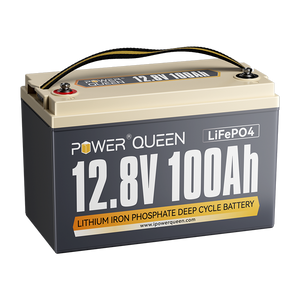
How much are golf cart batteries? Most U.S. golf cart batteries cost about $800 to $1,800 for lead acid and $1,000 to $3,000+ for lithium.
The final price depends on battery type, cart voltage, capacity, charger needs, and installation. Lead acid is cheaper upfront, while lithium usually offers better long term value.
For example, a homeowner in The Villages, Florida may choose lead acid for short neighborhood trips. A Texas campground owner may prefer lithium for daily use, longer range, and less maintenance.
How Much Are Golf Cart Batteries by Battery Type?
Golf cart batteries usually cost less when you choose flooded lead acid and more when you choose lithium. Flooded lead acid batteries remain the most budget friendly choice, AGM batteries sit in the middle, and LiFePO4 lithium batteries are usually the premium option.
| Battery Type | Typical Full Pack Cost in the U.S. | Common Lifespan | Maintenance Level | Best Fit |
|---|---|---|---|---|
| Flooded lead acid | $800 to $1,600 | 3 to 5 years | High | Budget replacement |
| AGM lead acid | $1,200 to $2,500 | 4 to 6 years | Low | Cleaner low maintenance use |
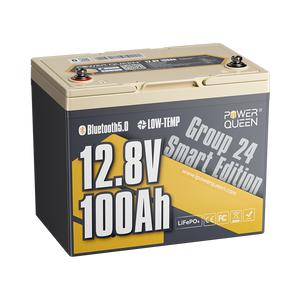
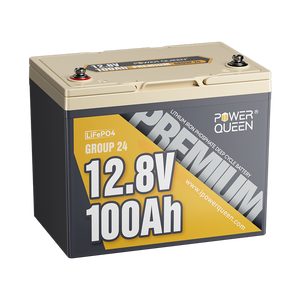
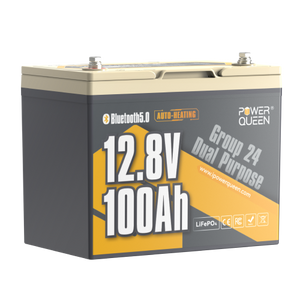
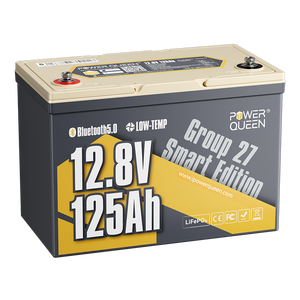
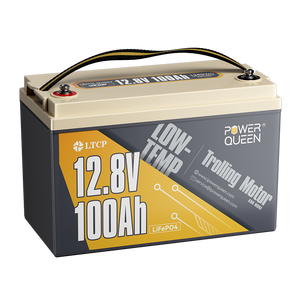
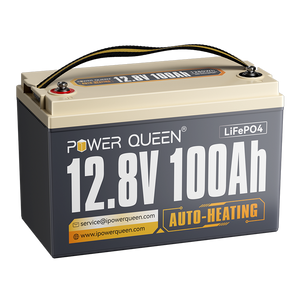
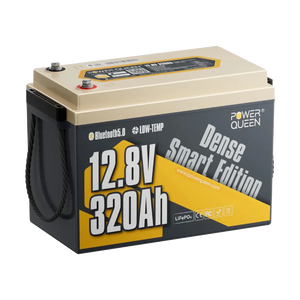
| LiFePO4 lithium | $1,000 to $3,000+ | 8 to 10 years or more | Very low | Long range and long term value |
Lead acid batteries are the cheapest way to replace an older golf cart battery pack. They work well for owners who drive a few miles at a time, charge regularly, and do not mind checking water levels.
AGM batteries cost more because they are sealed and require less routine care. They can be a good option for users who want fewer maintenance steps but are not ready to pay for lithium.
Lithium batteries cost more than basic lead acid options because they are lighter, more energy dense, and often designed for longer cycle life. The U.S. Department of Energy explains through its Alternative Fuels Data Center battery guide that lithium ion batteries are widely used in electric transportation because they offer high power to weight performance and continue to improve in cost, life, and safety.
Related Blog: Deep Cycle Redefined: Why Lithium is the Modern Alternative to Lead Acid.
How Much Are Golf Cart Batteries for 36V and 48V Carts?
Golf cart battery cost rises as the voltage and capacity increase. A 36V golf cart usually costs less to power than a 48V cart because it needs a smaller battery system.
| Golf Cart Voltage | Common Lead Acid Setup | Typical Lead Acid Cost | Typical Lithium Cost |
|---|---|---|---|
| 36V golf cart | Six 6V batteries or three 12V batteries | $800 to $1,400 | $1,000 to $2,000 |
| 48V golf cart | Six 8V batteries or four 12V batteries | $1,000 to $1,800 | $1,000 to $3,000+ |
| 72V golf cart | Six 12V batteries or a lithium system | $1,500 to $2,800 | $3,000+ |
A 36V cart is often the most affordable to replace. This setup is common in older golf carts used for short community rides, golf courses, and light property use.
A 48V cart usually costs more but often delivers stronger performance. Many neighborhood electric carts in Arizona, Florida, and South Carolina use 48V systems because they handle longer trips and mild hills better than many older 36V carts.
A 72V cart is usually the most expensive because it is built for higher performance or heavier use. These carts are more common in commercial, lifted, or high speed applications.
Related Blog: The Differences Between A 36V VS 48V Golf Cart.
Golf Cart Batteries Cost More When Capacity Is Higher
Battery capacity has a direct impact on price. A higher amp hour rating usually costs more because it stores more usable energy and can support longer driving range.
A low capacity pack can be enough for short neighborhood trips. For example, a cart used to drive from a driveway to a community pool may not need the same battery capacity as a cart used across a large ranch, resort, or campground.
A higher capacity lithium pack can be worth the extra cost for daily users. If a cart carries passengers, climbs hills, runs lights, or drives several miles per day, a larger battery can reduce range anxiety and charging frequency.

Golf Cart Batteries Replacement Cost Includes More Than Batteries
The final replacement cost often includes installation, cables, charger changes, meters, and recycling fees. This is why two owners can buy similar batteries but pay different total prices.
| Cost Item | Typical U.S. Price Range | Why It Matters |
|---|---|---|
| Battery pack | $800 to $3,000+ | Main replacement cost |
| Professional installation | $100 to $300 | Common at dealers and repair shops |
| Battery cables | $50 to $200 | Needed if cables are corroded or undersized |
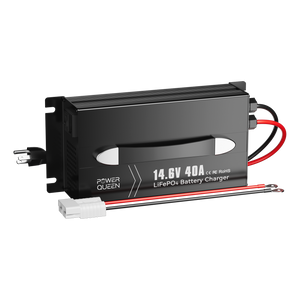
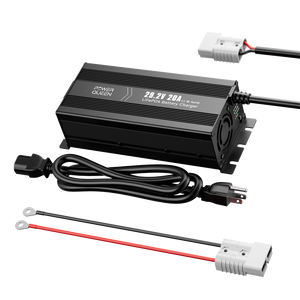
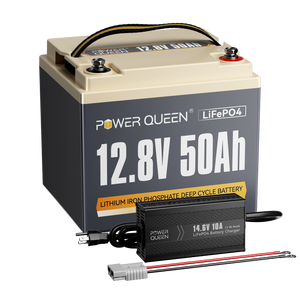
| Lithium compatible charger | $250 to $700 | Often needed for lithium upgrades |
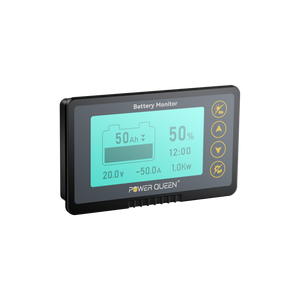
| Battery meter | $40 to $200 | Helps track charge more accurately |
| Recycling or core fees | $10 to $30 per battery | May apply if old batteries are not returned |
Installation cost matters because golf cart batteries are heavy and wiring must be correct. A mistake with battery polarity, cable order, or charger compatibility can damage the cart or create a safety issue.
Cable cost matters because old cables can limit performance. Corroded or loose cables may cause heat, weak acceleration, poor charging, or sudden power loss.
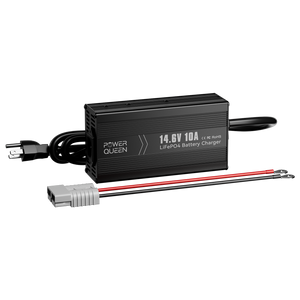
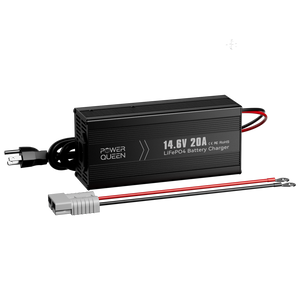
Charger cost matters most during lithium upgrades. Many lead acid chargers are not designed for lithium charging profiles, so buyers should confirm charger compatibility before purchasing.
Lead Acid Golf Cart Batteries Are Best for Lower Upfront Cost
Lead acid golf cart batteries are the best choice when upfront budget is the main concern. They are widely available, familiar to local dealers, and usually the least expensive way to get a cart running again.
Flooded lead acid batteries do require regular care. Owners need to charge after use, keep terminals clean, check water levels, and avoid letting the batteries sit discharged for long periods.
Lead acid batteries are also heavier than lithium. A U.S. Department of Energy lead batteries technology assessment explains that lead acid batteries have lower energy density than lithium ion batteries, which helps explain why lithium packs can deliver similar or better usable power with less weight.
Lead acid makes sense for occasional drivers. If you use your cart mostly on weekends, around a golf course, or for short neighborhood trips, the lower purchase price may be more important than long term performance.
Lithium Golf Cart Batteries Are Best for Long Term Value
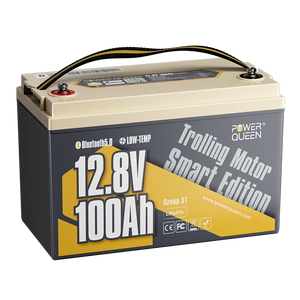
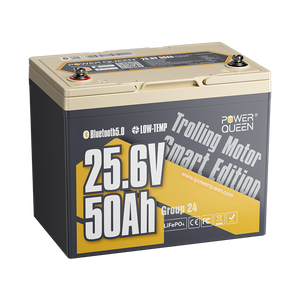
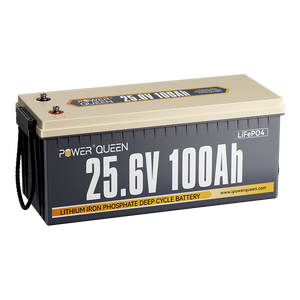
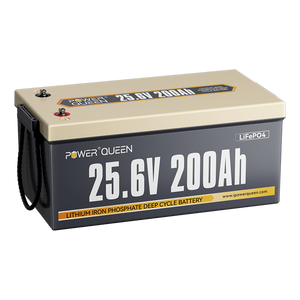
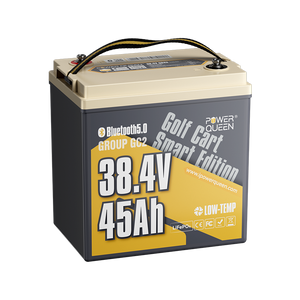
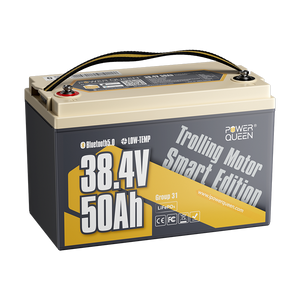
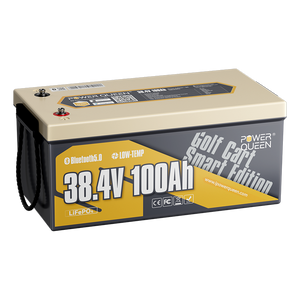
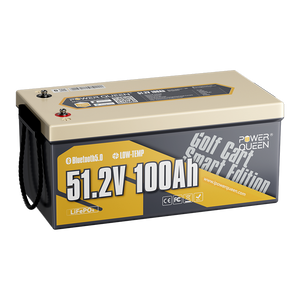
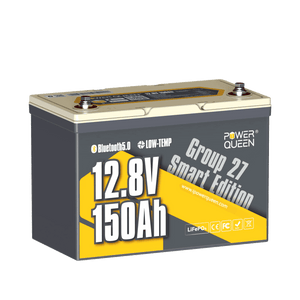
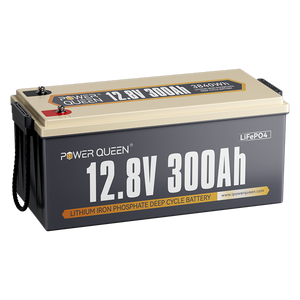
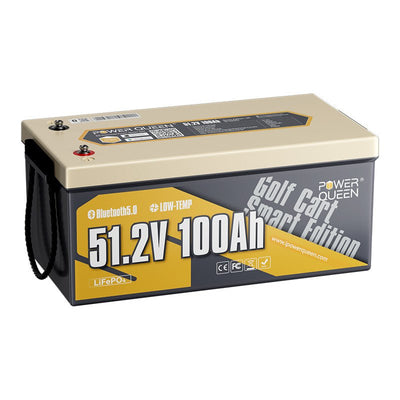
Lithium golf cart batteries are usually the better choice for frequent use. They cost more upfront than many lead acid packs, but they can reduce maintenance, lower weight, improve range consistency, and last longer.
Lithium is especially useful for carts used every day. A property manager at a Texas RV park, for example, may choose lithium because the cart needs reliable range, faster charging, and less downtime between uses.
Lithium also provides steadier performance through the charge cycle. A lead acid cart may feel weaker as voltage drops, while a lithium cart often maintains stronger power until the battery is much lower.
Lithium upgrades should be planned carefully. Buyers should confirm cart voltage, controller compatibility, charger requirements, battery dimensions, peak discharge rating, and warranty support before buying.
Related Blog: Lead Acid vs Lithium Ion Battery: What's the Difference?

Golf Cart Batteries Cost Per Year Can Change the Decision
Annual cost can make lithium look more affordable than its upfront price suggests. A battery that costs more but lasts longer may have a similar yearly cost to a cheaper battery that needs replacement sooner.
| Battery Type | Example Pack Cost | Example Lifespan | Approximate Cost Per Year |
|---|---|---|---|
| Flooded lead acid | $1,200 | 4 years | $300 |
| AGM lead acid | $1,800 | 5 years | $360 |
| Lithium | $2,500 | 10 years | $250 |
This yearly comparison is only an estimate. Real cost depends on climate, charging habits, terrain, load weight, maintenance, and how often the cart is used.
Lithium often makes more sense when the cart is used often. A cart used daily in a retirement community, resort, farm, warehouse area, or campground can benefit from longer service life and less routine maintenance.
Lead acid can still be the smarter buy for light use. If the cart is used occasionally and stored properly, paying less upfront may be the practical choice.
Golf Cart Batteries Need Proper Recycling
Old golf cart batteries should be recycled through a proper collection or dealer return program. Lead acid batteries contain lead and acid, and improper disposal can harm people and the environment.
The U.S. Environmental Protection Agency explains in its lead acid battery collection case study that landfill bans, recycling incentives, and the high recyclability of lead all support proper lead acid battery collection in the United States.
Most battery dealers, golf cart shops, and auto parts stores can help with recycling. In many cases, returning old batteries may also reduce or remove a core charge.
Lithium batteries also need responsible handling. They should not be placed in regular trash, and owners should follow the battery seller’s recycling or return instructions.
When Should Golf Cart Batteries Be Replaced?
Golf cart batteries should be replaced when range drops, charging takes longer, power feels weak, or the cart struggles under normal use. These symptoms usually appear before the batteries fail completely.
A short range problem is one of the clearest signs. If a cart that once completed a full neighborhood route now slows down halfway through, the battery pack may be near the end of its life.
Slow hill climbing can also signal weak batteries. For example, a 48V cart in a hilly California community may still move on flat roads but lose speed quickly on inclines when the pack is aging.
Visible damage is a serious warning sign. Swelling, leaking, heavy corrosion, melted cable ends, or strong odors should be checked by a professional before the cart is used again.
Related Blog: Complete Guide: How to Convert a Golf Cart to Lithium Battery.
How to Choose the Right Golf Cart Batteries
The right battery choice depends on budget, driving distance, cart voltage, and maintenance preference. A low price is attractive, but the best battery is the one that fits how the cart is actually used.
Choose flooded lead acid if upfront cost matters most. This option works well for short trips and owners who are comfortable with routine battery care.
Choose AGM if you want a cleaner lead acid option. AGM batteries are sealed, lower maintenance, and useful when watering flooded batteries is inconvenient.
Choose lithium if you want longer range, lighter weight, and less maintenance. Lithium is usually the strongest option for daily drivers, commercial carts, lifted carts, and owners who plan to keep the cart for many years.
How to Lower Golf Cart Batteries Cost
The best way to lower battery cost is to buy the right capacity the first time. Buying too little capacity can lead to poor range and early dissatisfaction, while buying far more than needed can waste money.
Proper charging can also lower long term cost. Batteries last longer when they are charged correctly, stored properly, and not deeply discharged too often.
Routine inspection can prevent expensive repairs. Clean terminals, tight cables, and correct water levels help lead acid batteries perform better and last longer.
Shopping locally can sometimes reduce total cost. A local golf cart dealer may include installation, recycling, and warranty support that makes the final value better than a cheaper online price.
FAQ About How Much Golf Cart Batteries Cost
How much are golf cart batteries for a full set?
A full set of golf cart batteries usually costs about $800 to $1,800 for lead acid and about $1,000 to $3,000+ for lithium. The final price depends on voltage, capacity, brand, charger needs, and labor.
How much are golf cart batteries for a 48V cart?
A 48V golf cart battery replacement usually costs about $1,000 to $1,800 for lead acid and about $1,000 to $3,000+ for lithium. Premium lithium kits with higher capacity or included chargers may cost more.
Are lithium golf cart batteries worth it?
Lithium golf cart batteries are worth it for many frequent users. They cost more upfront than basic lead acid batteries, but they are lighter, lower maintenance, and often better for long term use.
Is it okay to replace only one golf cart battery?
Replacing only one golf cart battery is usually a short term fix. A new battery mixed with older batteries can create uneven charging and weak pack performance.
How long do golf cart batteries last?
Golf cart batteries usually last 3 to 5 years for flooded lead acid, 4 to 6 years for AGM, and 8 to 10 years or more for lithium. Actual lifespan depends on use, maintenance, charging, storage, and climate.
Do lithium golf cart batteries need a special charger?
Lithium golf cart batteries often need a lithium compatible charger. Buyers should check the battery manufacturer’s charging requirements before installing a lithium pack.
What is the cheapest golf cart battery option?
Flooded lead acid is usually the cheapest golf cart battery option. It has the lowest upfront cost, but it requires more maintenance than AGM or lithium.
Final Answer on How Much Golf Cart Batteries Are
Most golf cart batteries cost about $800 to $1,800 for a lead acid replacement and about $1,000 to $3,000+ for a lithium upgrade. Lead acid is better for low upfront cost, while lithium is better for long term performance, lower maintenance, and frequent use.
The smartest choice is based on total ownership cost. Before buying, compare battery type, cart voltage, amp hour capacity, charger needs, installation, warranty, and recycling options.
The right golf cart battery should match your real driving habits. A weekend golf course cart, a Florida neighborhood cart, and a Texas campground work cart do not need the same battery system, so the best price is the one that fits the job.