

















Convert Watts to BTU: Formula, Examples & Calculator
Converting watts to BTU is useful when comparing electrical power with heat output or cooling demand. Watts measure power, while BTU is commonly used in heating and air conditioning. In most power conversion cases, watts convert to BTU per hour, also written as BTU/hr.
Basic watts to BTU formula
BTU/hr = Watts × 3.412142
Use this formula to convert electrical power in watts to heat output in BTU per hour.
This guide explains how to convert watts to BTU, shows practical examples, includes a conversion table, and provides a simple watts to BTU calculator for heaters, appliances, electronics, RV systems, and home energy planning.
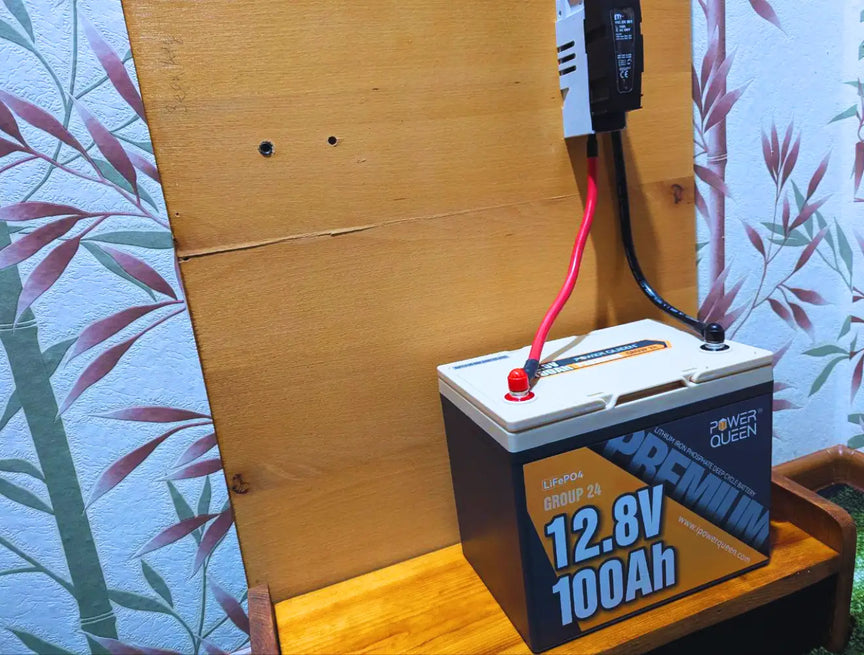
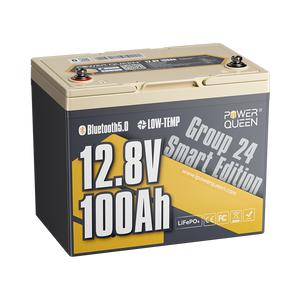
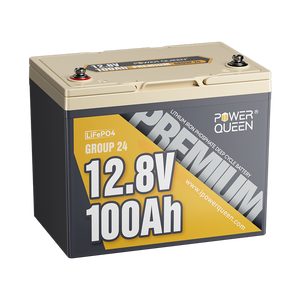
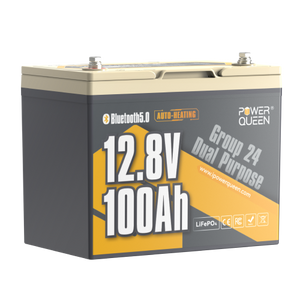
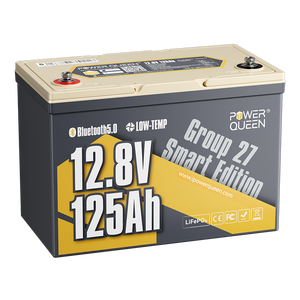
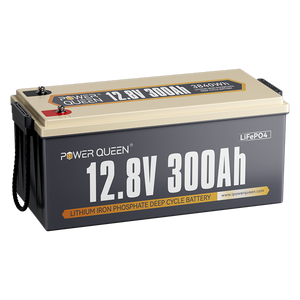
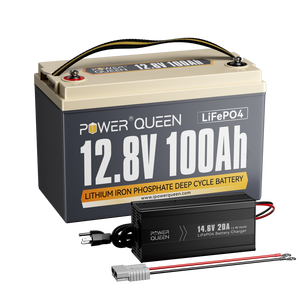
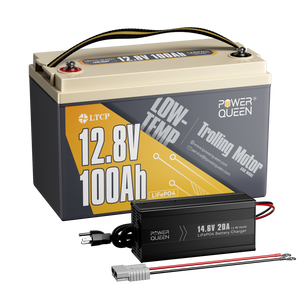
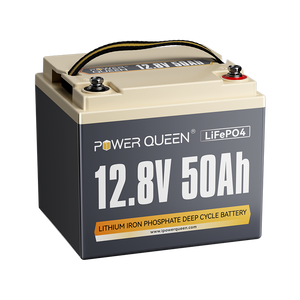
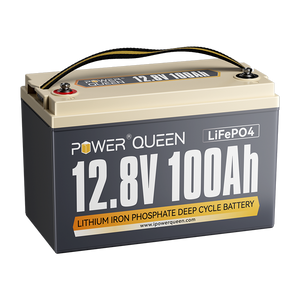
For users planning RV, marine, solar, or backup power systems, Power Queen LiFePO4 Lithium batteries can help store the energy needed to run selected appliances through an inverter. When comparing watts, BTU/hr, and runtime, knowing the appliance wattage is important because it affects both heat output and battery consumption. A properly sized Power Queen battery bank can support devices such as refrigerators, fans, lights, pumps, and small appliances, while helping reduce dependence on grid power in off grid or backup scenarios.
👉Jump to Watts to BTU Calculator.
Convert Watts to BTU Conversion Table
Use this quick table to estimate BTU/hr from common wattage values. These numbers are rounded for easy reading.
| Watts | BTU/hr |
|---|---|
| 100W | 341 BTU/hr |
| 300W | 1,024 BTU/hr |
| 500W | 1,706 BTU/hr |
| 750W | 2,559 BTU/hr |
| 1,000W | 3,412 BTU/hr |
| 1,500W | 5,118 BTU/hr |
| 2,000W | 6,824 BTU/hr |
| 3,000W | 10,236 BTU/hr |
The table shows that a 1,500W electric heater produces about 5,118 BTU/hr of heat. This is helpful when comparing heaters, air conditioners, generators, and portable power stations.
What Are Watts and BTU?
Before using a watts to BTU calculator, it helps to understand what each unit means. Watts and BTU are related, but they are used in different ways.
What Is a Watt?
A watt measures power. It tells you how much energy a device uses or produces at a specific moment. Appliances, heaters, power stations, solar panels, and generators are commonly rated in watts.
For example, a 100W light uses much less power than a 1,500W space heater. The higher the wattage, the more power the device uses while running.
What Is a BTU?
BTU stands for British Thermal Unit. It is a unit of heat energy. In HVAC and heating applications, BTU/hr is often used to describe heating or cooling capacity per hour.
For example, a small window air conditioner may be rated at 5,000 BTU/hr, while a larger unit may be rated at 12,000 BTU/hr or higher.
Why Watts Usually Convert to BTU/hr
Watts measure power, which is energy used over time. Because of that, watts are usually converted to BTU per hour, not just BTU. This matters when comparing electrical wattage with heat output, cooling load, or HVAC capacity.
Convert Watts to BTU Formula
The standard formula is simple. Multiply watts by 3.412142 to get BTU per hour.
Watts to BTU/hr formula
BTU/hr = W × 3.412142
This is the most common formula for converting wattage to BTU per hour.
Watts to BTU Formula Example
Example:
1,000W × 3.412142 = 3,412 BTU/hr
A 1,000 watt device produces or uses about 3,412 BTU per hour of energy.
BTU to Watts Formula
If you need to convert in the opposite direction, divide BTU/hr by 3.412142.
BTU/hr to watts formula
Watts = BTU/hr ÷ 3.412142
Use this formula when you know BTU/hr and need the equivalent wattage.
Practical Convert Watts to BTU Examples
Examples make wattage to BTU conversion easier to understand. The formula stays the same for every watt value.
500 Watts to BTU
Calculation: 500W × 3.412142 = 1,706 BTU/hr
A 500 watt device equals about 1,706 BTU/hr.
1,000 Watts to BTU
Calculation: 1,000W × 3.412142 = 3,412 BTU/hr
A 1,000 watt device equals about 3,412 BTU/hr.
1,500 Watts to BTU
Calculation: 1,500W × 3.412142 = 5,118 BTU/hr
A 1,500 watt space heater produces about 5,118 BTU/hr of heat.
3,000 Watts to BTU
Calculation: 3,000W × 3.412142 = 10,236 BTU/hr
A 3,000 watt load equals about 10,236 BTU/hr.
How to Convert Watts to BTU
To convert watts to BTU/hr, you only need the wattage value. Then multiply it by 3.412142.
Step 1: Find the Watts
Look for the watt rating on the appliance label, heater label, product manual, power station display, generator rating, or product specification sheet. It may be shown as W or watts.
Step 2: Use the Conversion Factor
Conversion factor
1W = 3.412142 BTU/hr
Every watt equals about 3.412 BTU per hour.
Step 3: Multiply Watts by 3.412142
Example:
750W × 3.412142 = 2,559 BTU/hr
This means a 750 watt device equals about 2,559 BTU/hr.
Convert Watts to BTU Calculator
Use this watts to BTU calculator to quickly convert electrical power into BTU per hour. Enter the watt value and click the button to get the result.
Result: Please enter watts.
How to Use the Watts to BTU Calculator
Enter the wattage of your device, heater, appliance, or power system. The calculator multiplies watts by 3.412142 and shows the result in BTU/hr.
When to Use a Watts to BTU Calculator
Use a watts to BTU calculator when comparing electric heaters, estimating heat output, sizing cooling needs for electronics, checking appliance energy demand, or comparing wattage with HVAC ratings.
Convert Watts to BTU for Common Devices
Many everyday devices turn electrical power into heat. This includes heaters, lights, computers, inverters, and electronics. The table below gives common examples.
| Device or Load | Typical Watts | Estimated BTU/hr |
|---|---|---|
| LED light | 10W | 34 BTU/hr |
| Laptop charger | 65W | 222 BTU/hr |
| Desktop computer | 300W | 1,024 BTU/hr |
| Small heater | 750W | 2,559 BTU/hr |
| Space heater | 1,500W | 5,118 BTU/hr |
| Large electric load | 3,000W | 10,236 BTU/hr |
Actual appliance performance can vary by design. For heating and cooling equipment, always check the manufacturer’s rated wattage, running wattage, and BTU rating.
Watts, BTU/hr and Battery Runtime
A common mistake is mixing up watts, BTU/hr, watt hours, and BTU. Watts and BTU/hr describe power over time. Watt hours and BTU describe total energy.
Watts vs Watt Hours
Watts show how much power a device uses at a moment. Watt hours show how much energy is used over time. A 500W device running for 2 hours uses 1,000Wh.
Energy use formula
Watt Hours = Watts × Hours
Use this formula to estimate total energy use over time.
Watt Hours to BTU
If you want total BTU instead of BTU/hr, convert watt hours to BTU.
Watt hours to BTU formula
BTU = Watt Hours × 3.412142
This estimates total heat energy over a period of time.
Example:
500W × 2 hours = 1,000Wh
1,000Wh × 3.412142 = 3,412 BTU
A 500W device running for 2 hours uses about 3,412 BTU of total energy.
Convert Watts to BTU FAQs
How do you convert watts to BTU?
Multiply watts by 3.412142. For example, 1,000W × 3.412142 = 3,412 BTU/hr.
How many BTU is 1 watt?
One watt equals about 3.412142 BTU per hour.
How many BTU is 1,500 watts?
1,500 watts equals about 5,118 BTU/hr. This is a common estimate for a standard electric space heater.
How many watts is 5,000 BTU?
Use Watts = BTU/hr ÷ 3.412142. A 5,000 BTU/hr rating equals about 1,465 watts.
Is BTU the same as BTU/hr?
No. BTU measures total heat energy. BTU/hr measures heat energy per hour. Watts usually convert to BTU/hr because watts are also a power measurement.
Can I use watts to BTU conversion for air conditioners?
Yes, but use it carefully. Air conditioner BTU ratings describe cooling capacity, while watts describe electrical input. Efficiency, compressor design, and operating conditions affect the relationship between the two.
Conclusion
To convert watts to BTU, multiply watts by 3.412142. The result is usually expressed as BTU/hr because watts measure power over time. For example, 1,500 watts equals about 5,118 BTU/hr.
Use the conversion table, examples, and calculator above for quick estimates. When comparing heaters, air conditioners, batteries, generators, or portable power stations, check both wattage and BTU/hr so you understand power use, heat output, and real operating conditions more clearly.