





Battery Runtime Calculator | Power Queen
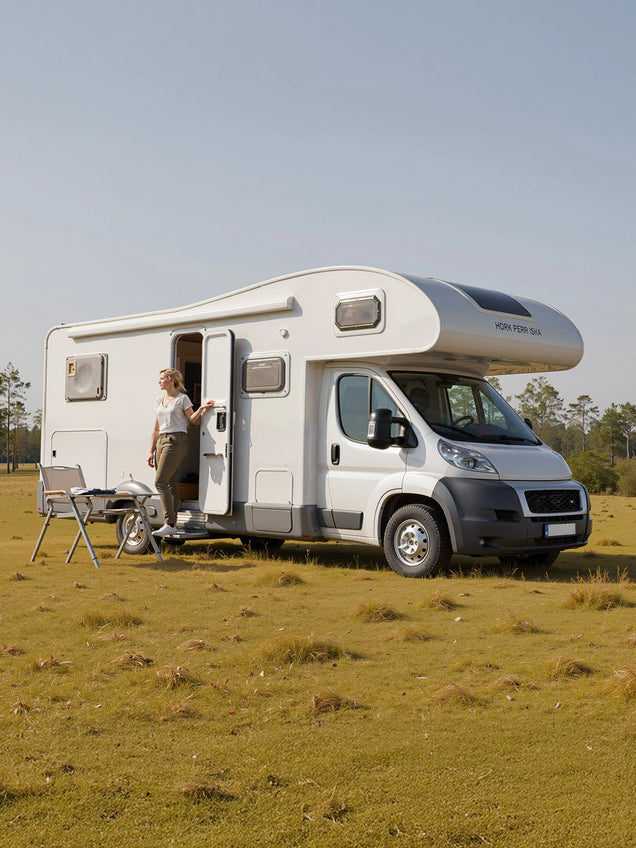
Want to know how long your battery will run a refrigerator, TV, CPAP machine, microwave, trolling motor, or RV appliances?
This Battery Runtime Calculator helps you estimate runtime based on battery capacity, system voltage, appliance wattage, and depth of discharge.
- Battery capacity (Ah)
- System voltage (12V / 24V / 36V / 48V)
- Appliance wattage
- Depth of discharge (DoD)
Whether you're building an RV power system, upgrading a solar setup, or planning off-grid backup power, understanding battery runtime is essential.
Online Battery Runtime Calculator
Battery Runtime Calculator
Battery Runtime Formula
Battery runtime is calculated using the following formula:
Where:
- Ah = Battery capacity
- V = Battery voltage
- DoD = Depth of discharge
- Load Power = Appliance wattage
Why Voltage Matters
Many people assume a 100Ah battery always provides the same runtime. That is incorrect.
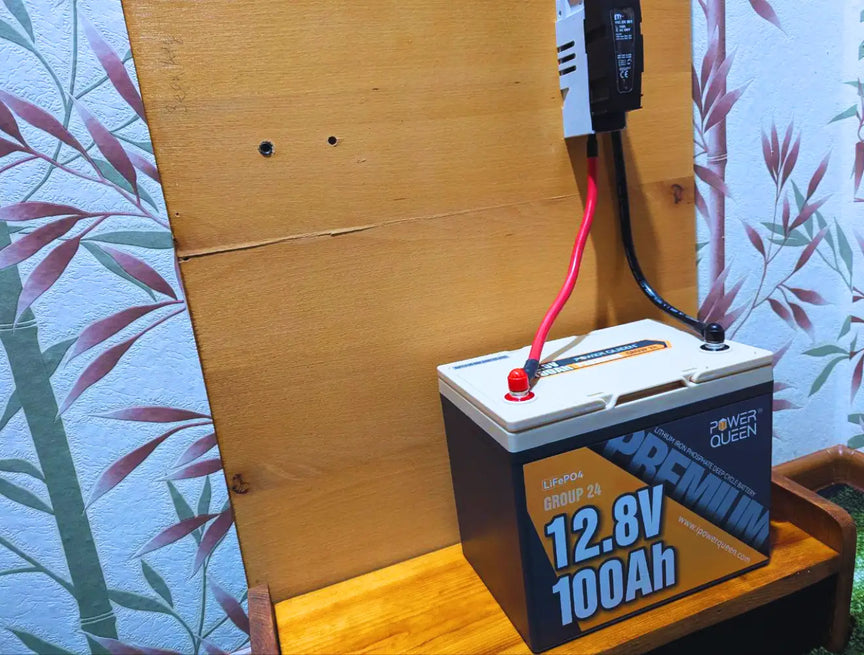
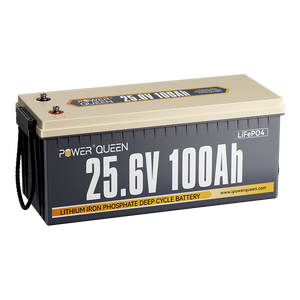
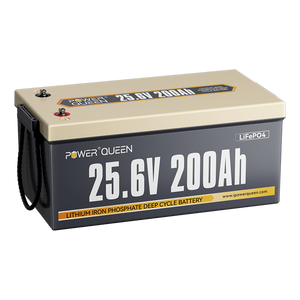
A 24V 100Ah battery stores twice as much energy as a 12V 100Ah battery.
Battery energy is measured in watt-hours (Wh):
| Battery | Total Energy |
|---|---|
| 12V 100Ah | 1200Wh |
| 24V 100Ah | 2400Wh |
| 48V 100Ah | 4800Wh |
That is why system voltage has a major impact on runtime.
How Long Does a 12V Battery Last?
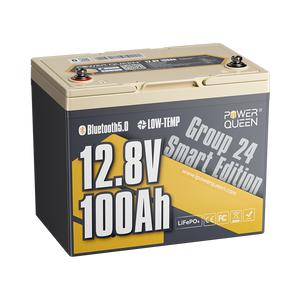
12V batteries are commonly used in RVs, camper vans, boats, portable power systems, and small solar setups.
| Battery Size | 60W Fridge | 100W TV | 300W Appliance |
|---|---|---|---|
| 12V 50Ah | 9 Hours | 5.4 Hours | 1.8 Hours |
| 12V 100Ah | 18 Hours | 10.8 Hours | 3.6 Hours |
| 12V 200Ah | 36 Hours | 21.6 Hours | 7.2 Hours |
| 12V 300Ah | 54 Hours | 32.4 Hours | 10.8 Hours |
How Long Will a 24V Battery Last?
24V systems are more efficient for larger loads and off-grid systems.
| Battery Size | 60W Fridge | 100W TV | 300W Appliance |
|---|---|---|---|
| 24V 50Ah | 18 Hours | 10.8 Hours | 3.6 Hours |
| 24V 100Ah | 36 Hours | 21.6 Hours | 7.2 Hours |
| 24V 200Ah | 72 Hours | 43.2 Hours | 14.4 Hours |
| 24V 300Ah | 108 Hours | 64.8 Hours | 21.6 Hours |
How Long Will a 36V Battery Last?
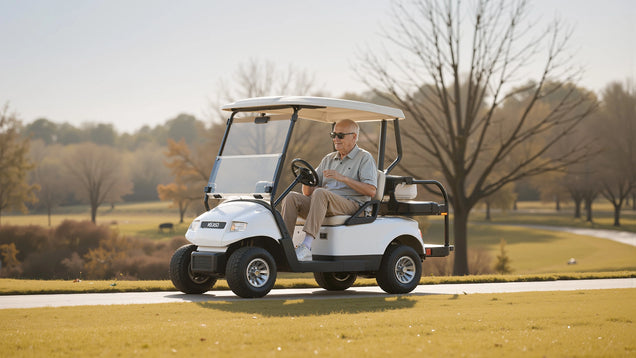
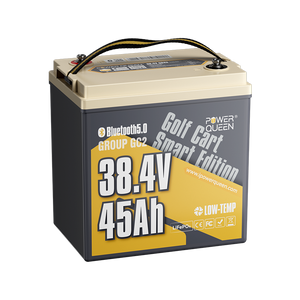
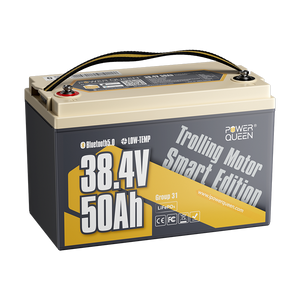
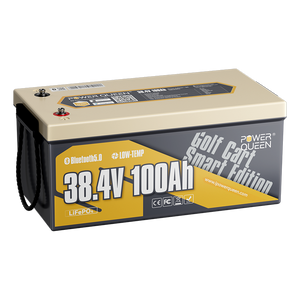
36V battery systems are popular in golf carts, trolling motors, and other motor-driven applications.
| Battery Size | 500W Motor | 1000W Load | 1500W Load |
|---|---|---|---|
| 36V 50Ah | 3.2 Hours | 1.6 Hours | 1.1 Hours |
| 36V 100Ah | 6.5 Hours | 3.2 Hours | 2.1 Hours |
| 36V 200Ah | 13 Hours | 6.5 Hours | 4.3 Hours |
How Long Will a 48V Battery Last?
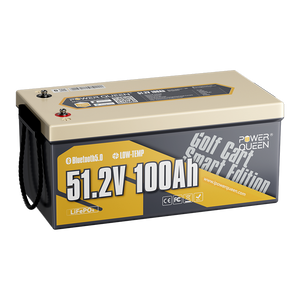
48V systems are ideal for home energy storage, solar battery banks, high-power inverters, and whole-home backup systems.
| Battery Size | 1000W Load | 2000W Load | 3000W Load |
|---|---|---|---|
| 48V 50Ah | 2.1 Hours | 1.1 Hours | 0.7 Hours |
| 48V 100Ah | 4.3 Hours | 2.1 Hours | 1.4 Hours |
| 48V 200Ah | 8.6 Hours | 4.3 Hours | 2.9 Hours |
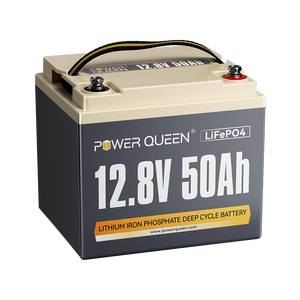
How Long Does a 50Ah Battery Last?
A 50Ah battery is best for light-duty power needs such as LED lights, routers, fish finders, small fans, and short camping trips. Runtime still depends on voltage and appliance wattage.
| System | Usable Energy at 90% DoD | 50W Load | 100W Load | 300W Load | 500W Load |
|---|---|---|---|---|---|
| 12V 50Ah | 540Wh | 10.8h | 5.4h | 1.8h | 1.1h |
| 24V 50Ah | 1080Wh | 21.6h | 10.8h | 3.6h | 2.2h |
| 36V 50Ah | 1620Wh | 32.4h | 16.2h | 5.4h | 3.2h |
| 48V 50Ah | 2160Wh | 43.2h | 21.6h | 7.2h | 4.3h |
How Long Does a 100Ah Battery Last?
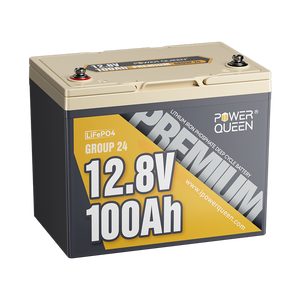
A 100Ah battery is one of the most popular battery sizes for RV and solar users. Runtime depends on voltage and appliance wattage.
| System | Usable Energy | 60W Fridge | 100W TV | 1000W Load |
|---|---|---|---|---|
| 12V 100Ah | 1080Wh | 18h | 10.8h | 1.1h |
| 24V 100Ah | 2160Wh | 36h | 21.6h | 2.2h |
| 48V 100Ah | 4320Wh | 72h | 43.2h | 4.3h |
How Long Does a 125Ah Battery Last?
A 125Ah battery offers more reserve capacity than a 100Ah battery while still keeping the system relatively compact.
| System | Usable Energy at 90% DoD | 60W Fridge | 100W TV | 300W Load | 1000W Load |
|---|---|---|---|---|---|
| 12V 125Ah | 1350Wh | 22.5h | 13.5h | 4.5h | 1.4h |
| 24V 125Ah | 2700Wh | 45h | 27h | 9h | 2.7h |
| 36V 125Ah | 4050Wh | 67.5h | 40.5h | 13.5h | 4.1h |
| 48V 125Ah | 5400Wh | 90h | 54h | 18h | 5.4h |
How Long Does a 150Ah Battery Last?
A 150Ah battery is a practical middle ground between 100Ah and 200Ah. It provides longer runtime for refrigerators, TVs, fans, CPAP machines, and small inverter loads.
| System | Usable Energy at 90% DoD | 60W Fridge | 100W TV | 500W Load | 1500W Load |
|---|---|---|---|---|---|
| 12V 150Ah | 1620Wh | 27h | 16.2h | 3.2h | 1.1h |
| 24V 150Ah | 3240Wh | 54h | 32.4h | 6.5h | 2.2h |
| 36V 150Ah | 4860Wh | 81h | 48.6h | 9.7h | 3.2h |
| 48V 150Ah | 6480Wh | 108h | 64.8h | 13h | 4.3h |
How Long Does a 200Ah Battery Last?
A 200Ah lithium battery is ideal for users who need longer runtime and larger energy reserves.
| System | Usable Energy | 60W Fridge | 500W Load | 2000W Load |
|---|---|---|---|---|
| 12V 200Ah | 2160Wh | 36h | 4.3h | 1.1h |
| 24V 200Ah | 4320Wh | 72h | 8.6h | 2.2h |
| 48V 200Ah | 8640Wh | 144h | 17.3h | 4.3h |
How Long Does a 300Ah Battery Last?
A 300Ah battery is designed for extended runtime and larger energy storage systems. It is commonly used in full-size RVs, off-grid cabins, solar battery banks, and emergency backup systems.
| System | Usable Energy at 90% DoD | 60W Fridge | 100W TV | 500W Load | 1000W Load | 2000W Load |
|---|---|---|---|---|---|---|
| 12V 300Ah | 3240Wh | 54h | 32.4h | 6.5h | 3.2h | 1.6h |
| 24V 300Ah | 6480Wh | 108h | 64.8h | 13h | 6.5h | 3.2h |
| 36V 300Ah | 9720Wh | 162h | 97.2h | 19.4h | 9.7h | 4.9h |
| 48V 300Ah | 12960Wh | 216h | 129.6h | 25.9h | 13h | 6.5h |
Common Appliance Runtime Reference Table
The table below shows estimated runtime for a 12V 100Ah LiFePO4 battery at 90% depth of discharge.
| Appliance | Average Power Draw | Estimated Runtime |
|---|---|---|
| LED Light | 10W | 108h |
| WiFi Router | 15W | 72h |
| CPAP Machine | 40W | 27h |
| Portable Refrigerator | 60W | 18h |
| TV | 100W | 10.8h |
| Fan | 150W | 7.2h |
| Coffee Maker | 800W | 1.35h |
| Microwave | 1200W | 0.9h |
| Air Conditioner | 1500W | 0.72h |
Actual runtime may vary depending on inverter efficiency, startup surge, ambient temperature, battery age, and wiring loss.

Factors That Affect Battery Runtime
1. Appliance Wattage
Higher wattage devices consume more energy and reduce runtime.
- LED Light: 10W
- TV: 100W
- Refrigerator: 60W
- Microwave: 1200W
- Air Conditioner: 1500W+
2. Depth of Discharge (DoD)
LiFePO4 batteries typically support deeper discharge than lead-acid batteries.
| Battery Type | Recommended DoD |
|---|---|
| Lead-Acid | 50% |
| LiFePO4 | 80% - 100% |
3. Inverter Efficiency
If you are running AC appliances through an inverter, some energy is lost during conversion. Most pure sine wave inverters operate at about 90% to 95% efficiency.
4. Temperature
Cold weather reduces battery performance and available capacity. At freezing temperatures, runtime may decrease noticeably.
LiFePO4 vs Lead-Acid Runtime Comparison
LiFePO4 batteries provide more usable energy than lead-acid batteries.
| Battery Type | Rated Capacity | Usable Capacity |
|---|---|---|
| 12V 100Ah Lead-Acid | 1200Wh | ~600Wh |
| 12V 100Ah LiFePO4 | 1200Wh | ~1080Wh |
That means a LiFePO4 battery can often power the same appliance nearly twice as long.
Related Blog: Deep Cycle Redefined: Why Lithium is the Modern Alternative to Lead Acid.
Frequently Asked Questions
How do I calculate battery runtime?
Use this formula: Runtime = Battery Capacity (Ah) × Battery Voltage (V) × Depth of Discharge ÷ Load Power (W).
For example, a 12V 100Ah LiFePO4 battery powering a 60W refrigerator at 90% DoD would run for about 18 hours.
How long will a 12V 100Ah battery last?
A 12V 100Ah battery stores about 1200Wh of energy. At 90% usable capacity, it provides about 1080Wh. That means it can run a 100W appliance for about 10.8 hours or a 60W refrigerator for about 18 hours.
Is a 24V 100Ah battery better than a 12V 100Ah battery?
It depends on your system. A 24V 100Ah battery stores twice as much energy as a 12V 100Ah battery because watt-hours are calculated by multiplying amp-hours by voltage. For larger solar systems and inverter loads, 24V systems are often more efficient.
Why does voltage matter when calculating battery runtime?
Amp-hours only measure current capacity. To know how much energy a battery stores, you need watt-hours. A higher-voltage battery with the same Ah rating stores more total energy.
How long will a battery run a refrigerator?
It depends on the refrigerator’s wattage and duty cycle. For example, a 12V 100Ah LiFePO4 battery can run a 60W portable refrigerator for about 18 hours at 90% DoD. If the fridge cycles on and off, real-world runtime may be longer.
How long will a battery run a TV?
A 12V 100Ah LiFePO4 battery can run a 100W TV for about 10.8 hours at 90% DoD. A 12V 200Ah battery can run the same TV for about 21.6 hours.
How long will a battery run a CPAP machine?
If a CPAP machine uses around 40W, a 12V 100Ah LiFePO4 battery can run it for about 27 hours at 90% DoD. Heated humidifiers can increase power consumption and reduce runtime.
Why is my actual battery runtime shorter than the calculator result?
Real-world runtime can be shorter because of inverter loss, cold temperatures, battery aging, cable resistance, high startup surge, and appliances that draw more power than their rated wattage.
Do I need to include inverter efficiency?
Yes, if you are powering AC appliances through an inverter. A good pure sine wave inverter is usually about 90% to 95% efficient. To estimate more realistic runtime, multiply the result by the inverter efficiency.
Is LiFePO4 better than lead-acid for runtime?
Yes. A LiFePO4 battery usually provides more usable capacity than a lead-acid battery of the same rated Ah. Lead-acid batteries are commonly limited to about 50% depth of discharge, while LiFePO4 batteries can often use 80% to 100% of their rated capacity.
Conclusion
Battery runtime depends on more than amp-hours. To get an accurate estimate, always consider battery voltage, appliance wattage, depth of discharge, and inverter efficiency.
For the most accurate estimate, use the calculator above and compare your result with the runtime tables in this guide. This will help you choose the right battery size for RVs, boats, solar systems, camping, and backup power applications.