







Deep Cycle Battery vs Starting Battery: Which One Is Right for You?
Selecting the correct power source depends on whether you need a quick burst of energy to ignite an engine or a steady flow of power over several hours.
While a starting battery is engineered for high-intensity, short-duration tasks, a deep cycle battery is built for endurance and repeated discharge.
Understanding these mechanical differences ensures your equipment remains reliable and prevents premature battery failure.
What Is a Deep Cycle Battery?
A deep cycle battery acts as a long-distance runner for your electrical system, providing consistent voltage over an extended period. These units are designed to be discharged down to 50% or even 80% of their capacity without suffering structural damage.
Built for Deep Discharge (DOD) & Cycle Life
Thick lead plates are the defining internal feature of these batteries, allowing them to survive the chemical strain of deep discharging. In standard lead-acid versions, these plates resist the "shedding" that occurs during heavy use, while a deep cycle lithium battery uses stable chemistry to provide thousands of cycles. According to research on energy storage systems, deep-discharge resilience is critical for any application where the battery is the primary power source for hours at a time.
Deep Cycle Battery Applications
- Marine House Power: Providing steady energy for navigation systems and cabin refrigerators during long trips.
- Renewable Energy: Storing power from residential solar panels to be used at night or during grid outages.
-
Industrial Equipment: Powering electric forklifts in warehouses that require 8 to 12 hours of continuous operation.

What Is a Starting Battery?
Starting batteries are designed to deliver a massive surge of electricity in a matter of seconds to overcome the mechanical resistance of a cold engine. Once the engine is running, the vehicle’s alternator takes over the electrical work, keeping the battery nearly full at all times.
Built for High Burst Current (CCA) & Short Cranks
The internal architecture of a starter battery utilizes many thin, porous plates to maximize surface area for chemical reactions. This design allows the battery to produce a high Cold Cranking Amps (CCA) rating, which is essential for starting vehicles in harsh U.S. winters. However, these thin plates are fragile; if they are drained too deeply, they can warp or shed their active material, leading to a dead cell.
Starter Battery Applications
- Passenger Vehicles: The standard 12V battery found in cars, trucks, and SUVs across America.
- Emergency Generators: Ensuring a standby generator for a hospital or home kicks on instantly during a storm.
- Commercial Trucking: Providing the massive torque needed to turn over large diesel engines in freight liners.
What About Dual Purpose Batteries?
Dual purpose batteries serve as a hybrid solution for applications that require both engine starting and moderate accessory power. They are a common choice for recreational users who want to simplify their setup without installing multiple battery banks.
The Trade-off: Compromise Between CCA and Cycling
Designers of dual purpose batteries use plate thickness that sits exactly between the thin plates of a starter and the thick plates of a deep cycle. While they offer more cranking power than a deep cycle and better longevity than a starter, they are not the "best" at either task. A dual purpose battery might struggle to start a heavy-duty diesel engine in sub-zero temperatures and will wear out faster than a dedicated deep cycle unit if used heavily for camping.
Dual Purpose Batteries Applications
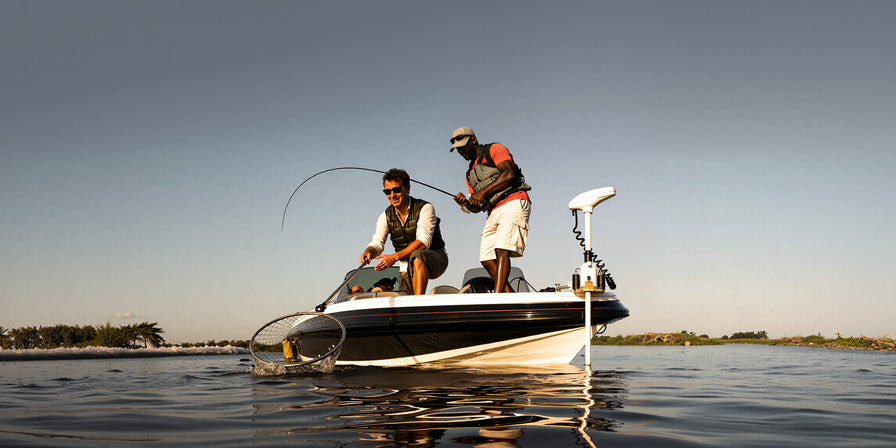
- Bass Boats: A single battery that can start the outboard engine and run a fish finder throughout the afternoon.
- Pop-up Campers: Providing enough power for a few LED lights and water pumps without a complex dual-battery system.
- Seasonal Vehicles: Classic cars or summer cruisers that may need a bit more "shelf life" resilience during storage.
Deep Cycle vs Starting Battery
The fundamental difference between a deep cycle and a starting battery can be summarized by their primary design goal: power delivery versus energy storage. This difference is reflected in every aspect of their design, from the thickness of the internal plates to the key performance metrics used to rate them. The starting battery is optimized for low internal resistance to allow maximum current flow, while the deep cycle battery is optimized for plate durability to withstand repeated chemical stress.
Here’s the simplest way to compare them: a starting battery is a sprinter, and a deep cycle battery is a marathon runner.
A starting battery is designed for maximum instant current, while a deep cycle battery is designed for repeatable energy delivery over time. Using the wrong type can mean poor performance, short battery lifespan, and frustrating breakdowns.
| Feature | Starting Battery | Deep Cycle Battery | Dual Purpose Battery |
|---|---|---|---|
| Primary Function | High-current engine ignition | Sustained, long-term power | Both, with compromise |
| Internal Plate Design | Many thin plates | Fewer, thick, dense plates | Medium thickness plates |
| Key Performance Metric | Cold Cranking Amps (CCA) | Amp-Hours (Ah) | Both CCA and Ah |
| Typical Depth of Discharge (DOD) | 2% to 5% | 50% to 100% (Chemistry dependent) | Up to 50% |
| Internal Resistance | Very low | Low to moderate | Moderate |
| Typical Lifespan | 3 to 5 years | 4 to 8 years (Lead-Acid) / 10+ years (Lithium) | 3 to 6 years |
| Ideal Application | Cars, trucks, generators | RV house banks, solar storage, trolling motors | Small boats, utility vehicles |
Lead-Acid, AGM, or Lithium? Why Battery Chemistry Matters
The chemical composition of your battery determines its maintenance requirements and total cost of ownership. While traditional lead-acid is affordable, modern alternatives offer significantly higher performance for demanding U.S. environments.
Pros & Cons at a Glance
The evolution of battery technology has provided consumers with more options than ever, but each comes with its own set of advantages and disadvantages that must be weighed against the specific application and budget.
- Lead-acid batteries: Flooded lead-acid batteries are the most budget-friendly but require ventilation and regular fluid checks to prevent failure.
- AGM batteries: AGM batteries are a popular upgrade because they are spill-proof and resist vibration, making them ideal for off-road Jeeps or sailboats.
- Lithium (LiFePO4): Lithium is the premium choice, offering the lowest weight and longest lifespan, which is why it is becoming the standard for modern high-end RVs.
| Chemistry | Deep Cycle Tolerance | Maintenance | Cost | Key Advantage |
|---|---|---|---|---|
| Flooded Lead-Acid (FLA) | Moderate (50% DOD) | High (requires watering) | Lowest | Low initial cost, widely available |
| Absorbed Glass Mat (AGM) | Good (50-80% DOD) | None (sealed) | Moderate | Vibration resistance, faster charging than FLA |
| Lithium Iron Phosphate (LiFePO4) | Excellent (80-100% DOD) | None (sealed, BMS controlled) | Highest | Lightest weight, longest cycle life, consistent voltage |

Best Chemistry by Use Case
If you want the lowest upfront cost and don’t mind maintenance, flooded lead acid can work well for occasional use systems.
If you want a clean, maintenance free upgrade without switching to lithium, AGM is a solid middle ground for many marine and RV owners.
If you run frequent cycles, want long runtime from the same amp hours, or want to reduce weight, a deep cycle lithium battery is often the best long term value.
💡 Read more: Lead Acid vs Lithium Ion Battery: What's the Difference?
Temperature & Charging Notes
Cold temperatures significantly reduce the available capacity of all lead-based batteries, sometimes by as much as 50% in extreme northern climates.
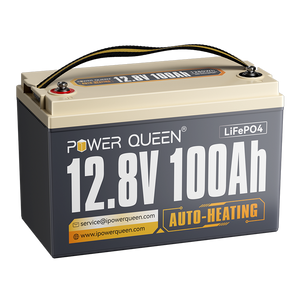
Lithium batteries maintain their voltage much better in the cold but generally require an internal heating element to be safely charged in freezing weather.
It is vital to use a charger specifically programmed for your battery type to avoid overcharging and fire hazards.
💡 Read more: AGM vs Lithium Ion Backup Batteries: Why Some Systems Lose Power at 50%
Is Lithium the Best Deep Cycle Battery?
Lithium-ion technology, specifically LiFePO4, is widely considered the superior choice for deep-discharge applications. Unlike lead-acid, lithium batteries can be discharged nearly to 0% without damage and maintain a steady 13V+ output until they are empty. This efficiency, combined with a weight reduction of nearly 70%, makes them the gold standard for modern mobile power.
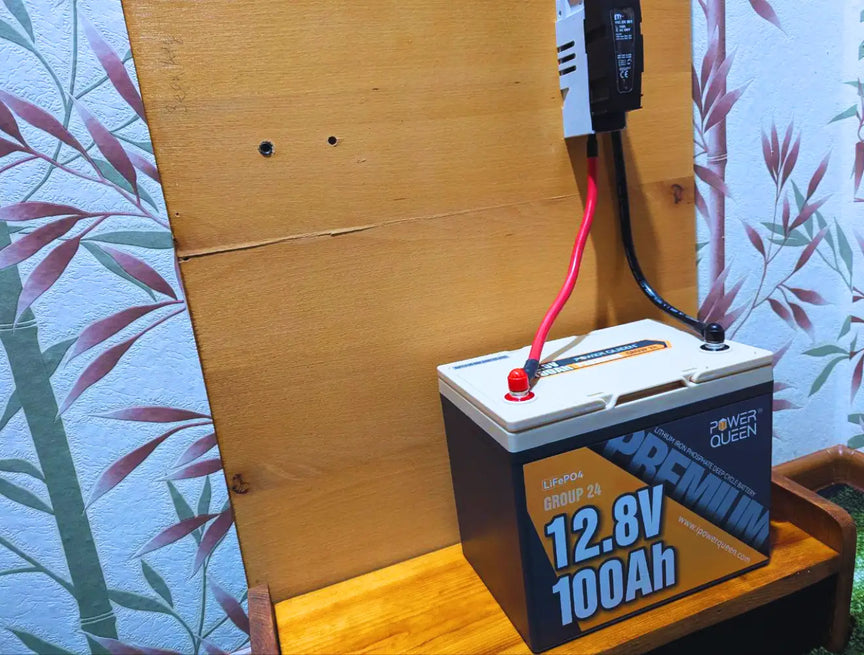
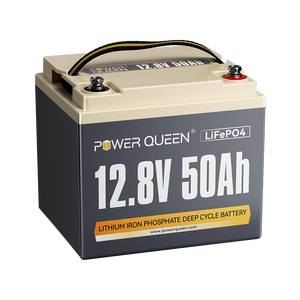
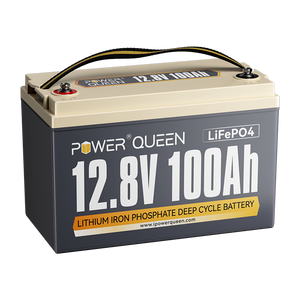
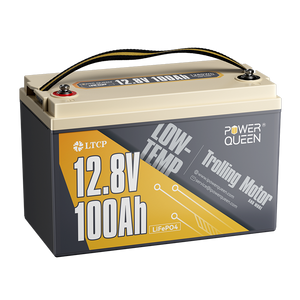
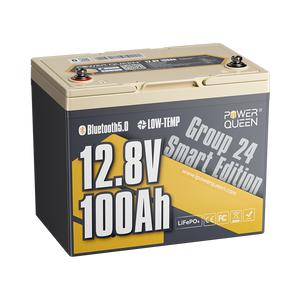
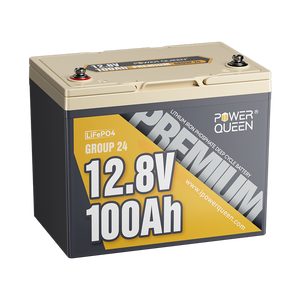
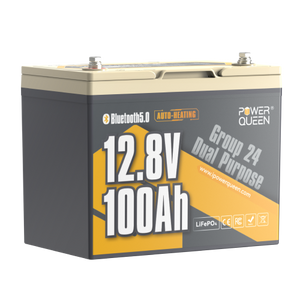
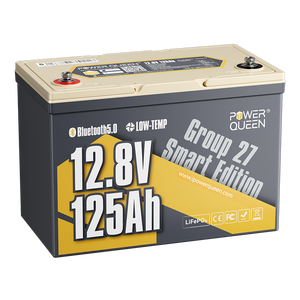
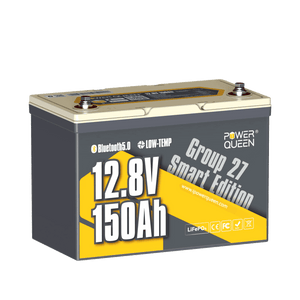
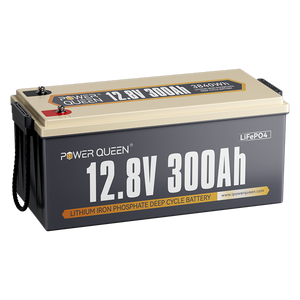
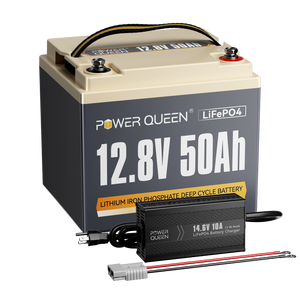
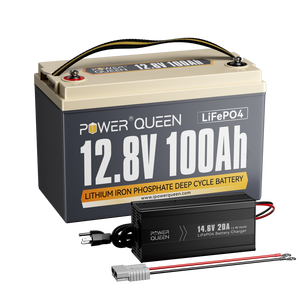
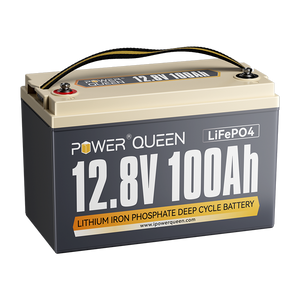
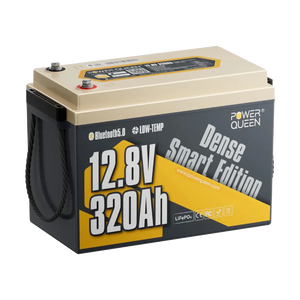
Why Power Queen is the Top Recommendation for Deep Cycle Power
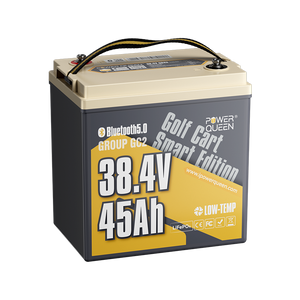
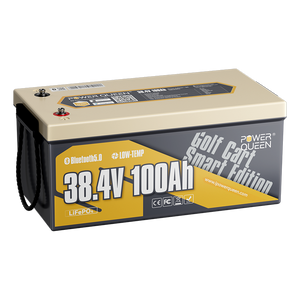
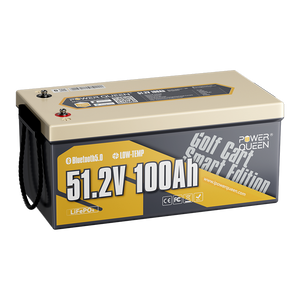
Power Queen provides the ideal balance of high-density performance and cost-effectiveness for American RV and marine enthusiasts.
While premium lithium brands often come with a prohibitive price tag, Power Queen LiFePO4 batteries deliver industrial-grade Grade-A cells and advanced Battery Management Systems (BMS) at a more accessible price point.
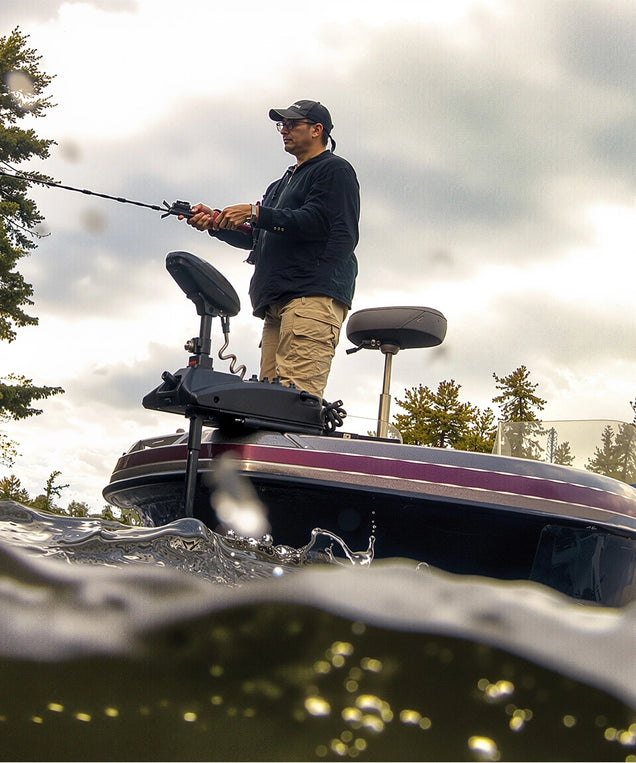
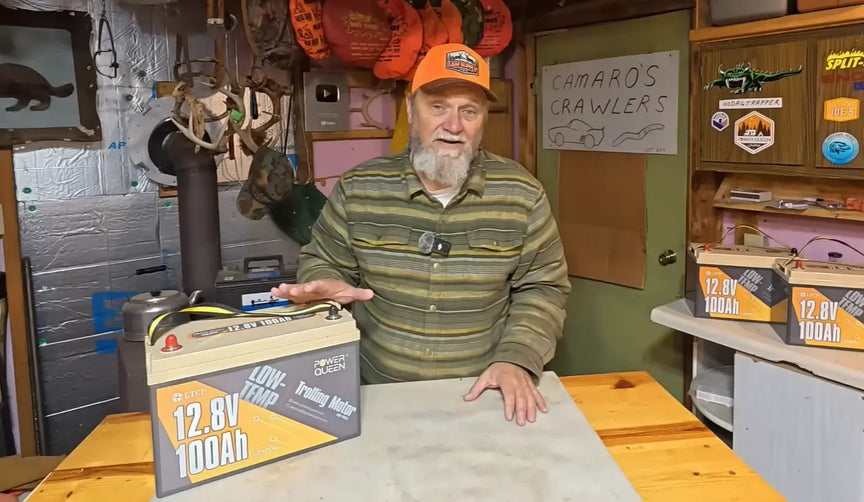
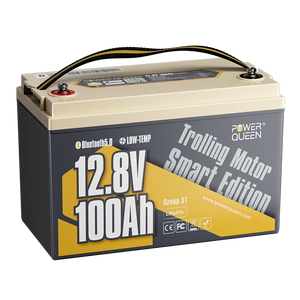
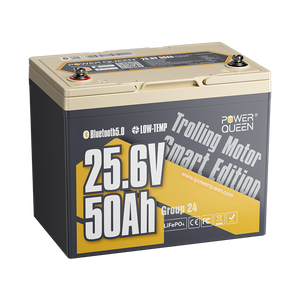
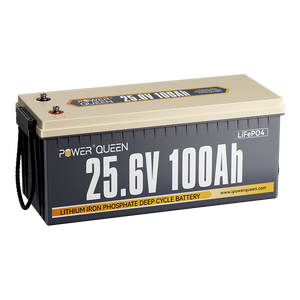
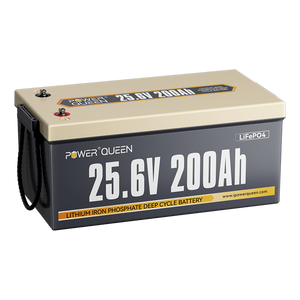
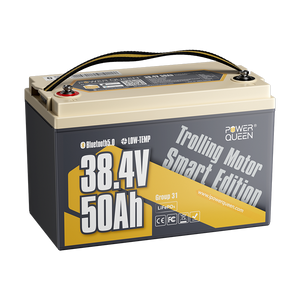
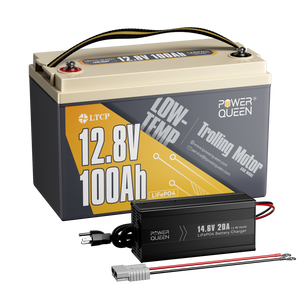
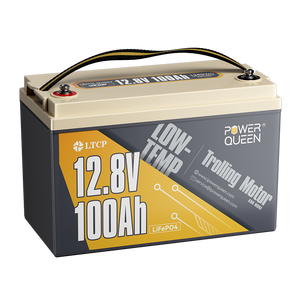
- Real-World Reliability: For a standard 24V trolling motor setup, two Power Queen 100Ah batteries provide double the runtime of lead-acid alternatives while shaving off nearly 100 lbs of dead weight from your boat.
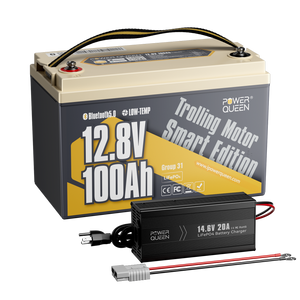
- Built-in Intelligence: Their 100A BMS protects against the most common killers of off-grid batteries: overcharging, short circuits, and thermal runaway.
- Long-Term Investment: With a rated life of over 4,000 cycles at 80% DOD, a single Power Queen battery will outlast ten lead-acid units, backed by a 5-year warranty that aligns with the needs of full-time travelers.
Shop Power Queen Lithium Deep Cycle Batteries

Choosing the Right Battery for the Job
Choosing between a starting battery and a deep cycle battery comes down to what you are powering.
If your main requirement is engine cranking, pick a starting battery with an appropriate CCA rating for your vehicle and climate. If your main requirement is powering accessories over time, pick a deep cycle battery sized for amp hour capacity and runtime.
If you need both, the best solution is usually a dedicated starting battery plus a dedicated house deep cycle bank, because it protects starting reliability and extends your accessory battery lifespan.
| Your Use Case | Best Choice |
|---|---|
| Car or truck daily driving | Starting battery |
| Boat engine only | Starting battery |
| RV house loads and inverter | Deep cycle battery |
| Trolling motor | Deep cycle battery |
| Solar storage | Deep cycle battery |
| One battery boat setup | Dual purpose battery |
| Frequent off grid cycling | Deep cycle lithium battery |

FAQs
Can I use a deep cycle battery to start my car in the winter?
A deep cycle battery can technically start a car, but it is often unable to provide the massive amperage required when engine oil is cold and thick. This can cause a "slow crank" and may eventually lead to the plates inside the deep cycle battery warping from the heat of the high-current draw.
Why is a deep cycle battery more expensive than a starting battery?
Deep cycle batteries contain significantly more lead and more robust internal components to handle the physical stress of discharging. You are essentially paying for more raw material and a more durable assembly that is designed to last years rather than months under heavy use.
How do I know when my deep cycle battery needs to be replaced?
The most reliable sign of failure is a significant drop in "runtime" even after a full charge. If your trolling motor used to run for five hours but now dies after two, the battery's internal chemistry has likely degraded beyond repair.
Is a "deep cycle lithium battery" safe for indoor use?
Yes, LiFePO4 (Lithium Iron Phosphate) is a very stable chemistry that does not off-gas toxic or explosive fumes like flooded lead-acid batteries do. This makes them perfectly safe for installation inside an RV cabin or under a bed in a van conversion.
What happens if I use a starting battery for my solar lights?
The starting battery will likely work for a few days, but it will quickly lose its ability to hold a charge. Starting batteries are not designed for "deep" cycles; once they are drained past 50%, a layer of lead sulfate builds up on the plates that a standard charger cannot remove.