





Winter Walleye Fishing Guide: Depth, Techniques, and Essential Gear
 Winter walleye fishing can be challenging, but it’s incredibly rewarding. Cold water, shorter daylight, and slower fish metabolism all make strategy crucial.
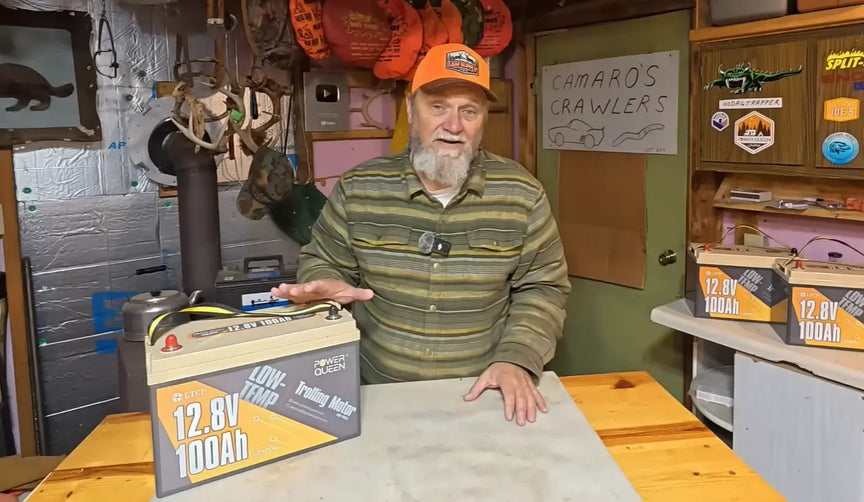
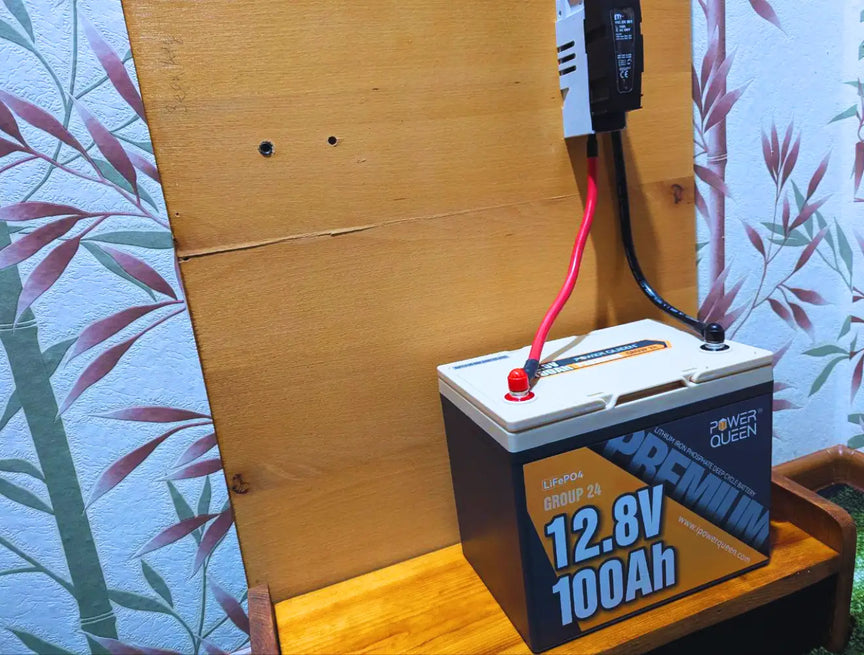
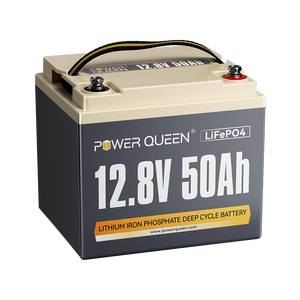
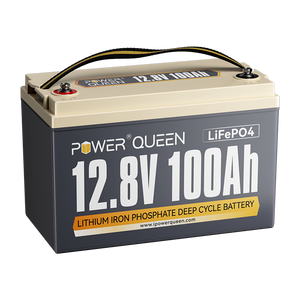
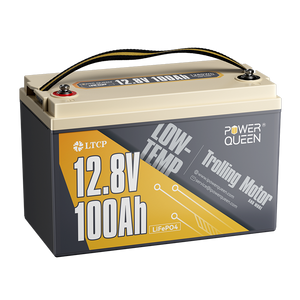
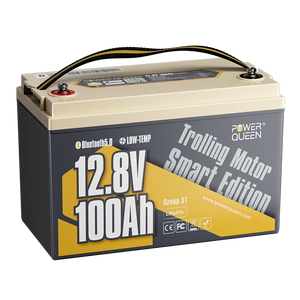
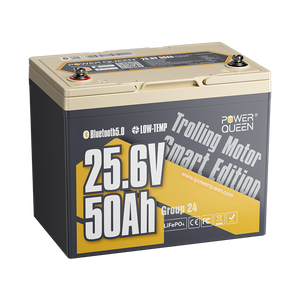
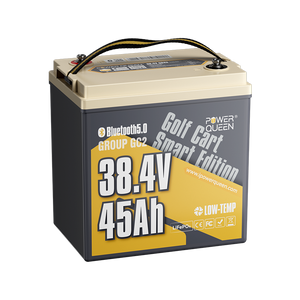
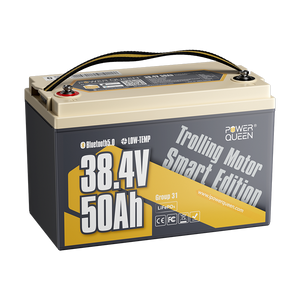
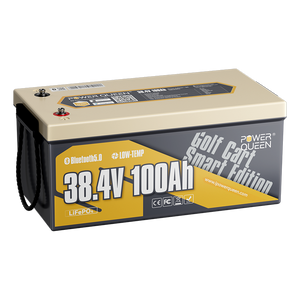
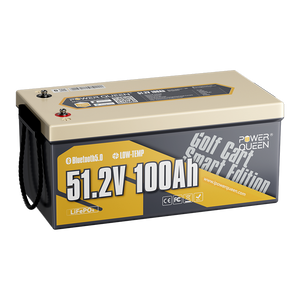
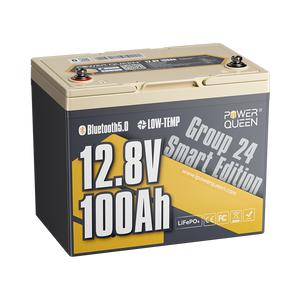
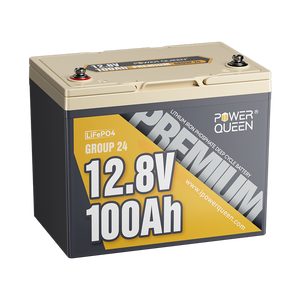
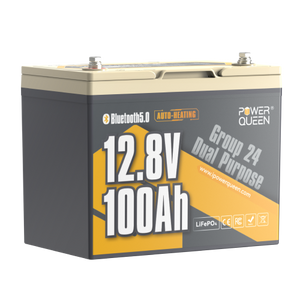
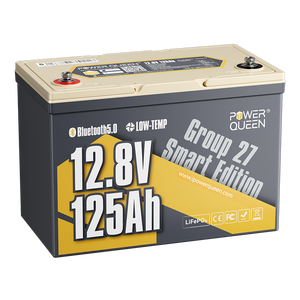
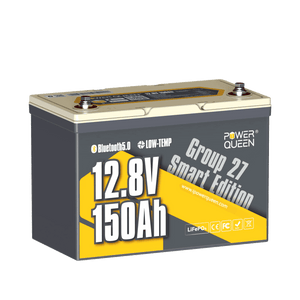
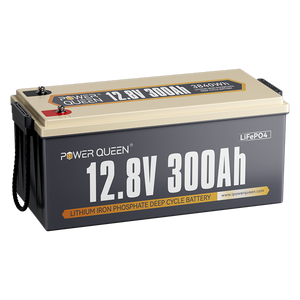
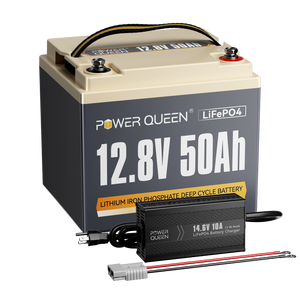
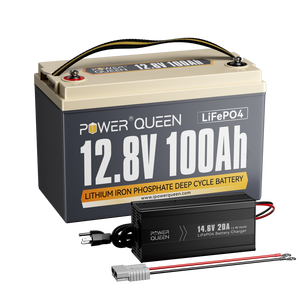
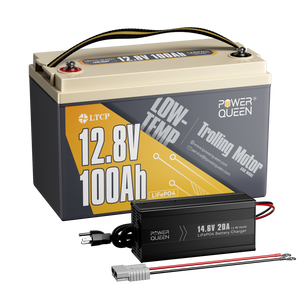
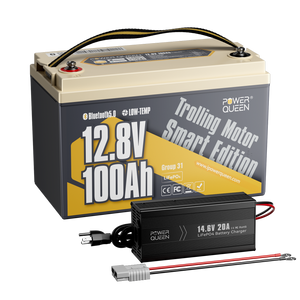
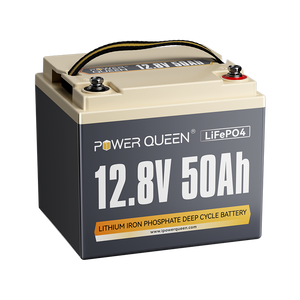
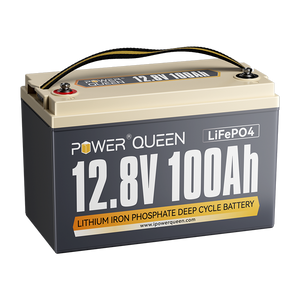
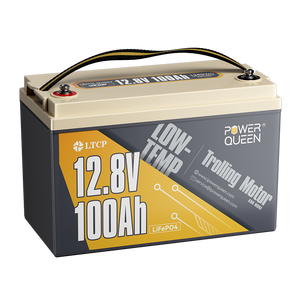
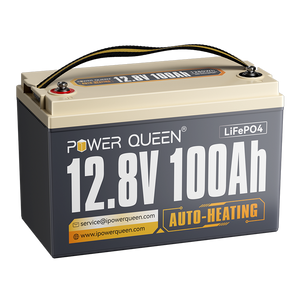
Whether you’re planning ice fishing walleye or open water walleye sessions, having reliable walleye fishing gear is essential. Using a lithium battery for trolling motor ensures stable power for your trolling motor and electronics throughout the day, letting you focus on fishing without worrying about a dead battery.
Mastering winter walleye fishing begins with understanding fish behavior, location, and gear.
1. Understanding Winter Walleye Behavior
Winter walleye are creatures of habit. Knowing when and where they move can dramatically improve your walleye fishing success. Understanding behavior is the foundation of productive winter walleye fishing.
- Activity Patterns: Walleye are most active during dawn and dusk when light is low. Midday, they often slow down to conserve energy.
- Depth Preferences: During the day, they stick to deeper waters (15–40 feet), moving shallower in low-light conditions.
- Environmental Factors: Water temperature, dissolved oxygen, prey availability, and light penetration all affect their behavior.
💡 Pro Tip: Watch cloud cover and temperature changes; overcast days can give you better bite windows.
2. Choosing the Right Spot
Finding winter walleye is all about understanding structure and water movement. Fish often gather near underwater features or areas with the right flow. Using lake maps and GPS to mark productive spots helps you return to successful locations and improves your overall catch rate for ice fishing walleye and open water walleye.
| Location Type | Why It Works |
|---|---|
| Drop-offs | Fish move vertically, creating ambush points |
| Submerged timber or rock piles | Provides shelter and attracts baitfish |
| Weed lines | Offers cover and feeding opportunities |
| River channels / dam tails | Moderate current concentrates active fish |
⚡ Battery Tip: When moving across the lake repeatedly to check structures or adjust position, a deep cycle trolling motor battery provides stable power for extended trolling without interruptions, keeping your electronics running during multi-spot coverage.
If you're planning a winter trip and want ideas on where to go, this guide to the 👉 15 Best Winter Fishing Destinations in the U.S. (Including Top Ice Fishing Spots) is a great resource for choosing lakes that consistently produce winter walleye.

3. Bait and Tackle Selection
The right bait and walleye fishing gear make all the difference in winter walleye fishing.
- Live Bait: Minnows, shiners, nightcrawlers, or leeches work great in cold water.
- Artificial Lures: Jigging spoons, lipless crankbaits, and small soft plastics mimic prey effectively. Choosing the right walleye fishing lures helps you stay on the bite.
- Rods & Reels: Medium-light to medium-heavy rods (24–36 inches) paired with smooth-drag spinning reels.
- Lines: Fluorocarbon, monofilament, or braided line depending on water clarity and temperature.
4. Winter Fishing Techniques
Slow Vertical Jigging
Walleye move slower in cold water, so your jigging should reflect that. Use gentle lifts and drops, pausing occasionally to let the lure hover. This method works best near drop-offs, submerged timber, or weed lines where fish often hold.
Depth Experimentation
Fish depth changes with light. Early morning and late evening, walleye move into shallower zones (10–20 feet). Midday, they retreat deeper (20–40 feet). Adjust your jigging depth throughout the day to stay on active fish in winter walleye fishing.
For more cold-water tactics that consistently trigger bites in winter, you can also check out👉 Winter Fishing Tactics That Work, which covers additional presentations and seasonal adjustments.
Using Technology
Fish Finders
Sonar technology is key for locating schools and underwater structures. Thick ice often makes visual cues unreliable, so fish finders give real-time insights for better jig placement.
GPS and Mapping
Mark productive areas to return later. Over time, you build a personal map of reliable winter spots, improving efficiency and reducing guesswork. A deep cycle trolling motor battery is particularly useful here when relying on electronics for extended navigation or multi-spot coverage during winter walleye fishing.
If you’re unsure which type of battery performs best in freezing temperatures, this guide on Which Batteries Are Ideal for Fishing in Cold Weather? breaks down the differences and helps you choose the right setup for long winter trips.

5. Ice Fishing Safety & Strategy
Ice Thickness and Safety
Always check ice before fishing. At least 4 inches is safe for walking; 5–7 inches for snowmobiles. Avoid cracks, dark areas, or open water. Safety comes first, especially during long ice fishing walleye sessions.
Combining Techniques
Tip-ups cover wide areas, while vertical jigging targets active fish precisely. Using live bait like minnows or shiners improves success under the ice. If you use tip-ups with electronics or portable augers, a lithium battery for trolling motor ensures they keep running in cold conditions for the duration of your trip.
If you're running a trolling motor or multiple electronics, this Full Guide on Choosing a Lithium Battery for Trolling Motors explains how to match capacity, voltage, and runtime to your setup.

6. Weather & Environmental Factors
- Barometric Pressure: Walleye are often more active when pressure is stable or slightly dropping.
- Light Conditions: Low-light situations favor more aggressive feeding.
- Water Temperature: Optimal winter range is 32–40°F (0–4°C).
- Ice Thickness: Thicker ice reduces light penetration; fish may move deeper.
7. Common Mistakes to Avoid
Depth accuracy
Walleye often suspend at precise depths tied to light and temperature. Relying on guesswork wastes time—use a fish finder to read the water column and lock onto the active layer.
Wrong bait choice
Match bait size, type and color to local prey and water clarity. The wrong lure can look unnatural in cold water and produce few strikes.
Timing & environment
Don’t ignore light and temperature: fish move shallower at dawn/dusk and deeper in bright midday sun. Check conditions and shift depth accordingly.
Poor location selection
Avoid open flat areas with no structure. Prioritize drop-offs, submerged timber, rock piles and weed lines where bait congregates and walleye ambush.
Tackle & power
Use rods, reels and line suited to the depth and presentation you’re running—mismatched gear hurts hookups. Reliable electronics power is equally important: a quality lithium battery for trolling motor keeps fish finders and GPS running all day, preventing missed opportunities from dead devices.

8. FAQs
Q — Where should I start depth-wise in winter?
Start around 20–30 ft, then work shallower to 10–20 ft at dawn/dusk. Let your fish finder confirm and refine the exact layer.
Q — What baits actually catch winter walleye?
Live minnows/shiners are the go-to for steady presentations; use small jigging spoons or subtle soft plastics when fish are suspended.
Q — How should I jig in cold water?
Keep it slow: gentle lift → short pause → controlled drop. Think natural, weak prey rather than aggressive action.
Q — How do I stay safe on the ice?
Minimum 4" for walking, 5–7" for snowmobiles. Avoid cracks/dark spots, carry spikes/rope/floatation, and never fish alone if conditions are marginal.
Q — Do I need a special battery for winter electronics?
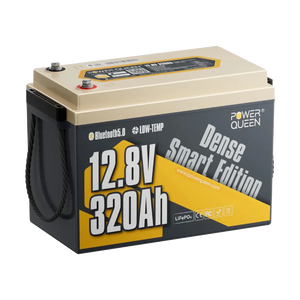
If you run fish finders, GPS, or a trolling motor for long periods, a deep cycle trolling motor battery or lithium battery for trolling motor is recommended — it holds up better in cold and keeps electronics reliable.
Ready for Your Best Winter Walleye Trip
Winter walleye fishing rewards patience, observation, and the right gear. Stick to structure-rich spots, adjust your depth with light and temperature, and keep your electronics running reliably with a high-quality lithium battery for trolling motor.
This season, make the most of your trips—and your gear—with our Christmas deals on select batteries, giving you stable power for longer, uninterrupted fishing sessions
For anglers looking to upgrade before winter, the 2025 Christmas Battery Deals Guide highlights the high-performance lithium batteries.
🎄 Christmas Savings at Power Queen🎄
From Dec 15–25, enjoy holiday pricing across all Power Queen batteries.
1 battery · 5% off | 2 batteries · 6% off | 4 batteries · 8% off