


































Living on a Houseboat: The Complete Reality Check 2026
Living on a houseboat can be legal, comfortable, and rewarding, but only when the location, boat, budget, and utility systems are right. It is not just a cheaper home with a better view. It is a water based lifestyle that requires planning before you move aboard.
This guide explains the real costs, rules, marina issues, power setup, safety needs, and daily tradeoffs of houseboat living in the United States.
Living on a Houseboat in 2026: What It Really Means
Living on a houseboat means using a boat as a primary or seasonal home. Some houseboats have engines and can move, while others stay tied to a marina, private dock, lake, or riverfront slip.
The key point is simple: a houseboat is both a home and a vessel. You need to think about comfort, legal status, weather, waste systems, insurance, maintenance, and the rules of the place where the boat stays.
For example, a houseboat on a Tennessee lake may feel like a relaxed vacation home, while a liveaboard boat in a busy Florida marina may face stricter rules, higher insurance costs, and hurricane planning.
Houseboat, Floating Home, and Liveaboard Boat
The terms sound similar, but they can mean different things. A houseboat is usually designed with living space as a major feature. A floating home is often a fixed residence on a floating foundation. A liveaboard boat can be any boat used as a residence.
| Type | What It Means | Best For |
|---|---|---|
| Houseboat | A boat designed with major living space | Lakes, rivers, marinas, vacation use, full time living where allowed |
| Floating home | A home on a floating foundation, often not built for cruising | Permanent waterfront communities |
| Liveaboard boat | Any boat used as a home | People living aboard full time or part time |
The legal difference matters because marinas, cities, counties, and harbor authorities may treat each type differently.
Living on a Houseboat Legally in the United States
Living on a houseboat is legal in some places, but it is not legal everywhere. There is no single national rule that allows full time houseboat living in every marina, lake, river, or coastal area.
The real answer depends on local zoning, state boating rules, marina policy, environmental rules, and whether the boat is treated as a vessel or a floating residence.
What Usually Controls Houseboat Living Rules
Local rules usually matter more than general boating rules. A city may limit residential use on the water. A marina may allow boat storage but not full time residents. A lake authority may limit overnight stays. A homeowners association may block private dock living.
For example, Florida rule has detailed anchoring and mooring restrictions near marinas, boat ramps, public vessel launching facilities, and other protected areas. This does not mean houseboat living is impossible in Florida, but it does show why checking local rules before buying is essential.
Questions to Ask Before You Move Aboard
The safest move is to get liveaboard approval in writing. A seller may say a marina allows full time residents, but the marina agreement is what matters.
| Question | Why It Matters |
|---|---|
| Do you allow full time liveaboards? | Some marinas allow boats but not residents |
| Is a liveaboard permit required? | Permits may be limited or waitlisted |
| Are there extra liveaboard fees? | Many marinas charge beyond the slip fee |
| Can I receive mail here? | Not every marina accepts residential mail |
| Are pumpout services available? | Waste handling affects daily comfort |
| Are there storm or winter rules? | Weather can decide whether the site works year round |
| Is insurance required? | Most marinas require proof of coverage |
Living on a Houseboat Costs: The Real Monthly Budget
Living on a houseboat can cost less than renting in some markets, but it is not automatically cheap. The final monthly cost depends on the boat, marina, location, utilities, insurance, repairs, financing, and weather preparation.
A paid off houseboat in an inland marina may be affordable. A larger boat in a popular coastal city can cost as much as an apartment once slip fees, liveaboard fees, insurance, and maintenance are included.
Typical Houseboat Living Expenses
The best way to budget is to count both fixed costs and repair reserves. Many first time buyers only compare boat payments with rent, which leaves out the costs that make houseboat living different.
| Expense | Common Range | Notes |
|---|---|---|
| Slip or mooring fee | $300 to $2,000 plus per month | Coastal cities and resort lakes are usually higher |
| Liveaboard surcharge | $100 to $500 plus per month | Charged by many marinas |
| Electricity and water | $50 to $300 per month | Depends on climate and marina billing |
| Insurance | Varies widely | Older boats and full time use may cost more |
| Pumpout and waste service | $20 to $150 per month | Some marinas include it |
| Maintenance reserve | 5 percent to 10 percent of boat value yearly | Covers hull, roof, plumbing, batteries, wiring, and systems |
| Internet and phone | $50 to $200 per month | Marina Wi Fi may not be reliable |
| Winterizing or storm prep | Varies by region | Important in cold regions and hurricane zones |
Buying a Houseboat Versus Renting One
Renting first is often the smarter choice for beginners. It lets you test space, noise, weather, marina life, and utility limits before taking on repairs and insurance.
Buying gives you more control, but it also gives you every problem. If the roof leaks, the batteries fail, the toilet system breaks, or the shore power connection needs work, the repair bill is yours.

Living on a Houseboat and Finding the Right Marina
The marina is your neighborhood, utility provider, parking area, security gate, and emergency contact. A good boat in the wrong marina can still make daily life difficult.
The right marina should clearly allow liveaboards, provide reliable power and water, offer pumpout access, maintain safe docks, and explain its rules in writing.
What Makes a Marina Livable
A livable marina supports daily routines, not just boat storage. Clean bathrooms, showers, laundry, shore power, potable water, pumpout service, parking, trash service, package rules, and security all matter.
Community also matters. Some docks feel quiet and friendly. Others are crowded, noisy, or mostly seasonal. Visit the marina in the morning, evening, weekday, and weekend before signing.
Marina Red Flags
A bad marina usually shows warning signs early. Be careful if management avoids written answers, says full time living is not officially allowed but nobody checks, has weak electrical service, lacks pumpout access, has many abandoned boats, or cannot explain storm procedures.
If the dock looks neglected, assume some hidden systems may be neglected too.
Living on a Houseboat by Region
The best region for living on a houseboat depends on climate, rules, slip availability, insurance, and your daily needs. Warm weather is helpful, but it does not remove storm risk, marina limits, or insurance issues.
| Region | Strengths | Challenges |
|---|---|---|
| Pacific Northwest | Strong boating culture, scenic marinas, established floating communities | Rain, limited slips, local restrictions |
| Florida | Warm weather, many marinas, coastal lifestyle | Hurricanes, insurance, heat, crowded markets |
| Tennessee and Kentucky lakes | Popular houseboat culture, lower costs, lake communities | Seasonal tourism, rural services, storm exposure |
| California | Mild weather, major coastal cities, active boating scene | High costs, limited liveaboard slips, strict local rules |
| Great Lakes | Freshwater boating, scenic summers, lower seasonal costs | Winter ice, short boating season, storage needs |
| Gulf Coast | Warm climate, many waterways, lower cost areas | Storm risk, humidity, insurance concerns |
Best Places Depend on Your Lifestyle
The best place is the one that supports your real routine. A remote worker needs stable internet. A retiree may need medical access. A family needs parking, schools, storage, and safety. A weekend traveler may care more about recreation and scenery.
For example, Seattle has a long history of floating homes, but space can be limited and expensive. Lake Cumberland in Kentucky is known for houseboat recreation, but services may feel more seasonal. Florida offers many waterways, but storm planning and local anchoring rules are major factors.
Living on a Houseboat With Utilities and Waste Systems
Utilities are the biggest difference between a houseboat and a land based home. On land, power, water, sewer, heat, and internet are usually built into the property. On a houseboat, each system needs active management.
This is where the lifestyle becomes practical. You need to know how power comes in, where water is stored, how waste is removed, and what happens when the dock system fails.
Power, Water, Heating, and Internet
Most marina based houseboats use shore power. You plug into the dock and pay the marina or utility rate. You may also use batteries, solar panels, generators, propane, or diesel systems.
Fresh water may come from a dock connection or an onboard tank. In cold climates, hoses can freeze. In hot climates, air conditioning can strain power systems. Internet may come from marina Wi Fi, mobile hotspots, satellite service, or a combination.
Backup Power for Houseboat Living
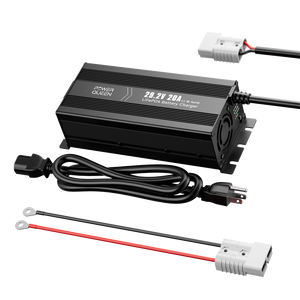
Reliable backup power is one of the most practical upgrades for houseboat living. Even if your marina provides shore power, outages, storms, dock maintenance, or short trips away from the slip can interrupt your routine.
A backup battery system can support lights, phones, routers, small refrigerators, water pumps, fans, and emergency equipment. This is especially useful for people who work remotely or rely on powered systems for daily comfort.
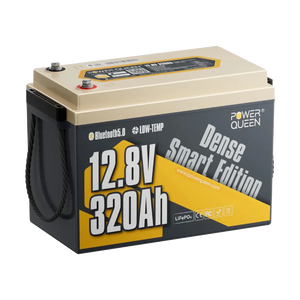
Taking a 12V 320Ah lithium battery as an example, connecting four of these units in parallel provides a total capacity of 16,384Wh, which is sufficient to power basic equipment for two days.

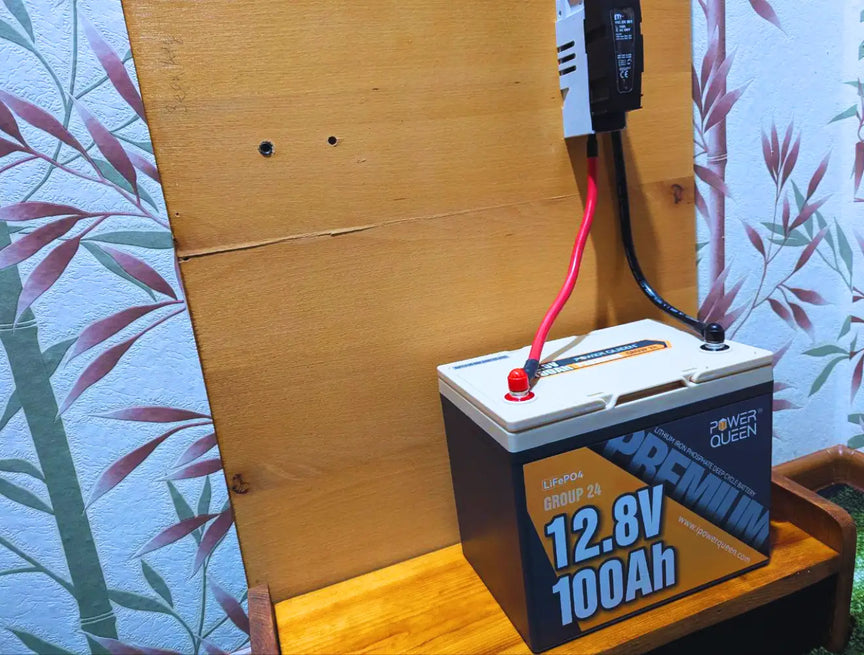
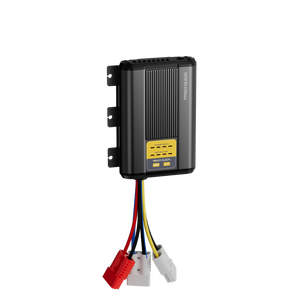
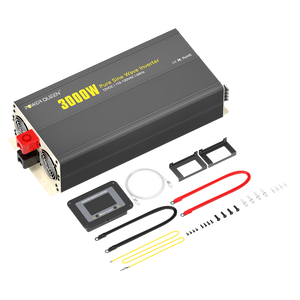
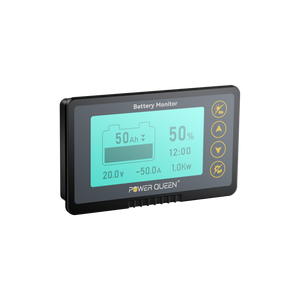
For houseboat owners who want to pair batteries with solar panels or build a more stable off grid setup, Power Queen lithium batteries are a practical option to consider. Compared with traditional lead acid batteries, LiFePO4 batteries are generally lighter, longer lasting, more efficient, and better suited for repeated deep cycle use.
The right Power Queen battery setup depends on your appliances, daily energy use, inverter size, charging method, and installation space. If you live aboard full time, ask a qualified marine electrician to review the wiring, fuses, charger, inverter, ventilation, and battery placement before installation.

Sewage and Pumpout Planning
Waste management is not optional on a houseboat. The U.S. Environmental Protection Agency explains that vessel sewage discharges are regulated under Clean Water Act Section 312, which is jointly implemented by the EPA and the U.S. Coast Guard.
A practical setup usually includes a legal marine sanitation device, a holding tank, and reliable pumpout access. The U.S. Coast Guard also provides information on marine sanitation device regulations under 33 CFR Part 159.
This matters because a full holding tank, broken pump, or closed pumpout station can quickly become a serious problem. Before moving aboard, confirm how often you can pump out and whether the service works year round.
Living on a Houseboat and Insurance
Houseboat insurance can be more complicated than standard boat insurance. Insurers may ask where the boat stays, whether you live aboard full time, how old the vessel is, what systems are installed, and whether the boat has passed a survey.
Many marinas require proof of liability coverage before they approve a slip. Some may also require pollution coverage, wreck removal, or specific coverage limits.
Why a Marine Survey Matters
A marine survey is often worth the cost before buying. It can affect insurance approval, marina acceptance, financing, and your understanding of repair risk.
Older houseboats can look comfortable inside while hiding roof leaks, hull problems, outdated wiring, weak plumbing, or unsafe fuel systems. A clean interior does not prove the boat is ready for full time living.
Living on a Houseboat Pros and Cons
Houseboat living is best for people who value water access and can handle routine maintenance. It is less ideal for people who want unlimited storage, predictable utilities, and very low repair responsibility.
| Advantage | What It Feels Like in Real Life |
|---|---|
| Water views every day | A calm and scenic home setting |
| Smaller living footprint | Less clutter and simpler routines |
| Strong dock community | Neighbors often help each other |
| Flexible location in some areas | Easier seasonal movement if the boat is mobile |
| Lower cost in select markets | Possible savings compared with city rent |
| Disadvantage | What It Means |
|---|---|
| Limited space | Storage and privacy require planning |
| Constant maintenance | Small issues can become expensive |
| Weather exposure | Wind, storms, heat, cold, and ice matter |
| Legal limits | Not every marina allows full time living |
| Financing and insurance hurdles | Older or unusual boats can be harder to cover |
Living on a Houseboat First Month Readiness Plan
The first month should be treated as a full systems test. This is the content gap many guides skip, but it often decides whether houseboat living feels peaceful or stressful.
You are not only testing the boat. You are testing the marina, your routine, your power use, your water habits, your internet, your storage, and your tolerance for dock life.
Week One: Confirm the Basics
The first week should confirm that the home is legally and practically livable. Make sure your liveaboard approval is in writing, then set up marina access, parking, mail, trash, laundry, pumpout, internet, and emergency contacts.
Test every outlet, breaker, light, faucet, drain, toilet, bilge pump, smoke alarm, carbon monoxide alarm, and fire extinguisher. Small problems are easier to fix before they become daily frustrations.
Week Two: Learn Your Boat’s Rhythm
The second week should reveal how the boat behaves during normal life. Track power use, water use, tank capacity, condensation, noise, motion, and temperature.
This is also the time to learn whether your internet is strong enough, whether the boat feels safe at night, and whether your storage setup works in real life.
Week Three: Build Your Maintenance Routine
The third week should turn maintenance into a habit. Check dock lines, fenders, bilges, roof seams, batteries, shore power cords, hoses, propane, engine systems, and dock connections.
Houseboats reward routine attention. A few minutes of checking can prevent expensive repairs later.
Week Four: Decide What Needs to Change
The fourth week should help you improve the setup. You may need better storage, a dehumidifier, a stronger internet plan, safer steps, extra lighting, better bedding, or a backup power plan.
After thirty days, you will understand what listing photos, seller descriptions, and marina tours could not show.
Living on a Houseboat Safety Reality Check
Safety should be part of daily houseboat living. You need working life jackets, fire extinguishers, smoke alarms, carbon monoxide alarms, dock lines, fenders, bilge pumps, emergency lighting, and a storm plan.
Weather deserves serious attention. High winds can damage lines and docks. Freezing weather can burst hoses. Heat can overload electrical systems. Hurricanes may require moving the boat, securing it differently, or following a marina evacuation plan.
Security and Privacy
Privacy is more limited at a marina than in a detached house. People may walk past your windows, neighbors may hear more, and shared docks can feel busy during weekends.
Good lighting, window coverings, locks, and respectful dock habits make a big difference. A strong marina community can be a benefit, but poor dock behavior can make daily life uncomfortable.
Living on a Houseboat FAQ
Is living on a houseboat legal?
Yes, living on a houseboat can be legal where local rules and marina policies allow it. Always confirm the exact location before buying or moving aboard.
Is living on a houseboat cheaper than renting?
Sometimes, living on a houseboat is cheaper than renting, but not always. Slip fees, liveaboard fees, insurance, utilities, pumpout service, and repairs can quickly change the budget.
Can I live on a houseboat year round?
Yes, year round houseboat living is possible in some locations. Warm regions are easier in winter, but they may bring hurricane risk, high heat, and higher insurance concerns.
Do I need a permit to live on a houseboat?
You may need a permit depending on the location. Some marinas, harbors, cities, counties, or lake authorities require liveaboard permits or limit the number of nights you can stay aboard.
Can I get mail while living on a houseboat?
Yes, many liveaboards receive mail, but the method varies. Some use a marina address, while others use a private mailbox, mail forwarding service, or family address.
What is the hardest part of living on a houseboat?
The hardest part is usually not the small space. For many people, the biggest challenges are finding a legal slip, managing repairs, handling waste systems, and preparing for weather.
Can I finance a houseboat?
Yes, some houseboats can be financed. Approval may depend on boat age, value, condition, survey results, and whether the property is treated as a vessel or floating home.
Is a houseboat good for families?
A houseboat can work for families, but it requires careful planning. Space, safety, schools, parking, pets, storage, and privacy all need serious attention.
Do houseboats lose value?
Many houseboats depreciate, especially when maintenance is poor. Location, condition, brand, survey results, and upgrades can all affect resale value.
Should I buy a houseboat before finding a slip?
No, you should find a legal and practical place to keep the boat first. A houseboat without an approved slip can become expensive very quickly.
Living on a Houseboat Final Reality Check
Living on a houseboat works best when the location is legal, the marina is reliable, and the boat is properly prepared. The lifestyle can be peaceful and memorable, but it also brings maintenance, weather, utility, and rule based responsibilities.
Confirm the slip first, inspect the boat carefully, calculate the full monthly cost, and test the lifestyle before committing.