













The Ultimate Guide to Residential Wiring
Residential wiring is the system that carries electricity from a home's service panel to outlets, lights, and appliances. Safe residential wiring depends on proper wire sizing, circuit protection, grounding, and enough capacity for current and future electrical loads.
For U.S. homeowners, understanding the basics can help identify problems, plan upgrades, and communicate more effectively with an electrician.
Residential Wiring Basics
Residential wiring starts at the main electrical panel, where breakers distribute power to individual circuits. Most U.S. homes use both 120 volt circuits for outlets and lighting and 240 volt circuits for larger appliances.
Electrical Panel
The electrical panel controls power distribution throughout the home. Each breaker protects a circuit from excessive current, so repeated trips should be investigated rather than ignored.
Branch Circuits
Branch circuits carry electricity from the panel to specific areas or equipment. Large appliances such as dryers, ranges, and EV chargers often require dedicated circuits.
Wire Colors
Wire colors help identify conductor functions. Black and red wires commonly carry energized current, white or gray wires are generally neutral conductors, and green or bare copper wires are commonly used for grounding. See OSHA grounding guidance.
Wire Sizes
Correct wire size helps prevent overheating and electrical fires. Common residential copper wire sizes include:
| Circuit | Typical Wire Size | Common Use |
|---|---|---|
| 15 amp | 14 AWG | Lighting and outlets |
| 20 amp | 12 AWG | Kitchens, bathrooms, garages |
| 30 amp | 10 AWG | Some dryers and water heaters |
| 40 to 50 amp | 8 or 6 AWG | Ranges and EV chargers |
These are typical examples only. Actual wire size depends on circuit design, equipment, and local electrical code.
Residential Wiring Circuit Protection
Modern residential wiring uses several protection methods to reduce shock and fire risks.
Circuit Breakers
Breakers protect wiring from excessive current. Installing a larger breaker without verifying wire capacity can create an overheating hazard.
GFCI Protection
GFCIs help reduce electric shock risk from ground faults and are especially important in kitchens, bathrooms, garages, and outdoor locations.
AFCI Protection
AFCIs help detect dangerous electrical arcing that may lead to fires.
Residential Wiring for Different Areas of the Home
Different rooms create different electrical demands, so circuit planning should match how each space is used.
Kitchens and Bathrooms
Kitchens and bathrooms need careful planning because they combine significant electrical demand with moisture. A typical U.S. kitchen may run a microwave, toaster, coffee maker, and air fryer within a short period.
Bedrooms and Living Areas
Bedrooms and living areas generally serve lighting, electronics, and small appliances. Home offices can place heavier loads on circuits than traditional bedrooms.
Garages and Outdoor Areas
Garages may power tools, freezers, garage door openers, and EV chargers, while outdoor wiring requires equipment suitable for moisture and weather exposure.
Residential Wiring for Modern Electrical Loads
Modern equipment can significantly increase household electrical demand, so homeowners should plan for both present and future loads.
EV Chargers
Level 2 EV chargers can require substantial electrical capacity. Homeowners should confirm that the panel and service can support the charger before installation.
Solar and Battery Systems
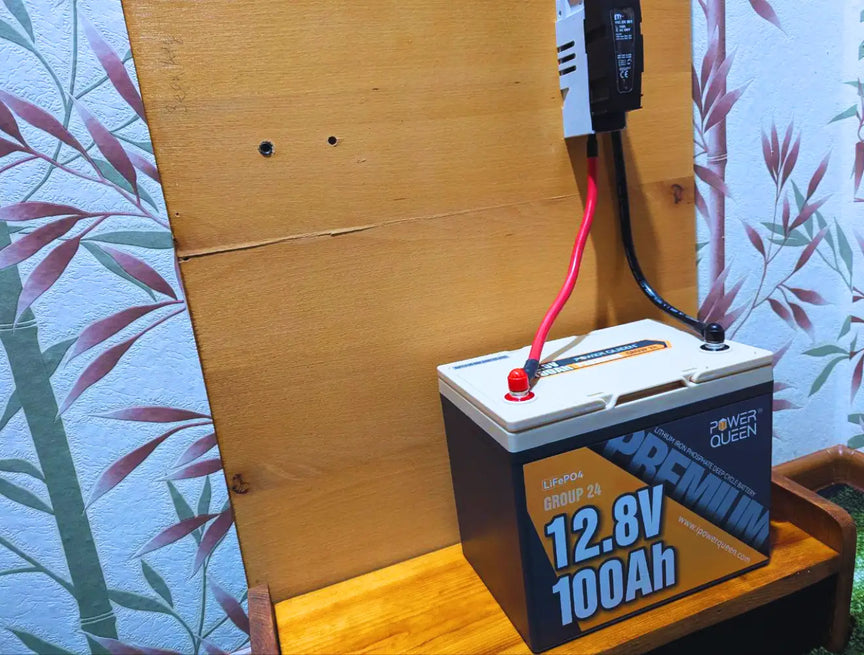
Solar panels and home backup batteries require additional planning because they change how power moves through the home. Backup systems may be designed to support essential loads such as refrigerators, lighting, and internet equipment.
Related Reading: [Story Share] How Do I DIY My Own Home Peninsula Solar System
Future Electrical Capacity
Planning spare panel capacity during a remodel can make future EV, solar, battery, heat pump, or electric appliance upgrades easier.
Residential Wiring Problems and Safety Signs
Electrical warning signs should be addressed quickly because they may indicate overheating, overloads, or damaged wiring.
Frequent Breaker Trips
Repeated trips may indicate overloads, short circuits, faulty appliances, or wiring problems.
Warm or Discolored Outlets
Warm outlets or discoloration can indicate loose connections or overheating.
Burning Smells or Buzzing
Burning odors, buzzing, sparking, or crackling should be treated as serious warning signs.
Extension Cord Risks
Extension cords should not replace permanent wiring because long term or overloaded use can increase fire and shock risks.
Residential Wiring DIY Work Versus Professional Work
Complex residential wiring should be handled by qualified electrical professionals. New circuits, panel modifications, service upgrades, and major appliance installations can involve serious shock and fire risks.
Local permit, inspection, and code requirements should also be checked before electrical work begins.
Residential Wiring FAQs
Can I Replace a 15 Amp Breaker With a 20 Amp Breaker?
No, not unless the circuit wiring and equipment are designed for 20 amps. Increasing breaker size without checking the circuit can cause overheating.
Why Does My Breaker Keep Tripping?
A breaker usually trips because of an overload or electrical fault. Too many appliances on one circuit are a common cause.
What Is the Difference Between GFCI and AFCI?
GFCI protection mainly reduces shock risk, while AFCI protection helps reduce fire risk caused by electrical arcing.
When Should Residential Wiring Be Inspected?
Inspection is recommended when you notice frequent breaker trips, warm outlets, burning smells, sparks, or when adding major new electrical loads.
Residential Wiring for a Safer Modern Home
Good residential wiring provides safe, reliable power while supporting modern electrical needs. Proper wire sizing, grounding, circuit protection, and future capacity planning are the foundation of a dependable home electrical system.
For major upgrades or unexplained electrical problems, working with a qualified electrician is the safest choice.