







What Is SHTF Meaning? A Guide to SHTF Survival
SHTF survival means being ready when emergencies disrupt power, water, transportation, or other essential services. From hurricanes and winter storms to extended blackouts, a practical plan with food, water, medical supplies, and reliable backup power can help your family stay safe.
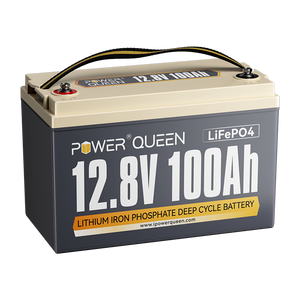
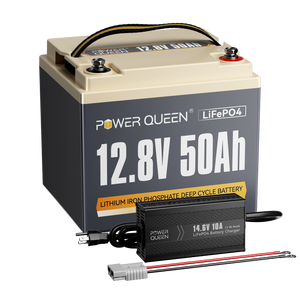
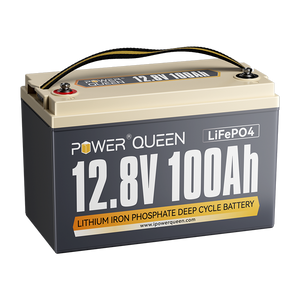
A Power Queen LiFePO4 lithium battery can also support an SHTF setup by providing stored power for essential devices during an outage. Understanding the SHTF meaning and preparing for realistic risks can help you respond with greater confidence when normal services are unavailable.
What Is SHTF Meaning?
SHTF stands for “Shit Hits the Fan,” a common preparedness term for a serious event that disrupts normal daily life. It does not refer only to extreme social collapse.
An SHTF situation can be a hurricane, wildfire, earthquake, winter storm, flood, extended blackout, or infrastructure failure. The common factor is that services people normally depend on, including electricity, water, transportation, communication, or access to stores, may become temporarily unavailable.
For example, Winter Storm Uri in Texas caused widespread power outages and created problems with heating, water, food storage, and transportation. Events like this show why basic household preparedness can matter even when an emergency is regional rather than nationwide.

What Is SHTF Survival?
SHTF survival means preparing your household to remain safe and functional when normal services are disrupted. The goal is to prepare for realistic risks rather than trying to predict every possible disaster.
Your location should guide your priorities. A family in Florida may focus on hurricanes and flooding, while someone in California may prepare more for wildfires, earthquakes, and evacuation.
Regardless of location, most SHTF plans should cover the same basic needs: water, food, shelter, medical care, communication, sanitation, and backup power.
Common Situations That Require SHTF Survival
Natural Disasters
Natural disasters are among the most common situations that can create SHTF conditions. Hurricanes, floods, wildfires, earthquakes, tornadoes, and winter storms can damage infrastructure and interrupt essential services.
Hurricane Ian in Florida is a practical example. Major hurricanes can knock out power, close roads, interrupt fuel supplies, and force residents to evacuate with little notice.
Extended Power Outages
Extended blackouts can quickly affect more than lighting. Refrigeration, phones, internet equipment, fans, heating systems, medical devices, and some water systems may all depend on electricity.
A backup power system can help keep essential devices running. The key is to prioritize necessary loads instead of trying to power the entire home as usual.
Supply and Infrastructure Disruptions
Supply and infrastructure problems can make food, fuel, medicine, water, and communication harder to access. Keeping a reasonable reserve at home reduces the need to search for basic supplies during an emergency.
The most useful supplies are usually items your household already uses, rather than specialized survival products that may never be needed.
SHTF Survival Essentials for Your Home
A good SHTF survival setup should cover basic needs first. Specialized gear is useful only after essentials such as water, food, medical supplies, communication, and power are addressed.
| Survival Need | What to Prepare | Why It Matters |
|---|---|---|
| Water | Stored drinking water and water treatment | Water service may become unsafe or unavailable |
| Food | Shelf stable foods your family eats | Stores may close or become difficult to reach |
| Medical Care | First aid supplies and medications | Medical assistance may be delayed |
| Lighting | Flashlights and lanterns | Makes movement safer during blackouts |
| Backup Power | LiFePO4 batteries or power banks | Keeps essential devices operating |
| Communication | Emergency radio and contact plan | Cellular networks may become unreliable |
| Sanitation | Hygiene supplies and trash bags | Water outages can affect normal sanitation |
| Documents | Protected copies of key records | Important during evacuation and recovery |
| Cash | Small bills stored securely | Electronic payments may stop working |
A practical starting point is enough food and water for several days. Water is especially important, with one gallon per person per day commonly used as a basic emergency planning guideline.
How to Build an SHTF Survival Plan
Prepare for Local Risks
The best SHTF survival plan starts with the emergencies most likely to affect your area. Weather, geography, infrastructure, and household needs should determine what you prepare first.
Families should also consider children, older adults, pets, medications, mobility needs, and electrically powered medical equipment. These factors can significantly change how much food, water, power, and evacuation equipment you need.
Plan to Stay or Evacuate
A complete survival plan should prepare you for both sheltering at home and leaving quickly. Neither option is always safer.
Staying home can be practical when the building is secure and local authorities have not ordered an evacuation. It gives you direct access to stored food, water, tools, and backup power.
Evacuation becomes more important when wildfire, flooding, structural damage, or another immediate threat makes the area unsafe. Know your evacuation routes and decide in advance where family members should meet.
Create a Communication Plan
A family communication plan helps everyone know what to do if phone and internet service become unreliable. Choose an emergency contact and keep important numbers in both digital and printed form.
A simple meeting point is also useful if family members are separated. Clear arrangements made before an emergency are easier to follow than decisions made under pressure.
SHTF Survival Timeline: What Should You Do First?
Knowing what to do after an emergency begins is just as important as storing supplies. A simple timeline can help you focus on the most urgent needs.
The First Hour
Immediate safety should come first. Check for injuries, fire, structural damage, leaking utilities, or other hazards, and follow official emergency instructions.
Gather reliable information and charge essential devices while electricity is still available. If the power is already out, begin conserving battery capacity immediately.
The First 24 Hours
Your next priority should be deciding whether your home remains safe. Protect drinking water, organize food and medication, and contact family members according to your communication plan.
If evacuation becomes possible, keep important documents, food, water, medications, and essential equipment ready to move.
The First Three Days
Resource management becomes more important after the immediate danger passes. Monitor your remaining water, food, medication, fuel, and stored energy.
Use electricity mainly for critical needs such as communication, lighting, refrigeration, fans, or medical devices. Continue following official information because road conditions and evacuation instructions can change.
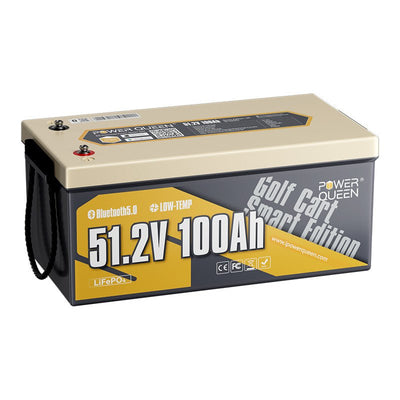
Power Queen LiFePO4 Batteries for SHTF
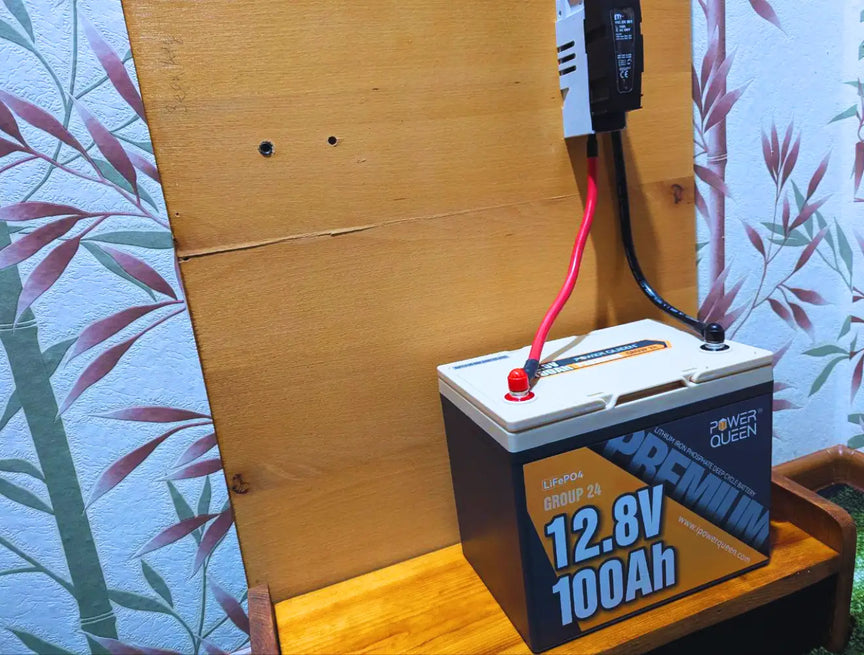
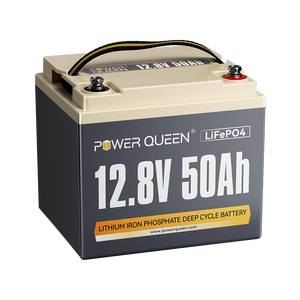
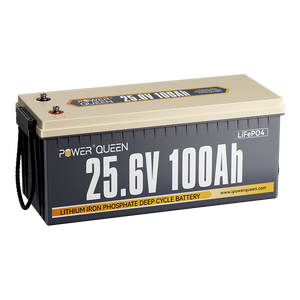
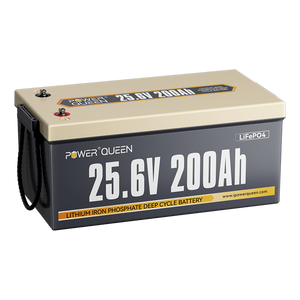
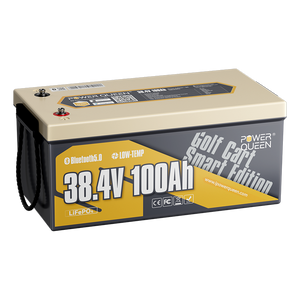
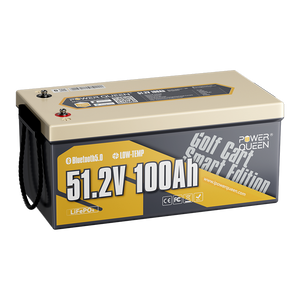
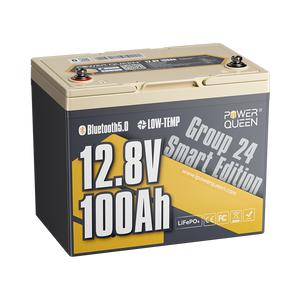
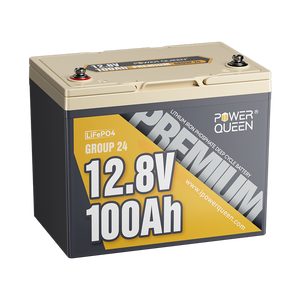
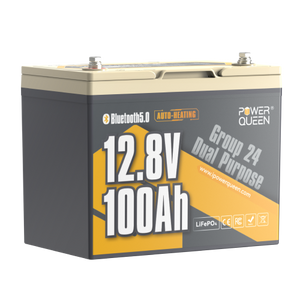
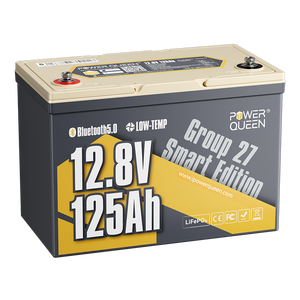
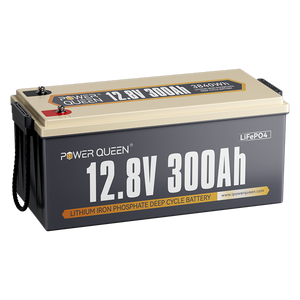
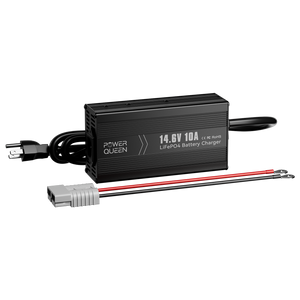
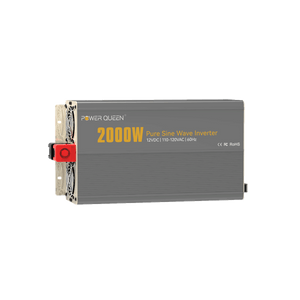
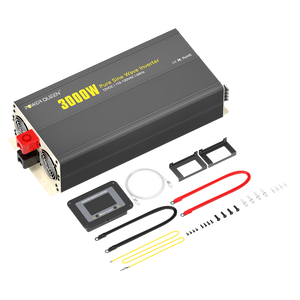
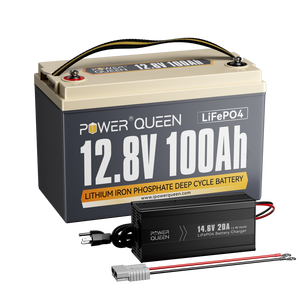
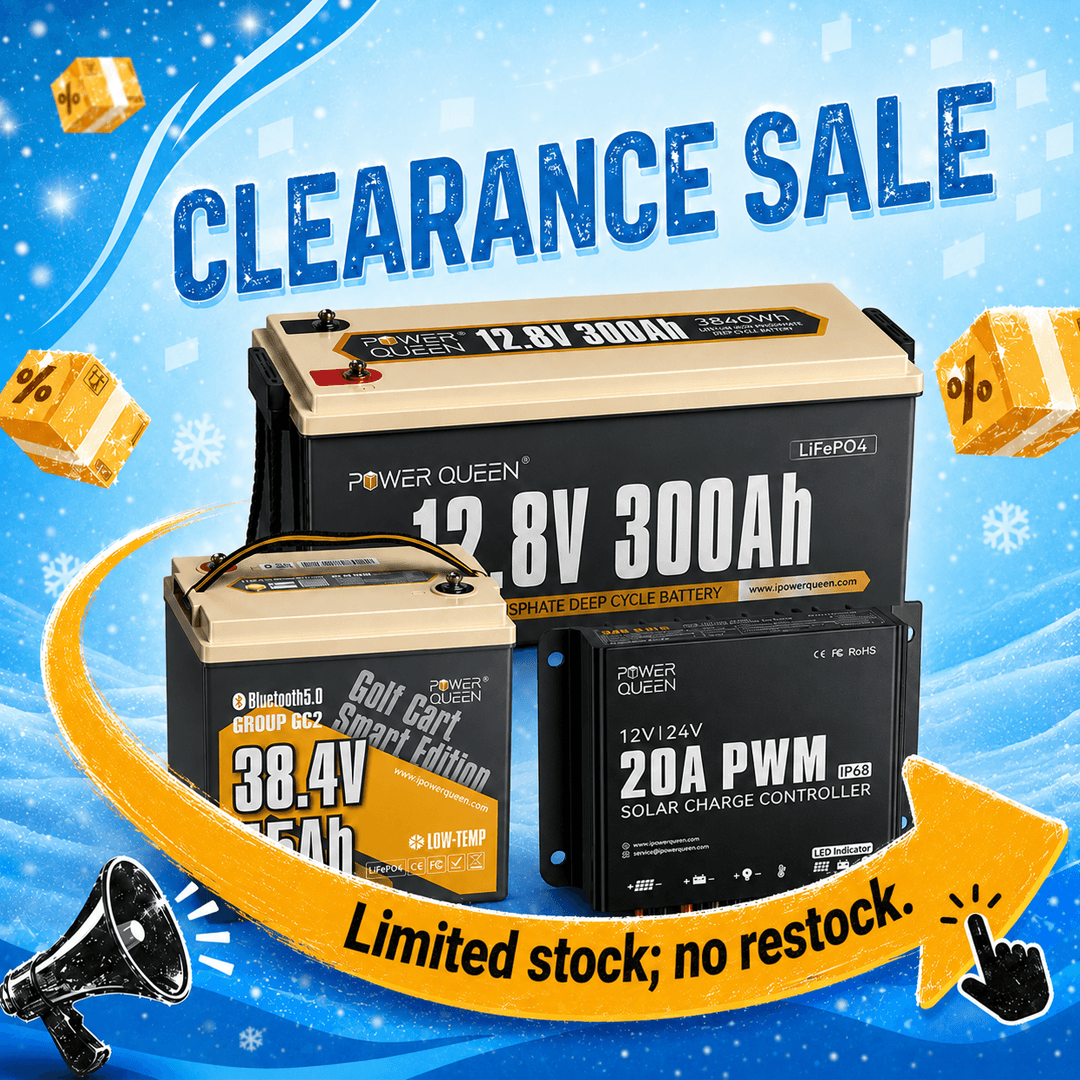
Power Queen LiFePO4 batteries can provide reliable energy storage for an SHTF backup power system. They can be paired with appropriate inverters and charging equipment to power selected devices when the electrical grid is unavailable.
LiFePO4 chemistry is well suited to backup and off grid applications because it offers long cycle life, stable performance, and deep cycle capability. This makes it practical for emergency systems that may need to be charged and discharged repeatedly.
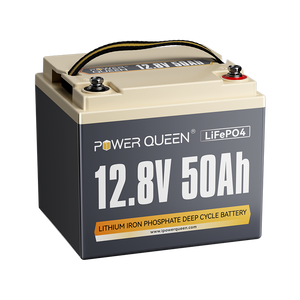
A smaller LiFePO4 battery system can support basic equipment such as phones, LED lights, radios, laptops, and fans. A larger battery bank can be designed for higher energy needs, including selected refrigerators and other essential appliances.

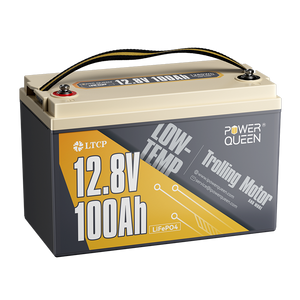
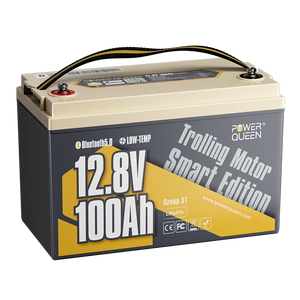
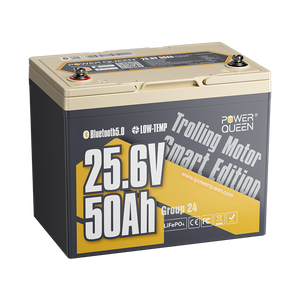
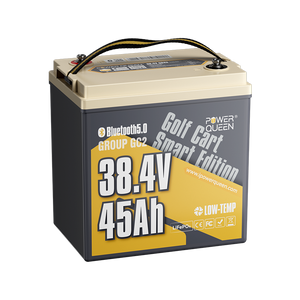
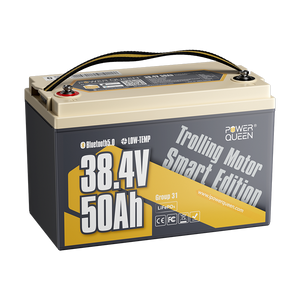
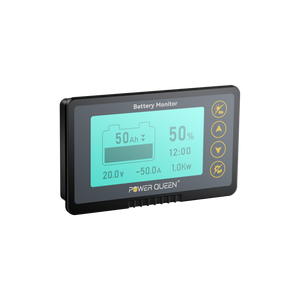
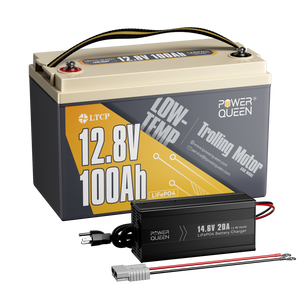
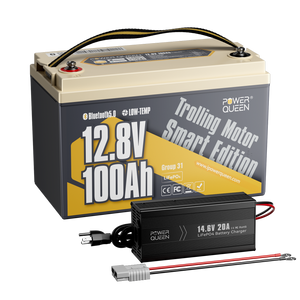
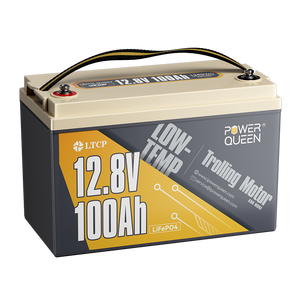
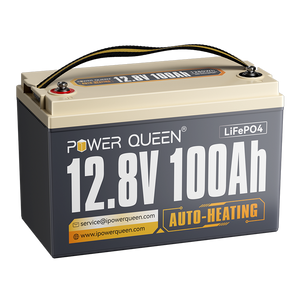
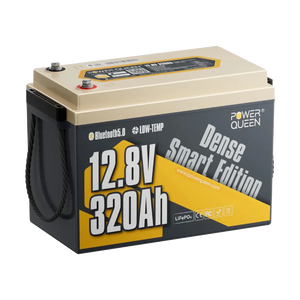
Power Queen also offers LiFePO4 batteries designed for different use conditions, including options with low temperature protection, self heating, and smart monitoring features. These options can be useful for households, RVs, cabins, and other emergency setups where temperature or battery monitoring matters.
The right Power Queen battery depends on the devices you need to run. Before choosing capacity, calculate the wattage of each essential device and estimate how many hours it may operate during an outage.
Pairing LiFePO4 batteries with compatible solar panels and a solar charge controller can provide another advantage. Instead of relying only on stored electricity, solar charging may help replenish part of the battery capacity during a prolonged outage.
How to Use Backup Power During SHTF
A good backup power strategy focuses on essential loads first. Using stored energy carefully can make a battery system last much longer.
Phones, radios, lighting, refrigeration, fans, and necessary medical equipment should generally take priority. High power appliances such as electric heaters, large air conditioners, and cooking equipment can drain a battery bank quickly.
Energy use should therefore be planned before an emergency. Knowing what each device consumes makes it easier to choose the right battery capacity and avoid unexpected power shortages.
Your backup system should also be tested periodically. Check the battery, inverter, cables, chargers, and other components before storm season or other periods of higher emergency risk.
How to Maintain Your SHTF Survival Supplies
SHTF supplies are useful only when they remain ready to use. Food expires, batteries need maintenance, and household needs can change over time.
Check water, food, medications, flashlights, radios, first aid supplies, and backup power equipment several times each year. Replace expired products and rotate stored food into normal household use.
Review the entire plan after a move or major household change. A simple system that is regularly maintained is more useful than a large stockpile that no one checks.
SHTF Survival FAQs
What Is SHTF in Simple Terms?
SHTF describes a serious situation in which normal daily services become disrupted. Hurricanes, wildfires, winter storms, earthquakes, and extended power outages can all create SHTF conditions.
Does SHTF Mean Society Has Collapsed?
No, SHTF does not necessarily mean complete social collapse. Many realistic SHTF situations are local or regional emergencies that temporarily interrupt electricity, transportation, communication, or access to supplies.
How Much Food and Water Do You Need for SHTF Survival?
Several days of food and drinking water is a practical starting point. The exact amount depends on household size, climate, medical needs, pets, and available storage space.
Are LiFePO4 Batteries Good for SHTF Survival?
LiFePO4 batteries are well suited to SHTF backup power because they support deep cycling and can store energy for essential devices. They can also be combined with compatible solar charging equipment for greater off grid flexibility.
Should You Bug In or Bug Out During SHTF?
You should stay home when the location remains safe and evacuate when staying creates greater danger. Official evacuation instructions and immediate threats such as wildfire, flooding, or structural damage should always take priority.
What Should You Prepare First for SHTF?
Water, food, medical supplies, communication, lighting, and backup power should come first. Once these essentials are covered, you can add equipment based on your location and household needs.
Final Thoughts on SHTF Survival
SHTF survival is about preparing for realistic disruptions before they happen. A well organized supply of water, food, medical essentials, communication tools, and backup power can make short and extended emergencies easier to manage.
Start with the risks most likely to affect your area and build from there. A Power Queen LiFePO4 lithium battery can strengthen your backup power plan, while clear family communication and evacuation plans help ensure that your equipment supports a complete emergency strategy.
The best SHTF plan is not the largest one. It is the one your household understands, maintains, and can use when normal services are unavailable.