









How to Store Lithium Batteries Safely in Cold Weather
Winter can quickly damage lithium batteries if not stored properly.
Winter showed up fast this year. On Nov. 29, the Midwest took its first major hit, and Chicago saw hundreds of flights canceled in a single day as heavy snow moved in.
For LiFePO4 users, that first storm brings back a familiar question every year: how do I store my lithium battery safely and protect it in cold weather?
In this blog, we’ll cover everything you need to know about how to safely store a LiFePO4 battery in cold weather.
Why Winter Storage Requires Special Attention
Cold temperatures can permanently reduce lithium battery life. Storing a lithium battery in freezing conditions can cause capacity loss, voltage drift, and chemical imbalance. Unlike charging, which stresses batteries during energy flow, improper storage slowly degrades the cells over time. Batteries left at full charge or completely drained in winter are at the highest risk.
| Temperature (°F) | Capacity Loss (%) |
|---|---|
| 32 | 20 |
| 0 | 40 |
| -20 | 50 |
Effect of Temperature on Battery Capacity
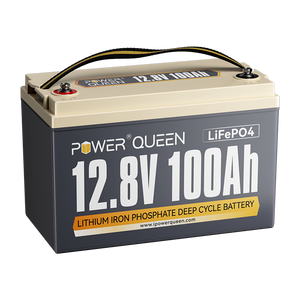
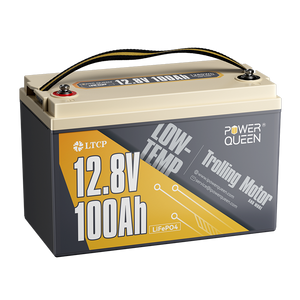
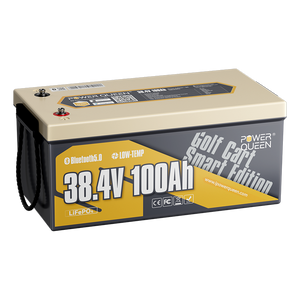
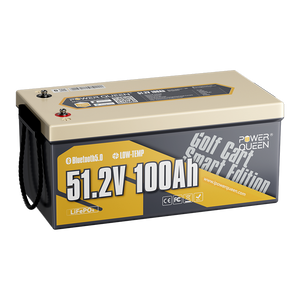
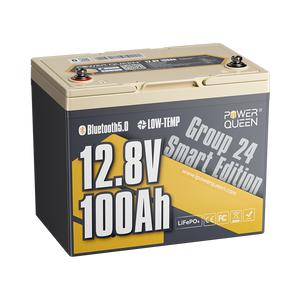
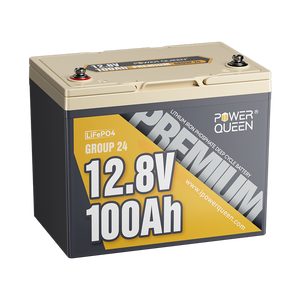
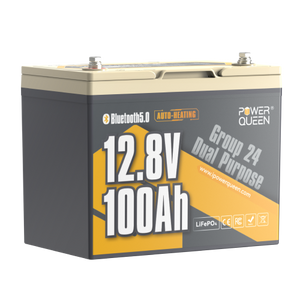
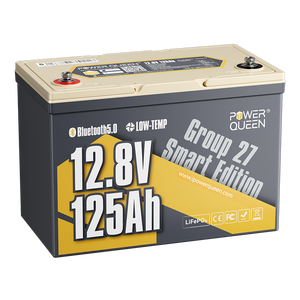
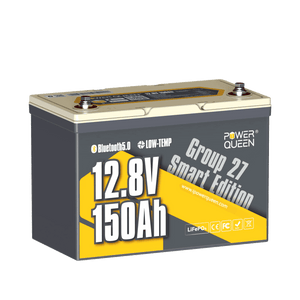
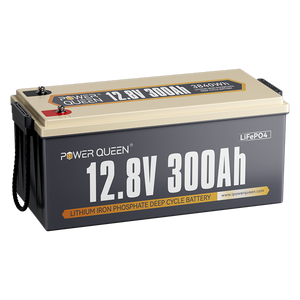
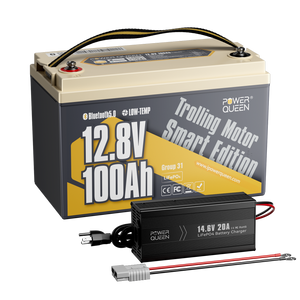
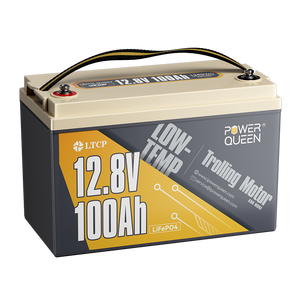
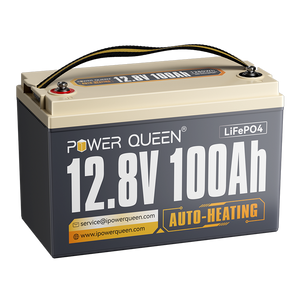
Power Queen, a global leader in LiFePO4 energy solutions, offers Self heating lithium batteries that allow safe charging down to -4°F and can be used once they reach 50°F, with automatic heating activating below 41°F. Even with these features, understanding proper storage conditions helps maintain battery longevity and safety.

Proper Practices for Winter Storage
Maintain a Moderate State of Charge
Keep your battery between 40% and 60% SOC during winter storage. A full charge can accelerate lithium plating, while a fully discharged battery can suffer deep discharge damage. Moderate SOC ensures chemical stability and prolongs battery life, reducing the risk of permanent capacity loss.
Perform Pre-Storage Health Checks
Always inspect your battery before storing it. Check for voltage irregularities and examine the BMS logs for any recorded faults. Ensure that temperature cutoffs and other safety features are functioning properly, because an undetected issue could worsen during weeks of winter storage.
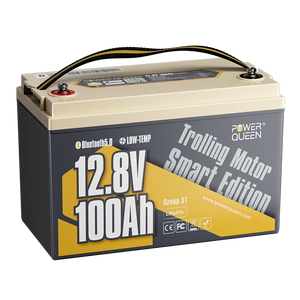
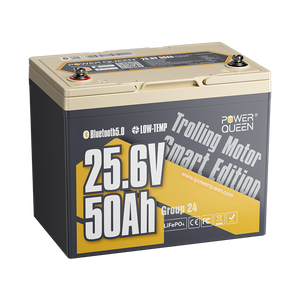
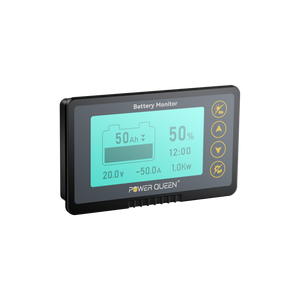
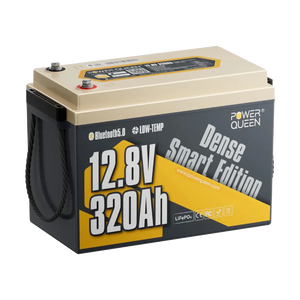
Power Queen’s batteries make this process even easier. With our built-in Bluetooth monitoring, you can quickly access BMS logs, voltage readings, and SOC right from your phone, helping you ensure your battery is fully ready for winter storage.
💡 Recommended reading: What Is a Battery Monitor and Why Do You Need It?
Avoid Temperature Swings and Moisture
Rapid temperature changes and condensation are major threats to winter-stored batteries. Batteries near windows, doors, or uninsulated compartments can experience thermal stress and moisture buildup, which may corrode terminals or internal connections. Always store batteries in a stable, dry environment and avoid placing them directly on cold concrete floors.

Ideal Storage Temperature
Keep Batteries Between 41°F and 68°F
The safest temperature range for LiFePO4 batteries is 41°F to 68°F (5°C to 20°C). Within this range, chemical reactions slow enough to prevent capacity loss while avoiding freezing-related damage.
Short-Term vs. Long-Term Cold Exposure
A brief drop below freezing may be tolerable if the battery is moderately charged, but prolonged exposure to temperatures under 32°F (0°C) can permanently damage cells. Always differentiate between occasional cold snaps and extended winter storage.
Self Heating Batteries and Temperature Misconceptions
Some users assume self heating batteries eliminate the need for temperature-controlled storage. These systems activate heaters only under specific conditions during use or charging. They do not replace proper winter storage practices and should be treated as a performance safeguard rather than a storage solution.
If you want to see how a self-heating system works in real use cases, check out our detailed blog post👉 Do You Need Self-Heating Battery.
Where to Store Lithium Batteries in Winter
Inside the RV Cabin or Insulated Compartments
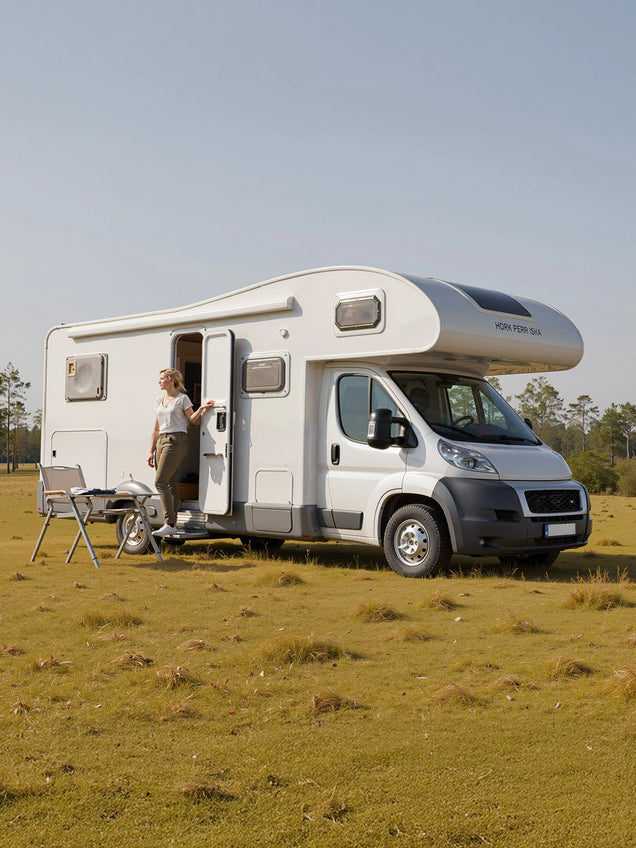
The most reliable storage location for RV owners is an insulated interior compartment. Even when outside temperatures plummet, interior compartments often stay above 40°F, protecting the battery from harmful cold. This applies to both standard and self heating lithium batteries.
Garages, Basements, and Utility Rooms
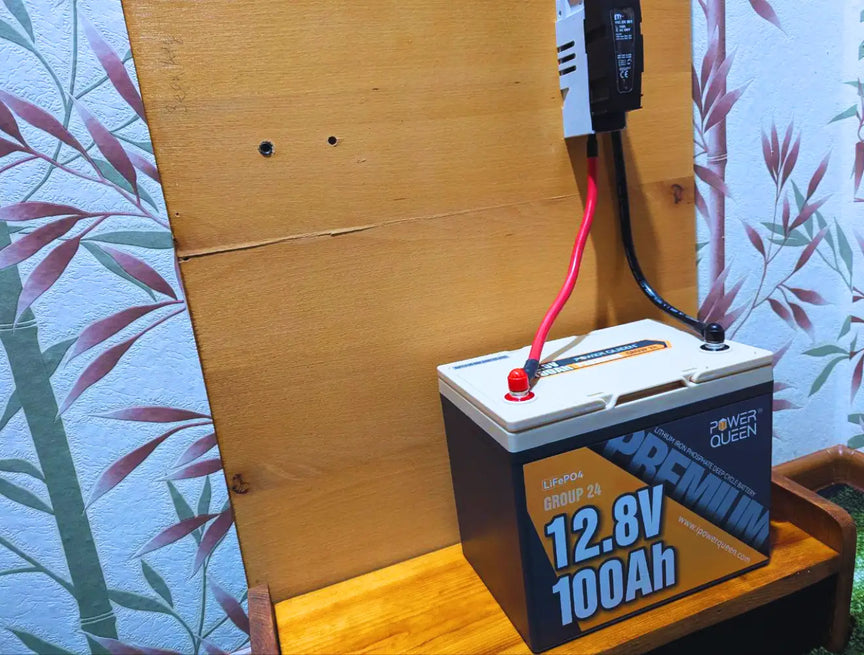
Indoor spaces like garages or basements are safe if temperature and humidity remain controlled. Avoid areas with wide temperature swings or high moisture levels. Using a temperature and humidity monitor can help maintain stable conditions.
Outdoor Storage Options
Outdoor storage is generally riskier but can be managed with insulated enclosures raised from the ground and protected from wind and moisture. Adding thermal blankets or protective casings can help. A table comparing locations clarifies the options:
| Storage Location | Typical Temperature Stability | Moisture Risk | Recommended |
|---|---|---|---|
| RV insulated cabin | 45–65°F | Low | Yes |
| Garage / basement | 40–60°F | Medium | Yes |
| Outdoor shed / patio | 25–45°F | High | Conditional |
Common Mistakes
Mistake 1: Assuming No Charging Equals Safety
Even if a battery is not being charged, winter storage can still cause damage. Chemical aging continues, and an improper SOC or cold environment can shorten battery life.
Mistake 2: Storing Fully Charged Batteries
A full charge in cold weather increases internal stress and the risk of lithium plating. Always store batteries at a moderate charge.
Mistake 3: Relying Solely on Self Heating Batteries
While self heating lithium batteries protect against cold during operation, they cannot compensate for poor storage environments, extended freezing, or inappropriate SOC. Proper storage practices remain essential.
Mistake 4: Assuming Indoor Locations Are Always Safe
Even indoors, unheated garages or poorly insulated rooms may drop below safe storage temperatures. Monitor the environment and avoid locations prone to cold drafts or condensation.
Frequently Asked Questions (FAQs)
Q — Can I charge my lithium battery during winter storage?
It’s safe to charge lithium batteries when done correctly. Keep the battery at 40–60% SOC and within the recommended storage temperature (41–68°F). Power Queen’s self heating lithium batteries allow charging down to -4°F, automatically activating heaters below 41°F.
Q — What happens if my battery is stored fully charged or fully discharged?
Storing a battery fully charged in cold weather increases the risk of lithium plating and internal stress. Fully discharged batteries can suffer deep discharge damage. Keeping the battery at a moderate SOC (40–60%) helps maintain chemical stability and prolong battery life.
Q — Where is the safest place to store a lithium battery in winter?
Ideal storage locations include insulated RV compartments, heated garages, or controlled basements. Avoid uninsulated outdoor areas or spaces with rapid temperature changes and high moisture. Using a temperature and humidity monitor can help maintain stable conditions.
Q — Can lithium batteries survive brief freezing temperatures?
Short dips below 32°F (0°C) are generally tolerable if the battery is moderately charged, but prolonged exposure can cause permanent damage. Always distinguish between brief cold snaps and extended winter storage.
Q — How do I check my battery’s health before winter storage?
Inspect voltage levels, review the Battery Management System (BMS) for fault history, and confirm that temperature cutoffs and safety features are working properly through your battery's Bluetooth APP. Batteries with undetected issues may deteriorate faster during winter storage.
Q — Can indoor locations be assumed safe for winter storage?
Not always. Unheated garages or poorly insulated rooms may still drop below safe storage temperatures. Monitor the environment and avoid locations prone to cold drafts or condensation.
Proper winter storage of lithium batteries combines correct SOC management, stable temperature, humidity control, and understanding the limits of self heating lithium battery systems, which are designed for RV, trolling motor, and home backup applications.
Following these practices ensures LiFePO4 batteries remain safe, reliable, and long-lasting throughout the cold season.
Power Queen designs its family-oriented LiFePO4 batteries with these same principles in mind—strength, care, and sustainable energy solutions—delivering safe and dependable power for RVs, boats, and home backup applications, even in cold winter conditions.