








How to Charge Golf Cart Batteries
The best way to charge golf cart batteries is to use the right charger, charge after regular use, and let the charger finish a full cycle. How to charge golf cart batteries depends on the battery type, pack voltage, and how often the cart is used. A 48 volt lithium golf cart at a Florida retirement community, for example, may need a different charging routine than a 36 volt lead acid cart used on a Midwest public golf course.
A safe charging routine protects battery life, driving range, and cart performance. Most battery problems come from using the wrong charger, letting batteries sit discharged, charging in poor ventilation, or ignoring loose and corroded terminals.
How to Charge Golf Cart Batteries Safely
The safest method is to charge your golf cart in a dry, open, and well ventilated area. Park the cart on level ground, turn the key off, set the parking brake, and switch off lights, speakers, phone chargers, and other accessories before plugging in the charger.
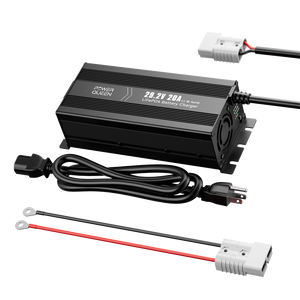
The charger must match the total battery pack voltage. A 36 volt cart needs a 36 volt charger, a 48 volt cart needs a 48 volt charger, and a 72 volt cart needs a 72 volt charger. The charger should also match the battery chemistry, because lead acid, AGM, gel, and lithium batteries do not always use the same charging profile.
Check the Battery Type Before Charging
The first step is to identify whether your golf cart uses flooded lead acid, AGM, gel, or lithium batteries. Lead acid batteries are common in older Club Car, E Z GO, and Yamaha carts, while lithium batteries are popular in newer carts because they are lighter and usually charge faster.
The wrong charger can shorten battery life or damage the battery pack. A lithium battery usually needs a lithium compatible charger, while a flooded lead acid battery needs a charger designed for lead acid charging stages. The U.S. Department of Energy explains that lead acid batteries store and release energy through chemical changes between lead, lead dioxide, and lead sulfate, which is why proper charging is important for battery health.
Inspect Cables and Terminals First
A quick inspection helps prevent poor charging and overheating. Look for loose cables, white or green corrosion, cracked insulation, melted plugs, swollen battery cases, or a strong sulfur smell around lead acid batteries.
A clean connection helps the charger work correctly. If the terminals are dirty, clean them according to the battery manufacturer’s instructions and wear gloves and eye protection. Do not charge a battery that looks damaged or unusually hot.

How to Charge Golf Cart Batteries Step by Step
The correct charging process is simple when the charger and battery pack are compatible. Follow the same routine every time so the batteries receive a complete and stable charge.
| Step | What to Do | Why It Matters |
|---|---|---|
| 1 | Park the cart and turn it off | Prevents power draw while charging |
| 2 | Check battery type and pack voltage | Avoids charger mismatch |
| 3 | Inspect cables and plug | Reduces heat and connection problems |
| 4 | Plug the charger into the cart | Confirms a secure cart connection |
| 5 | Plug the charger into the wall outlet | Starts the charging cycle |
| 6 | Let the charger finish | Prevents undercharging |
| 7 | Unplug from the outlet, then the cart | Reduces plug wear |
| 8 | Check the charge level before driving | Confirms the cart is ready |
A full charging cycle is better than repeated short charging sessions for most lead acid batteries. If you use a golf cart for 18 holes at a local country club or for evening neighborhood driving in Arizona, plug it in after use and allow the smart charger to complete its cycle.
Let the Charger Complete the Cycle
The best result comes from letting the smart charger shut off by itself. Modern golf cart chargers usually stop charging or switch to maintenance mode when the batteries are full.
Unplugging too early can leave the battery pack undercharged. This is especially harmful for lead acid batteries because repeated undercharging can reduce capacity over time. If your cart is used daily on a resort property or campground, a consistent overnight charging routine is usually better than guessing based on the dashboard meter.
Charge After Normal Use
Lead acid golf cart batteries should usually be recharged after each normal use. Letting them sit at a low charge can reduce range and shorten service life.
Lithium golf cart batteries are more flexible with partial charging. Even so, they should still be charged with the correct lithium charger and kept within the battery manufacturer’s recommended range. A lithium cart used for short trips around a Texas lake community may not need a full charge every day, but it should not be stored empty.
How to Charge Golf Cart Batteries by Battery Type
The right charging method depends on the battery chemistry. Each battery type has different charging needs, maintenance needs, and storage habits.
| Battery Type | Best Charger Type | Maintenance Level | Best Charging Habit |
|---|---|---|---|
| Flooded lead acid | Lead acid smart charger | High | Charge fully after use |
| AGM | AGM compatible charger | Low | Avoid deep discharge |
| Gel | Gel compatible charger | Low | Avoid overcharging |
| Lithium | Lithium compatible charger | Very low | Use approved charger only |
How to Charge Lead Acid Golf Cart Batteries
Lead acid batteries should be charged fully after use and maintained regularly. Flooded lead acid batteries need clean terminals, proper water levels, and good ventilation.
Water levels should be checked often, especially during hot weather. Use distilled water only, and do not overfill the cells. If the plates are exposed, add just enough distilled water to cover them before charging, then adjust the level after the battery is fully charged.
How to Charge Lithium Golf Cart Batteries
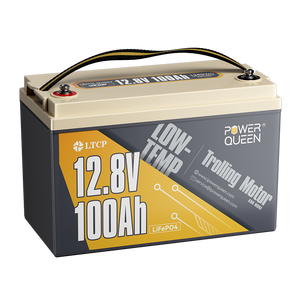
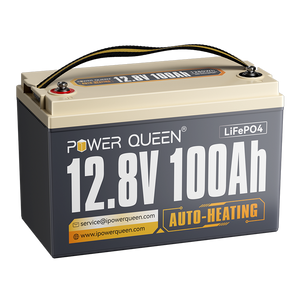
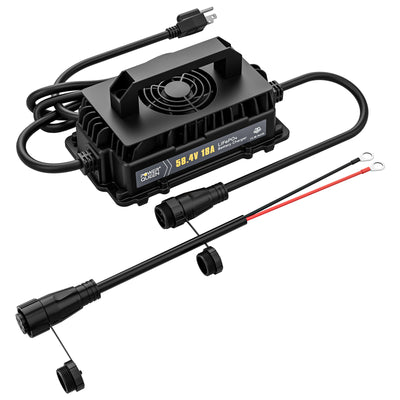
Lithium golf cart batteries should be charged with a lithium compatible charger. These batteries often charge faster than lead acid batteries and usually require less routine maintenance.
Lithium batteries still need safe handling. OSHA states that lithium ion batteries offer strong energy storage characteristics, but safety risks can occur when batteries are damaged, overheated, improperly charged, or exposed to unsafe conditions.
How to Charge AGM and Gel Golf Cart Batteries
AGM and gel batteries need chargers with compatible settings. These sealed batteries are easier to maintain than flooded lead acid batteries, but they can still be damaged by the wrong voltage or charging profile.
Gel batteries are especially sensitive to overcharging. If your charger has battery type settings, choose the correct mode before charging. If the charger does not clearly support AGM or gel batteries, check the battery manual before using it.

How Long Does It Take to Charge Golf Cart Batteries
Charging time depends on battery size, charger output, battery age, and depth of discharge. A lightly used cart may recharge in a few hours, while a deeply discharged lead acid cart may need overnight charging.
| Golf Cart System | Common Battery Type | Typical Charging Time |
|---|---|---|
| 36 volt cart | Lead acid | 6 to 10 hours |
| 48 volt cart | Lead acid | 8 to 12 hours |
| 48 volt cart | Lithium | 3 to 6 hours |
| 72 volt cart | Lithium or lead acid | Varies by charger and battery size |
Older batteries usually take longer to charge. If charging time suddenly becomes much longer than usual, the cause may be a weak battery, a failing charger, dirty terminals, or an unbalanced battery pack.
Charging Time Changes With Use
A deeply discharged battery takes longer to recharge than a lightly used battery. A cart that runs two full rounds on a hilly course will need more charging time than a cart used for a few flat neighborhood miles.
Temperature also affects charging. Extremely hot garages, direct sun, and poor airflow can make charging less efficient and less safe. If batteries become hot to the touch, stop charging and have the system checked.

How to Charge Golf Cart Batteries Without Shortening Life
The best way to extend battery life is to avoid deep discharge, heat, corrosion, and charger mismatch. Battery life is usually shaped more by daily habits than by one single charge.
Do not run the cart until it barely moves. Deep discharge puts extra stress on the battery pack and can reduce future driving range. For lead acid batteries, recharge before the pack gets extremely low.
Keep Terminals Clean and Tight
Clean terminals help the battery pack charge evenly. Corrosion increases resistance, which can cause heat, slow charging, and weak performance.
A simple monthly check can prevent many charging problems. Look for corrosion, loose nuts, damaged cables, and moisture around the battery tray. Fleet managers at U.S. golf courses often schedule battery checks on the same day each week because small problems are easier to fix early.
Avoid Charging in Extreme Heat
A cooler charging area is better for battery health. Heat can speed up battery wear and make charging less efficient.
Do not charge in direct summer sun if you can avoid it. A shaded garage, cart barn, or covered charging bay is usually better. In hot states such as Florida, Texas, and Arizona, ventilation and temperature control matter more than many owners realize.
How to Charge Golf Cart Batteries During Storage
Batteries should be stored with the right charge level. Storage is where many golf cart batteries lose capacity because the cart sits unused for weeks or months.
Lead acid batteries should be fully charged before storage. Check them regularly and recharge as needed so they do not sit discharged. A snowbird leaving a cart in Florida for the summer should not park it with a low battery and ignore it for months.
Store Lithium Batteries According to the Manual
Lithium storage rules vary by battery brand. Many lithium batteries are stored best at a partial charge, but the exact level should come from the battery manufacturer.
Temperature matters during storage. Keep the cart in a dry and moderate location when possible. Avoid long exposure to freezing conditions, extreme heat, or direct sun.
Turn Off Unneeded Power Draws
Small accessories can drain batteries while the cart is parked. USB ports, GPS units, alarms, light kits, and voltage reducers may continue drawing power even when the key is off.
Use the cart’s tow mode, run mode, battery switch, or disconnect procedure according to the owner’s manual. This is especially important for seasonal storage or vacation homes where the cart may sit unused.
Common Mistakes When Charging Golf Cart Batteries
The most common mistake is using a charger that does not match the battery pack. A 12 volt automotive charger is not a proper charger for a 36 volt or 48 volt golf cart pack.
Another common mistake is charging damaged or corroded batteries. If a battery is swollen, leaking, smoking, smelling strongly, or unusually hot, stop using it and have it inspected. Charging should never feel risky or smell abnormal.
Replacing One Old Battery Can Create Problems
Replacing only one battery in an old lead acid pack can create imbalance. The new battery may not charge and discharge the same way as the older batteries.
A full pack test is the better decision before replacing batteries. If several batteries are weak, replacing the whole set may deliver better performance and fewer charging problems than mixing old and new batteries.
Related Blog: Why Won't My Golf Cart Battery Charge?
FAQs
Should I Charge Golf Cart Batteries After Every Use
Yes, lead acid golf cart batteries should usually be charged after every normal use. This keeps the pack from sitting at a low charge and helps maintain driving range.
Lithium batteries do not always need a full recharge after a short trip. Still, they should be kept within the recommended charge range and charged with an approved lithium charger.
Can I Leave My Golf Cart Plugged In Overnight
Yes, overnight charging is usually fine with a modern smart charger. The charger should be designed for your battery voltage and battery type.
Old manual chargers are different. They may not shut off automatically, so they should not be left connected for long periods unless the charger manual says it is safe.
Can I Use a Car Battery Charger on Golf Cart Batteries
No, a regular car battery charger is usually not suitable for a golf cart battery pack. Most car chargers are designed for 12 volt batteries, while golf carts often use 36 volt, 48 volt, or 72 volt systems.
A charger mismatch can damage batteries or fail to charge the pack correctly. Use a charger made for golf cart batteries and the correct pack voltage.
Do Lithium Golf Cart Batteries Need a Special Charger
Yes, lithium golf cart batteries usually need a lithium compatible charger. The charger must match the battery voltage, current limits, and charging profile.
Some lithium batteries may work with certain approved chargers, but you should not guess. Always follow the battery manufacturer’s charging instructions.
Why Are My Golf Cart Batteries Bubbling While Charging
Light bubbling can be normal for flooded lead acid batteries near the end of charging. Heavy bubbling, strong odor, high heat, or leaking is not normal.
Stop charging if the battery appears unsafe. Have the charger, cables, and batteries inspected before using the cart again.
How Do I Know When Golf Cart Batteries Are Fully Charged
A smart charger usually shows a full charge light or stops automatically. The cart’s battery meter can help, but it may not always show the most accurate state of charge.
For a more accurate check, let the battery pack rest after charging and then test voltage according to the battery manufacturer’s guidance. A battery technician can also perform a load test if range has dropped.
Final Thoughts
The right way to charge golf cart batteries is to match the charger, charge in a ventilated area, finish the full cycle, and maintain the pack by battery type. Lead acid batteries need regular charging, water checks, and clean terminals. Lithium batteries need a compatible charger and proper storage habits.
A simple charging routine can save money and prevent downtime. Charge after use, avoid deep discharge, keep connections clean, watch for heat, and store the cart correctly when it is not being used. With these habits, a golf cart battery pack can deliver stronger range, smoother power, and more reliable service.