






Top Backup Batteries for Winter Power Outages in Cold Weather
In late January, utilities nationwide are ramping up preparations for Winter Storm Fern, which is expected to deliver extreme cold, heavy snow, and hazardous ice from the Southwest to the Mid-Atlantic and up into the Northeast.
Backup batteries are one of the most reliable ways to stay safe and comfortable during winter power outages in cold weather. When winter storms bring snow, ice, and freezing temperatures, the power grid can fail for hours or even days, and backup batteries help keep heat support, food storage, and communication running. For many U.S. households, choosing the right backup batteries is the difference between riding out a storm safely and facing serious disruption.
This guide explains how backup batteries work in winter, which battery configurations are best suited for cold climates, and how to choose the right option based on real-world winter risks.
Why You Need Backup Batteries for Winter Power Outages
Backup batteries are critical during winter power outages because electricity loss quickly becomes a safety issue in cold weather. When power goes out, heating systems, WiFi, medical devices, and phone charging often fail at the same time, while indoor temperatures can drop faster than expected. Backup batteries provide immediate power so households can stabilize essential needs first and manage energy use as the outage continues.
According to Ready.gov, winter storms are one of the leading causes of extended power outages in the United States, often lasting longer due to hazardous repair conditions and limited access during severe weather.
For a broader winter preparedness framework that includes power priorities and planning before storms hit, this winter storm emergency checklist offers practical guidance for households preparing backup power in advance.
How Cold Weather Affects Battery Performance
Backup batteries behave differently in cold weather, which is why winter planning must go beyond basic capacity numbers. Low temperatures slow the chemical reactions inside batteries, reducing usable energy and limiting charging in unheated spaces such as garages, sheds, RV compartments, or outdoor enclosures.
Educational research from Battery University explains that battery performance and usable capacity decrease in low temperatures due to slowed chemical reactions inside the cells. Understanding these limits helps prevent common winter failures such as unexpected shutdowns or charging lockouts.
| Temperature | Effect | Recommended Action |
|---|---|---|
| Around 32 °F / 0 °C | Capacity drops 20–30% | Expect shorter runtime, avoid high loads |
| Below 32 °F / 0 °C while charging | Risk of lithium plating | Warm battery above minimum charging temperature |
| Discharge in extreme cold | Usable capacity reduced | Use conservative loads, monitor voltage |
| Long-term cold storage | Possible permanent capacity loss | Store at 41–68 °F / 5–20 °C, keep SOC 40–60% |
A deeper explanation of lithium battery behavior, storage tips, and cold-weather precautions is available in this detailed guide to lithium batteries in cold weather.

Top LiFePO4 Backup Batteries to Consider
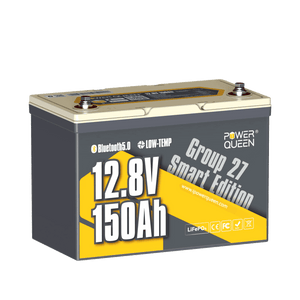
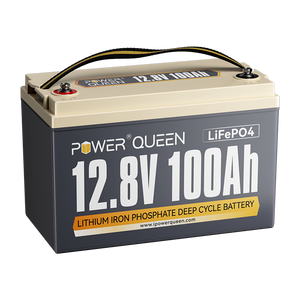
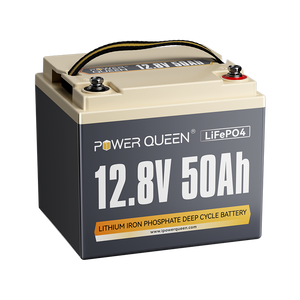
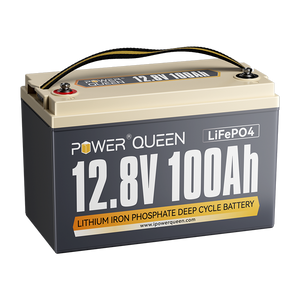
Backup batteries built on LiFePO4 technology are well suited for winter power outages because they deliver stable output, long service life, and predictable performance. Compared with older battery types, LiFePO4 batteries are designed for repeated use and maintain consistent voltage across a wide range of operating conditions.
The U.S. Department of Energy notes that lithium-based batteries are increasingly used for residential backup power because of their efficiency, durability, and suitability for home energy storage systems. The key is matching the battery type to the winter scenario you actually face, whether that means cold exposure, long outages, high-demand loads, or whole-home backup.
💡 Learn More: AGM vs Lithium Ion Backup Batteries: Why Some Systems Lose Power at 50%
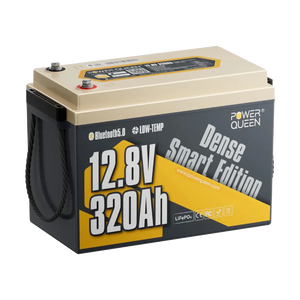
12V 280Ah Lithium Backup Battery
Low-Temperature Cut-Off Protection for Freezing Winter Conditions
Backup batteries using a 12V 280Ah lithium battery solve one of the most common winter power outage problems: batteries that stop working or get damaged when temperatures drop. During winter storms, many homeowners discover too late that their battery cannot charge, shuts down unexpectedly, or loses capacity in freezing conditions.
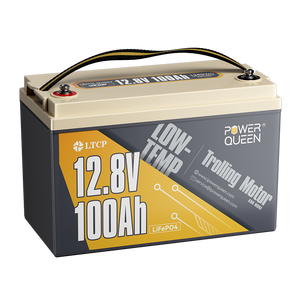
This battery includes low-temperature cut-off protection to prevent those failures. Charging automatically stops at 0°C (32°F) and safely resumes at 5°C (41°F) once conditions improve. Discharging is cut off at −20°C (−4°F), protecting the battery from unstable output or sudden shutdowns during extreme cold nights.
For users in cold-weather states such as Michigan, Wisconsin, and Colorado, where backup batteries are often stored in unheated garages or sheds, these protections remove much of the winter risk. The 12V 280Ah lithium backup battery is designed for real-world cold environments, making it a dependable choice for winter power outages, off-grid cabins, and RV use.

12V 300Ah LiFePO4 Backup Battery
Extended Runtime for Long Winter Power Outages
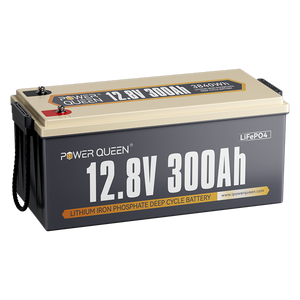
Backup batteries using a 12V 300Ah LiFePO4 battery address a different winter concern: running out of power before the outage ends. During winter storms, outages often last overnight or extend across multiple days, forcing households with smaller batteries to constantly shut devices off to conserve energy.
With higher usable capacity, this battery allows essential loads to run longer without aggressive power management. Heating support, refrigerators, medical equipment, and communication devices can remain operational during cold nights when energy demand is highest. This reduces stress and eliminates the need to constantly check remaining battery levels.
For households in snow-prone regions such as northern Minnesota, upstate New York, or parts of the Rocky Mountains, where restoration times are often unpredictable, a 12V 300Ah LiFePO4 backup battery provides valuable breathing room during extended winter power outages.
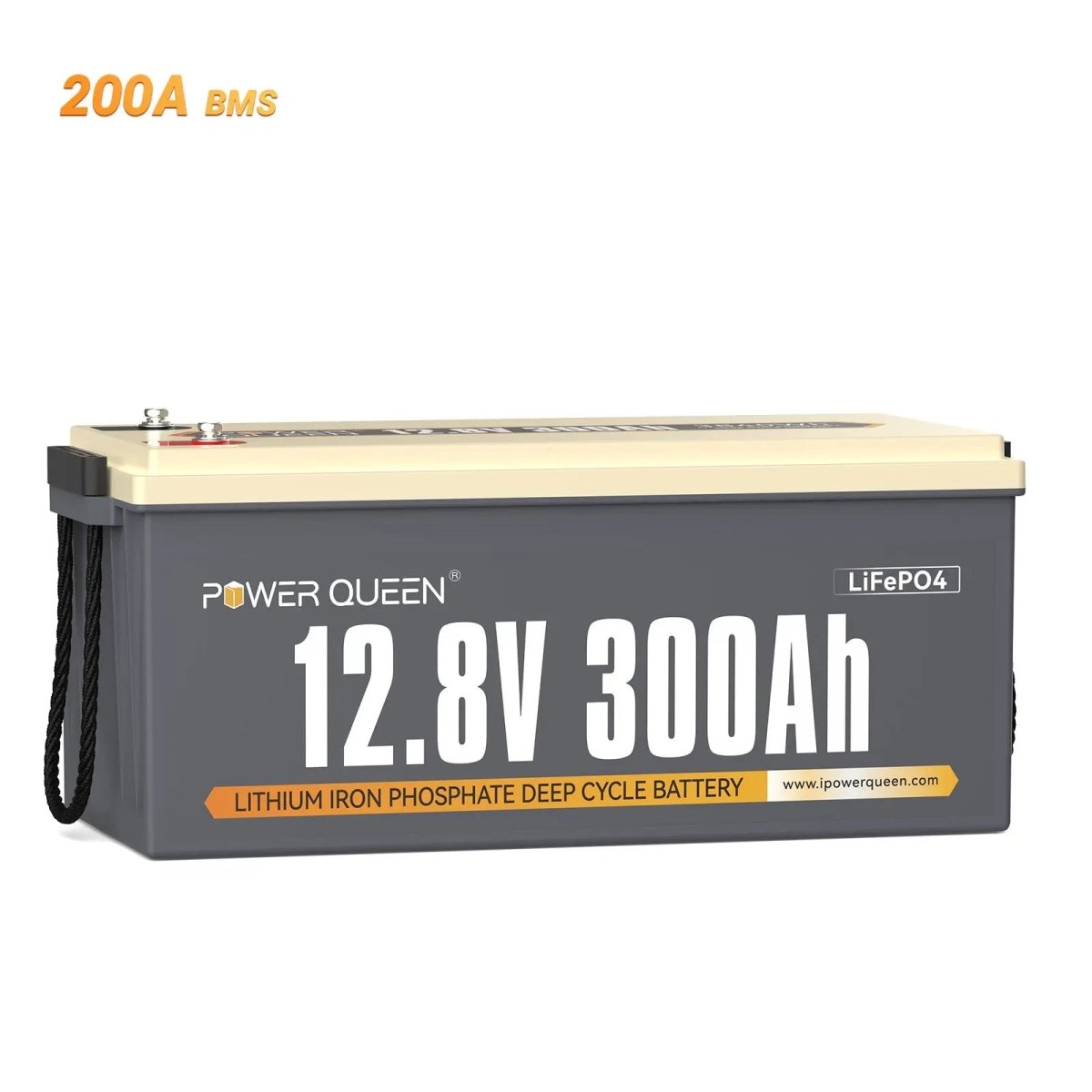
24V 100Ah LiFePO4 Backup Battery
Improved System Stability and Efficiency in Cold Weather
Backup batteries using a 24V configuration solve a system-level winter problem: instability caused by high current and energy loss. In cold weather, inefficient systems drain batteries faster and are more likely to trigger inverter faults or unexpected shutdowns.
By operating at a higher voltage, a 24V 100Ah LiFePO4 backup battery reduces current flow and improves overall system efficiency. More of the stored energy becomes usable during a winter outage, especially when multiple essential appliances are running at the same time. The result is a more stable backup system that performs consistently under load.
This setup is well suited for homeowners using inverters, hybrid systems, or solar-assisted backup systems who want reliable winter performance without excessive system strain.
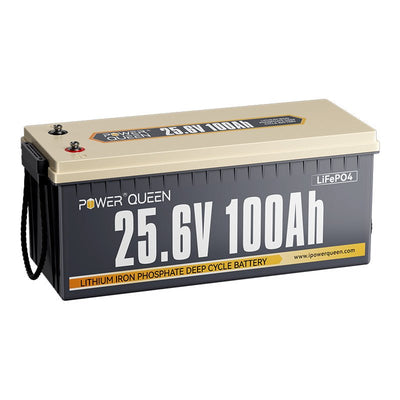
36V 100Ah Lithium Backup Battery
Reliable Power for High-Demand Loads During Winter Storms
Backup batteries using a 36V 100Ah lithium battery are designed for high-demand winter loads that cannot tolerate voltage drops. Well pumps, larger heating systems, and workshop equipment are often the first to fail during outages when power delivery becomes unstable.
The higher voltage provides stronger and more consistent output, reducing the risk of equipment shutdowns during cold-weather operation. This makes the battery especially useful for properties where critical systems draw significant power and must continue operating in freezing conditions.
For off-grid homes or workshops in colder regions, a 36V 100Ah lithium backup battery delivers dependable winter performance while reducing stress on the overall system.
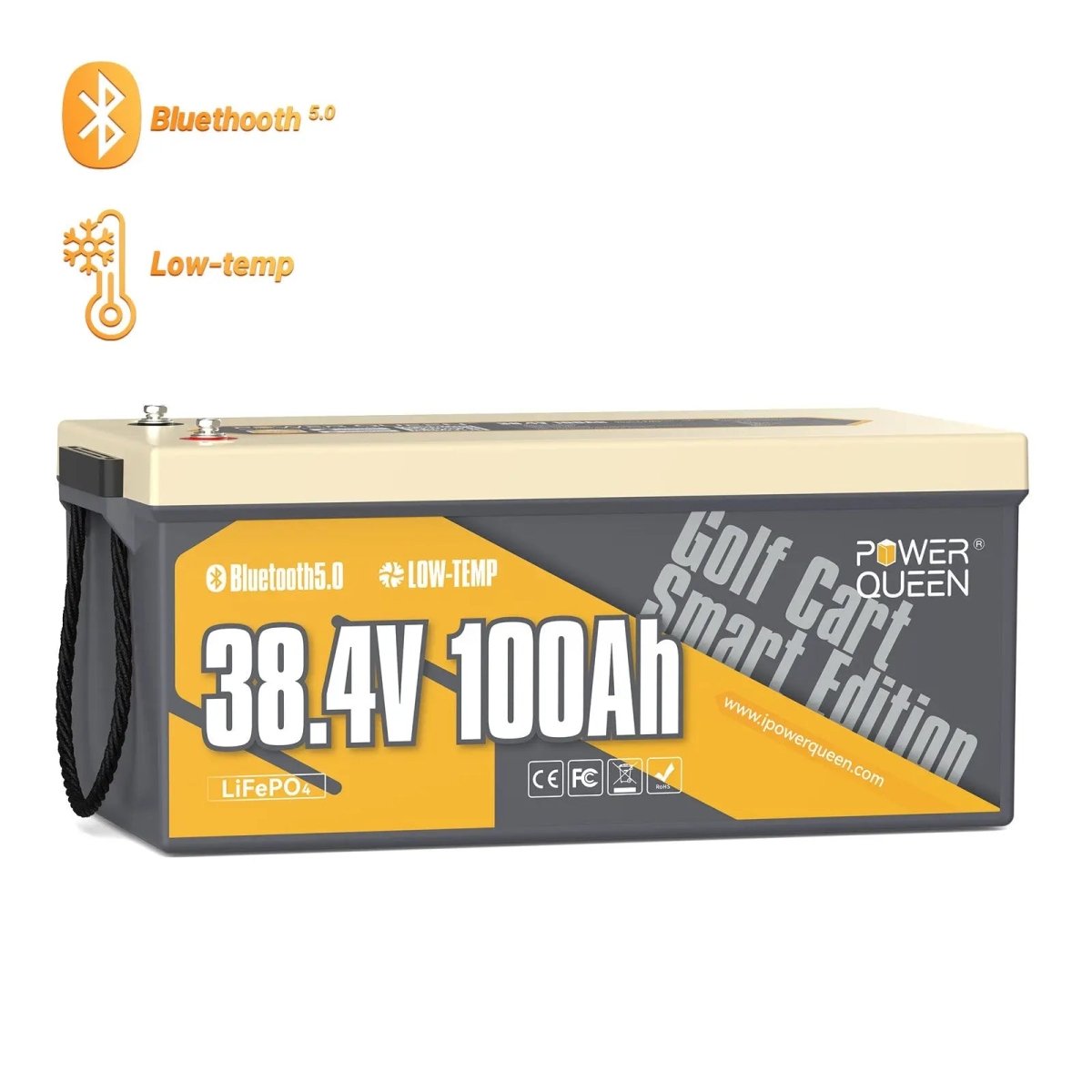
48V 100Ah LiFePO4 Backup Battery
Whole-Home Backup Power for Severe Winter Outages
Backup batteries using a 48V 100Ah LiFePO4 battery address the biggest winter power outage concern: keeping the entire home functional when the grid is down. In cold climates, partial power is often not enough. Heating systems, kitchen appliances, lighting, and electronics need to operate together to maintain safety and comfort.
This configuration supports large inverters capable of powering multiple circuits simultaneously. The higher voltage improves efficiency and scalability, allowing homeowners to expand capacity without redesigning the entire system. During multi-day winter power outages, this setup delivers stable, grid-like performance.
For families in regions that regularly experience severe winter storms, such as New England or the Upper Midwest, a 48V 100Ah LiFePO4 backup battery provides long-term winter security and peace of mind.
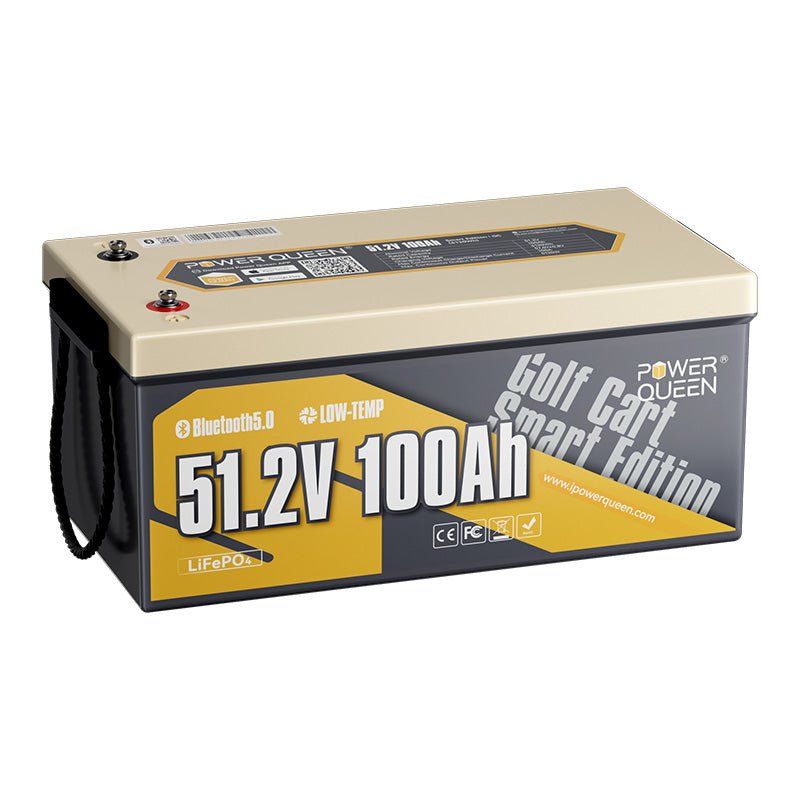
Backup Batteries Decision Guide for Winter Power Outages
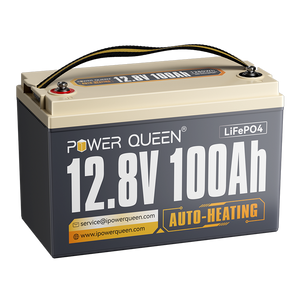
Choosing backup batteries for winter power outages starts with identifying the problem you want to avoid. If cold exposure and charging limits are your biggest concern, self-heating is essential. If outages often last multiple days, higher capacity matters more. If system stability under load is the priority, higher-voltage configurations reduce strain. For whole-home coverage, 48V systems offer the most scalable solution.
Lithium batteries are gifts that keep giving, powering holiday adventures, off-grid setups, and everyday needs. With advanced features, proven durability, and smart monitoring, Power Queen lithium batteries make holiday practical, reliable, and truly memorable.
Backup Batteries in Real Winter Outage Scenarios
Backup batteries prove their value when real power outages occur, especially in regions with fragile grids. In one documented case, a homeowner in Puerto Rico, a U.S. territory known for frequent and prolonged outages, built an emergency backup system to keep essential devices running when the grid failed.
During an outage, the system continued powering lights, communication equipment, and critical appliances without fuel handling, noise, or indoor safety concerns. This real-world example shows how backup batteries can provide reliable, low-maintenance power when grid restoration is uncertain.
💡 You can read the full story here: Pedro Costa's emergency power backup system.
Conclusion
Backup batteries are a practical and reliable solution for winter power outages in cold weather. Winter storms place unique stress on homes and energy systems, making battery chemistry, temperature protection, capacity, and system voltage especially important. By selecting backup batteries that match real winter conditions, households can avoid common failures and maintain safety and comfort when the grid goes down.
With proper planning and the right backup batteries, winter power outages become manageable rather than disruptive, even in the coldest regions of the United States.
FAQs
Can I charge backup batteries during winter power outages?
You can charge backup batteries during winter outages if a charging source such as solar panels or a generator is available and the battery temperature is within its safe charging range. Many lithium batteries with low-temp cut-off protection stop charging automatically at freezing temperatures to prevent damage.
Where should backup batteries be stored in cold climates?
Backup batteries should be stored in insulated or semi-protected areas such as basements, utility rooms, or temperature-buffered garages. In cold climates, avoiding direct exposure to outdoor freezing temperatures helps maintain performance and extend battery life.
💡 Read More:How to Store Lithium Batteries Safely in Cold Weather
How long can backup batteries power a home during a winter outage?
Backup battery runtime depends on battery capacity, system voltage, and energy usage. Smaller systems may power essentials for several hours, while higher-capacity or whole-home systems can support critical loads for one or multiple days during winter power outages.
Using a 12V 280Ah lithium battery for emergency lighting provides a rated capacity of about 3.36 kWh. After accounting for typical usable depth of discharge and conversion losses, the usable energy is approximately 2.7 kWh.
With a 60W LED emergency lighting load, the system can typically run for around 45 hours. With a 100W load, runtime is approximately 27 hours. Lower power consumption results in longer backup runtime.
Are backup batteries safer than generators for winter use?
Yes, backup batteries are generally safer for winter use because they operate silently, produce no exhaust, and can be used indoors. Unlike fuel-powered generators, they do not require ventilation or refueling during severe winter conditions.
What size backup battery is best for winter power outages?
The best backup battery size depends on your winter risks and energy needs. Lower-capacity batteries are suitable for short outages and essential devices, while higher-capacity or higher-voltage systems like 48V 100Ah LiFePO4 Backup Battery are better for extended outages or whole-home backup in cold regions.