









Winter Storm Power Outages: Complete Emergency Checklist & Backup Power Tips
Winter storm power outages can happen suddenly, but knowing how to prepare makes all the difference. During the Midwest snowstorm on November 29, 2025, over 71,000 homes across Wisconsin, Michigan, and Indiana lost power, and 518 flights were canceled in Chicago alone.
In this article, we’ll guide you through winter storm power outages, showing how to build a blizzard emergency kit, prepare your home, use backup power safely, and recover smoothly after the lights come back on.
Why Winter Storms Cause Power Outages
The U.S. power grid is vulnerable, and extreme weather can easily cause outages. Aging infrastructure and decades of underinvestment make systems less resilient to snow, ice, and high winds. Falling trees, ice accumulation, and overloading during cold snaps are frequent causes of winter power outages.
Even areas not typically known for snow, such as Texas and Kentucky, have experienced winter outages due to grid strain during extreme cold. Understanding these risks is essential for homeowners and outdoor enthusiasts who rely on continuous power for safety and comfort.

How to Build a Blizzard Emergency Kit
A well-prepared blizzard emergency kit ensures survival and comfort during power loss. Emergency kits should cover at least three days per person and include food, water, warmth, light, and essential supplies.
Blizzard Emergency Kit: Essential Items for Winter Storm Power Outages
| Item Category | Examples | Purpose |
|---|---|---|
| Food & Water | Canned goods, energy bars, dried fruit, 1 gallon water/person/day | Nutrition and hydration |
| Warm Clothing | Hats, gloves, thermal layers, blankets, sleeping bags | Retain body heat |
| Light & Communication | Flashlights, battery-powered lanterns, hand-crank radio, phone chargers | Stay informed and visible |
| First Aid & Medication | First-aid kit, essential medications | Health and emergencies |
| Cooking | Propane camping stove or portable grill, fuel (outdoor use only) | Prepare hot meals |
| Hygiene | Hand sanitizer, wet wipes, toilet paper | Personal hygiene |
| Tools & Safety | Multi-tool, thermometer, duct tape, matches/lighters | Repairs and emergencies |
Regularly checking and updating your kit ensures all items remain usable and safe.
How to Prepare Your Home
Sealing and insulating your home reduces heat loss and protects your plumbing. Drafts around windows and doors allow valuable heat to escape, increasing risk of frozen pipes and cold stress. Closing off unused rooms and insulating exposed pipes helps maintain warmth where it is needed most.
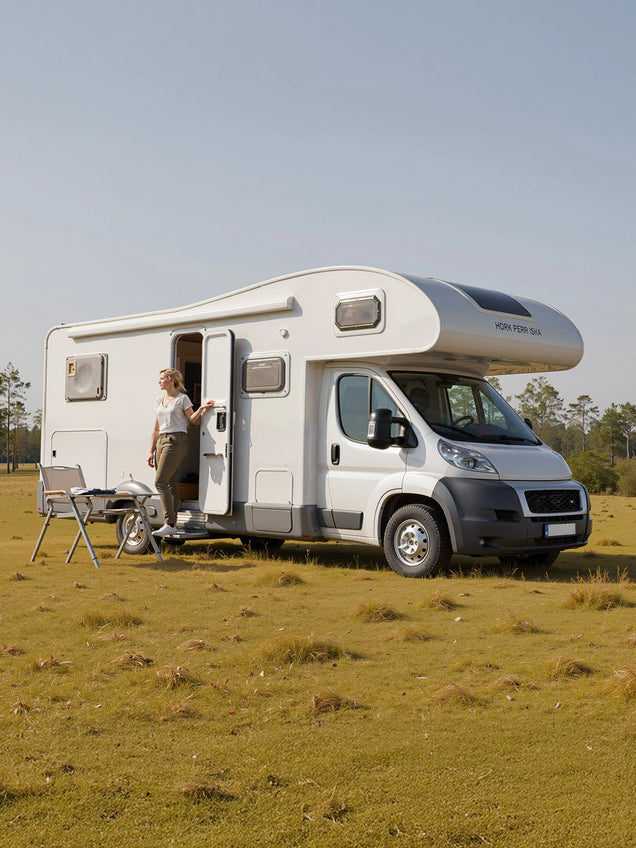
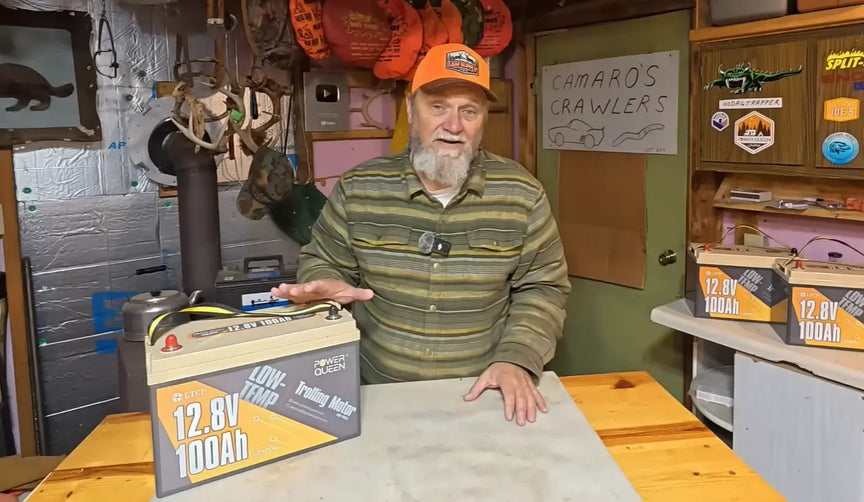
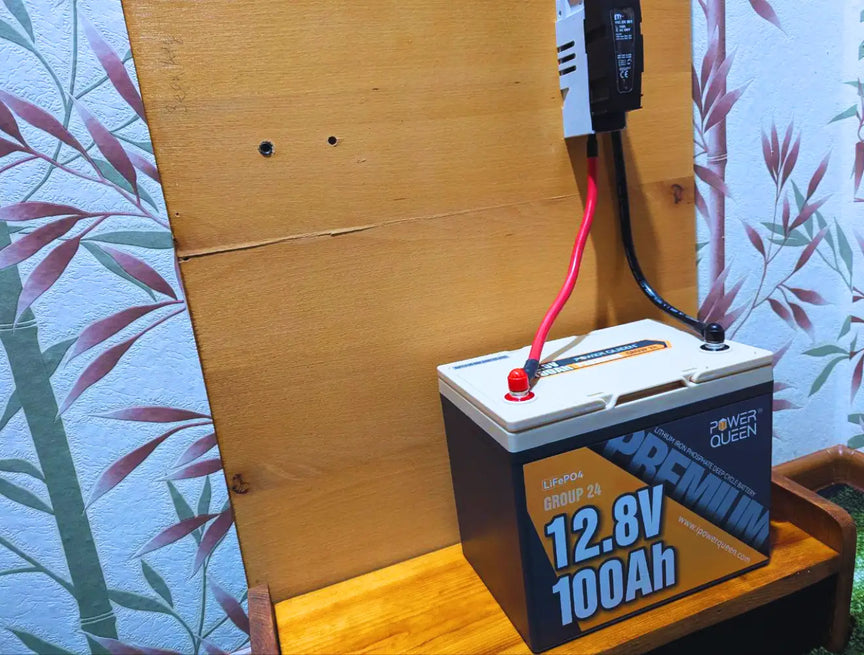
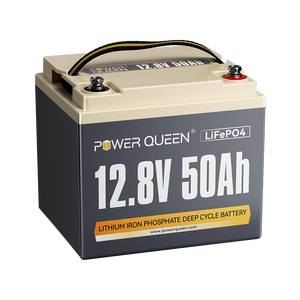
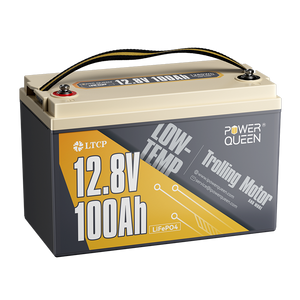
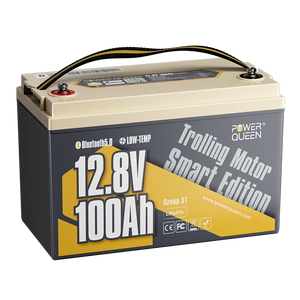
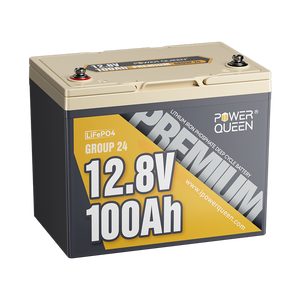
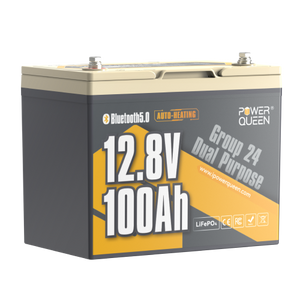
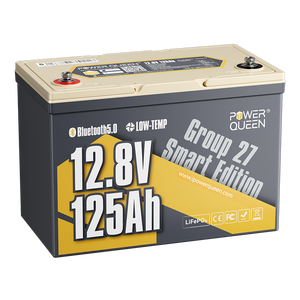
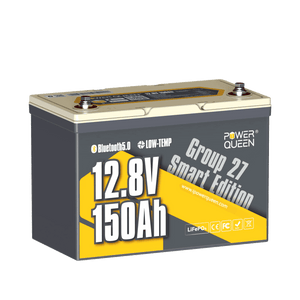
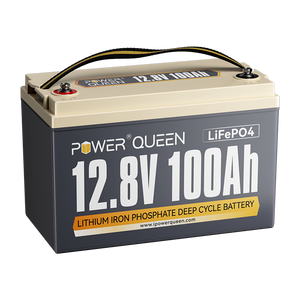
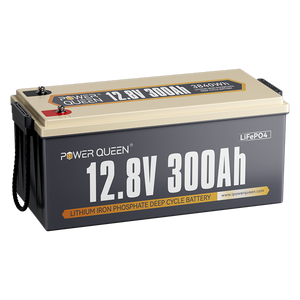
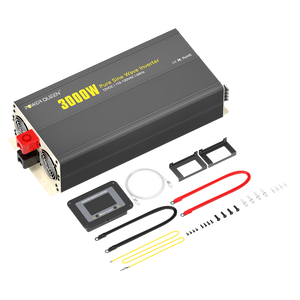
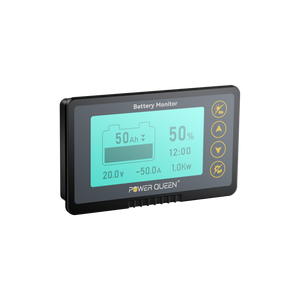
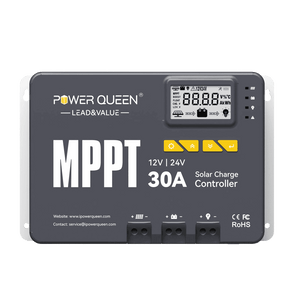
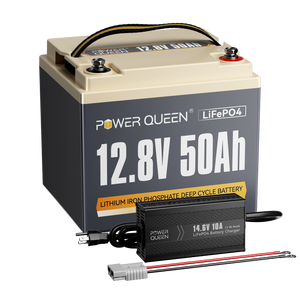
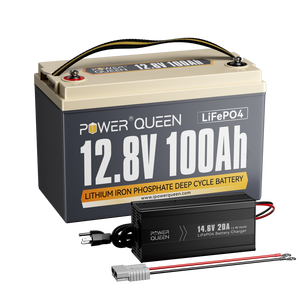
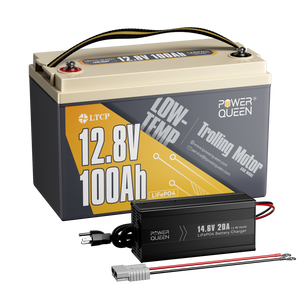
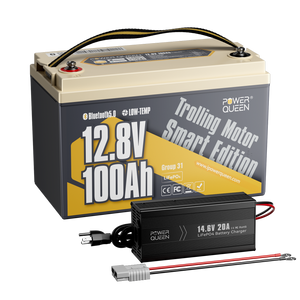
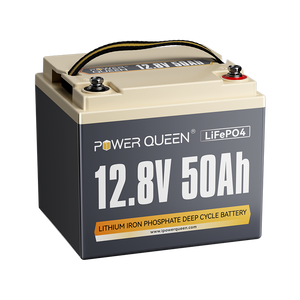
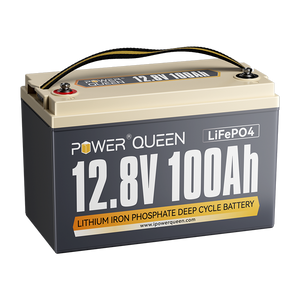
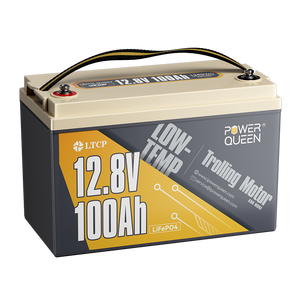
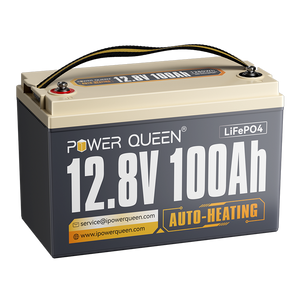
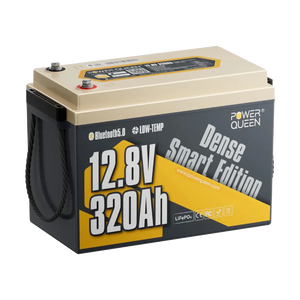
Generators and battery backups require safe operation. Always run generators outdoors, away from windows and vents, and avoid using gas stoves or ovens for heating. Ensure carbon monoxide detectors are functional. Power Queen US—the global leader in LiFePO4 energy solutions—offers batteries that can serve as safe, quiet backup power for homes and vehicles during winter storms.
With winter outages becoming increasingly unpredictable, many homeowners are now choosing a dedicated lithium backup system as part of their emergency setup.
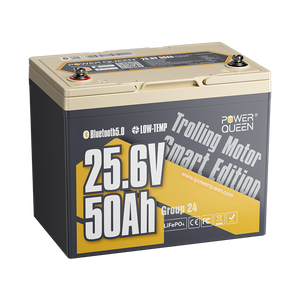
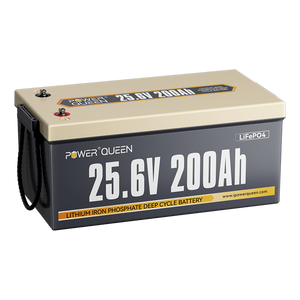
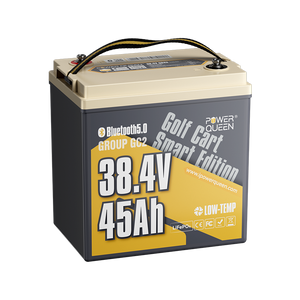
Power Queen’s LiFePO4 batteries offers reliable options for different household needs—from compact 12V batteries for essential devices to higher-capacity 24V and 48V systems built for whole-home backup. These batteries deliver stable power in cold weather, support heaters, communications, lighting, and RV essentials, and provide a safer, low-maintenance alternative to gas generators.

Power Queen 12V 280Ah
Designed for cold climates and extended off-grid use. Perfect for home backup and RVs.
Learn More
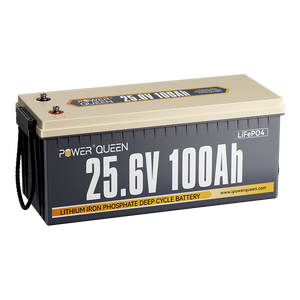
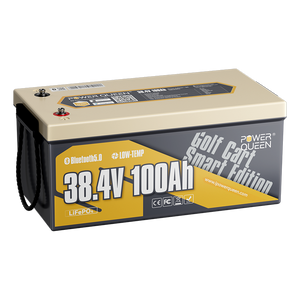
Power Queen 24V 100Ah
Compact backup solution for small systems, including routers, lights, and lightweight devices.
Learn More
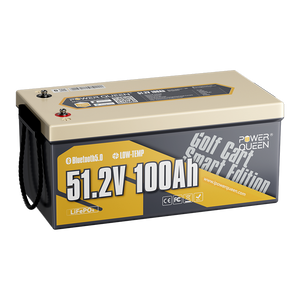
Power Queen 48V 100Ah
High-voltage solution for larger home systems. Provides long-lasting power for multiple devices.
Learn MoreHow to Stay Safe During an Outage
Prioritize safety and conserve resources to get through the outage comfortably.
Keep refrigerator and freezer doors closed to maintain temperature and prevent food spoilage. Instead of candles, use battery-powered lights to reduce fire risk. Layer clothing and blankets, and gather family members in insulated spaces to retain body heat.
Stay informed with battery-powered or hand-crank radios, and avoid unnecessary travel on icy roads. Monitor yourself and loved ones for signs of hypothermia or frostbite.
What to Do After Power Is Restored
Check your home and supplies carefully once electricity returns. Unplug sensitive electronics to avoid damage from power surges. Inspect perishable foods, discarding items above 40°F for more than two hours. Examine plumbing and heating systems for leaks or damage. Replenish emergency kits and backup batteries to prepare for future storms.
Frequently Asked Questions
Q1: Can winter storms cause power outages in Kentucky?
Answer: Yes. Kentucky power outages winter weather events happen when ice, snow, or cold snaps damage the grid. Keeping an emergency kit and backup power ready can reduce risk and discomfort.
Q2: Are Texas winter storms a real threat to power supply?
Answer: Absolutely. Texas winter storm power outages can occur unexpectedly during rare freezes. Backup batteries like Power Queen 12V 280Ah Low-Temp Lithium Battery help keep essential devices running safely.

Q3: What should a blizzard emergency kit include?
Answer: Include at least three days of food and water, warm clothing and blankets, lighting, first-aid supplies, and communication tools. Using a checklist ensures nothing is forgotten.
Q4: How can I safely use backup power during outages?
Answer: Indoor LiFePO4 batteries, such as Power Queen 24V 100Ah lithium battery or 48V 100Ah LiFePO4 battery, provide quiet and safe energy. Always follow manufacturer instructions and never connect batteries to incompatible devices.
Q5: What are common mistakes during winter outages?
Answer: People often ignore mental well-being, fail to check backup power, or let emergency kits run low. Proper planning prevents stress and hazards.
Q6: How should I handle my home after power returns?
Answer: Unplug electronics to avoid surges, inspect perishable foods, check plumbing and heating, and restock emergency kits and backup batteries for next time.
Summary
Winter storm power outages are inevitable, but preparation makes them manageable. From the Midwest snowstorm in November 2025 to infrastructure challenges in Texas and Kentucky, the threat is real. A complete emergency kit, home preparation, safe backup power, and attention to mental well-being ensure families remain safe and warm.
Power Queen—the global leader in LiFePO4 energy solutions—offers LiFePO4 batteries, ideal for home backup, RVs, and outdoor applications. With proper planning and reliable energy solutions, winter storms can be navigated safely and comfortably.