









How to Prepare for a Winter Power Outage
A winter power outage is the loss of electricity during cold weather, and it becomes dangerous far faster than many people expect. During a winter power outage, heating systems stop working, indoor temperatures fall, and access to food, light, and information becomes limited within hours. In many parts of the United States, winter power outages are predictable seasonal events rather than rare emergencies.
A winter power outage is especially risky because cold amplifies every other problem. When electricity goes out, most modern heating systems shut down completely, even if fuel is available. Homes that are not prepared can reach unsafe temperatures overnight during severe cold.
Preparation matters because most winter power outage injuries are preventable. When households plan ahead, they reduce heat loss, avoid unsafe heating decisions, and respond calmly instead of reacting under pressure.
What a Winter Power Outage Is and Why Preparation Matters
What Defines a Winter Power Outage in the United States
A winter power outage occurs when electrical service is disrupted during freezing or near-freezing conditions. These outages are commonly caused by snowstorms, ice accumulation, freezing rain, or extreme cold that damages power lines and substations.
In the United States, winter storms often lead to longer outages because ice-covered roads, fallen trees, and ongoing weather hazards slow repair efforts. This makes advance preparation essential.
Why a Winter Power Outage Is More Dangerous Than Other Power Outages
A winter power outage is more dangerous because heat is a basic safety requirement, not a convenience. Unlike summer outages, where discomfort is the primary concern, winter outages can lead to hypothermia and medical emergencies.
Cold indoor temperatures increase strain on the heart and respiratory system, especially for older adults, young children, and people with chronic conditions. These risks rise quickly when power remains out overnight.
How Early Preparation Reduces Risks During a Winter Power Outage
Early preparation reduces risk by buying time and preventing mistakes. Homes that retain heat stay safer longer, and families that understand safe heating practices are less likely to resort to dangerous solutions.
Preparation also reduces the need for risky travel during winter storms, when road conditions are poor and emergency services may be delayed.

How to Prepare Your Home Before a Winter Power Outage
Preparing your home before winter is the most effective way to reduce danger during a winter power outage. A home that holds heat well provides a critical buffer when electricity is lost. Even small improvements can significantly slow heat loss.
Home preparation should focus on insulation, air sealing, and understanding how your heating system behaves without power.
How Home Insulation Affects Safety During a Winter Power Outage
Insulation determines how quickly a home loses heat during a winter power outage. Well-insulated homes can remain above freezing for much longer, reducing the risk of frozen pipes and cold-related illness.
Attics, basements, and exterior walls are especially important. Heat naturally rises, so adequate attic insulation plays a major role in maintaining indoor temperatures.
How to Reduce Heat Loss Before a Winter Power Outage Begins
Reducing heat loss starts with sealing drafts. Gaps around doors, windows, vents, and utility openings allow cold air to enter continuously during a winter power outage.
Weather stripping, caulking, door sweeps, and insulated curtains are affordable upgrades that make a noticeable difference. Planning ahead to close off unused rooms also reduces the area that must stay warm.
How to Prevent Frozen Pipes During a Winter Power Outage
Preventing frozen pipes begins with identifying vulnerable plumbing. Pipes located along exterior walls, in crawl spaces, or in unheated basements freeze first when temperatures drop.
Insulating exposed pipes and knowing how to shut off your home’s water supply can prevent major damage. During an outage, opening cabinet doors under sinks and concentrating warmth near plumbing areas can help reduce freezing risk.

What Supplies You Actually Need for a Winter Power Outage
A winter power outage supply plan should support at least 72 hours without electricity. The goal is stability, not comfort. When basic needs are met, families can focus on safety instead of improvisation.
For readers who want a more detailed planning reference, this winter storm power outage emergency checklist offers a comprehensive overview of supplies, safety steps, and backup power considerations in one place.
How Much Water and Food to Store for a Winter Power Outage
Water is the most critical supply during a winter power outage. Each person should have at least one gallon of water per day for drinking and basic hygiene. In cold climates, stored water should be kept indoors to prevent freezing.
Food supplies should be shelf-stable and easy to eat without cooking. Canned foods, dry goods, and ready-to-eat items reduce dependence on heat sources that may not be available.
What Lighting and Backup Power Supplies Matter in a Winter Power Outage
Safe lighting reduces injury and fire risk during a winter power outage. Flashlights and battery-powered lanterns provide reliable visibility without open flames.
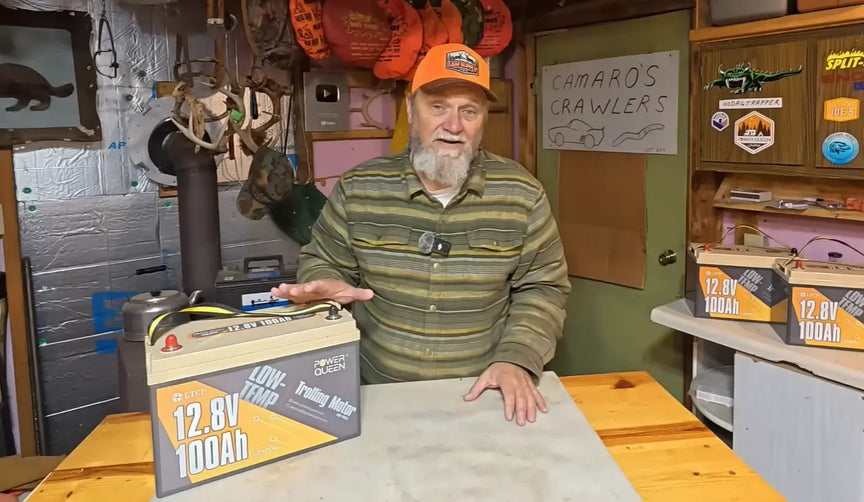
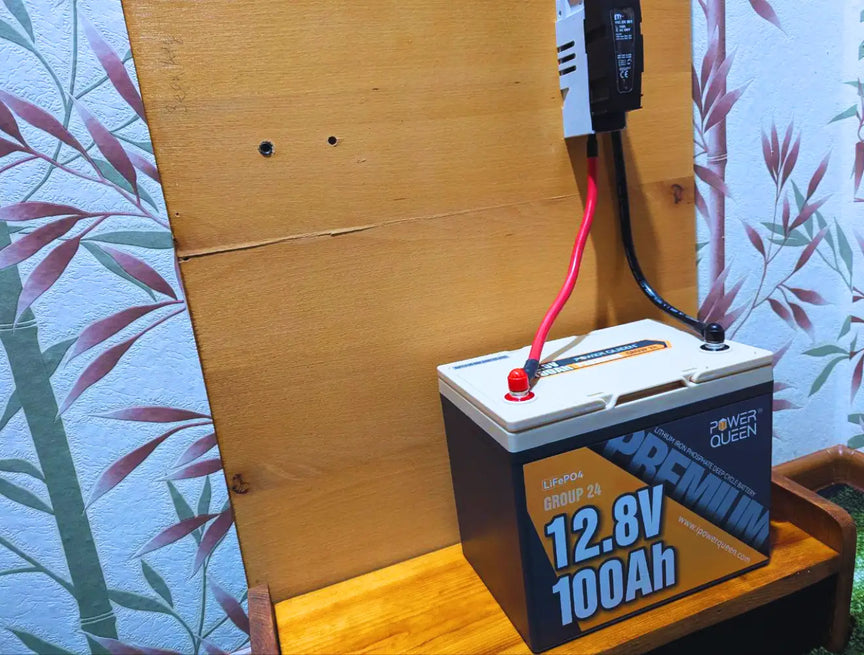
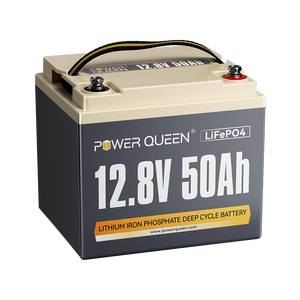
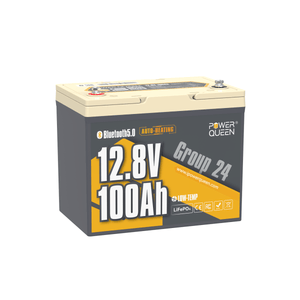
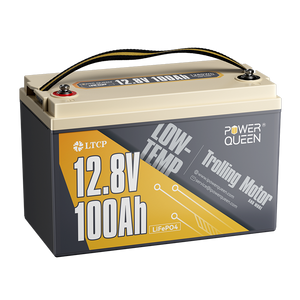
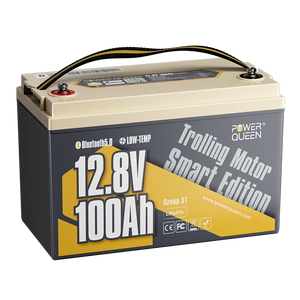
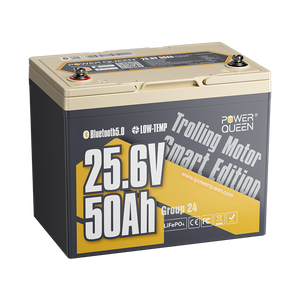
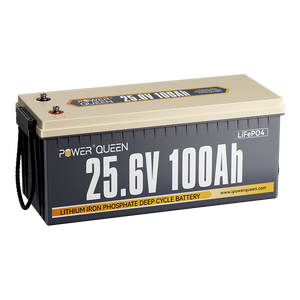
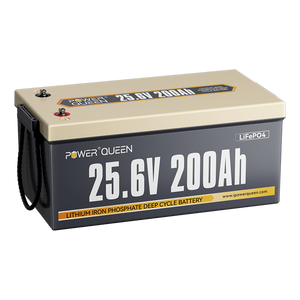
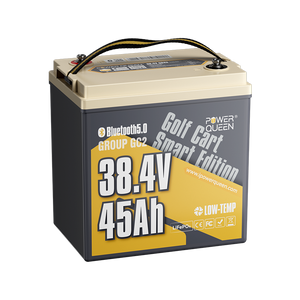
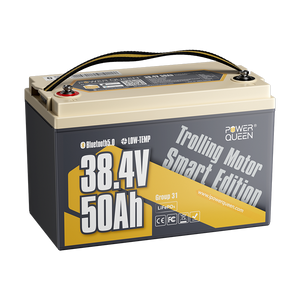
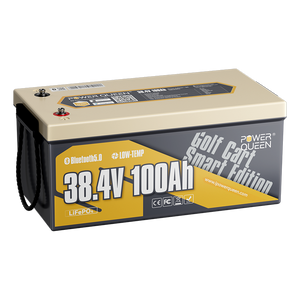
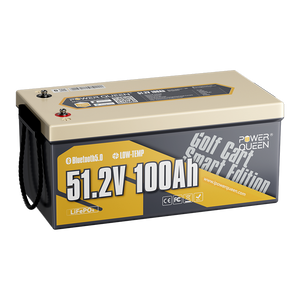
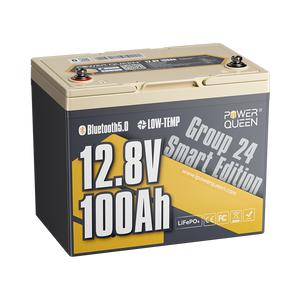
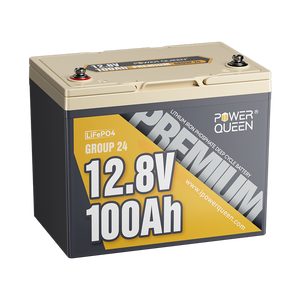
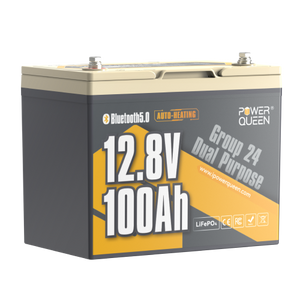
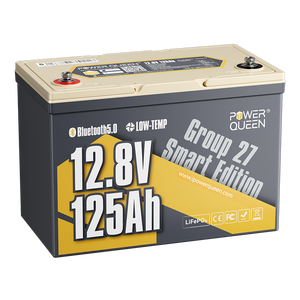
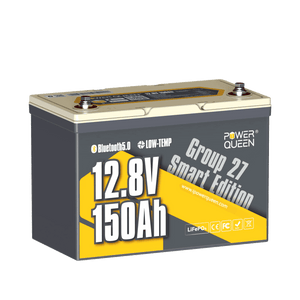
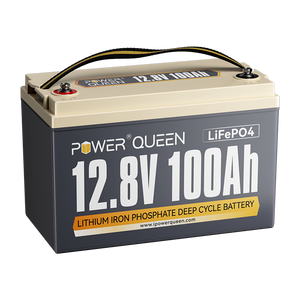
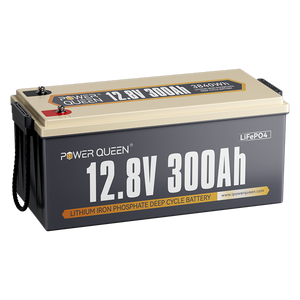
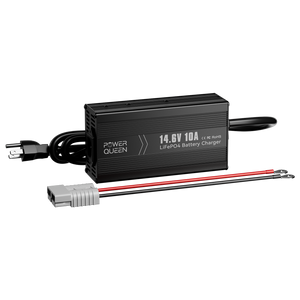
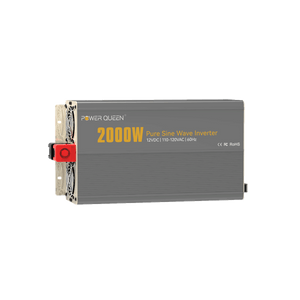
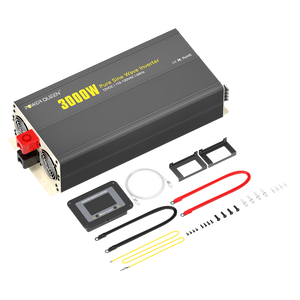
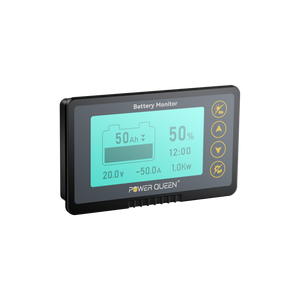
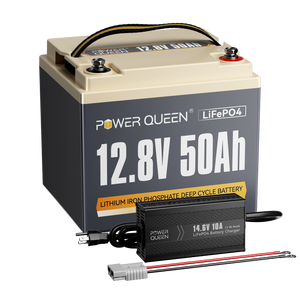
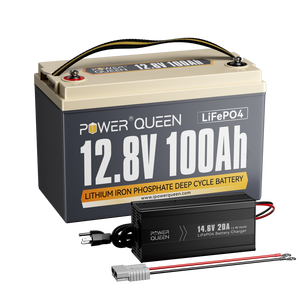
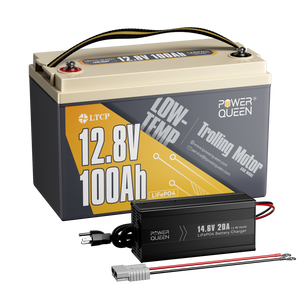
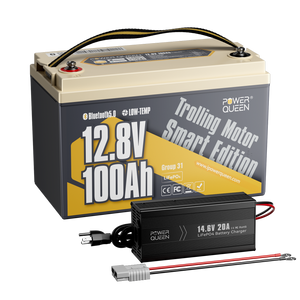
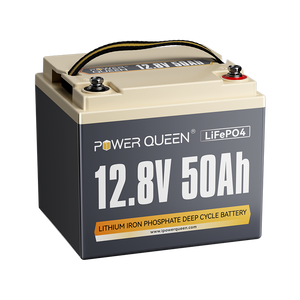
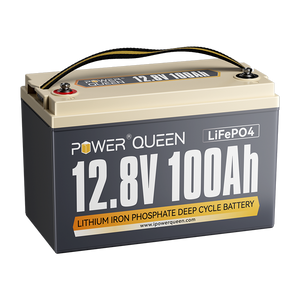
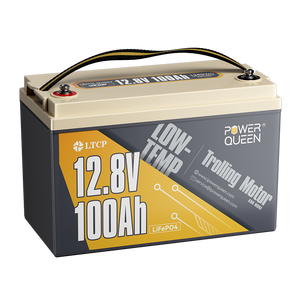
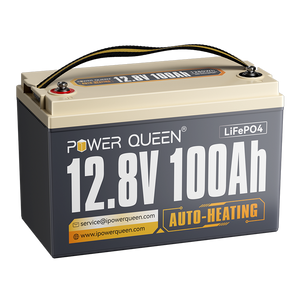
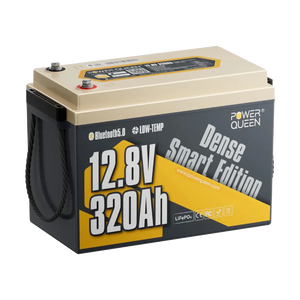
Backup power should be used strategically. Power banks and battery stations are best reserved for communication, lighting, and medical devices rather than heating. If you rely on battery-powered equipment, understanding how lithium batteries perform in cold weather is important, since low temperatures can reduce capacity and charging efficiency.
Not all battery systems behave the same in winter. Many people are surprised by how quickly some systems lose usable power in cold conditions, which is why understanding the differences between AGM vs lithium ion backup batteries can help set realistic expectations during a winter power outage.

What Medical and Personal Items Are Essential in a Winter Power Outage
Medical preparedness prevents small issues from becoming emergencies during a winter power outage. Prescription medications should be refilled ahead of winter, and medical devices should have backup power options.
Personal hygiene items, basic first aid supplies, and extra blankets support both physical health and mental well-being during extended outages.

How to Stay Warm and Safe During a Winter Power Outage
Staying warm safely is the most important challenge during a winter power outage. Unsafe heating choices are a leading cause of injury and death during winter emergencies.
The safest approach combines heat retention, controlled heat sources, and constant awareness of carbon monoxide and fire risks.
How to Create a Warm Safe Room During a Winter Power Outage
A warm safe room helps conserve heat during a winter power outage. Choose an interior room with few windows and close doors to unused spaces.
Use blankets, sleeping bags, rugs, and layered clothing to trap warmth. Sharing one space allows body heat to raise room temperature without additional energy.
How to Use Heaters and Generators Safely During a Winter Power Outage
Only indoor-rated heaters should be used inside the home during a winter power outage. Keep heaters away from bedding, curtains, and furniture, and never leave them unattended.
Generators must always be operated outdoors, far from doors and windows. For readers comparing alternatives to generators, this guide to backup batteries for winter power outages explains which options are better suited for cold-weather performance.
How to Avoid Carbon Monoxide and Fire Risks in a Winter Power Outage
Carbon monoxide is a serious danger because it is odorless and invisible. Fuel-burning devices should never be used indoors unless specifically designed for indoor use.
The U.S. Centers for Disease Control and Prevention warns that carbon monoxide poisoning increases during power outages due to improper generator and heater use.
Fire risks also increase during outages due to candles and overloaded extension cords. Battery-powered lighting and careful equipment placement reduce these risks.
What to Do During and After a Winter Power Outage
Clear actions reduce confusion during a winter power outage. Knowing what to do during short and long outages helps families respond effectively instead of reacting emotionally.
What Actions to Take During a Short Winter Power Outage
During a short winter power outage, the priority is conserving heat. Keep doors closed, limit movement between rooms, and use flashlights instead of candles.
Monitor utility updates using battery-powered radios or mobile alerts and avoid unnecessary travel until conditions improve.
How to Manage a Long Winter Power Outage Safely
A long winter power outage requires activating your full emergency plan. Rotate safe heating methods, monitor indoor temperatures, and check on household members regularly.
If indoor temperatures drop to unsafe levels, seek community warming centers or stay temporarily with friends or family who have power.
What to Check After Power Is Restored From a Winter Power Outage
After power returns, inspect your home carefully. Check for frozen or burst pipes, water leaks, and electrical issues before resuming normal use.
Food safety is also critical. The U.S. Department of Agriculture advises discarding perishable food that may have been above safe temperatures for too long.
Winter Power Outage FAQs
How Long Does a Winter Power Outage Usually Last
A winter power outage can last from a few hours to several days depending on storm severity and infrastructure damage. Planning for at least 72 hours provides a realistic safety buffer.
What Is the Safest Way to Stay Warm During a Winter Power Outage
The safest way to stay warm during a winter power outage is to reduce heat loss and use indoor-rated heating methods only. A warm safe room and layered clothing are often enough to prevent dangerous cold exposure.
Can a Gas Stove Be Used for Heat During a Winter Power Outage
Using a gas stove or oven for heat during a winter power outage is unsafe. These appliances can produce carbon monoxide and increase fire risk even with ventilation.
How Should Food Be Handled During a Winter Power Outage
Food should be handled conservatively during a winter power outage. Keep refrigerator doors closed and discard perishable food that may have warmed beyond safe temperatures.
How Can You Prepare for a Winter Power Outage if You Live Alone
If you live alone, preparation is especially important. Arrange a check-in plan with neighbors or family, keep supplies accessible, and avoid risky activities during storms.