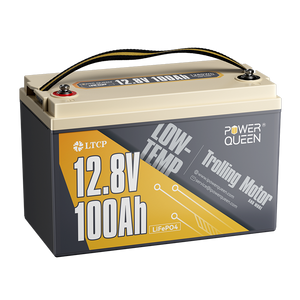
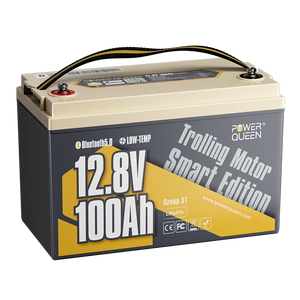













Two 100Ah Lithium Batteries vs One 200Ah Battery: How to Choose?
Choosing between two 100Ah lithium batteries vs one 200Ah battery mainly depends on flexibility, installation space, and future expansion plans. Both setups provide nearly the same total capacity, but they perform differently in real world RV, solar, marine, and backup power systems. In most cases, two 100Ah batteries offer better redundancy and easier upgrades, while one 200Ah battery delivers simpler wiring and a cleaner setup.
For U.S. RV owners, off grid homeowners, and boat users, the right battery setup can directly affect installation difficulty, long term maintenance, and overall system reliability. Understanding the practical differences between these two options helps avoid costly mistakes later.
Two 100Ah Lithium Batteries vs One 200Ah Battery: What Is the Real Difference?
The biggest difference between two 100Ah lithium batteries vs one 200Ah battery is not total capacity but system flexibility. Both options store roughly the same amount of usable energy, yet they differ in layout, backup protection, weight distribution, and expandability.
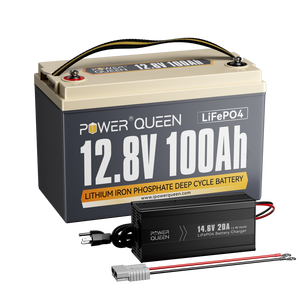
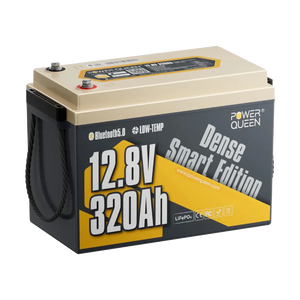
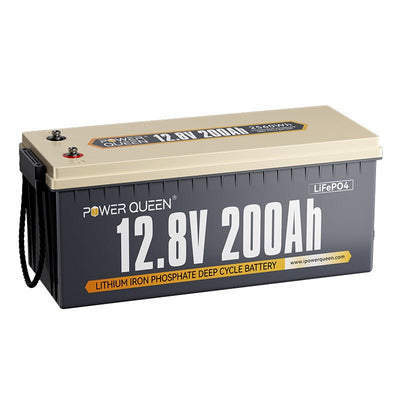
A single 12V 200Ah battery provides approximately 2560Wh of energy. Two 12V 100Ah batteries wired in parallel deliver nearly the same output. In daily use, both setups can run refrigerators, lighting systems, fans, laptops, and small appliances for similar periods.
However, battery count changes how the system behaves in real applications. Many U.S. RV owners choose dual 100Ah batteries because smaller batteries fit more easily into standard battery compartments. By contrast, homeowners installing garage based backup systems often prefer a single 200Ah battery because it simplifies cable management.
Two 100Ah Batteries Offer More Installation Flexibility
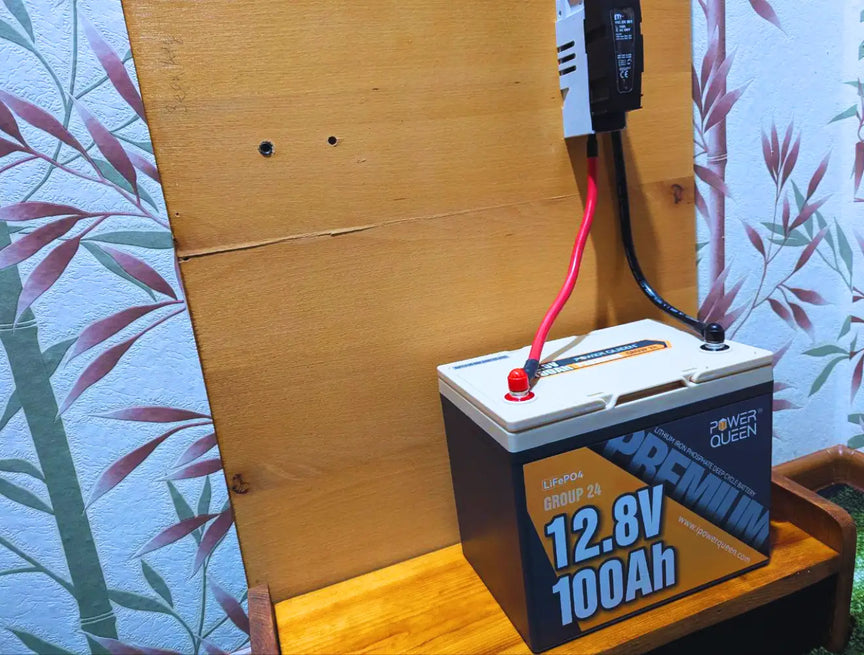
Two smaller batteries are easier to position because they can fit into narrow or irregular spaces. This matters in camper vans, boats, and trailers where storage compartments are limited.
For example, a van owner in Colorado may place one battery beneath a seat and another inside a rear cabinet. A single oversized 200Ah battery may not physically fit those locations.
One 200Ah Battery Simplifies Wiring
One larger battery reduces wiring complexity because there are fewer terminals and connection points. Simpler wiring lowers the risk of loose connections and can make installation cleaner.
This setup is especially attractive for permanent home energy storage systems where space is less restricted.

How Capacity and Runtime Compare
Both battery configurations deliver similar runtime because their total amp hour capacity is nearly identical. The actual runtime depends more on appliance wattage and power consumption habits.
A 200Ah lithium battery bank can typically power an RV refrigerator, LED lights, a CPAP machine, charging devices, and small kitchen appliances for extended periods. Under moderate use, either setup can support off grid camping for multiple days.
For example, an American camper using a 60 watt refrigerator may get more than 35 hours of operation from either battery setup under normal conditions.
The U.S. Department of Energy notes that lithium battery systems continue gaining popularity because of their high efficiency and long service life.
Battery Capacity Does Not Always Equal Performance
Battery quality affects performance just as much as battery size. Premium lithium batteries often include stronger internal components, better low temperature protection, and more advanced Battery Management Systems.
A lower quality 200Ah battery may perform worse than two high quality 100Ah batteries despite having the same advertised capacity.
Inverter Loads Can Affect Battery Behavior
Heavy inverter loads place stress on lithium batteries during startup surges. Two separate batteries may distribute current more evenly under high demand conditions.
This can benefit users running microwave ovens, coffee makers, air conditioners, or power tools through large inverters.
Two 100Ah Lithium Batteries vs One 200Ah Battery for RV Use
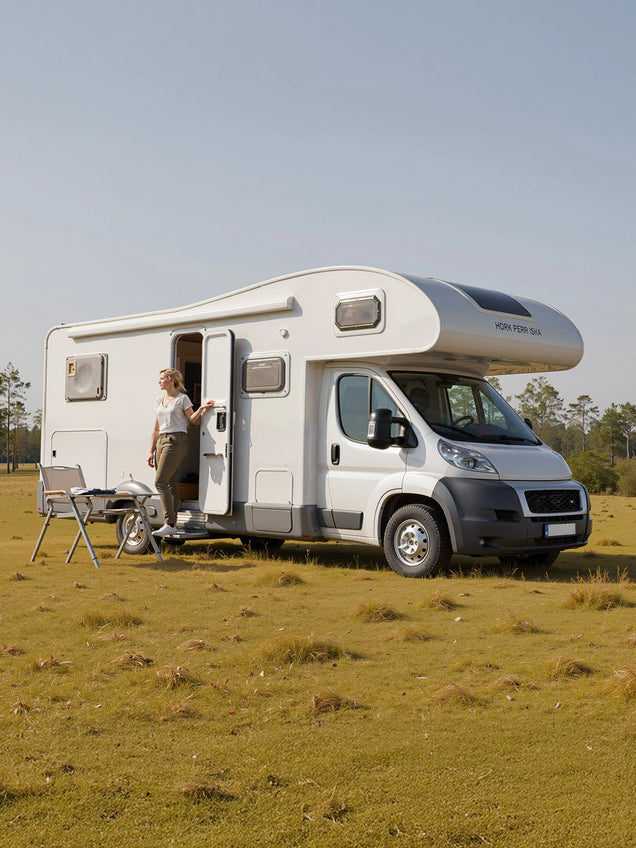
Two 100Ah batteries are usually the better option for RV applications because RV battery compartments are commonly designed for smaller battery sizes. Weight handling and backup reliability also become more important during travel.
Many Class B camper vans and travel trailers across the U.S. cannot easily accommodate one large 200Ah battery. Smaller batteries also make installation safer because each battery is easier to lift independently.
Redundancy Matters During Travel
Two batteries improve system reliability because each battery has its own Battery Management System. If one battery shuts down unexpectedly, the second battery may still support essential devices.
This backup protection is especially valuable during remote camping trips where replacement batteries are not immediately available.
Smaller Batteries Are Easier to Carry
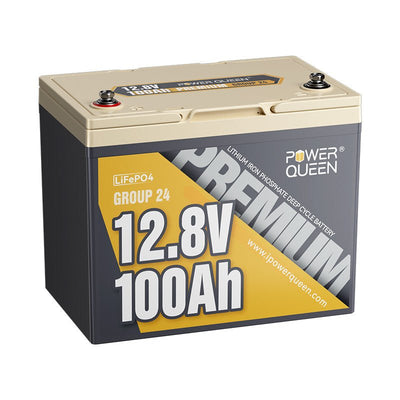
A standard 100Ah lithium battery usually weighs between 24 and 30 pounds. A 200Ah battery can exceed 55 pounds depending on construction.
For solo RV owners, carrying two smaller batteries is often much easier than lifting one heavy battery into a confined compartment.

One 200Ah Battery Works Better for Some Home Backup Systems
One 200Ah battery often makes more sense for stationary backup systems because installation space is less restrictive. Simpler wiring and centralized monitoring become more valuable in fixed installations.
For example, California homeowners using solar backup systems during wildfire related outages often prefer one larger battery because it creates a cleaner setup with fewer visible cables.
Cleaner Layout Improves Maintenance
A single battery setup can simplify inspections and troubleshooting because there are fewer cables and fewer terminal connections.
This streamlined design is useful for homeowners who want a more organized energy storage system.
Stationary Systems Usually Have More Space
Garage mounted and utility room battery systems typically have enough space to support larger battery dimensions. Weight distribution also matters less in stationary installations.
The California Energy Commission continues expanding residential battery storage standards as home energy storage demand grows.

Expandability Is Easier With Two 100Ah Batteries
Two 100Ah batteries provide more flexibility for future upgrades because users can expand systems gradually instead of replacing an entire battery bank.
Many solar users across the U.S. begin with one 100Ah battery and add another later after increasing solar panel capacity or adding new appliances.
For example, an Arizona homeowner may initially install one battery for emergency refrigerator backup and later expand the system after installing rooftop solar panels.
Gradual Expansion Reduces Upfront Costs
Adding batteries over time allows users to spread costs across multiple stages instead of making one large investment immediately.
This approach is popular among off grid cabin owners and first time solar users.
Expansion Requires Proper Battery Matching
Lithium batteries connected in parallel should ideally match in brand, age, voltage, and capacity. Mixing old and new batteries can create charging imbalance and shorten lifespan.

Charging Performance Is Usually Similar
Charging speed depends more on charger size than battery quantity. Most modern lithium chargers and solar charge controllers treat parallel batteries as one larger battery bank.
As long as the wiring is balanced properly, both systems charge efficiently.
Parallel Wiring Must Be Done Correctly
Incorrect cable lengths or undersized wiring can create uneven current flow between batteries. Proper parallel wiring helps both batteries charge and discharge evenly.
If you are unsure how to connect lithium batteries safely, read our detailed guide on Know Everything about Wiring Batteries in Series VS Parallel. The article explains how series and parallel connections affect voltage, capacity, charging behavior, and overall battery performance.
Solar Charging Works Well With Both Setups
Both configurations work effectively with solar charging systems. The better option depends more on available installation space and future upgrade plans.
Thermal Performance and Safety
Two separate batteries may handle heat better because thermal load is spread across multiple battery housings. Better heat distribution can improve long term reliability in hot climates.
This matters in states such as Texas, Arizona, and Nevada where battery compartments may experience extreme summer temperatures.
LiFePO4 Batteries Are Known for Strong Safety
LiFePO4 batteries are widely recognized for thermal stability and long cycle life compared with many other lithium battery chemistries.
The U.S. Department of Energy continues highlighting lithium battery advancements as battery prices decline and adoption increases.
Installation Quality Matters More Than Battery Count
Most lithium battery safety issues come from improper installation rather than battery quantity. Poor cable sizing, incorrect fusing, and weak ventilation create bigger risks than choosing one or two batteries.
Cost Comparison Between Two 100Ah Batteries and One 200Ah Battery
One 200Ah battery may cost slightly less because it includes only one housing and one Battery Management System. Two separate batteries often carry a small premium.
However, replacement costs can favor smaller batteries over time.
Replacing One Smaller Battery Can Save Money
If one 100Ah battery fails outside warranty, replacing a smaller unit may cost less than replacing an entire 200Ah battery.
This flexibility can lower long term ownership costs.
Long Lifespan Helps Offset Initial Cost
High quality LiFePO4 batteries commonly last several thousand charge cycles under proper use, making them a strong long term investment despite higher upfront pricing.
Comparison Table: Two 100Ah Lithium Batteries vs One 200Ah Battery
| Feature | Two 100Ah Batteries | One 200Ah Battery |
|---|---|---|
| Total Capacity | 200Ah | 200Ah |
| Installation Flexibility | Excellent | Moderate |
| Wiring Simplicity | Moderate | Excellent |
| Weight Handling | Easier | Heavier |
| Redundancy | Yes | No |
| Future Expansion | Easier | More Limited |
| Troubleshooting | Easier | Centralized |
| Space Efficiency | Flexible Placement | Requires Larger Space |
| Initial Cost | Slightly Higher | Slightly Lower |
Common Mistakes to Avoid
Mixing unmatched batteries is one of the most common mistakes because different battery ages and capacities can create charging imbalance. Users should always pair identical batteries whenever possible.
Improper cable sizing is another major issue. Balanced wiring is critical for parallel lithium battery systems.
Many buyers also forget to measure battery compartments before purchasing. Checking dimensions early can prevent installation problems later.
Final Thought
Two 100Ah lithium batteries vs one 200Ah battery is ultimately a decision between flexibility and simplicity. Both setups provide nearly identical energy storage, but they solve different installation and reliability challenges.
Two 100Ah batteries are usually better for RV owners, marine users, and expandable solar systems because they offer easier handling, better redundancy, and flexible placement.
One 200Ah battery is often the better option for fixed home backup systems because it simplifies installation and reduces wiring complexity.
The best choice depends on your available space, future upgrade plans, and how important backup protection is for your application.
FAQs
Is it better to have two 100Ah lithium batteries or one 200Ah battery?
Two 100Ah batteries are generally better for flexibility and backup reliability, while one 200Ah battery is better for cleaner installation and simpler wiring.
Are two 100Ah batteries easier to install?
Yes. Smaller batteries are easier to carry, position, and fit into RV or marine battery compartments.
Can I add more batteries later if I start with 100Ah batteries?
Yes. Many users start with one battery and expand later as power needs increase.
Which setup is better for RV camping?
Two 100Ah batteries are often better for RVs because they fit standard battery compartments more easily and provide backup redundancy.
Which battery setup lasts longer?
Battery lifespan depends more on battery quality and charging habits than battery quantity. High quality LiFePO4 batteries can last thousands of cycles with proper maintenance.